







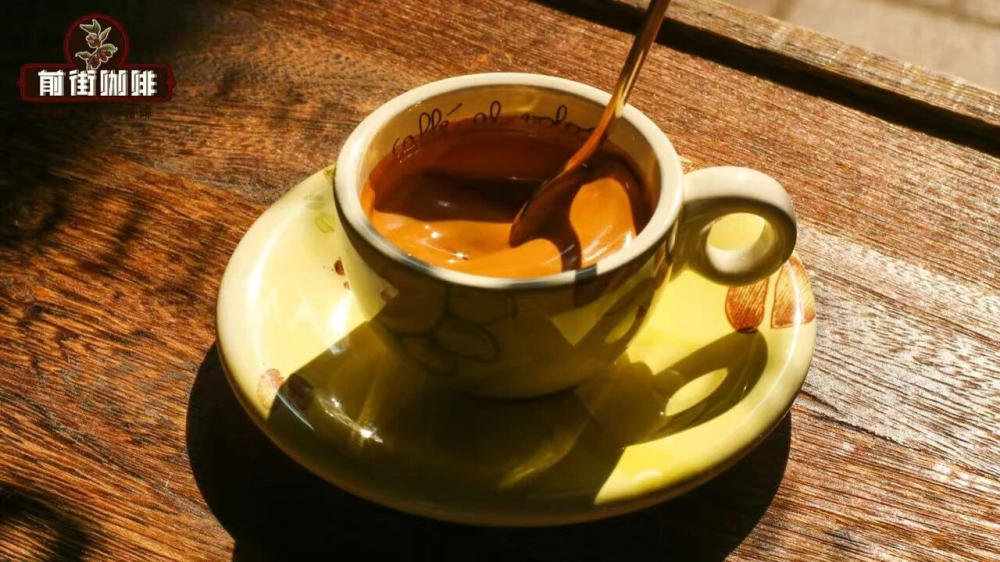
Espresso was invented by MR. Gaggia in 1946. Gaggia further improved the piston pressure system—replacing manual pressing with spring pressure, allowing a layer of golden coffee crema to float on top of the brewed coffee. This was the first appearance of crema in coffee history, and that year became the official birth year of Espresso. It was not until around 1986 that the international coffee chain Starbucks pushed "it" to the whole world, making it a beverage familiar to everyone. On this point, Starbucks truly deserves great credit.
Compared with other coffee brewing methods, espresso machines are more demanding about coffee beans. To allow the coffee to release quickly, we need to grind the beans very fine, while also using high temperature and high pressure extraction conditions, making the coffee flavor extremely intense—and one small mistake can make the espresso unbearably bad. If you want to improve your success rate with espresso, it is recommended to choose medium to dark roasted beans. Below, Front Street has listed several blends suitable for beginners:
"Front Street Specialty Blend Coffee Beans" 75 yuan/454g: Colombian washed coffee beans + Brazilian semi-washed coffee beans, with flavor notes of nuts, dark chocolate, and caramel.
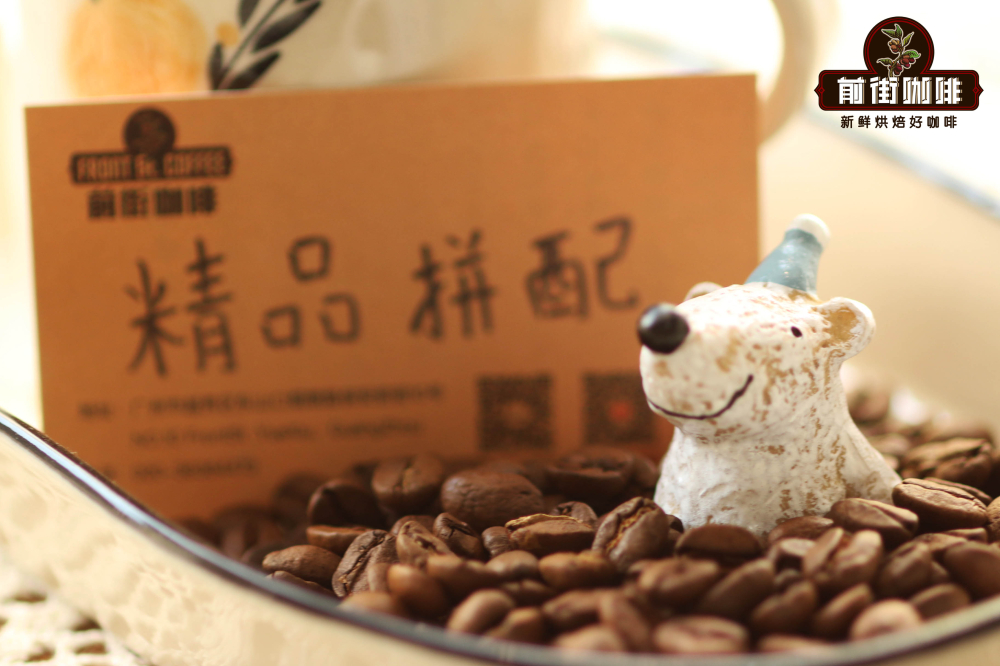
"Front Street Classic Blend Coffee Beans" 33 yuan/100g; Brazilian semi-washed coffee beans + Indonesian Mandheling coffee beans + Vietnamese coffee beans, with rich coffee crema and a full-bodied mouthfeel;
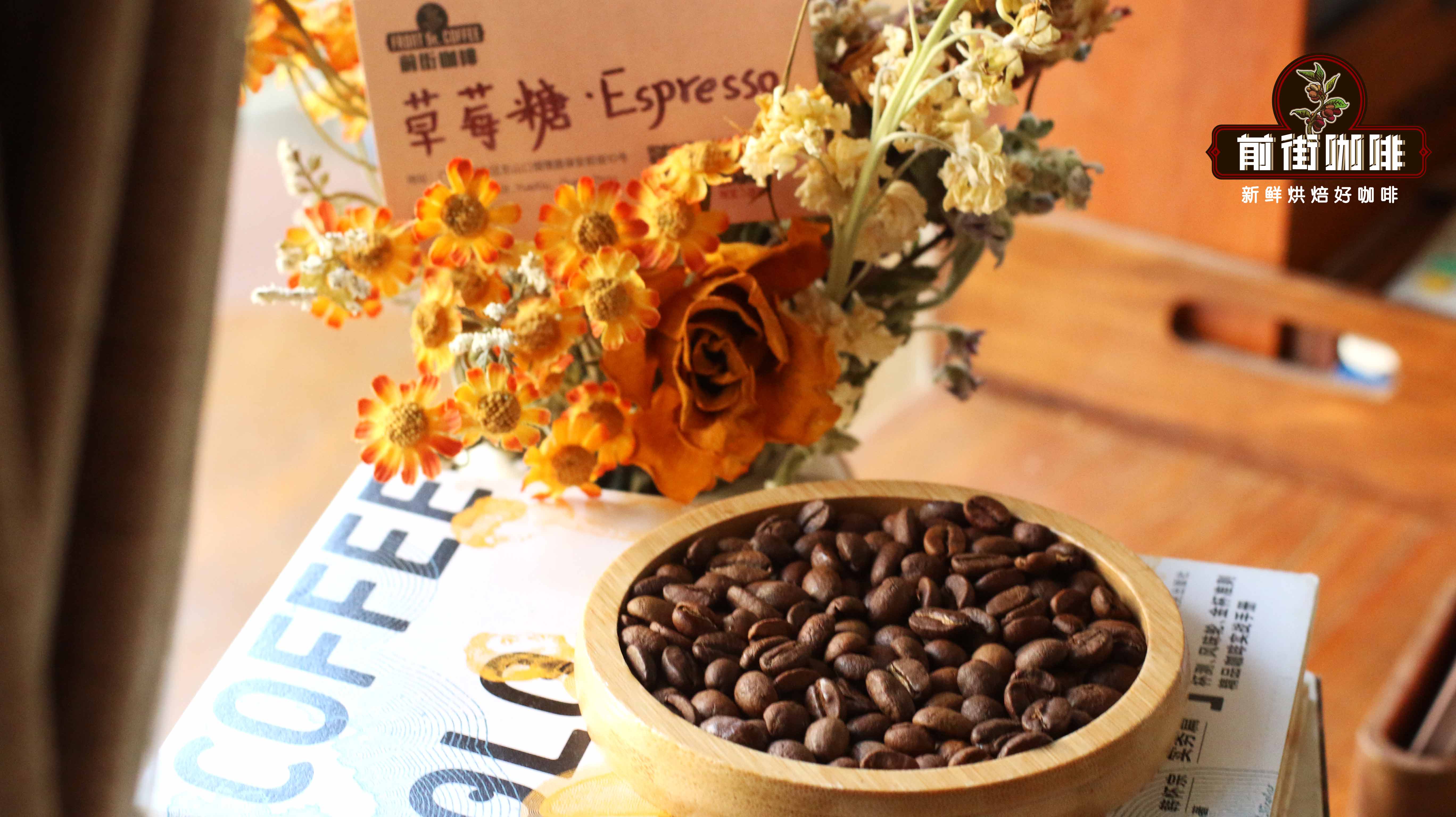
"Front Street Strawberry Candy Espresso" 43 yuan/100g; Costa Rican coffee beans + Panamanian coffee beans + Ethiopian coffee beans, with aromas of roses, strawberry candy, and glucose, a prominent fruity sweet-and-sour taste, and a pleasant flavor.
Generally speaking, espresso extraction has certain standards. Depending on the portafilter basket, the weight of coffee grounds is generally between 18-22 grams. Make sure the weight of the coffee grounds is the amount you want, because a tiny difference can lead to a huge discrepancy. The most common brewing ratio is twice the coffee grounds, which means that if you have 18 grams of coffee grounds, then you had better extract 36 grams of espresso liquid, because once you exceed this value, the coffee will easily develop an over-extracted taste.

Of course, this standard can also change according to everyone's different needs. For example, the espresso produced by Front Street stores uses 20 grams of grounds to extract 36 grams of coffee liquid, in order to make the Americano and latte richer and more aromatic, with a fuller flavor. What needs to be reminded here is that the weight of the liquid coffee is best 1-3 times that of the dry coffee grounds, with 2 times being commonly used.
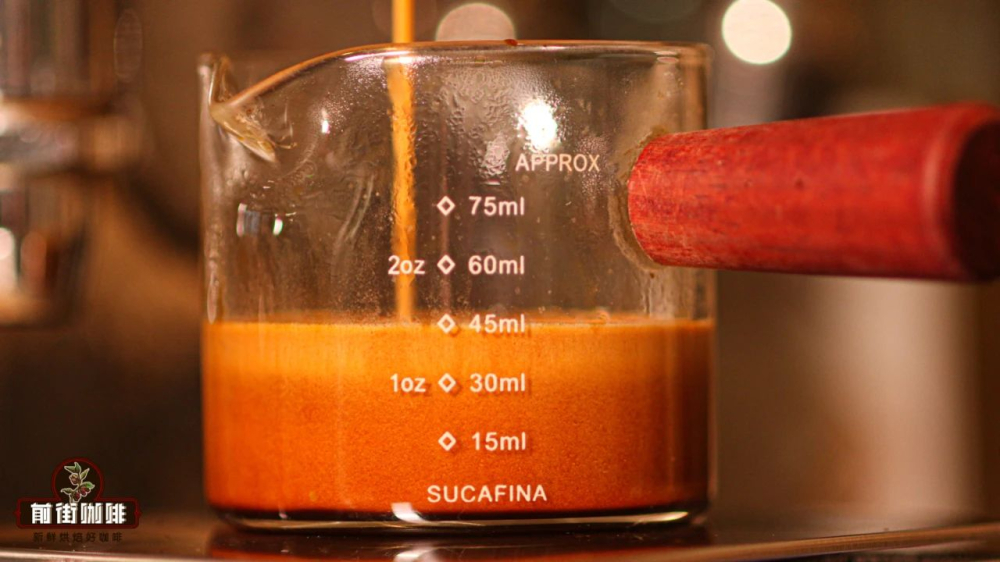
The brewing time is from pressing the button to the end of extraction, and the time used is usually between 25-35 seconds. If the extraction time is longer or shorter than your expected time, the biggest reason is the coffee grind, so you should adjust it according to your own needs and optimize the extraction parameters.
Generally speaking, fast extraction makes the coffee's acidity prominent and reduces its sweetness. Slower extraction gives the coffee a bitter and dull flavor.
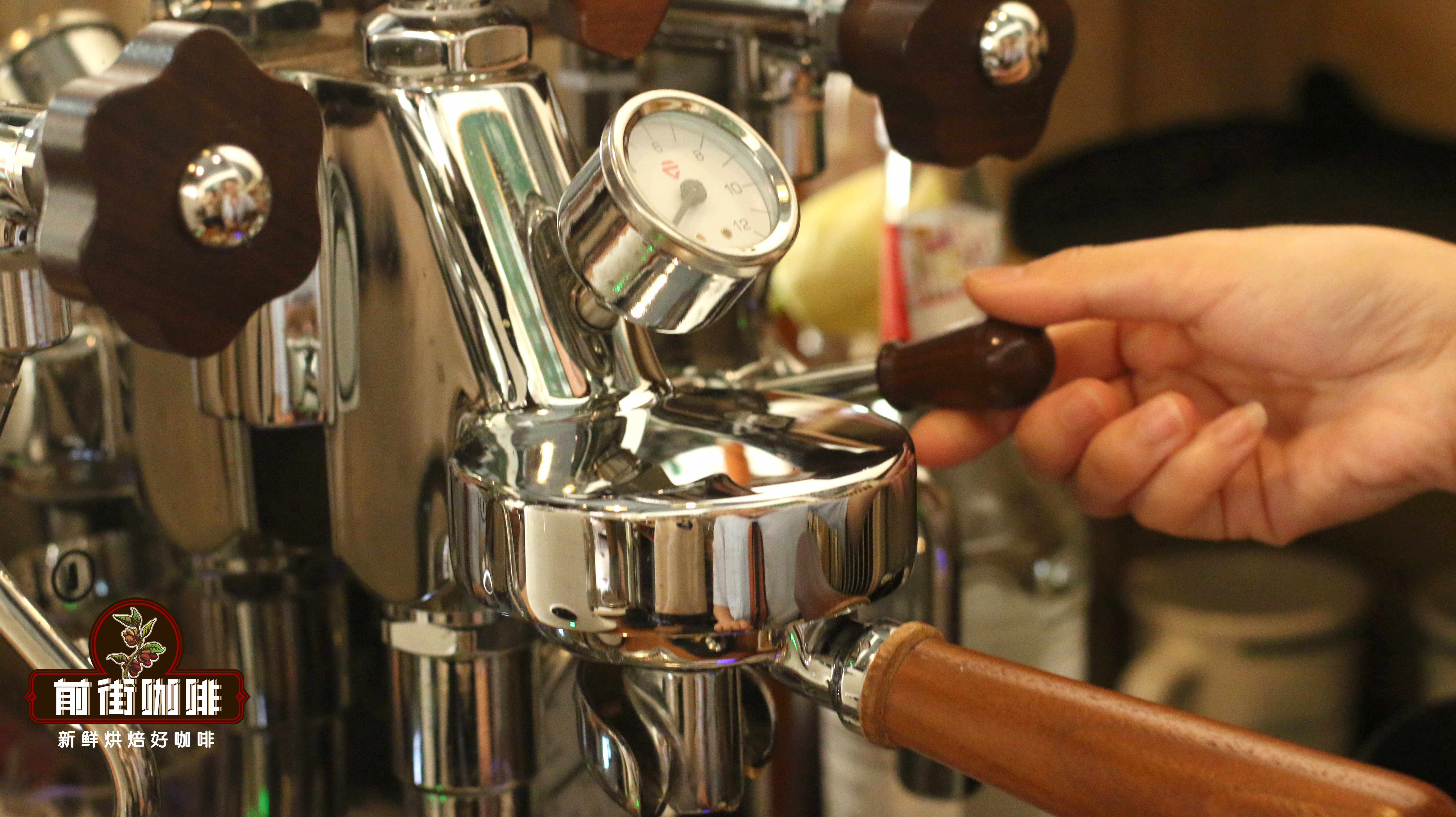
The most direct way to judge whether an espresso is ready to serve is to taste it. Taste is a very good method for judging the quality of espresso. However, because judging whether espresso is normal by taste is too subjective, some far-sighted baristas and roasters use a refractometer to measure the total dissolved solids (TDS) in espresso. TDS measurement allows them to determine the accurate brewing strength and extraction percentage, and to correlate their preferred brewing parameters with numerical data. Measuring TDS also means we can calculate the extraction percentage using the following formula:
(%TDS x brewed coffee weight) / coffee grounds weight = extraction percentage
Many coffee lovers who come to Front Street show admiration for the baristas operating the coffee machine at the bar, curious about how to operate a coffee machine that looks so complicated. In fact, what baristas master is simply the detailed steps of making espresso. As for how the coffee machine operates, most baristas do not know. So today, Front Street will introduce the detailed process of making espresso for everyone! Taking the normal operating process of Front Street Coffee (FrontStreet Coffee) as an example:
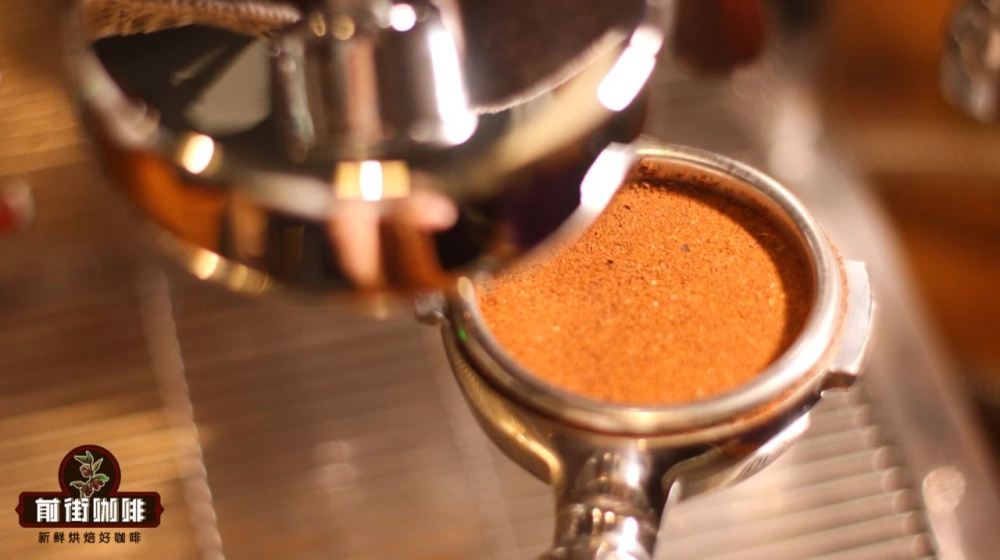
Step 1: Wipe the portafilter basket to ensure the coffee grounds basket is dry and free of water.
Step 2: Weigh the coffee grounds. Use an electronic scale to weigh an appropriate amount of coffee grounds, keeping the error within plus or minus 0.1 grams.
Step 3: Distribute the grounds.
Step 4: Tamp the grounds.
Step 5: Lock in the portafilter.
Step 6: Press the button to extract.
Step 7: Remove the portafilter and clean the group head.
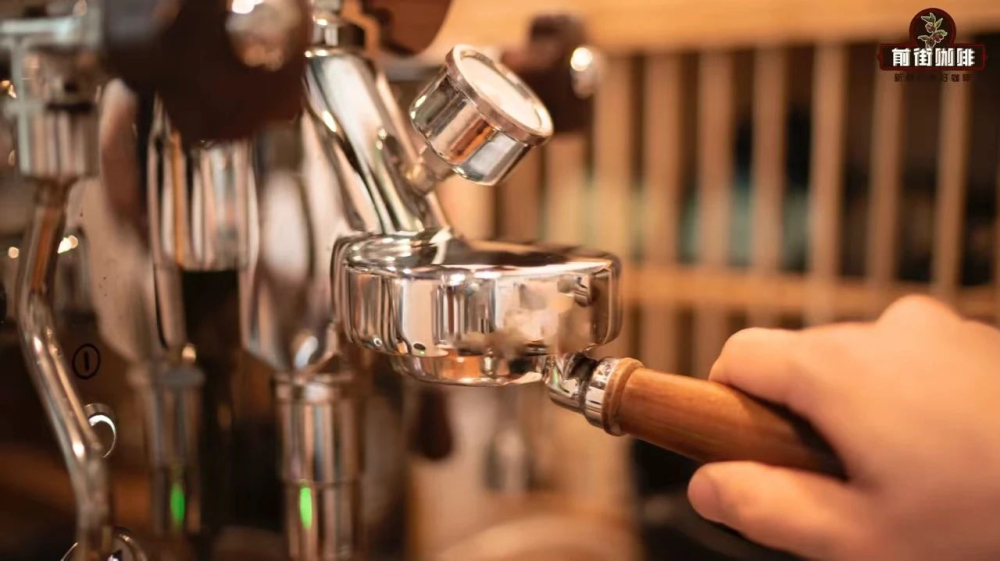
Front Street espresso extraction plan recommendation: 20g dose, extract 40g espresso liquid, time 30 seconds.
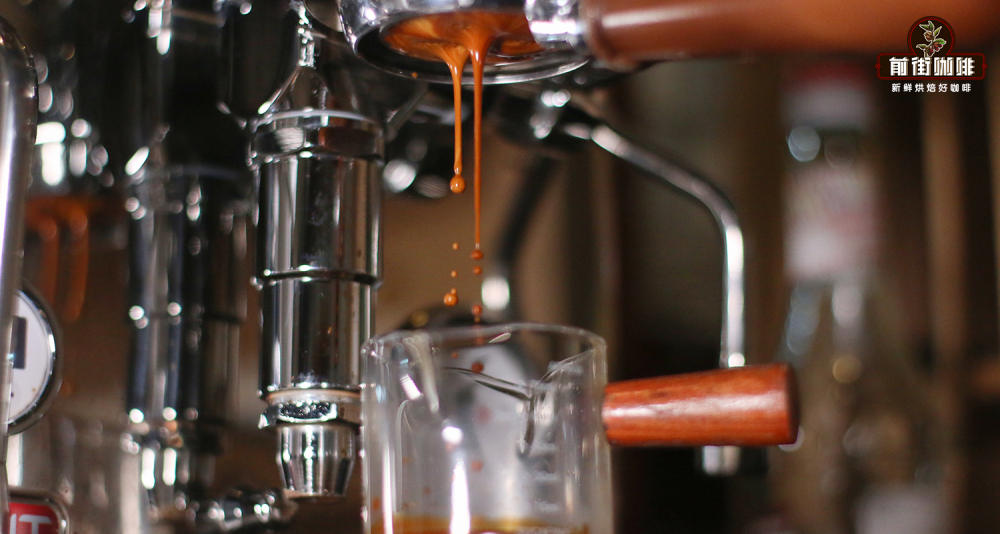
Just like that, one espresso is finished extracting.
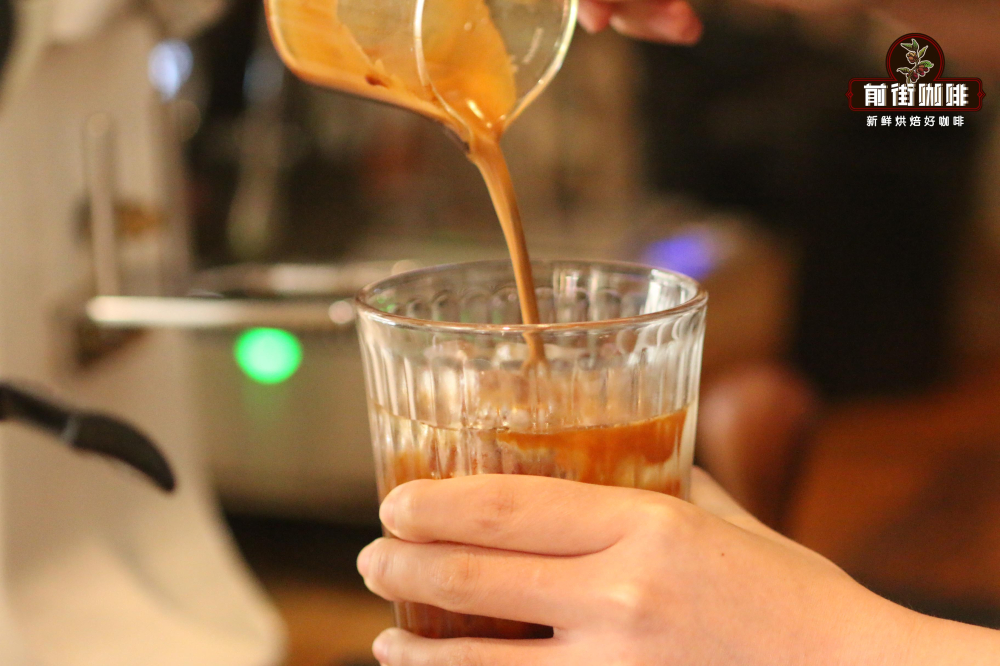
If you want to make other coffee drinks, it is simply a matter of adding water, sugar, or milk. If you like Americano, Front Street will prepare a 200ml coffee cup, pour in 160ml of warm hot water, and finally pour in the espresso. A hot Americano is ready.
The above content is compiled by CoffeeHunters, a coffee news website.


