







Does the Vietnamese Phin Filter Only Work With Robusta?
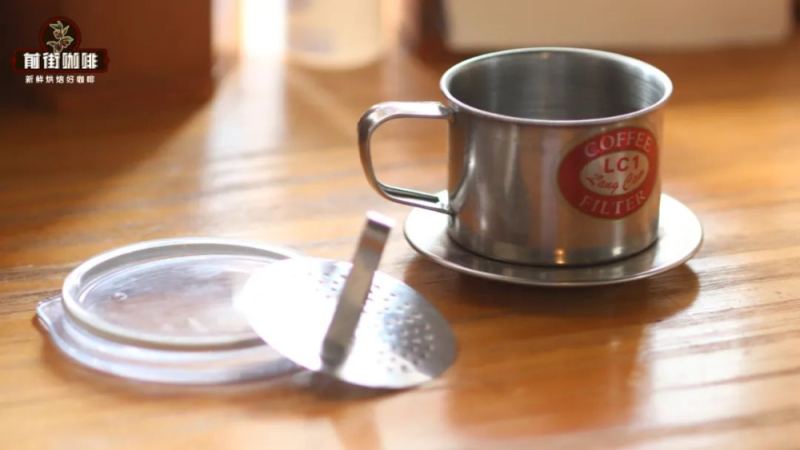
A Vietnamese phin filter can brew light-roast coffee, not just bitter Robusta. The device has three parts: the outer filter, the pressure plate or distributor, and the lid. Get the grind size, water temperature, and coffee-to-water ratio right, and light-roasted beans with floral and fruity acidity come through in the cup. The same setup can also make a decent latte.
Vietnam is a major coffee-producing country and grows mostly coffee robusta, which tends toward bitterness and high strength. Condensed milk coffee made with the drip filter became common on Vietnamese streets because the drink is simple and quick to prepare. The pressure plate keeps most fine grounds from falling through the small holes at the bottom of the filter.
The Vietnamese drip filter has a simple structure and an affordable price, making it a practical choice for many coffee enthusiasts just getting started. After repeatedly testing with Front Street Coffee, we found that as long as you get the grind size, water temperature, and coffee-to-water ratio right, this device—which seems suited only to strong, bitter Robusta—can also brew light-roasted beans with floral and fruity acidity into something delicious, and can even make a decent latte. This article starts with the device's structure and extraction principle, then moves on to specific parameters for black coffee and iced lattes, guiding you step by step to master the Vietnamese filter.
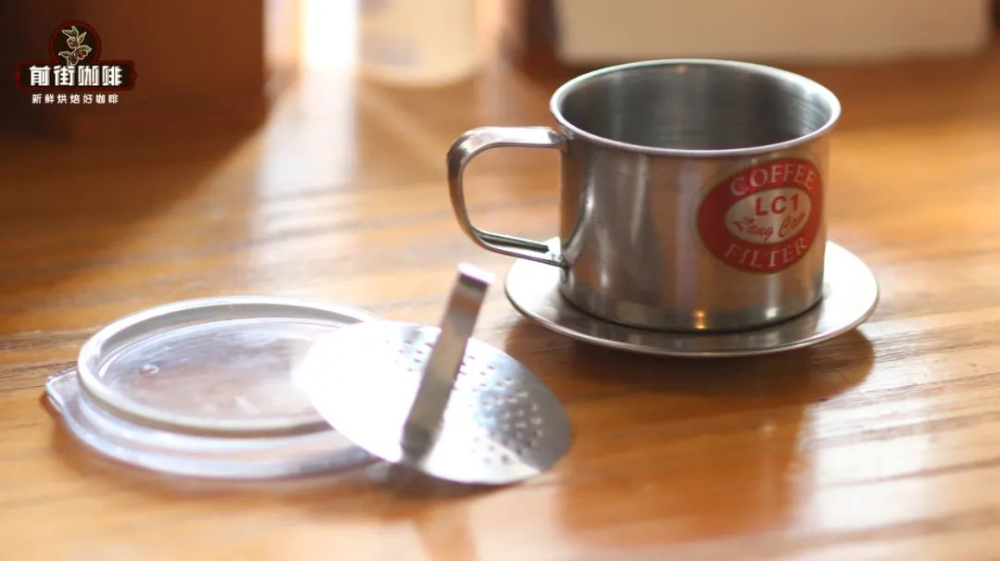
Looking at its construction alone, the Vietnamese drip filter really isn't complicated—it consists mainly of three parts: the outer filter, the middle pressure plate/distributor, and the top lid. As for its price, it's hard to find a cheaper coffee device. It was precisely because of this price advantage that Front Street Coffee also picked one up to try, and we found it quite interesting to use.
First, let's look at how locals in Vietnam use this device. Vietnam is also a major coffee-producing country, though it mainly grows Robusta, which tends toward bitterness and high strength. Locals don't pursue coffee on a flavor level much; they're satisfied with a simple drink that isn't too unpleasant and can wake them up. So (in earlier years) condensed milk coffee made with the drip filter could be seen everywhere on Vietnamese streets, and the method isn't complicated: put some condensed milk at the bottom of the cup, set the drip filter on the rim, pour in hot water, cover with the lid, and wait for the coffee to finish dripping.
The beans typically paired with the Vietnamese drip filter are mostly of the strong, bitter style. But if you switch to light-roasted beans with floral and fruity acidity, can this device still brew a delicious cup?
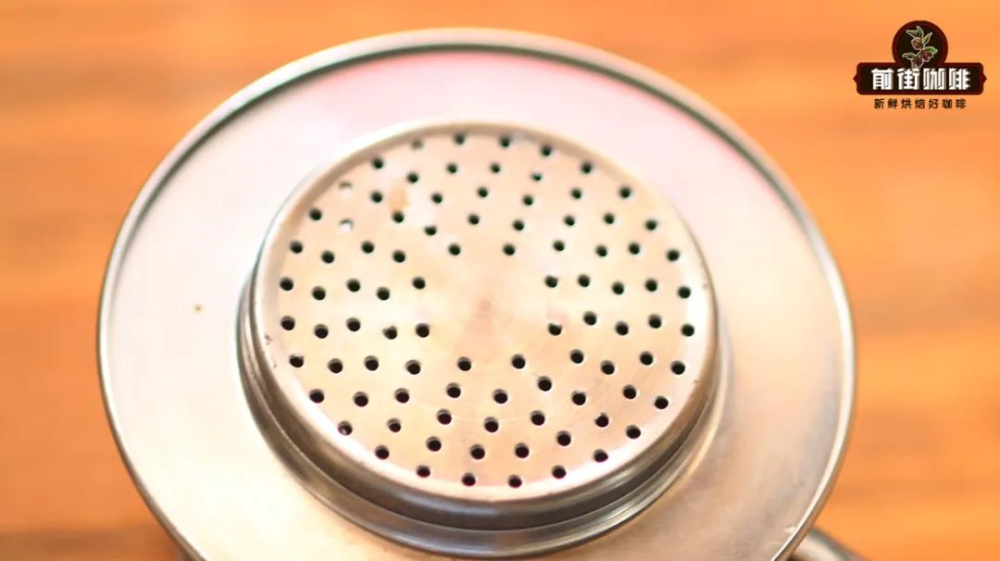
Let's first clarify its extraction principle. The bottom of the filter is covered with many small holes. When Front Street Coffee first observed them, we found the holes weren't exactly small—if the coffee grounds were finer than the holes, wouldn't they just leak straight into the coffee liquid? In fact, some grounds do fall through, but far fewer than expected, and this is thanks to the pressure plate/distributor.
After pouring the coffee grounds into the filter, tap them level gently, then place the pressure plate/distributor in horizontally and press it down firmly. The vast majority of the grounds are then held in place. The tighter you press, the slower the water seeps through. Front Street Coffee's advice is to press it as tight as possible, which eliminates this variable altogether.
Finally, put on the top lid. The reason is that after pouring water, the pressure plate may float up with the water level, and the lid's job is to hold it down. Some pressure plates today use a twist-lock design, and those no longer need a lid.
By this point it's easy to see that the Vietnamese filter is essentially a typical drip-style device, just with a slightly simpler and more direct dripping method. That being the case, as long as you find the right grind size, water temperature, and ratio, light-roasted beans can also produce a satisfying cup.
During testing, Front Street Coffee focused on determining the grind size, since it directly determines the extraction time of the drip filter. For the ratio, Front Street Coffee first used 1:15, which makes it easier to achieve a reasonable extraction yield and strength. For water temperature, we chose a relatively high one, because Front Street Coffee found that the Vietnamese drip filter has weak heat retention, and with no agitation from stirring, water temperature becomes the most effective means of controlling extraction efficiency. In testing we used 94°C.
The dose was set at 10 grams. Given the drip filter's small bottom area, this was chosen to control the thickness of the coffee bed. In practice, anywhere between 10 and 12 grams is workable.
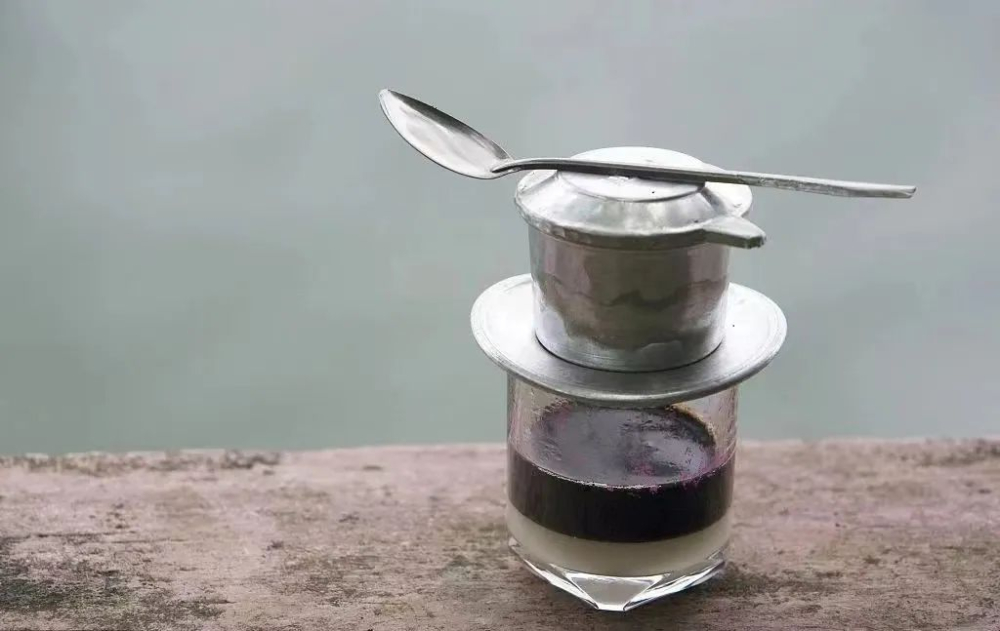
The pouring step is limited by the filter's capacity, so it needs to be done in two stages. The filter can hold at most 100 ml of water at a time. For the first stage, pour in 100 ml of hot water and put on the top lid. When the water level drops by half, add another 50 ml, replace the top lid, and wait until dripping is complete.
Front Street Coffee tested light-roasted beans from Ethiopia, Kenya, Guatemala, and Panama, and finally settled on a grind size in the 9.5 to 10.5 range on the EK-43s. After sifting with a No. 20 sieve, the pass-through rate was about 75% to 83%, with extraction time controlled at 2 to 3 minutes. With a coarser grind, dripping is faster and the coffee's acidity is more pronounced; with a finer grind, dripping takes longer and the sweetness and mouthfeel are better.
Front Street Coffee finds this device quite convenient to use—especially at home, where it can completely take the place of drip bags. As long as the grind size is on point, all that's left is to pour water and wait for it to finish dripping, and you can enjoy a good cup of coffee. If you mind the sediment in coffee made with the drip filter, you can also place a round paper filter in the filter to keep grounds from falling into the cup.
Besides black coffee, it also works for making lattes. A latte is all about the balance between coffee liquid and milk; coffee that's too light or not strong enough isn't suitable for pairing with milk, so bean selection tends toward dark-roasted beans with bitterness as the main note. The grind size needs to be finer, roughly close to the coarseness used for a moka pot.
Add 50 grams of ice cubes to the cup, pour in 150 ml of milk, place a paper filter in the drip filter, add 10 grams of coffee grounds, press the pressure plate firmly, pour in 70 ml of 95°C hot water, and put on the top lid. Wait for the coffee liquid to finish dripping completely; the whole process takes about 5 to 6 minutes.
The above content is compiled by CoffeeHunters, a coffee news website.


