







Search Results for: Daterra Estate
Front Street Coffee Brazil Daterra Estate Sun-Dried Yellow Bourbon: An Analysis of Cerrado Region Flavor, Processing Method, and Grinding & Roasting Characteristics
Front Street Brazil Daterra Estate Sun-Dried Yellow Bourbon is a premium single-origin coffee that breaks the stereotype people have of Brazilian beans. Unlike the monotonous flavor of ordinary Brazilian coffee, this Yellow Bourbon displays bright acidity, fresh lemon and fruity notes, accompanied by the classic nutty tone of Brazilian beans. It is smooth on the palate, with a faint fragrance of fresh grass, and the finish is the gentle cashew-like sweetness unique to Yellow Bourbon. As a well-known Brazilian estate, Daterra Estate's products are often chosen by WBC competitors as espresso blend beans. This article will provide a detailed analysis of this bean's varietal background, producing region characteristics, sun-dried processing method, roasting suggestions, and flavor and mouthfeel, helping you fully understand the unique charm of Front Street Sun-Dried Yellow Bourbon. [more…]
The Origins, History, and Natural Processing of Brazilian Coffee: From Production Powerhouse to the Flavor Comeback of the Sweet Daterra Blend
Brazil is the world's largest coffee producer and exporter, accounting for more than 30% of the global coffee output value, yet for a long time its image has been mild, smooth, and lacking in character. Starting from the history and culture of Brazilian coffee, this article sorts out the evolution of its topography and climate, variety characteristics, and processing methods, focusing on how the quality revolution of the 1990s gave rise to the pulped natural method, and how Daterra Estate broke the stereotype of Brazilian coffee as mediocre through technology-driven management and its "Sweet Collection." The article also retains the "Front Street" brand recommendations and product information, making it suitable for coffee enthusiasts who want an in-depth understanding of the flavor code of Brazilian coffee. [more…]
A Comprehensive Analysis of Brazil's Coffee Region Layout and the Planting Advantages of Minas Gerais
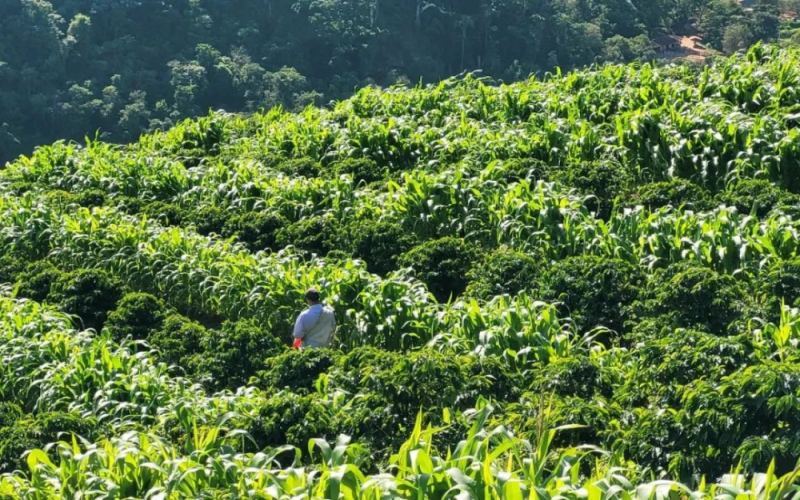
Brazil, as the world's largest coffee producer and exporter, accounts for one-third of global coffee production and enjoys the reputation of being the "Coffee Kingdom." Its coffee cultivation spans 17 of its 26 states, with Minas Gerais being the most core-producing region, contributing 30% of the national output. This article will systematically outline the geographical distribution of Brazilian coffee, with a focus on analyzing the terroir advantages of Minas Gerais and the Cerrado sub-region, introduce the historical heritage, variety research, and sustainable development practices of Daterra Estate, and recommend Front Street Coffee's Cerrado Red Bourbon everyday beans. [more…]
Is Decaf Coffee Healthy? From Daterra Estate to Huila Region, a Detailed Guide to Decaf Coffee Bean Varieties, Processing Methods, and Brewing Tips
Decaffeinated coffee has attracted growing attention in recent years, yet many coffee enthusiasts still have questions about it: How exactly is decaf coffee decaffeinated? Is drinking decaf coffee healthy? Will its flavor be significantly compromised? From the professional perspective of Front Street Coffee, this article systematically sorts out the definition of decaffeinated coffee and the mainstream decaffeination methods, and uses Front Street's decaf coffee beans from Colombia's Huila region as an example to analyze their regional grade, processing method, and brewing parameters. At the same time, the article also addresses the common concern of "Is decaf coffee healthy?" and includes a segmented brewing plan shared by Front Street Coffee to help coffee lovers gain a comprehensive understanding of what decaf coffee is really like. [more…]
Naturally Low-Caffeine Pointed Bourbon: The Legendary Coffee from Near Extinction to World Champion
Decaf coffee usually relies on artificial processing to reduce caffeine, but in nature there actually exists a variety with naturally very low caffeine content—Laurina. Its caffeine content is only about 0.5%, its flavor is outstanding yet its yield is scarce. It was once all the rage in Europe in the 18th century, and was also once thought to be extinct. Later, through the search by Japanese UCC expert Yoshinori Kawashima, Laurina was rediscovered on Bourbon Island (Réunion) and revival cultivation began. At the 2018 World Brewers Cup, Swiss competitor Emi Fukahori even used Laurina from Brazil's Daterra estate to defeat many Geisha entries and win the championship. This article will take you through the history of Laurina, its varietal characteristics, as well as Front Street Coffee's brewing parameters and flavor performance. [more…]
An Analysis of the Pointed Bourbon Coffee Variety: A Complete Guide to Its Naturally Low-Caffeine Traits, Historical Rise and Fall, and Flavor and Brewing
Bourbon Pointu is a natural coffee variety with extremely low caffeine content, academically known as Coffea Laurina. Its beans are slender and pointed at both ends, and due to genetic degeneration, its caffeine content is only about 0.5%, requiring no artificial decaffeination, yet it has low yields and outstanding flavor, earning it a reputation as a rare variety in the coffee world. It was once popular on Bourbon Island in the 18th and 19th centuries, then nearly went extinct due to disasters, and was later rediscovered and revived by Japanese Ueshima Coffee expert Yoshiaki Kawashima. At the 2018 World Brewers Cup, Swiss competitor Emi Fukahori won the championship using Bourbon Pointu from Brazil's Daterra estate, defeating Geisha and drawing attention once again. In this article, Front Street Coffee will provide a comprehensive interpretation of this legendary coffee, from its history and variety characteristics to brewing parameters and flavor. [more…]
Analysis of the Flavors of Specialty Coffee from Brazil's Cerrado and South of Minas: An Overview of Yellow Bourbon Taste, Producing Estates, and Prices
Brazil, as the world's largest coffee producer, has its specialty coffee landscape mainly concentrated in the southern part of Minas Gerais, the Cerrado plateau in the central-west, and the Mogiana region northeast of São Paulo. This article begins with a flavor description of Brazil's Sertão Yellow Bourbon, examines how the terrain and microclimate of Brazil's coffee-growing regions influence what ends up in the cup, and highlights representative estates in specialty regions such as Cerrado and South Minas. It also includes Front Street Coffee's recommendations and buying guide for Brazilian beans, helping coffee enthusiasts gain a comprehensive understanding of the price ranges and flavor characteristics of Brazilian specialty coffee. [more…]
How does the coffee from Gesha Village taste? An analysis of the differences between Gesha Village and the Gesha variety, and its award-winning journey
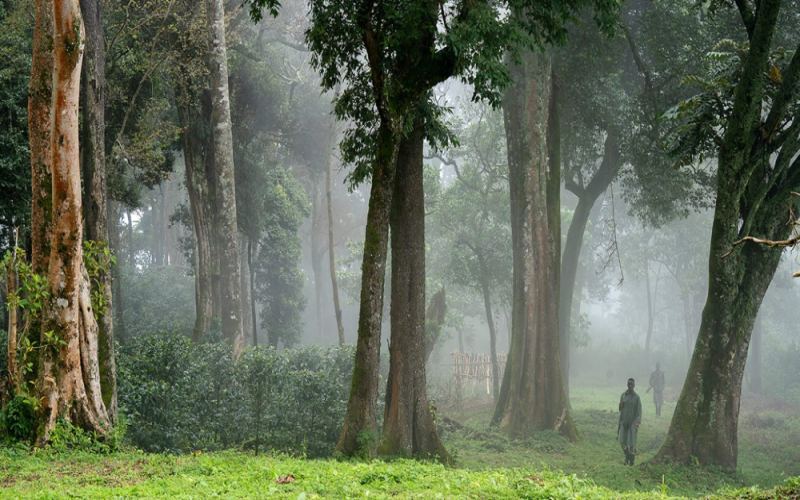
Geisha coffee has always been most renowned for its Panama origins, and Front Street Coffee's Emerald Estate Red Label and Green Label Geisha are classic choices, but their high prices deter many enthusiasts. At this point, Front Street Coffee's Granja Estate Geisha from Ethiopia offers a cost-effective alternative, combining bright fruit acidity with guava flavors. And when it comes to the origins of Geisha, one cannot fail to mention Gesha Village—this large farm located in southwestern Ethiopia that cultivates only the Geisha variety once set an African bean auction record at $85 per pound. This article will guide you through the rise of Gesha Village, its connection to Panama Geisha, and its remarkable performance in the 2017 international auction. [more…]
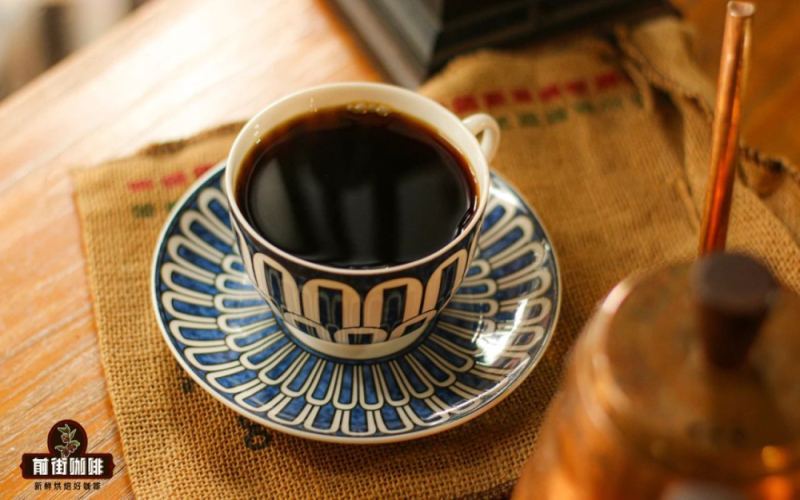
Pointed Bourbon: A Rare Naturally Low-Caffeine Coffee Variety, Full Analysis of Flavor and History
Bourbon Pointu is a rare coffee variety with a natural caffeine content of only 0.5%, named for its narrow, elongated beans with pointed ends. It is naturally low in caffeine due to genetic degradation and has outstanding flavor, but its yield is extremely low and it is susceptible to leaf rust and black spot disease, having once become extinct. In the 18th century, it was highly praised by Louis XV and Balzac, but later disappeared due to disasters, and was only rediscovered and revived in 2001. At the 2018 World Coffee Brewing Championship, Swiss competitor Emi Fukahori won the championship using it, proving its exceptional quality. This article will introduce in detail the characteristics, history, flavor of Bourbon Pointu, and Front Street Coffee's brewing parameters. [more…]
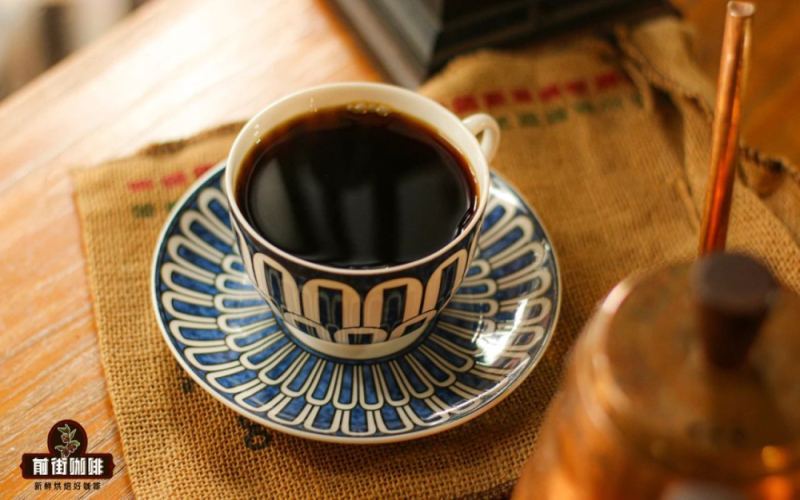
What is Laurina Pointed Bourbon Coffee? The Near-Extinction and Revival of a Naturally Low-Caffeine Variety, and a Flavor Analysis
In the coffee world, low caffeine often means artificial processing, but nature has given us an exception—Laurina, academically known as Coffea Laurina. Due to genetic degeneration, this variety naturally contains only 0.5% caffeine content and has outstanding flavor, yet it is rare and expensive because of its extremely low yield. It once swept across Europe in the 18th century, with even King Louis XV of France and the literary giant Balzac among its devotees, but it nearly became extinct due to disasters such as hurricanes and pests and diseases. It was not until Yoshiteru Kawashima of Ueshima Coffee in Japan spent years searching that this legendary variety was revived. This article will introduce the origin, extinction, and revival story of Laurina, as well as the brewing parameters and flavor performance tested by Front Street Coffee. [more…]
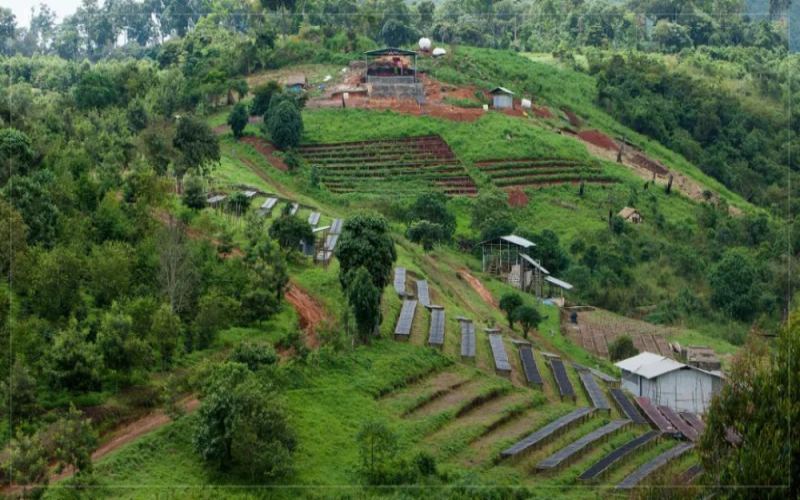
Exploring the Origins of Ethiopia's Gesha Village Estate: Did the Geisha Variety Originate in This Primitive Forest?
Geisha coffee is now popular all over the world, but where exactly are its roots? Gesha Village Coffee Estate in Ethiopia was co-founded by American documentary director Adam Overton and Ethiopian photographer Rachel Samuel, with the assistance of Dutch coffee professional Willem Boot, and in the Bench Maji region they found the original forest that shares the same origin as Panamanian Geisha. The estate grows only the Geisha variety and has established a strict grading system of Auction, Gold, Red, Green, and CHAKA. This article will provide a complete overview of the origins of Gesha Village Coffee Estate, its variety composition, plot divisions, and the characteristics of each grade, and will also share the cupping flavors and brewing suggestions of several Geisha coffees from Front Street Coffee. [more…]
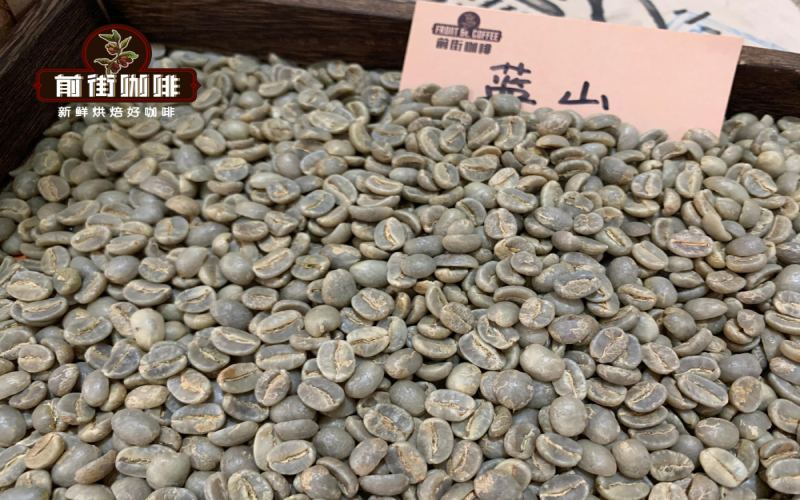
Comprehensive Guide to Green Coffee Beans: Quality Assessment, Crop Year Classification, Shipping Methods, and Storage Essentials
Green coffee beans are the starting point that determines the flavor of a cup of coffee. From color and luster to moisture content, every detail reveals the quality code of green beans; the terms "new crop," "current crop," "old crop," and "aged crop," named by harvest year, record how time shapes flavor. During transoceanic shipping, temperature and packaging methods also influence the fate of green beans—low-temperature containers, temperature-controlled storage, and vacuum aluminum foil bags are all effective means of extending good flavor. The ultimate preservation challenge points to a simple yet expensive answer: vacuum packaging followed by freezing. This article systematically organizes the complete knowledge of green beans from identification to storage, and includes practical advice from Front Street Coffee, taking you deeper into understanding this green seed. [more…]
Flavor Analysis of Panama Elida Estate Coffee Beans: Varieties, Processing Methods, and Cupping Comparison in the Boquete Region
The Boquete region of Panama has always been the golden zone for specialty coffee. Today, Front Street Coffee focuses on Elida Estate to show you what makes coffee nurtured by this high-altitude volcanic soil so unique. The article begins with the terroir conditions of the Boquete region, then traces Elida Estate's cultivation history, varietal composition, and processing methods, and combines Front Street Coffee's cupping experience to describe in detail its dry aroma, wet aroma, and overall flavor trajectory. At the same time, Front Street Coffee also compares Elida Estate with Hartmann Estate and Hacienda La Esmeralda's Diamond Mountain series, helping you more clearly understand how different processing methods and regions shape coffee flavor. [more…]

Panama BOP Champion Elida Estate Geisha Flavor Analysis: Everything You Need to Know About the Plots Under the Lamastus Family
At the 2024 Panama BOP Geisha auction, Elida Estate's natural Geisha once again set a new record with a sky-high price of $10,013 per pound, claiming the top lot. This century-old renowned estate is not reaching the summit for the first time; it is not only the first double-crown Geisha champion in BOP history, but also second only to Hacienda La Esmeralda in number of wins. Elida Estate was founded in 1918 and has now been passed down to the fourth generation of the Lamastus family. In addition to Elida, the family also owns well-known plots such as El Burro Estate and Luisito Estate, and in recent years has even purchased the high-altitude El Toro Estate. Front Street Coffee cupped this champion bean this time, and it displayed the captivating flavors of pomegranate, peach, white floral notes, and black tea. This article will give you a comprehensive understanding of Elida Estate's history, plot distribution, and flavor performance. [more…]
A Complete Flavor Analysis of Panama El Burro Estate Geisha Coffee: Sun-Dried Processing and Cupping Performance of a Century-Old Famous Estate
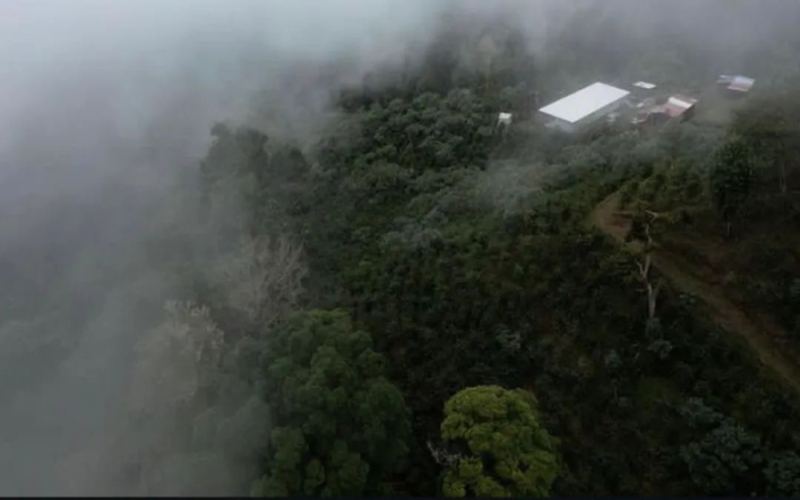
The Boquete region of Panama has nurtured many world-renowned coffee estates, and El Burro Estate is one of them, soon to enter its centennial history. The estate was founded in 1925 by French immigrant Aristides Boutet, and was later acquired and managed by the Lamastus family due to family ties. Its unique geographical location—near the Baru Volcano mountain range—gives the coffee excellent terroir conditions. The estate mainly cultivates Geisha and Catuai, and in recent years has achieved repeated success in the Best of Panama competition; in 2016, Japan's Maruyama Coffee even won the world championship with El Burro Estate Geisha. Front Street Coffee is now bringing a naturally processed El Burro Estate Geisha, using a medium-light roast, whose cupping reveals a rich layering of green grape, apricot, orange, dried longan, and floral notes intertwined. This article will take you deeper into the history, terroir, and unique flavor of El Burro Estate's Geisha. [more…]
A Complete Guide to Panama Aurora Estate Geisha: Flavor Stories of Iron Man Washed and Camilina Natural, Plus Brewing Tips
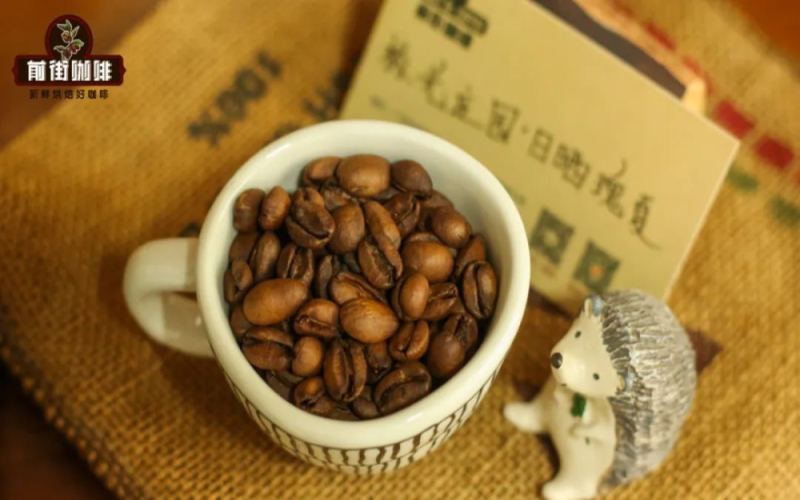
Panama's Aurora Estate is located in the Volcán region, adjacent to the Costa Rican border, and rose to fame after winning the BOP Washed category with its Ironman Geisha in 2013. Estate owner Roberto Brenes, a former central bank governor, runs the estate with a triathlete's spirit: the washed lots are named Ironman, while the natural lots take their name from his granddaughter, Carmilina. Front Street Coffee has acquired this estate's new-season Carmilina Natural Geisha, given it a medium roast, and found that pour-over brewing brings out floral notes, yellow lemon, strawberry, guava, and an oolong tea finish. This article covers the estate's background in full, the naming origins of the two Geishas, the details of the natural processing, and Front Street's recommended brewing parameters and flavor notes. [more…]
Costa Rica Aquiares Estate Coffee Bean Profile: 2017 WBC Competition Bean and Rainforest Certification Information
Located in the Turrialba region of Costa Rica, Hacienda Aquiares is one of the largest coffee plantations in the country and the birthplace of Centroamericano, the competition bean used at the 2017 World Barista Championship (WBC). Founded in the late 19th century, the estate sits on volcanic slopes between two rivers, with abundant natural water sources and a pristine forest reserve, and it obtained Rainforest Alliance certification as early as 2003/2004. The estate primarily cultivates Arabica varieties such as Caturra, Catuai, and Catimor, employs washed processing combined with sun-drying and mechanical drying, and produces approximately 15,000 bags annually. Its coffee is known for flavors of nuts, caramel, plum, chocolate, and a sucrose-cream finish, with bright fruit acidity and a smooth body. Front Street Coffee has specially compiled complete estate information to give you an in-depth look at the terroir story behind this WBC competition bean. [more…]
A Complete Analysis of Panama Coffee Origins, Varieties, and Flavors: An Introduction to Boquete and Other Specialty Estates
Although Panama is a small country, it occupies a pivotal position in the world of specialty coffee. Its high-altitude areas in the western province of Chiriquí give rise to top-tier beans sought after by coffee lovers worldwide. From Boquete to the surroundings of Volcán Barú, a group of star estates, relying on unique microclimates and relentless research, have repeatedly broken cupping records. This article will systematically review Panama's main coffee-producing regions, common varieties, and processing methods, and introduce one by one the flavor characteristics and background stories of representative estates such as Hacienda La Esmeralda, Elida Estate, and Carmen Estate, helping readers gain a comprehensive understanding of the coffee charm of this "Valley of the Moon." [more…]

Panama Elida Estate Natural Geisha Pour-Over Tutorial: A Complete Analysis from BOP Champion Estate to Cup Flavor
As a representative of Panamanian specialty coffee, Elida Estate has won numerous awards in the Best of Panama (BOP) competition in recent years, with its washed and natural Geisha each taking first place in their respective categories. This article takes you deep into Elida Estate's terroir, lot management, and the sources of its unique flavors, and shares in detail the pour-over parameters and step-by-step method for Front Street Coffee's Elida Estate Natural Geisha. At the same time, we will also introduce two coffees from the estate, Catuai and Typica, so you can experience the diverse charm of a champion estate at once. Whether you are a seasoned enthusiast or a beginner pour-over brewer, you can gain practical brewing ideas from it. [more…]
Panama Elida Estate Natural Geisha Auction Lot: A Full Flavor Analysis of the 2017 Best of Panama Award-Winning Estate
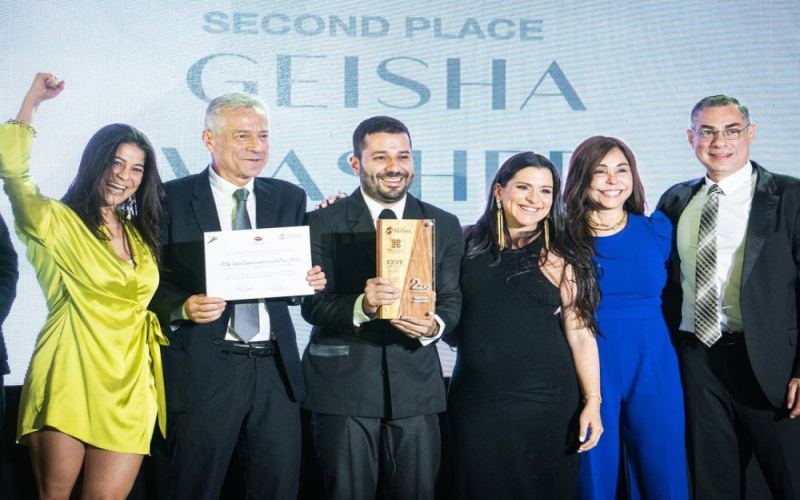
In the Boquete production region of Panama, there is a legendary estate named after the estate owner's wife—Elida Estate. Since its founding by Robert Lamastus in 1918, four generations of the Lamastus family have remained committed to the cultivation and production of high-quality coffee, and today they have even expanded their holdings to the family's fifth estate, Trompo Estate. In 2017, Elida Estate's Geisha Natural competition lot won the Best of Panama award, and Front Street Coffee conducted a cupping immediately after completing the roast. This coffee displays rich layers of pomegranate, peach, white floral notes, grape, and black tea, with extremely high sweetness, rounded acidity, a silky mouthfeel, and a pronounced tea-like finish. As the temperature changes, the flavor transitions from peach sweetness to apricot, and the juicy quality becomes increasingly full. This article will take you deeper into the history and heritage of this century-old estate and the complete flavor expression of this competition lot. [more…]