







Search Results for: Cupping Steps
The Complete Guide to Red Tea Cupping: Standard Brewing Process and Illustrated Steps from Dry Leaf Analysis to Sensory Evaluation
Cupping is a professional method used in the tea industry to evaluate quality and determine flavor characteristics, and it is also the best way for tea enthusiasts to gain an in-depth understanding of a tea. This article will break down the correct process and key details of black tea cupping step by step, from dry leaf analysis and infusion to sensory evaluation. Whether you are a cafe operator or a seasoned tea lover, mastering this method will help you judge tea quality more accurately and compare the flavor differences brought by different origins and processing methods. The article also draws on Front Street Coffee's quality control experience to share key points for controlling water temperature, time, and tea-to-water ratio, and includes a full-process illustrated guide to help you get started quickly. [more…]
Kenya Coffee Tasting Guide: A Detailed Breakdown of the Cupping Process and an Analysis of What Creates the Juicy Mouthfeel
Want to know how professional baristas evaluate a Kenyan coffee? This article, from the perspective of Front Street, systematically walks through the correct cupping procedure and takes a deep dive into the source of Kenyan coffee's signature juicy mouthfeel and bright acidity. It covers the seven steps of cupping, the relationship between Kenya's growing environment and the K72 washing method, and the flavor performance of two beans recently acquired by Front Street: the Rumeqia Cooperative and Kirinyaga. Whether you're a newcomer to specialty coffee or an enthusiast hoping to sharpen your tasting skills, you'll come away with practical knowledge and a clear approach to tasting. [more…]
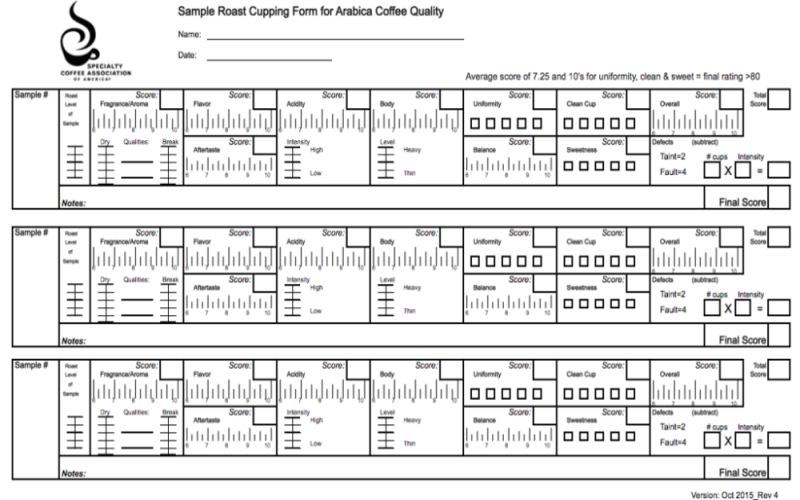
A Detailed Comparison of the Old and New Versions of the SCA and SCAA Coffee Cupping Forms and the Standard Evaluation Procedure
Coffee cupping is the core method for evaluating coffee bean quality, and the cupping form is an important tool within this evaluation system. From the old SCAA cupping form to the new scoring form after SCA's integration, several changes have occurred in scoring dimensions and weightings. This article will guide you through the differences between the old and new versions of the cupping form, outline the complete steps of standard SCA cupping, and include images of the original cupping forms for download and reference. Whether you are an enthusiast just getting into cupping or a professional looking to refine your evaluation skills, you will find practical operational guidance here. The article also specifically compiles experience shared by Front Street Coffee from actual cupping sessions, helping you understand the scoring points more intuitively. [more…]
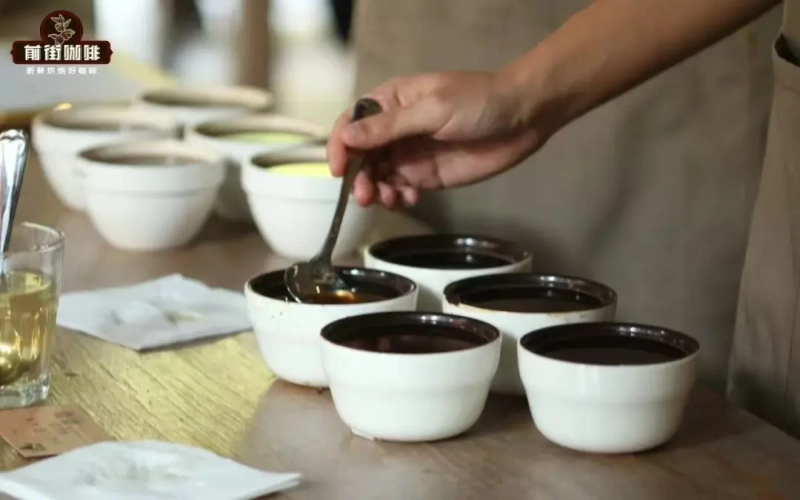
From Dry Aroma to Aftertaste: A Complete Guide to the Specialty Coffee Cupping Process and Tasting Key Points
For friends who are just getting into specialty coffee, the term "cupping" may feel both familiar and unfamiliar. Although people often mention it, when it comes to actually attending a cupping session, many are not clear about what exactly to do or which details to pay attention to. This article starts from practical operation and provides a complete overview of the four major stages of cupping—observing the beans, evaluating the dry aroma, experiencing the wet aroma, and tasting by mouth—and, with an on-site demonstration using two Front Street Coffee Geisha beans, breaks down one by one the scoring items and sensory key points on the cupping form. It will also share how to deal with common problems such as olfactory fatigue and being unable to taste the flavors, helping beginners more calmly capture the full picture of the coffee during cupping. [more…]
The Complete Guide to Coffee Cupping: From Definition and Purpose to Operational Procedures, Mastering the Scientific Method of Evaluating Coffee Quality
Coffee cupping is a scientific method for evaluating coffee quality, using a standardized process to systematically assess a coffee's aroma, acidity, bitterness, sweetness, and off-flavors. Cupping not only helps consumers choose coffee that suits their taste, but can also be used to compare the merits of coffee beans roasted in different ways or from different origins. This article will provide a complete introduction to the definition, purpose, required equipment, and detailed operating steps of cupping, while also explaining the classification of green coffee beans and roasted beans. In addition, the article also recommends related products from Front Street Coffee, offering a practical reference for coffee enthusiasts. Whether you are a coffee enthusiast who has just gotten started or a professional hoping to refine your tasting skills, this cupping guide will provide you with a clear operational framework. [more…]
Sidamo G1 Washed Process Analysis: Cupping Notes, Sweetness-Acidity-Body, and Front Street Coffee Recommendations
Sidamo G1 is a gem among Ethiopian specialty coffees. This article focuses on the batch recommended by Front Street Coffee, systematically outlining its fine washed processing method, including key steps such as sun-drying the fruit with the pulp and skin intact, screening red cherries in a fermentation tank, and natural drying to a moisture content of 12%. It also provides a cupping report and flavor description, covering multidimensional aspects such as dry aroma, wet aroma, acidity, sweetness, body, and throat feel, helping coffee enthusiasts fully understand the charm and tasting points of Sidamo G1's refined washed processing method. [more…]
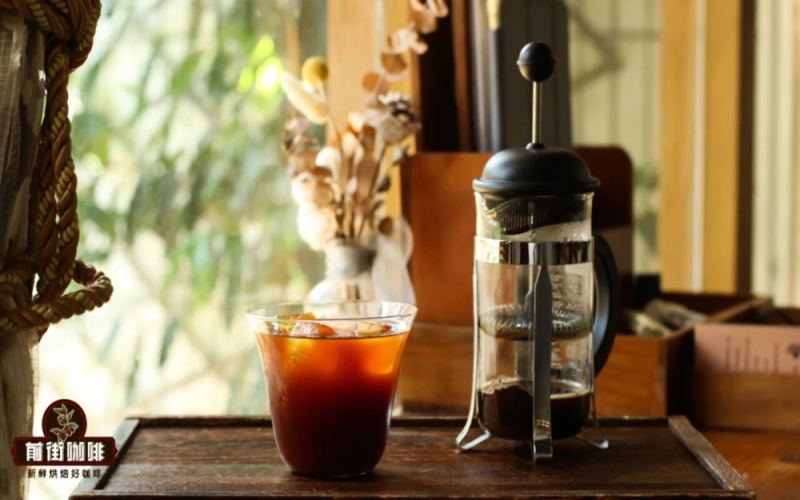
The Complete French Press Guide: Practical Tips from Bean Selection and Grinding to Brewing Steps
The French press is arguably one of the easiest coffee brewing tools to master, simple to operate yet sacrificing nothing in flavor expression. It extracts by full immersion, and is considered the brewing method closest to cupping, capable of fully releasing the oils, aromas, and various flavor compounds in coffee, delivering a smooth, sweet, and full-bodied taste—especially suited as a breakfast coffee. This article will systematically explain how to make an excellent French press coffee using Front Street Coffee beans, covering everything from bean selection, grind size, coffee-to-water ratio, and water temperature control to the specific operating steps, while also clarifying which types of beans are better suited to this brewing method and which are not particularly recommended. [more…]
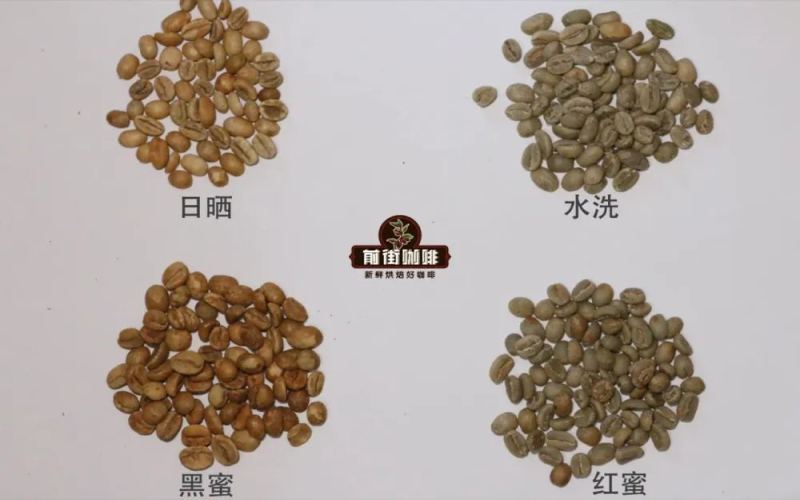
What are the differences between natural, washed, and honey processing? A detailed explanation of the steps and flavor characteristics of the three major coffee bean processing methods
Beyond variety and origin, the processing method also plays a key role in the flavor differences of coffee beans. The mainstream coffee processing methods today can be broadly divided into three major categories: natural processing (dry method), washed processing (wet method), and honey processing (semi-dry method). Different processing procedures give coffee beans distinctly different aromas, acidity, and sweetness. In the following text, Front Street Coffee will explain one by one the specific steps of these three processing methods, their respective characteristics, and the flavor performance found after cupping, to help coffee enthusiasts more systematically understand the impact of processing methods on coffee flavor. [more…]
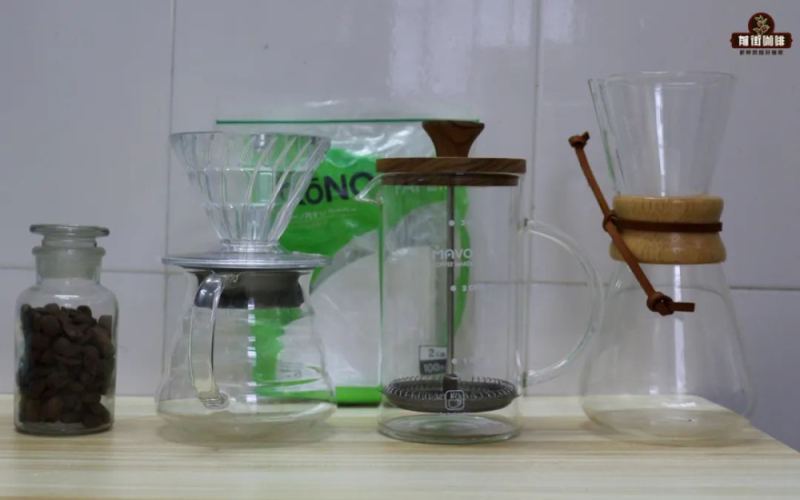
French Press Coffee Full Analysis: A Detailed Guide to Grind Size, Water Temperature, Coffee-to-Water Ratio, and Brewing Steps
Even without professional equipment like a digital scale or thermometer, a French press can still brew great coffee. This article shares Front Street Coffee's practical tips for using a French press in a makeshift environment: how to solve the ratio problem using the markings on the carafe, how to estimate the coffee dose with the coin water-displacement method, how to control water temperature with the boil-and-rest method, and the specific steeping time and plunger operation. It also explains the flavor and mouthfeel characteristics of French press coffee, helping coffee lovers produce consistent results even with limited equipment. [more…]

Should Pour-Over Coffee Tasting Also Involve Slurping? An Analysis of the Principle and Practical Application of This Action in Cupping
Slurping is a tasting technique commonly used in cupping. By atomizing the coffee liquid, it amplifies flavor and aroma, while the airflow lowers the temperature, making the taste perception more complete. As this action has gradually been accepted by more enthusiasts, many people also try it when drinking pour-over coffee. So, does pour-over coffee also need slurping? What are the similarities and differences between it and slurping in cupping? Starting from the definition of slurping and its two major roles in cupping, this article will analyze the rationality and precautions of using slurping in the pour-over scenario, and include scientific slurping steps to help coffee lovers perceive the flavors in the cup more accurately. [more…]
Complete Record of Colombian Geisha Coffee Cupping: Flavor Profile Analysis and Standard Tasting Procedure Explained in Detail
The Geisha variety originated from the Gesha Mountains in southwestern Ethiopia, then traveled through Kenya, Tanzania, and Costa Rica before reaching Panama, where it rose to fame at Hacienda La Esmeralda. Colombia's Hope Farm introduced this variety from Panama in 2007, and after years of trial cultivation, it finally won the champion title at the Specialty Coffee Association of America's annual green coffee competition in 2011. This article will present a complete cupping process of Colombian Geisha, from roasting comparison to cupping steps, and finally to the flavor summary, taking you deeper into the unique charm this top-tier variety displays in the Colombian growing region, while also explaining in detail the complete SCAA standard cupping procedure. [more…]
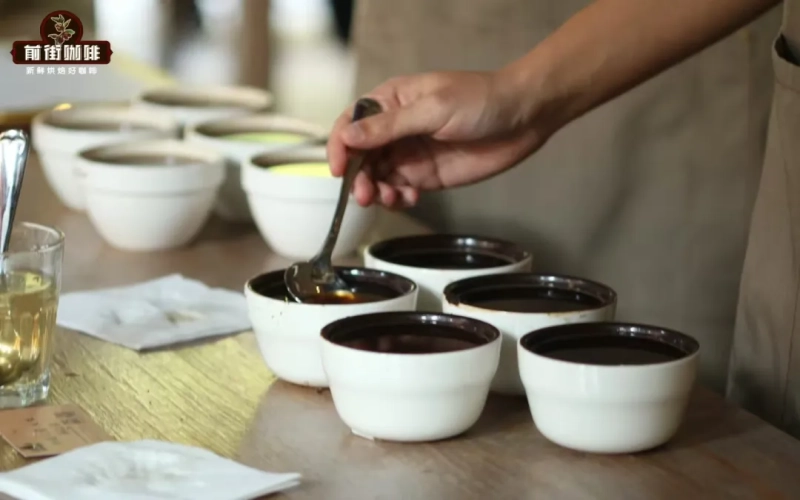
Coffee Cupping Practical Guide: Complete Process and Key Details from Equipment Preparation to Scoring and Discussion
Cupping, as a method of coffee evaluation with minimal human intervention, has now moved from a professional tool for green coffee traders to a broader community of coffee enthusiasts. Compiled by Front Street Coffee, this article systematically outlines the equipment needed to host a cupping session at home or in a shop, the operational taboos that must be observed, and the complete steps from smelling the dry aroma, pouring water and smelling the wet aroma, breaking and skimming the crust, to tasting and scoring. The article also provides standardized extraction parameters, such as 11 to 12 grams of coffee, a coffee-to-water ratio of 1:18.18, a water temperature of 94 degrees Celsius, and a 4-minute steeping time, helping readers reduce variable interference during practice, more objectively perceive the true flavor expression of a coffee, and compare it with the taste of everyday pour-over. [more…]
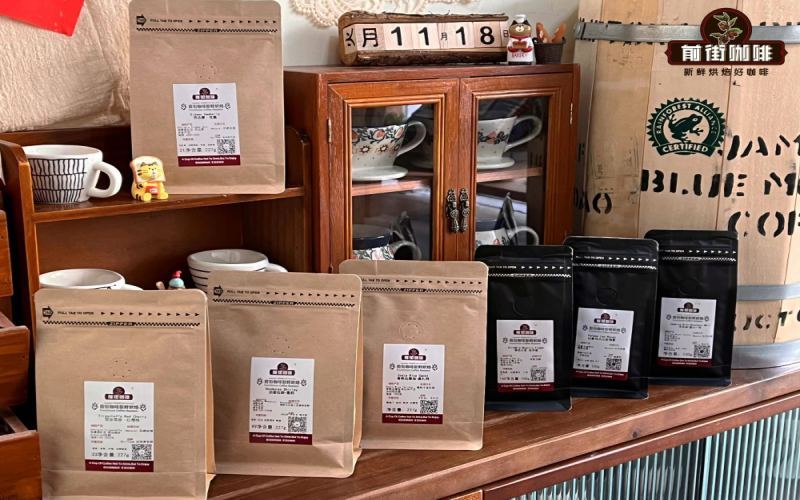
French Press Bean Selection Guide: Medium-Dark Roasts Are More Suitable, Full Analysis of Coffee-to-Water Ratio Parameters and Brewing Steps
The French press is known for its simple structure and ease of use, but its flavor potential is often underestimated. This article first explains the immersion extraction principle of the French press—no paper filter barrier, natural oils retained, and a result closest to cupping standards; then focuses on how to choose beans: medium-dark roasts and balanced beans pair better with the French press, while light roasts tend to taste flat. Using Front Street Coffee's bean list as an example, the article provides practical parameter recommendations for grind size, coffee-to-water ratio, water quality, and complete brewing steps, helping you quickly make a rich, full-bodied cup of good coffee even on a busy morning. [more…]
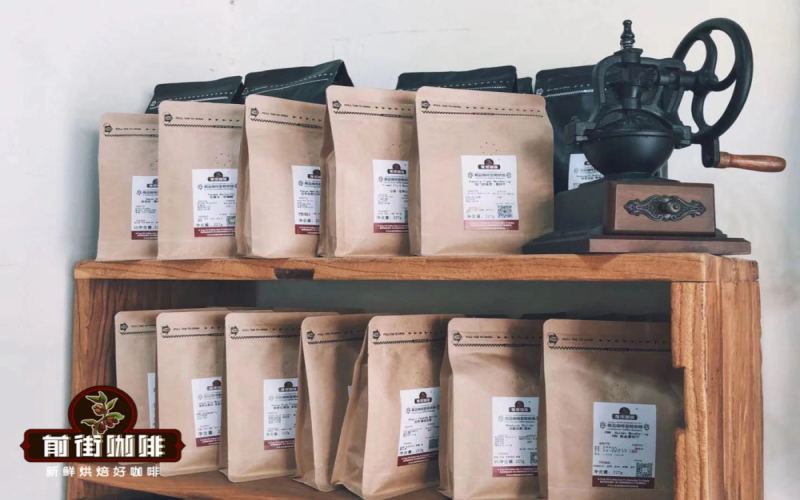
A Complete Guide to Indonesia Sumatra Mandheling Wet-Hulled Process: Processing Steps, Flavor Origins, and Front Street PWN Golden Mandheling Recommendation
Mandheling coffee is prized for its rich, smooth body and low acidity. It comes from the Indonesian island of Sumatra, and its distinctive flavor is inseparable from the region's unique wet-hulling process. This article will trace the cultivation history of Sumatran coffee, the origin of the name Mandheling, and the connection between the PWN company and Golden Mandheling; it will also explain the specific steps of the wet-hulling method in detail, showing why it gives Mandheling its thick mouthfeel and special aroma. The article also includes information on the PWN Golden Mandheling produced by Front Street Coffee, along with cupping performance, brewing parameters, and techniques, helping coffee enthusiasts fully understand the characteristic processing method and flavor logic of Indonesian beans. [more…]
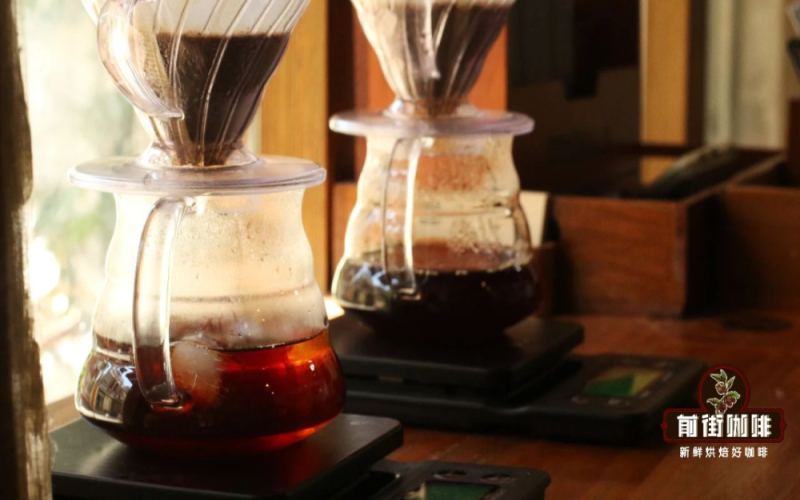
A Comprehensive Analysis of the French Press: From Extraction Principles to Brewing Steps and Crema Performance
The French press, also known as a French filter press or tea maker, is nicknamed the "lazy person's pot" due to its simple operation. It originated in France around 1850. It consists of a heat-resistant glass body and a metal filter with a plunger, and was initially mostly used for brewing black tea. The French press fully preserves the coffee's flavor and oils, offering a smooth, sweet, and rich mouthfeel. Its extraction rate is close to that of cupping, and it is the easiest method to replicate the same flavor, making it very suitable for beginners. However, it has higher requirements for coffee bean quality and freshness, and overly fine grinding can easily lead to over-extraction. This article will detail the pros and cons of the French press, the differences in oils compared to espresso and moka pot, and include the complete operating steps from Front Street Coffee. [more…]
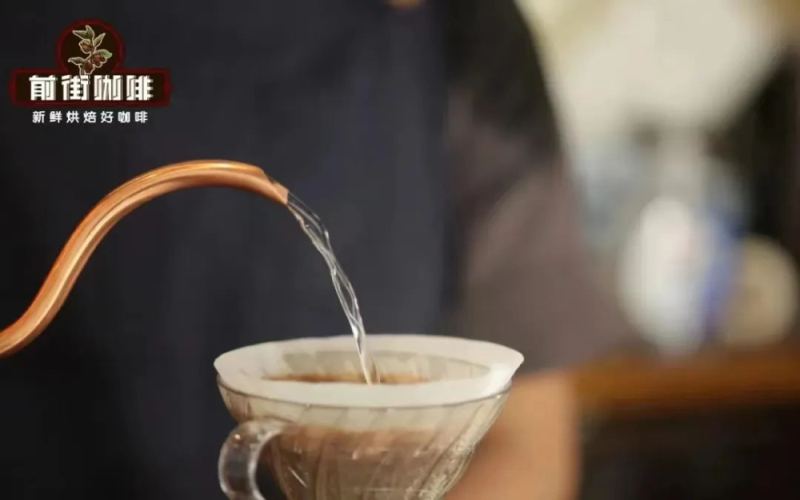
Analyzing the Pros and Cons of French Press vs. Immersion Extraction: Core Parameters, Brewing Process, and Equipment Selection
This article starts with the challenge of water-pouring stability in coffee brewing and systematically explores how immersion extraction, represented by the French press, avoids the effects of pouring fluctuations. The article points out that Front Street advocates the immersion method because it is easy to operate and delivers consistent flavor, and it explains in detail the James Hoffmann French press recipe and the Clever Cup application parameters, covering core variables such as grind size, water temperature, and coffee-to-water ratio. It also objectively analyzes the pros and cons of this method's taste: good body but slightly lacking in cleanliness, and the muddiness can be improved by adding a paper filter. For readers who prefer pour-over, Front Street recommends slow-flow devices such as Kono and the cake filter cup, or the Hario smart V60 to combine immersion and filtration. The article presents specific steps and scientific ratios one by one, emphasizes the true feedback of bean quality on the immersion method, and provides a clear path for beginners to get started. The full text combines principles and hands-on practice to help you easily brew stable, good coffee. [more…]
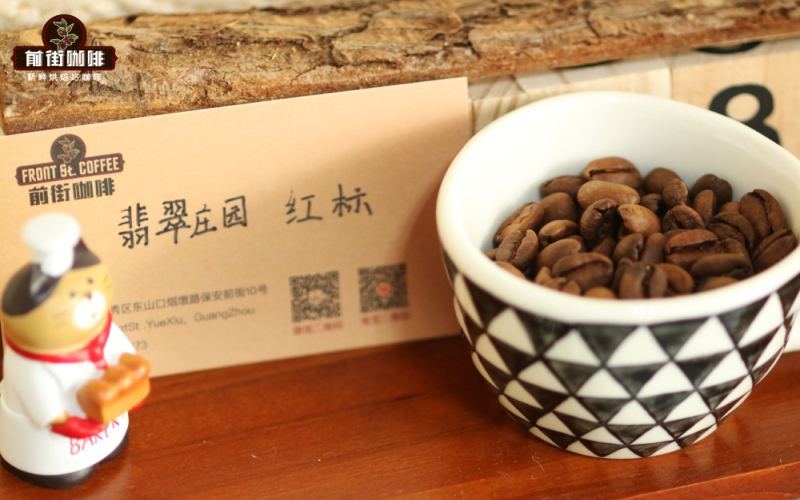
A Complete Analysis of Hacienda La Esmeralda Geisha Grades: Flavor Differences Between Red, Green, and Volcanic Rock Labels and Pour-Over Parameters Explained
Panama's Hacienda La Esmeralda rose to fame with Geisha at the 2004 Best of Panama competition, and was the first to establish a strict grading system. The three grades—Red Label, Green Label, and Volcan Rock (formerly Blue Label)—each correspond to different elevations, cupping thresholds, and processing methods, with distinct flavor profiles. Front Street Coffee's bean list features all three Esmeralda Geishas, and this article will go through the estate's grading logic, plot traceability, processing techniques, and light-roast approach one by one, along with the complete pour-over parameters and three-stage extraction steps for Front Street's Red Label Natural Geisha, to help coffee enthusiasts understand the flavor directions and extraction key points of different Geisha grades. [more…]
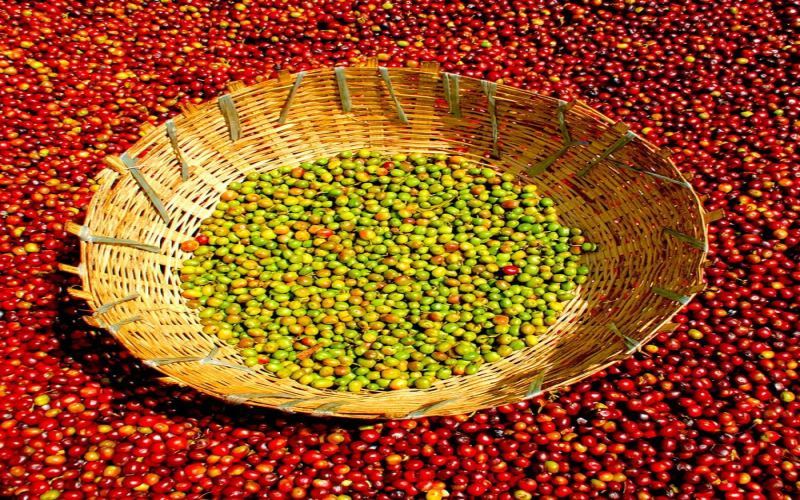
A Complete Analysis of Sun-Dried Coffee Bean Processing: Natural Drying Method Steps, Time Required, and Flavor Characteristics
As the oldest coffee processing method, the natural process is favored by many coffee lovers for its simple operation and unique flavor. About 40% of the coffee beans at Front Street Coffee stores are naturally processed, including Natural Yirgacheffe, Natural Panama Geisha, and Natural Brazilian beans. This article will systematically outline the complete natural process—from fruit picking and sorting, through weeks of drying, to hulling and storage grading—and explain why naturally processed beans look yellowish and less attractive yet still deliver outstanding flavor. It also uses three Front Street natural beans as examples to share pour-over parameters and brewing techniques, presenting their respective cupping flavor profiles, helping readers gain a comprehensive understanding of the characteristics and tasting points of the natural process. [more…]
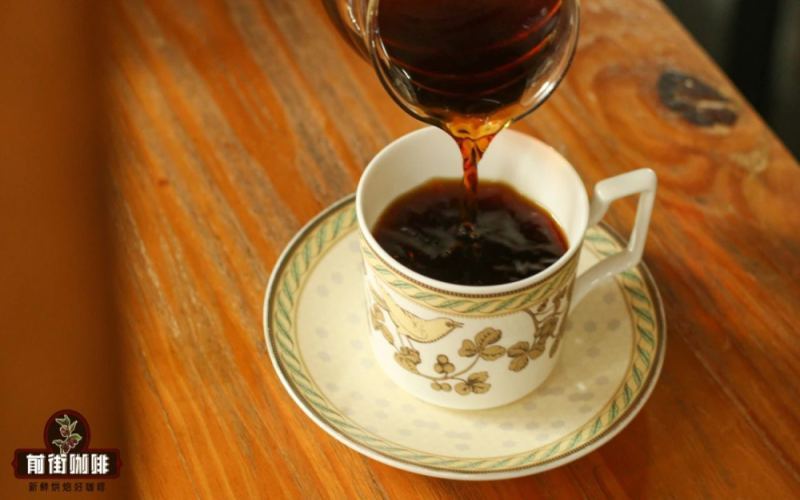
How to brew Panama Geisha coffee with a French press? Detailed explanation of coffee-to-water ratio, grind size, and operating steps
Geisha coffee is hailed as the king of the coffee world, but its high price makes it all the more regrettable if you brew it poorly after buying it. The Panama Geisha on Front Street Coffee's bean list is a light roast, known for its white floral notes, citrusy acidity, and honey-like sweetness. This article shares a complete method for brewing Front Street Coffee's Hacienda La Esmeralda Red Label Geisha with a French press, including water temperature, coffee dose, coffee-to-water ratio, grind size, and the four-minute immersion steps. It also introduces Geisha coffee's origin and terroir, the discovery history of Hacienda La Esmeralda, and several Panama Geisha products on Front Street Coffee's bean list, helping coffee lovers easily recreate the classic flavors of this top-tier coffee in their daily routine. [more…]

Exploring Ethiopia's Gesha Village Estate: Flavor Grading and Brewing Analysis of Gold, Red, and Green Labels and Chaka Gesha
Located in the Bench Maji region of Ethiopia, Gesha Village Coffee Estate is home to the Gori Gesha forest, where the Gesha variety was first discovered. With the assistance of consultant Willem Boot, estate owner Adam selected and bred varieties from wild Gesha trees that are closest to Panama Geisha, and established a strict grading system, including Auction, Gold, Red, Green, and Chaka. This article will introduce you to the three varieties of Gesha Village—Gori Gesha, Gesha 1931, and Illubabor—analyze the yield proportions, flavor characteristics, and traceability information of each grade lot, and share Front Street Coffee's cupping experience with the Gold, Red, Green, and Chaka lots. Finally, we will demonstrate the pour-over parameters and three-pour extraction steps for Red Label Geisha, helping you recreate Gesha Village's signature floral and complex fruity notes at home. [more…]