







Search Results for: Slurping

Should Pour-Over Coffee Tasting Also Involve Slurping? An Analysis of the Principle and Practical Application of This Action in Cupping
Slurping is a tasting technique commonly used in cupping. By atomizing the coffee liquid, it amplifies flavor and aroma, while the airflow lowers the temperature, making the taste perception more complete. As this action has gradually been accepted by more enthusiasts, many people also try it when drinking pour-over coffee. So, does pour-over coffee also need slurping? What are the similarities and differences between it and slurping in cupping? Starting from the definition of slurping and its two major roles in cupping, this article will analyze the rationality and precautions of using slurping in the pour-over scenario, and include scientific slurping steps to help coffee lovers perceive the flavors in the cup more accurately. [more…]

The Slurping Technique in Coffee Tasting: Principles, Procedure, and Everyday Drinking Tips
In the world of coffee tasting, there is a unique drinking method known as "slurping," in which coffee is quickly drawn into the mouth to atomize it, thereby maximizing the release of volatile aromatic compounds and allowing the taste buds and olfactory nerves to capture coffee flavors more fully. Front Street Coffee has touched on this method when sharing knowledge about coffee flavors. This article will explain in detail the techniques of slurping, the science behind it, and its practical value in cupping and everyday drinking, while also exploring whether this tasting method is suitable for ordinary coffee enthusiasts in their daily routine, along with related recommendations. [more…]

Coffee Tasting Techniques: How Slurping Helps Us Experience the Flavor of Single-Origin Pour-Over More Fully
In coffee shops, you occasionally hear someone make a peculiar sound while drinking coffee—this is actually a tasting method called "slurping." Although it may not sound elegant, it genuinely helps us capture the flavors of coffee more fully. By changing the temperature and form of the coffee as it enters the mouth, slurping atomizes the liquid and accelerates the release of aromas, while also restoring the taste buds' sensitivity at the right temperature, enabling a clearer distinction of flavor layers such as sourness, sweetness, and bitterness. This article uses Front Street Coffee's Sidra beans as an example to walk you through the specific technique and principles of slurping, helping you understand why this seemingly crude method actually lets you get a head start on experiencing the richer, more delicate flavors in coffee. [more…]

What exactly does "slurping," often mentioned by coffee insiders, refer to? And what kind of tasting method is cupping?
In coffee shops or cupping sessions, you often hear a chorus of slurping sounds, and you may see baristas take a sip before serving a cup, or even several people sharing the same cup of coffee with spoons. These behaviors, which seem quite puzzling to outsiders, all revolve around one core goal—judging coffee flavor more accurately and consistently. This article, from the perspective of Front Street, will explain one by one the meaning and function of the professional term "slurping," clarify why baristas taste the coffee before serving it, and explain why cupping and everyday sharing often involve several people drinking from the same cup. After reading, you will understand that behind these seemingly odd actions lies strict control over coffee quality. [more…]

The Correct Way to Slurp Coffee and an Analysis of Its Role in Cupping: A Comprehensive Guide from Principles to Practical Scenarios
Slurping is a common tasting action in coffee cupping. By rapidly drawing the coffee liquid into the mouth, it becomes atomized, allowing a richer array of aromas and flavors to be captured through retronasal olfaction. This article will analyze slurping from several angles: its underlying principle, specific operating methods, practical effectiveness, and whether it is necessary to perform it in a café. At the same time, the article will use an analogy to everyday soup drinking to aid understanding, and explore the potential impact on mouthfeel and the social awkwardness that slurping may cause in a quiet café. Whether you are a beginner just getting into coffee or an enthusiast looking to refine your tasting skills, you will find practical reference here. [more…]
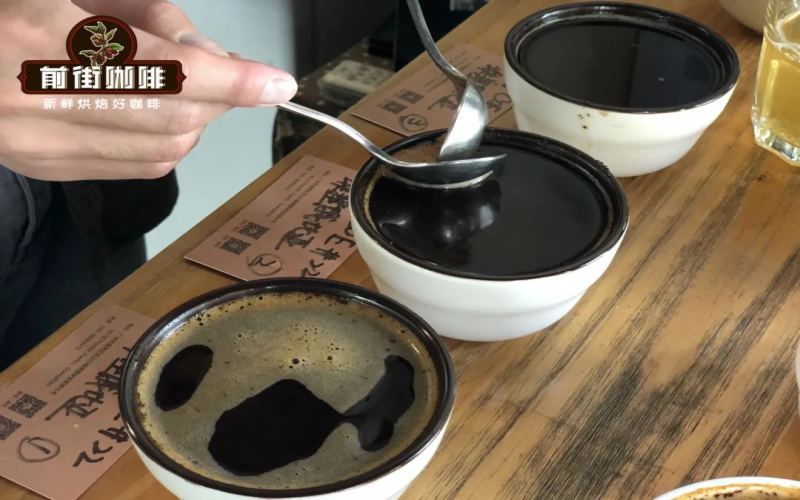
Cupping Slurp
Cupping is one of the core tasks of coffee industry professionals, and it is a way to help people evaluate coffee flavors and characteristics in a relatively fair and systematic manner. Cupping takes place throughout the entire coffee supply chain, not only at the consumer end in coffee shops, but also at the production end, including mid- and upstream roasteries and places of origin. So how do you perform a cupping? [more…]
Yirgacheffe Red Cherry Project Flavor Analysis: A Complete Tasting Guide from Dry and Wet Aroma to Slurping
The Red Cherry Project is a coffee quality improvement initiative launched in 2007 by Dutch trader Trabocca, aimed at incentivizing coffee farmers to produce high-quality micro-lot coffee and offering generous returns. This article provides a detailed analysis of the dry aroma, wet aroma, and slurping flavor characteristics of Front Street Coffee's Yirgacheffe Red Cherry Project, introduces the project's operating mechanism and quality standards, explores the unique discoveries of the Liko washing station, and reviews the classic appeal of Yirgacheffe as a representative of East African specialty coffee. [more…]
A Little Tea's "Fentiao Naiwu" Sparks Heated Discussion: Tapioca Starch Noodles in Milk Tea, a New Experience of Slurping Noodles and Sipping Milk Tea
The pace of innovation in the new-style tea beverage industry is dizzying, with new products such as light milk tea, fruit tea, flower tea, and vegetable tea emerging one after another. Recently, the veteran tea beverage brand Yidiandian launched a new product called "Fentiao Naiwu," which adds the distinctive topping fentiao (starch noodles) to an oolong milk tea base, priced at 16 yuan for a large cup, quickly sparking heated discussion among netizens. The official promotional copy bluntly says "sip milk tea while slurping noodles," and the poster even shows fentiao being picked up with chopsticks, making people exclaim that milk tea has evolved beyond recognition. This article will walk you through the features of this new product, consumer feedback, and market controversy, while Front Street Coffee also interprets for you the industry logic behind this cross-border attempt. [more…]
A Comprehensive Analysis of Professional Tea Tasting Techniques: How to Properly Use Your Tongue and Mouth to Perceive Tea's Aroma, Mouthfeel, and Aftertaste
To truly appreciate the complex layers and subtle flavors of a fine tea, ordinary brewing is far from enough—you also need a refined tasting method. This article covers everything from choosing utensils and controlling water temperature to the actual drinking motions, explaining in detail how professional tea tasters use "slurping" to let the tea fully contact the air, thereby releasing more aroma; at the same time, it teaches you how to assess the body of the tea, the changes in flavor, and the length of the finish after swallowing. The article also mentions that this slurping method is equally common in coffee cupping, and Front Street Coffee applies a similar principle when evaluating coffee beans. Whether you are a tea enthusiast just starting out or a seasoned lover, these techniques can help you experience the full pleasure that tea has to offer. [more…]
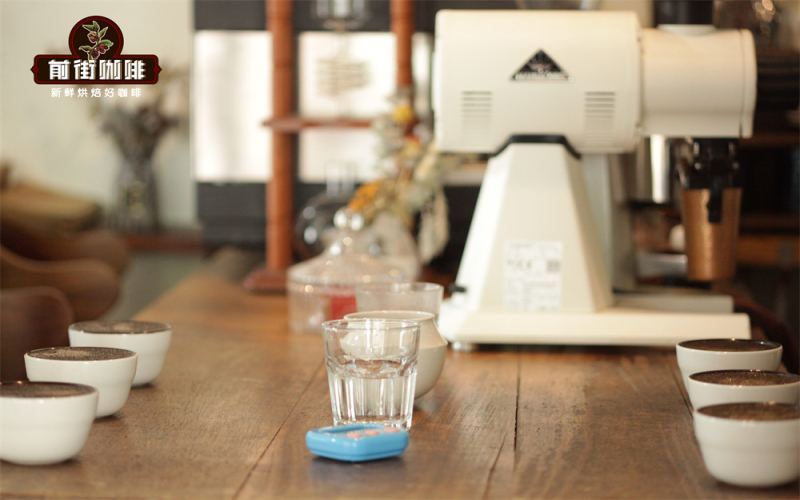
A Detailed Guide to the SCA and CoE Coffee Cupping Scoring Systems: Flavor Wheel Application and 2023 HD Wallpaper Resources
Cupping is the primary step for verifying coffee quality after roasting. By standardizing grind size, coffee-to-water ratio, water temperature, and steep time, it objectively reveals a bean's truest flavors. This article systematically outlines the purpose of cupping, the required equipment, and standard parameters, walks step by step through the complete process of pouring, smelling, breaking the crust, and slurping, and takes an in-depth look at the eight scoring categories on the CoE cupping form and how they differ from the SCA scoring system. It also compiles common descriptive terms from the flavor wheel and includes a high-resolution 2023 flavor wheel wallpaper resource, making it a handy reference for coffee enthusiasts and professionals alike. [more…]
Front Street Costa Rica Mozart Roast Log: A Comparison of Six Batches Across Two Approaches, with Brewing Recommendations
When faced with a new bean, roasters typically start by gathering origin information and the flavor descriptions provided by the green bean supplier, then gradually adjust through test roasts and cupping. Front Street Coffee Costa Rica Mozart is known for its unique raisin honey process and complex aroma. This article documents the complete roasting exploration process for this bean: first, three test roasts were conducted using a stepwise decreasing heat and extended dehydration approach, but cupping revealed the flavor was rather light; subsequently, three more roasts were done using rapid dehydration and increased heat to drive aroma, and ultimately a curve combining floral notes and fermented winey aroma was selected. The article also includes pour-over extraction parameters and brewing techniques for coffee enthusiasts' reference. [more…]
Barista Essentials: A Complete Guide to COE and SCAA Cupping Scoring Standards, from Clean Cup to Overall
If you want to become a professional barista, cupping is a core skill you can't avoid. This article systematically sorts out the scoring standards of the two major cupping systems, COE and SCAA, analyzing the scoring points and deduction rules one by one, from aroma, cleanliness, sweetness, acidity, mouthfeel, flavor, aftertaste to balance. It also explains in detail the tools needed for cupping, the coffee-to-water ratio, and the operating process, and uses [Front Street Golden Mandheling] as an example to compare the cupping performance of three roasting curves. Whether you are a coffee enthusiast or a practitioner, you can learn from it the scientific method of judging coffee quality and understand the true meaning of COE competition level. [more…]
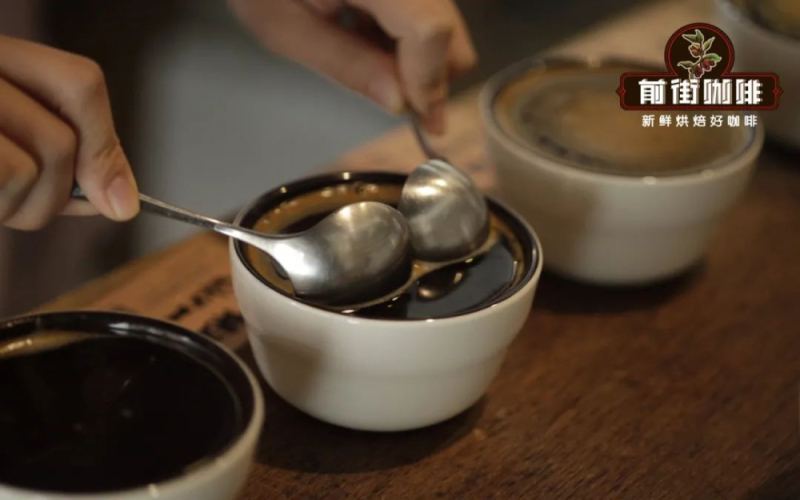
A Detailed Breakdown of the SCAA Cupping Score Sheet: Ten Dimensions from Aroma to Overall Evaluation
The SCAA cupping form is an important tool for judging quality in the specialty coffee industry. It consists of ten scoring categories, covering the complete sensory experience from dry aroma and wet aroma to overall assessment. This article explains the specific meaning and key evaluation points of each scoring dimension one by one: aroma is divided into dry aroma and wet aroma; flavor during slurping is the core basis for scoring; aftertaste measures the persistence of flavor; acidity distinguishes high-quality fruity acidity from undesirable acidity; body focuses on mouthfeel; uniformity checks whether the samples are consistent; balance assesses whether all aspects are harmonious; cleanliness is an essential threshold for specialty coffee; sweetness reflects harvest maturity and quality; and overall assessment reflects the cupper's comprehensive impression. Whether you are an enthusiast who has just encountered cupping or a professional hoping to refine your sensory skills, this item-by-item interpretation can help you understand the logic of using the SCAA cupping form more systematically. [more…]
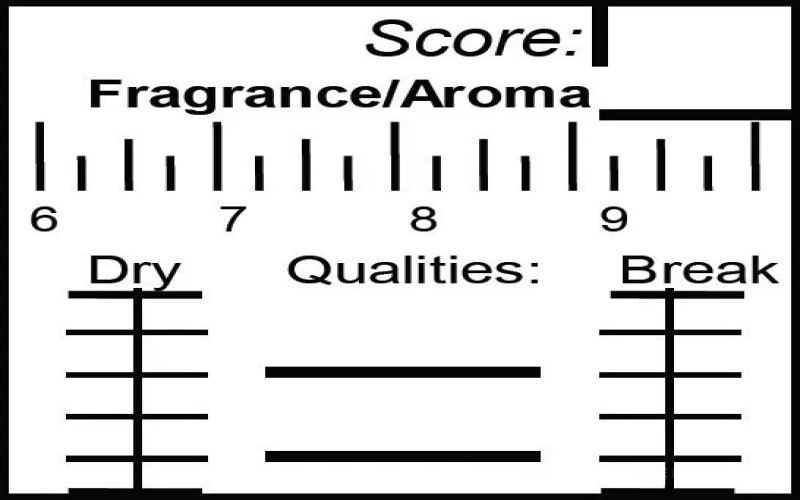
SCAA Coffee Cupping Score Sheet Guide: A Detailed Chinese Explanation of the Ten Scoring Points from Aroma to Overall Evaluation
Coffee cupping is a professional evaluation method that transforms subjective sensory experiences into quantitative data, and the SCAA cupping score sheet is the core tool of this system. This article explains the ten scoring dimensions in the sheet one by one, covering fragrance, flavor, aftertaste, acidity, body, uniformity, balance, cleanliness, sweetness, and overall score, helping coffee enthusiasts understand the scoring basis and judgment criteria for each item. Whether you are a beginner who has just encountered cupping or a professional hoping to refine your sensory skills, this detailed Chinese guide can serve as a practical reference. Front Street Coffee also provides relevant product information in the article for further understanding. [more…]
A Full Analysis of the Flavor Differences and Cup Characteristics of Washed vs. Natural Geisha Coffee
Geisha coffee is hailed as the crown jewel of the coffee world. Originating in Ethiopia, it rose to fame at Hacienda La Esmeralda in Panama. Its unique floral and fruity aroma and balanced acidity and sweetness have captivated countless coffee lovers. This article approaches the topic from the perspective of processing methods, offering a detailed comparison of how the two traditional processing methods—natural and washed—affect Geisha's flavor, and providing an in-depth analysis of Geisha coffee's sensory performance at each stage: dry aroma, wet aroma, and slurping. At the same time, the article also mentions Front Street Coffee's stringent quality selection standards for Geisha, taking you through a comprehensive appreciation of the charm of this legendary coffee bean. [more…]

How Does Coffee Bean Roast Level Affect Flavor and Mouthfeel? A Detailed Explanation of Temperature Changes and Color Value Criteria at Each Stage
The alluring flavor of coffee depends to a great extent on the physical and chemical changes that occur during roasting. From bean drop through dehydration, first crack, and second crack, every temperature node and duration shapes what ultimately ends up in the cup. In this article, Front Street Coffee will systematically walk through the temperature progression of each stage of coffee bean roasting, and, using a natural-process Yirgacheffe as an example, compare the specific flavor differences in cupping among light, medium, and medium-dark roasts, while also introducing the Agtron color value as a scientific criterion to help readers more accurately understand the correspondence between roast level and flavor. In addition, the article compiles representative beans from Front Street's lineup at different roast levels, making it easy for coffee lovers to follow the guide and find the cup that suits their taste. [more…]
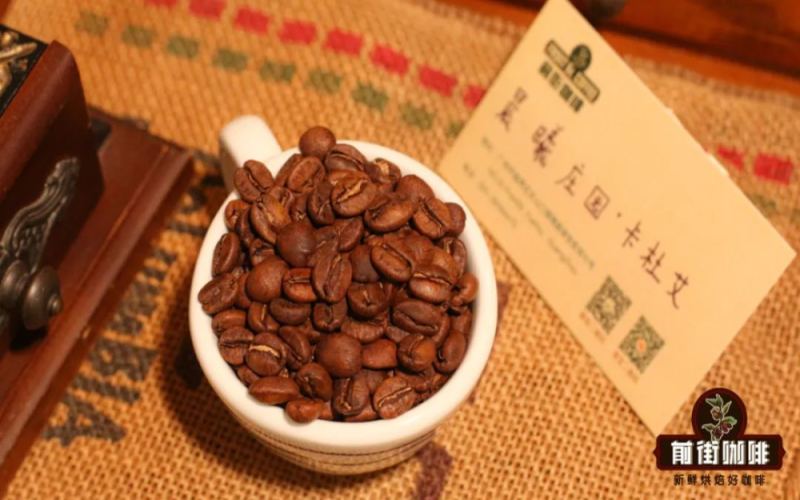
Costa Rica Dawn Estate Red Honey Catuai: Tarrazu Origin Flavor and Variety Analysis
In coffee cupping, sweetness is often the key to a higher score, and Costa Rica, with its diverse honey processing methods, has become a representative origin for high-quality sweetness. In this article, Front Street will focus on a red honey processed Catuai from Dawn Estate in the Tarrazu region of Costa Rica, breaking down everything from the estate's story, the terroir of Tarrazu, and the characteristics of the Catuai variety to the details of red honey processing. The estate is located at an altitude of 1,750 meters, surrounded by pristine green belts, and practices ecological principles through meticulous plot management. Through cupping records, we will present the sweet orange, cream, grapefruit, honey, and black tea flavors this bean displays in dry aroma and slurping, and share its flavor performance under a medium-light roast. [more…]
Yirgacheffe Gedeb Gotiti Cooperative Coffee Beans: A Complete Guide to Light Roast Flavor Analysis and Brewing Parameters
The Yirgacheffe region of Ethiopia is famous for its bright fruit acidity and elegant floral aromas, and the Gedeb Cooperative, as a specialty micro-region that split off from Worka, produces washed G1 coffee beans that combine citrus acidity with a black tea finish. Using this coffee as an example, Front Street Coffee presents the complete journey of a light-roasted Yirgacheffe from green bean to cup, covering the region's background, variety and grade, roast profile design, cupping comparisons, V60 brewing parameters, and flavor performance at different water temperatures. This article is suited for coffee enthusiasts who wish to gain a deeper understanding of the details of Ethiopian coffee origins and the logic of light-roast brewing. [more…]
Light Roast Yirgacheffe Gedeb G1 Green Bean Review: Full Analysis of Three Profiles at the Same Roast Level with Cupping and Brewing
The Yirgacheffe region in Ethiopia is renowned for its bright fruity acidity and delicate floral aromas, and its Gedeb Cooperative stands out even further with a clean tea-like body and elegant citrus notes. Front Street Coffee sourced this Yirgacheffe Gedeb washed G1 coffee bean, grown at 1,900–2,300 meters, of the heirloom small-bean variety, with a defect rate controlled to within 3 beans per 300 grams. To find the optimal roasting approach, Front Street tested three light-roast profiles on a Yangjia 800N roaster, then verified the flavor performance through cupping and multiple brewing sessions. This article presents the full process—from green bean information, regional background, and grading standards to roasting curve comparisons, cupping records, and V60 brewing parameters—to help coffee enthusiasts understand the flavor differences and brewing key points of light-roasted beans at the same roast level. [more…]

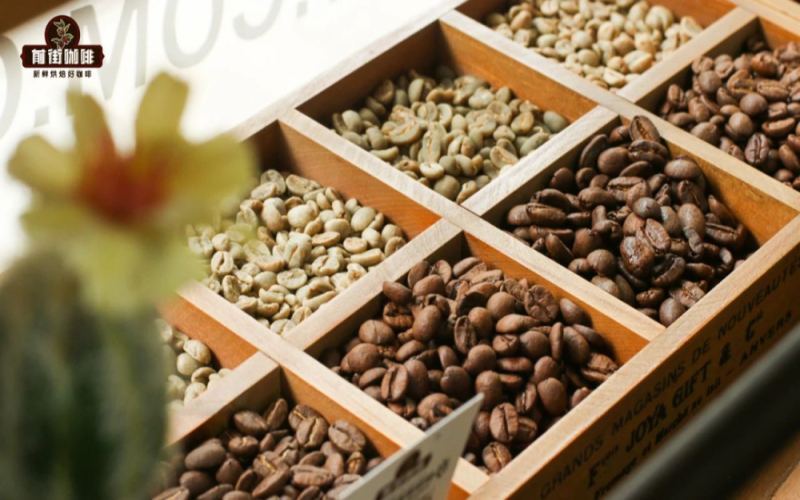
A Complete Guide to the Flavors of Costa Rican Honey-Processed Coffee: Taste Differences Between Yellow, Red, and Black Honey and Regional Characteristics
Costa Rican coffee is renowned worldwide for its rich, balanced flavor, and in recent years the widespread adoption of honey processing has allowed the country's coffee to display alluring fermented sweetness. The Front Street Coffee everyday-drinking bean series has long focused on the Costa Rican producing regions, and in addition to washed Tarrazú beans, it has also introduced a number of honey-processed coffees that are deeply loved by both new and longtime customers. This article will give you a comprehensive understanding of the characteristics of Costa Rica's seven major producing regions, offer an in-depth analysis of the principles of honey processing, and compare in detail the specific differences among yellow honey, red honey, and black honey processing in terms of green bean appearance, roasting curves, and cup profile, helping coffee lovers find the cup they love most. [more…]