








Is It Worth Inhaling Coffee During a Pour-Over Tasting?
Slurping, the fast draw of liquid that turns coffee into a mist, is standard in cupping and works just as well for pour-over. Atomizing the liquid expands its surface area, so the taste buds and retronasal olfaction pick up more aroma, and the airflow cools the coffee toward a temperature where flavors read more clearly.
Cupping relies on slurping partly because its extraction is comparatively dilute, giving tasters less intensity to work with. Slurping in cupping uses water at 94°C, still above 70°C after four minutes of steeping, which weakens perception until it cools. For pour-over, the action is reasonable but optional, and it is often described as one of the better ways to drink coffee with attention.
Slurping is a tasting action commonly used in cupping. By atomizing the coffee liquid, it amplifies flavor and aroma, while the airflow helps lower the temperature, making taste perception more complete. As this action has gradually been accepted by more enthusiasts, many people also try using it when drinking pour-over coffee. So, does pour-over coffee also need slurping? What are the similarities and differences between it and slurping in cupping? Starting from the definition of slurping and its two major roles in cupping, this article will analyze the rationality and precautions of using slurping in the pour-over scenario, and include scientific slurping steps to help coffee lovers more accurately perceive the flavors in the cup.

What is "slurping"?
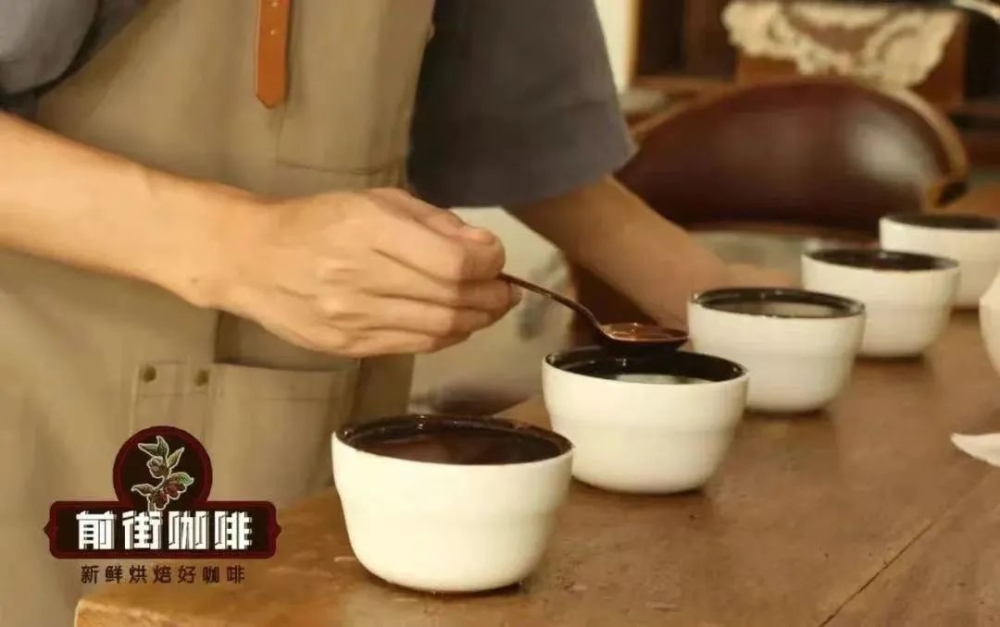
Slurping is an action of quickly drawing coffee liquid into the mouth and turning it into a mist-like form. It was initially mainly used in the cupping process because this action has two advantages that align closely with the needs of cupping. The first advantage, as mentioned earlier, is that it allows for a clearer perception of the coffee's flavor.
In order to fully present the coffee beans' own flavors, the extraction process needs to minimize interference from human techniques as much as possible. Thus, people designed "cupping" — extracting coffee with higher water temperature, coarser grinding, and a longer steeping time.
Although cupping can avoid the interference of human factors on coffee flavor, due to its relatively limited extraction efficiency, the concentration in the mouth is not as intense as that of pour-over coffee. Therefore, tasters need to use slurping to amplify the flavor, so as to more accurately identify the coffee's flavor characteristics.
When the coffee liquid becomes mist-like through slurping, its surface area increases, and its contact area with the mouth becomes broader, making odor easier for the taste buds to detect. At the same time, the atomized coffee liquid releases more aroma, and these aromas are captured by retronasal olfaction. Under the combined action of smell and taste, we can receive richer aroma information.
The second advantage is lowering the temperature.
The extraction water temperature used in cupping is 94°C. Even after four minutes of steeping, the liquid temperature will still remain above 70°C. As is well known, coffee liquid that is too hot weakens our ability to perceive taste — sourness and bitterness are suppressed at high temperatures and only become more pronounced after the temperature drops. Therefore, we need to let the air carry away some of the heat through slurping, so as to more fully experience the coffee liquid's performance.
As the action of slurping has become more widespread, more and more friends also adopt slurping when drinking pour-over coffee. This inevitably makes one wonder: does drinking pour-over also require slurping?
Does pour-over also need slurping?
Compared with cupping, pour-over brewing adds the involvement of human techniques, allowing coffee to present a better flavor performance. At the same time, after brewing is completed, the water temperature has already dropped to a temperature acceptable to the tongue, so we can perceive obvious flavors even without slurping.
However, even the most obvious flavors are still relatively difficult for beginners who have just started to perceive. So in this case, applying slurping is also a good method. However, to bring out the advantages of slurping, a scientific slurping action is essential.
How to use slurping correctly?
First, purse your lips into a narrow slit, then use a spoon or small cup to hold the coffee liquid and bring it to the edge of your lower lip. Next, slightly open your upper lip and inhale a mouthful of air forcefully, drawing both the air and the coffee liquid into your mouth. Then close your lips tightly and feel the coffee flavor in your mouth; at the same time, exhale the air remaining in your mouth through the nasal passage, carefully sensing the flavor of this air as it passes through the nasal cavity. The above is a scientific way to apply slurping.
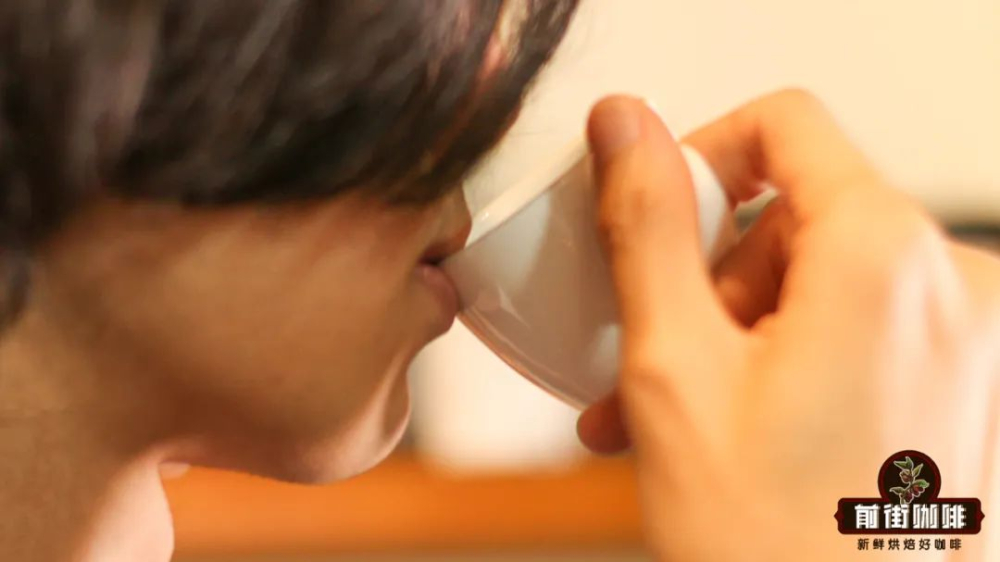
But it should be understood that slurping produces a relatively loud sound. If you are in an environment with many people, it is best to use it cautiously, otherwise you may become the most eye-catching person in the crowd. For some socially anxious friends, this is not a good thing.
- END -
The above content is compiled by CoffeeHunters, a coffee news website.


