







How Have SCAA Coffee Cupping Forms Changed Over Time?
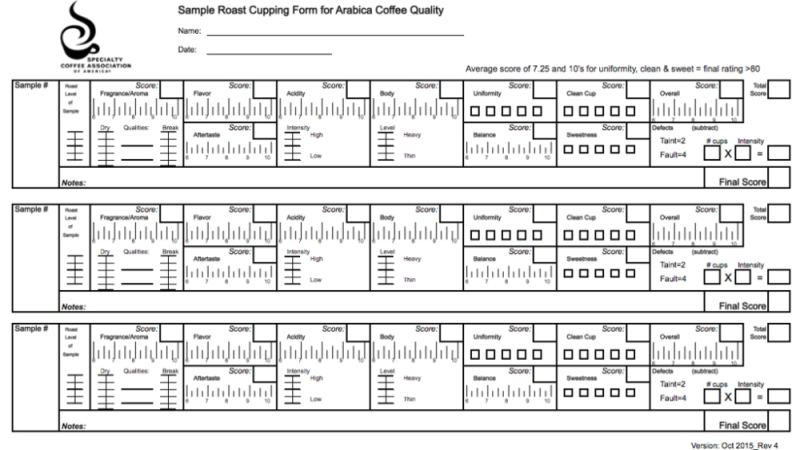
The old SCAA cupping form and the current SCA integrated scoring form share the same core dimensions, including Fragrance/Aroma, Flavor, Aftertaste, Acidity, Body, Balance, Uniformity, Clean Cup, Sweetness, and Overall, each scored on a 10-point scale and tallied for a total. The SCA version keeps those dimensions but revises terminology and makes defect deduction criteria more explicit.
The shift followed the integration of the SCAA into the SCA, which moved the coffee association of america scoring framework into a unified system. The standard cupping procedure still runs through sample preparation, dry aroma evaluation, pouring, crust breaking, and skimming. For reference, sample preparation typically uses beans rested 8 to 24 hours after roasting, ground at a set ratio before water is added.
Coffee cupping is a core method for evaluating coffee bean quality, and the cupping form is an important tool within this evaluation system. From the old SCAA cupping form to the current new SCA integrated scoring form, several changes have occurred in scoring dimensions and weightings. This article will guide you through the differences between the old and new versions of the cupping form, outline the complete steps of standard SCA cupping, and include original cupping form images for download and reference. Whether you are an enthusiast just getting started with cupping or a professional looking to refine your evaluation skills, you will find practical operational guidance here. The article also compiles Front Street Coffee's experience shared from actual cupping sessions, helping you understand scoring points more intuitively.
For professional coffee knowledge exchange and more coffee bean information, please follow Coffee Workshop (WeChat public account: cafe_style)
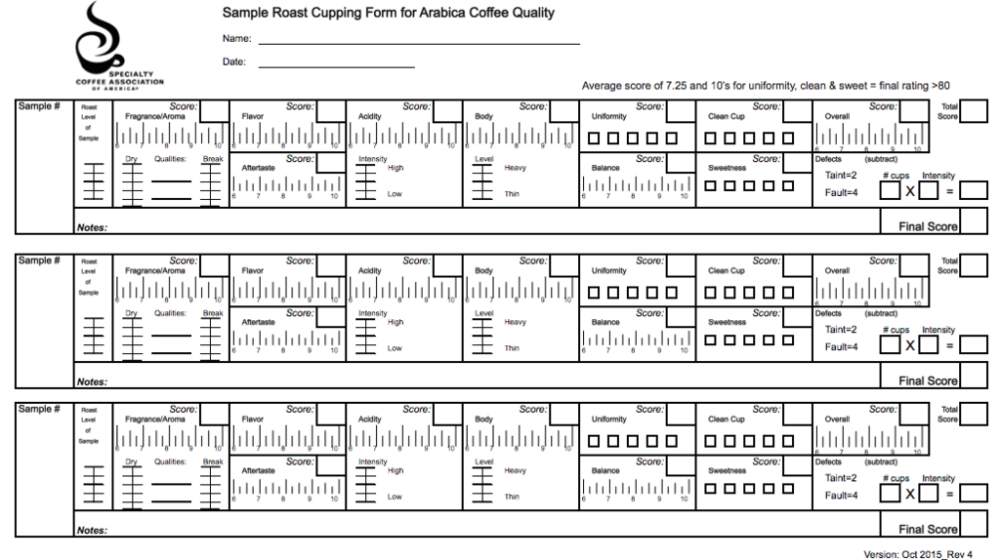
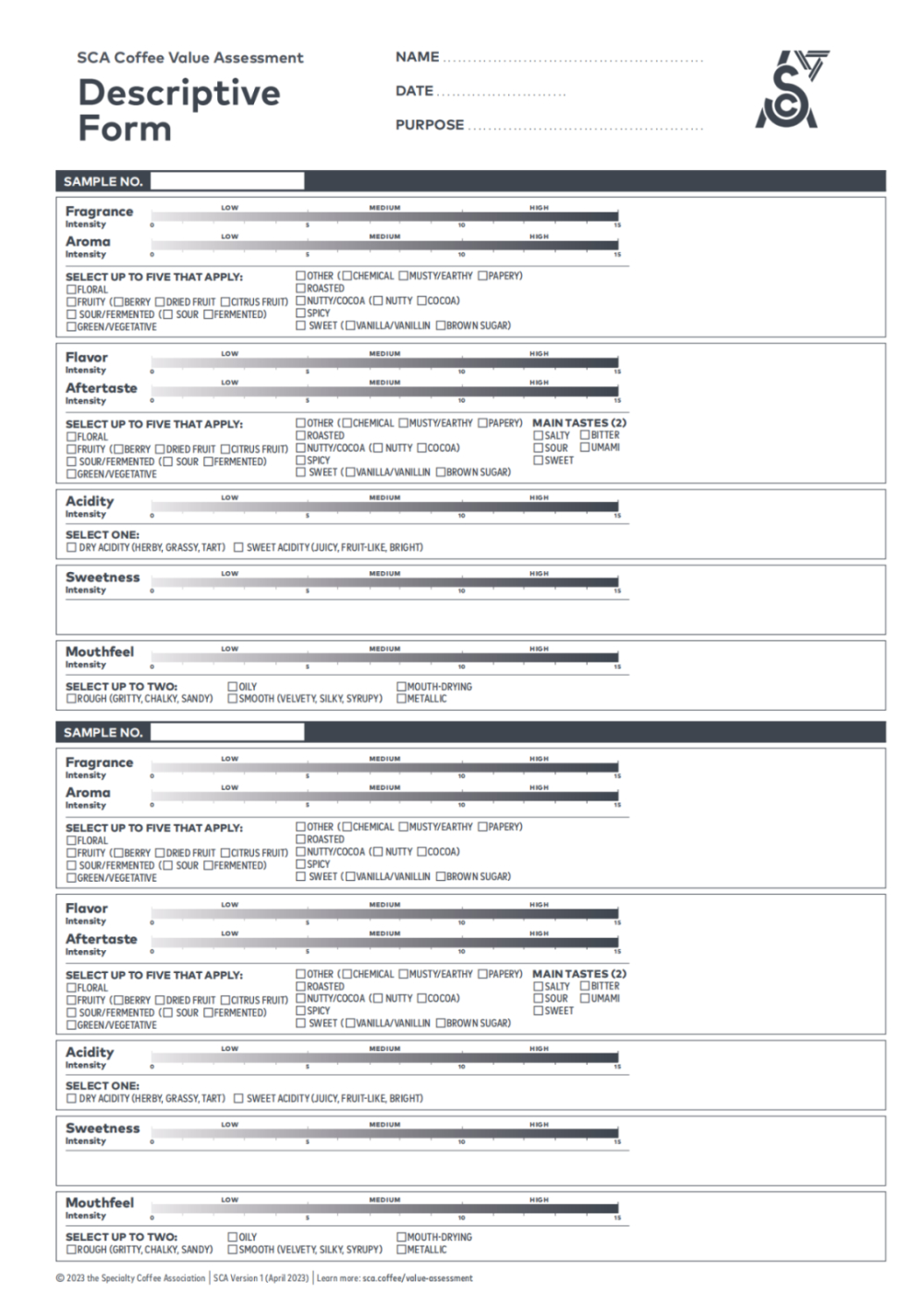
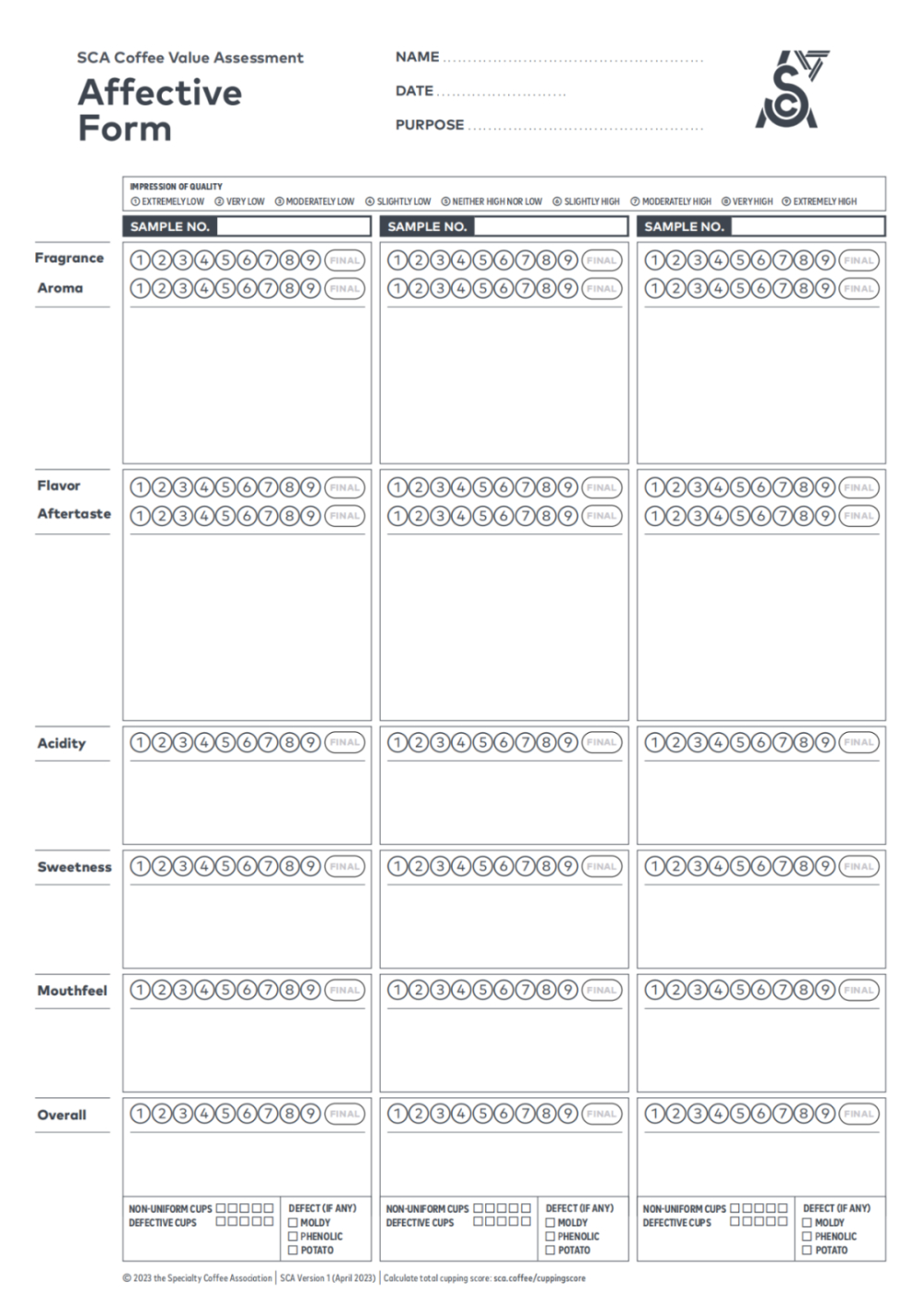
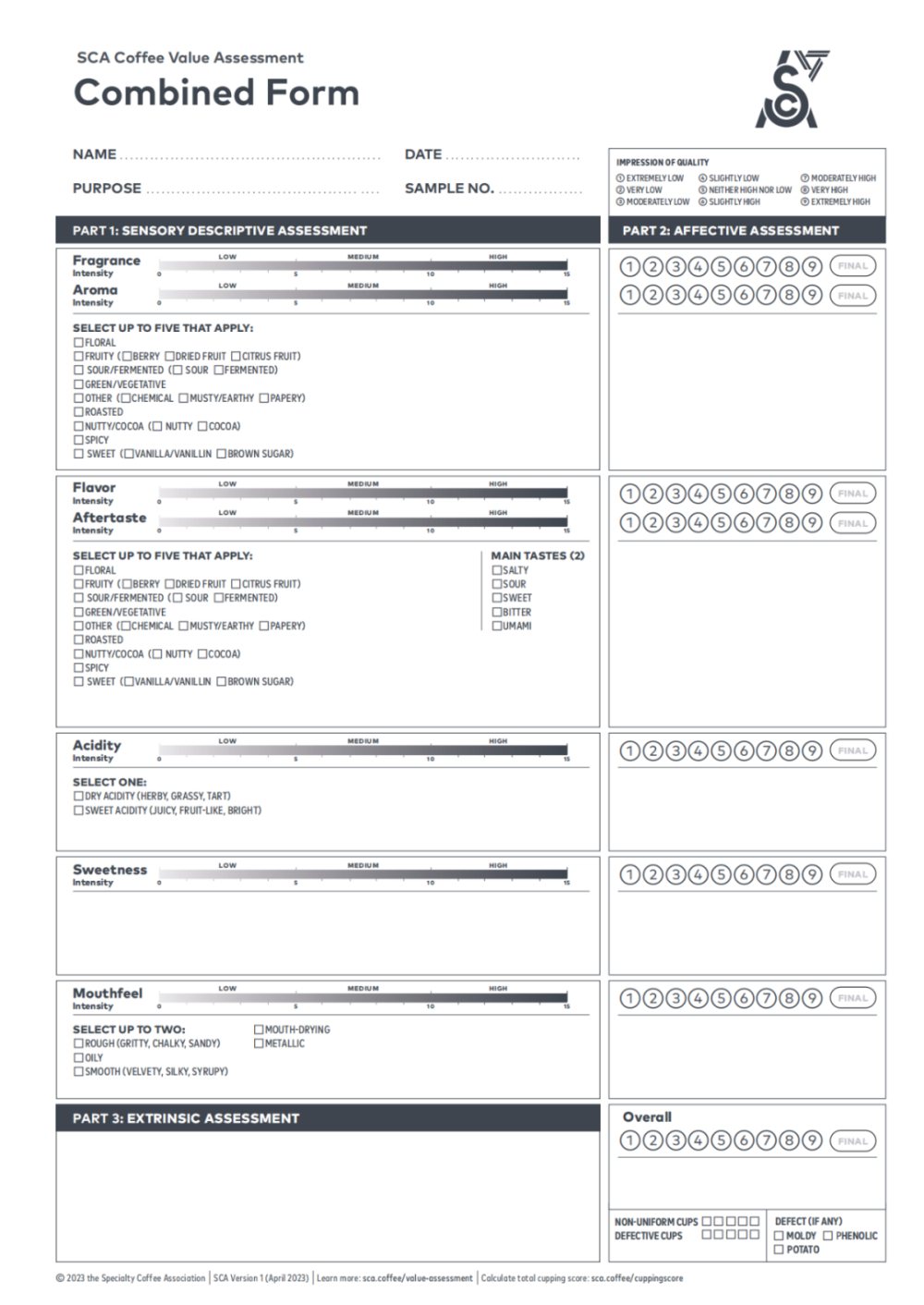
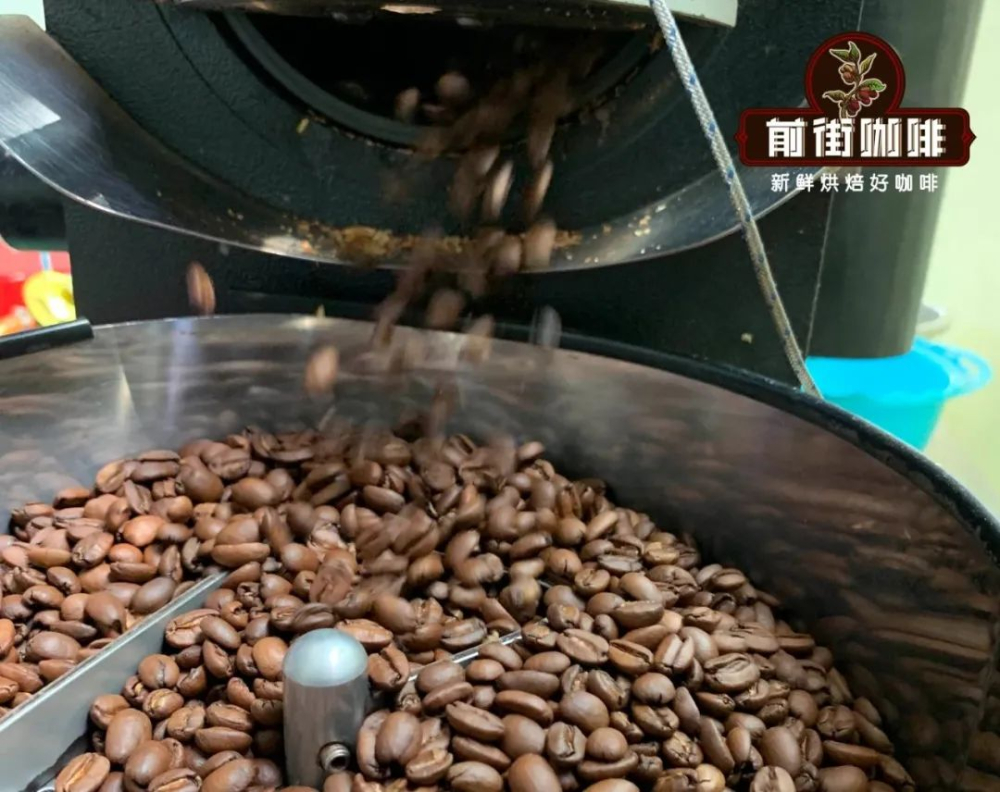
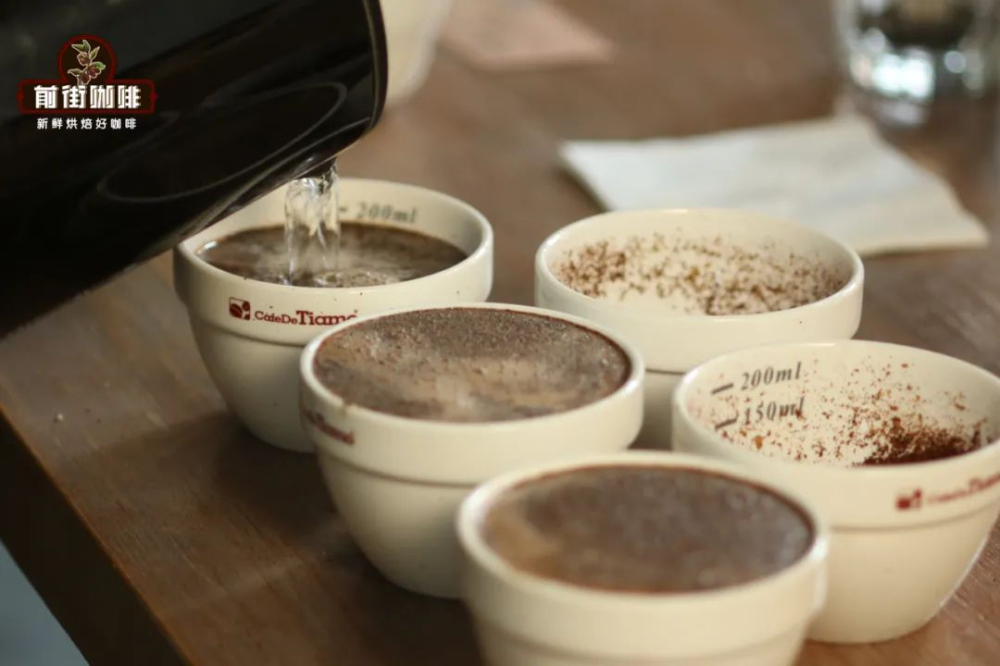
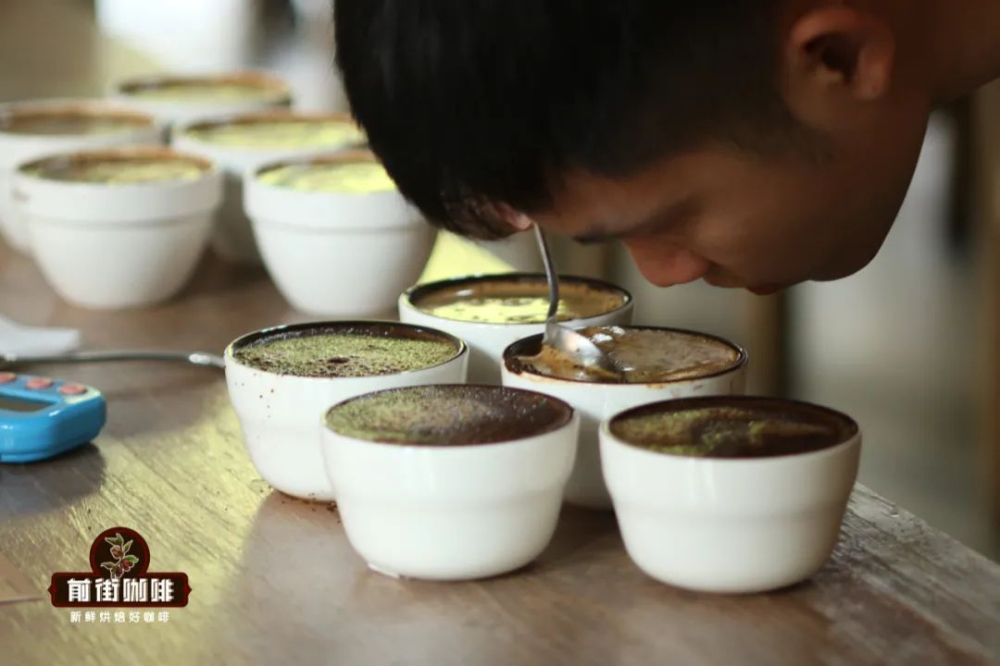
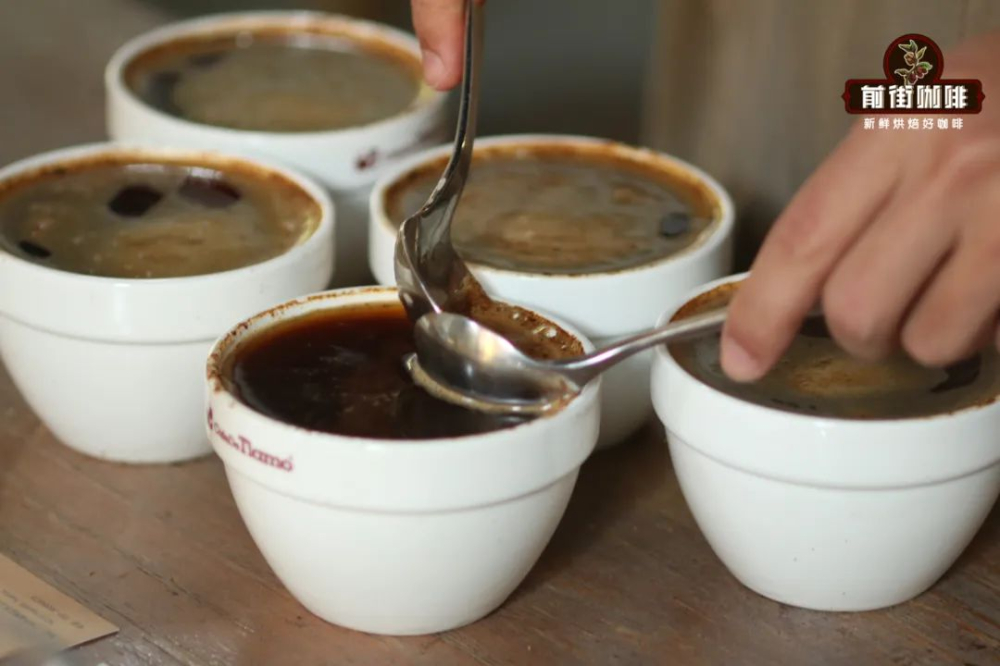
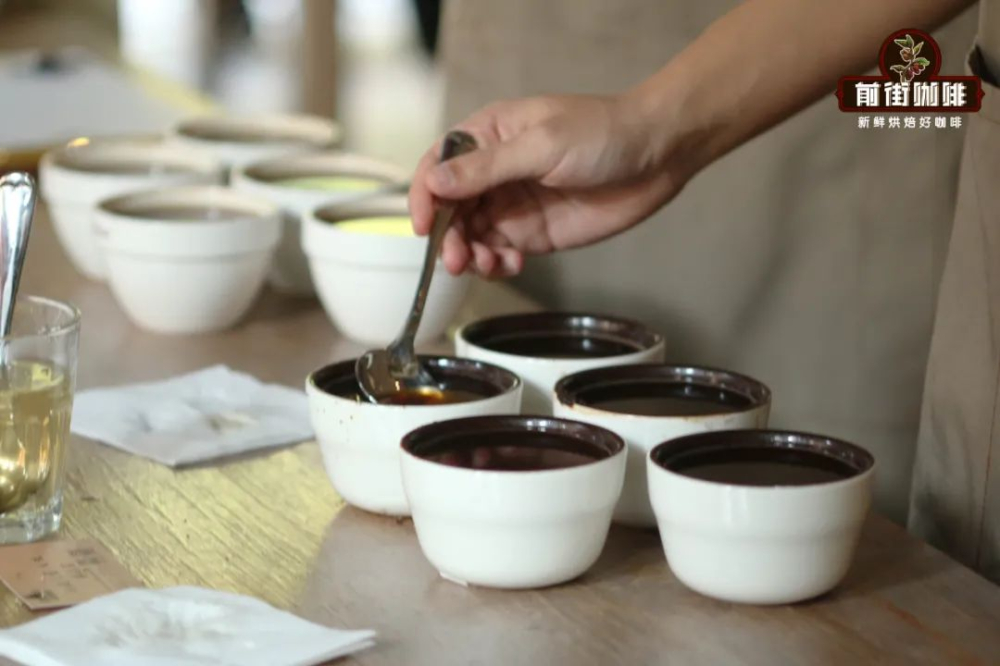
Cupping, as a widely accepted method of quality evaluation in the coffee industry, has seen its scoring system evolve through the integration from SCAA (Specialty Coffee Association of America) to SCA (Specialty Coffee Association). The old SCAA cupping form long served as the industry reference standard, while the new SCA cupping form, building on the original framework, has adjusted certain scoring items and weightings. Understanding the similarities and differences between these two versions helps to more accurately grasp the logic of coffee quality evaluation.
The old SCAA cupping form typically includes scoring items such as Fragrance/Aroma, Flavor, Aftertaste, Acidity, Body, Balance, Uniformity, Clean Cup, Sweetness, and Overall, each with its corresponding score range. Evaluation uses a 10-point scale, with scores ultimately tallied for a total. The new SCA cupping form basically retains these dimensions but has revised terminology and scoring details, for example, making the deduction criteria for certain defects more explicit.
The standard cupping process can be roughly divided into several stages: first, sample preparation, typically using coffee beans 8 to 24 hours after roasting, ground at a certain ratio; next, dry aroma evaluation, which means smelling the coffee grounds before pouring water; then pouring water for infusion, breaking the crust and skimming off the foam; after the temperature drops slightly, slurping the coffee liquid with a cupping spoon, atomizing the liquid to coat the entire palate, thereby perceiving flavor layers. Throughout the process, the cupper needs to record scores item by item and pay attention to comparing with reference samples.
In actual practice, Front Street Coffee recommends that cuppers maintain a quiet environment, avoid external odor interference, and standardize parameters such as grind size, water temperature, and coffee-to-water ratio. Front Street Coffee's commonly used cupping ratio is 8.25 grams of coffee grounds per 150 milliliters of hot water, with water temperature controlled at around 93 to 94 degrees Celsius. Additionally, Front Street Coffee reminds that cupping spoons should be cleaned and preheated in advance, and rinsed before each sampling to avoid flavor carryover affecting judgment.
For those who wish to download the original cupping forms, please refer to the images of both old and new versions of the SCAA and SCA cupping forms attached to this article. The old SCAA cupping form leans more toward traditional scoring habits, while the new SCA form better aligns with current specialty coffee development trends. Users can choose the corresponding version to print and use according to their own needs.
It is worth noting that cupping scores are not an absolute standard but rather provide a reference for horizontal comparison. Front Street Coffee often emphasizes in cupping practice that, beyond scores, the cupper's sensory memory and ongoing calibration are equally important. Regularly participating in cupping events and exchanging scoring insights with peers can effectively improve the stability and accuracy of evaluation.
In summary, whether using the old SCAA cupping form or the new SCA scoring form, the core lies in capturing the true performance of coffee through standardized procedures. Mastering cupping steps, becoming familiar with scoring items, and drawing on practical experience shared by brands like Front Street Coffee can make the cupping process smoother and lay a foundation for communicating and improving coffee quality.
The above content is compiled by CoffeeHunters, a coffee news website.


