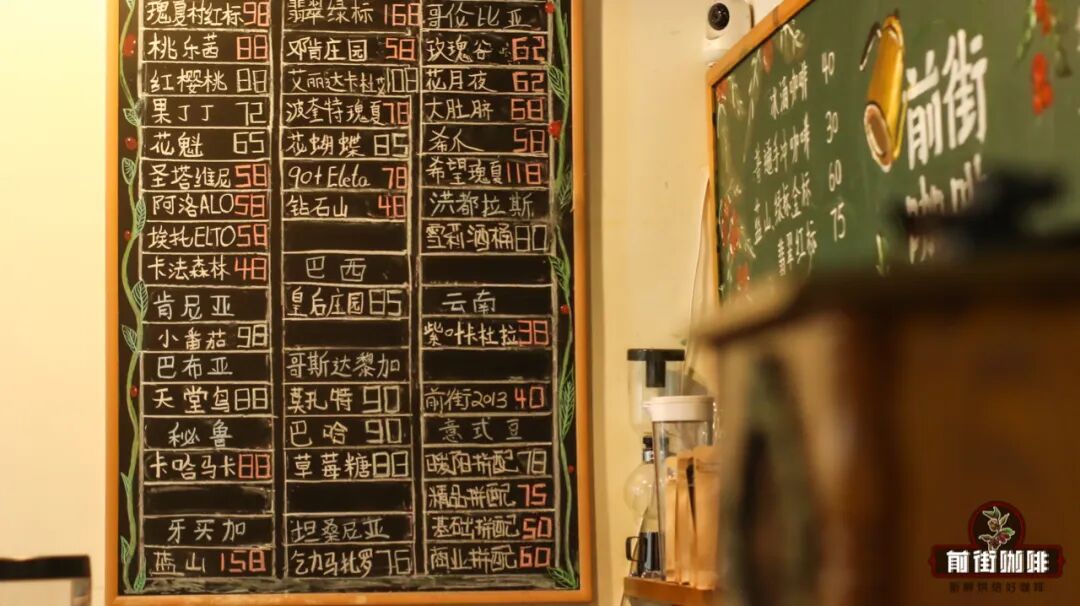
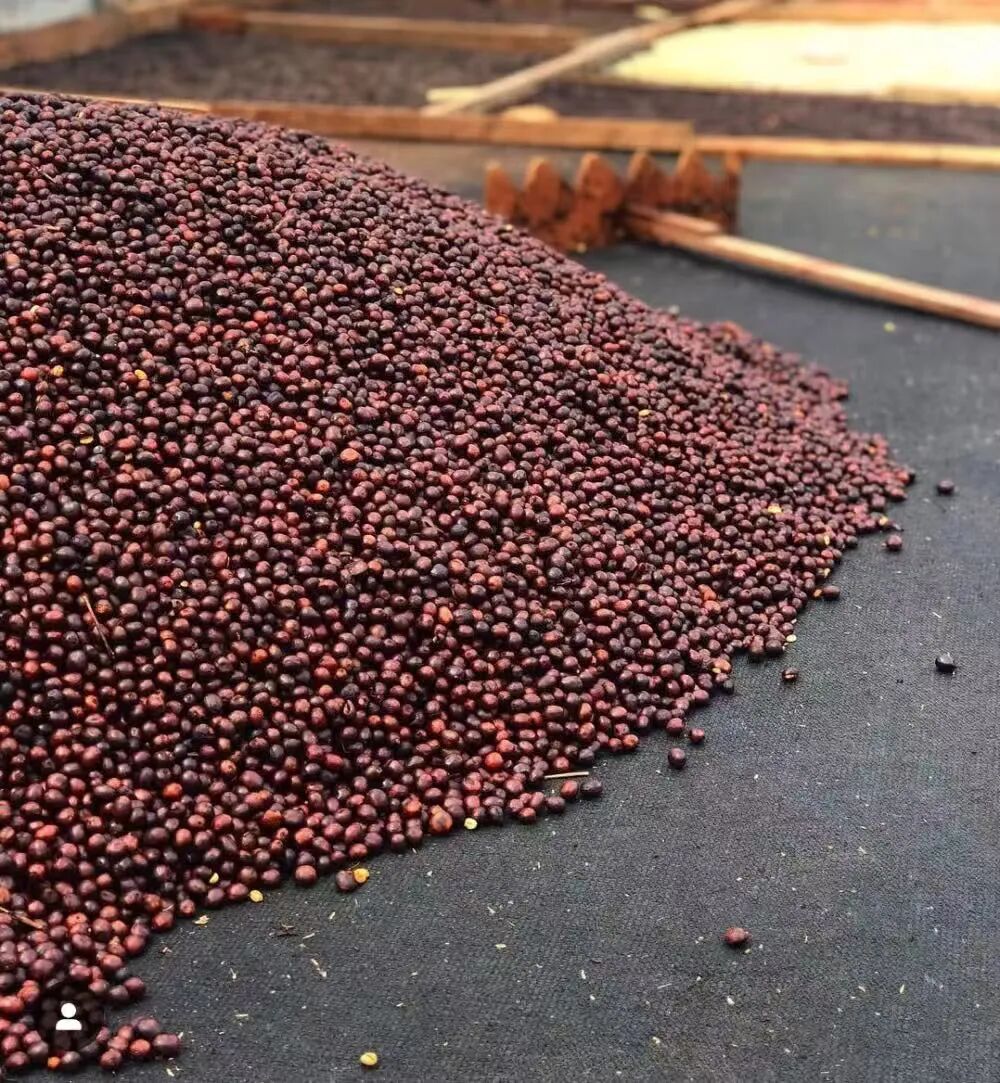
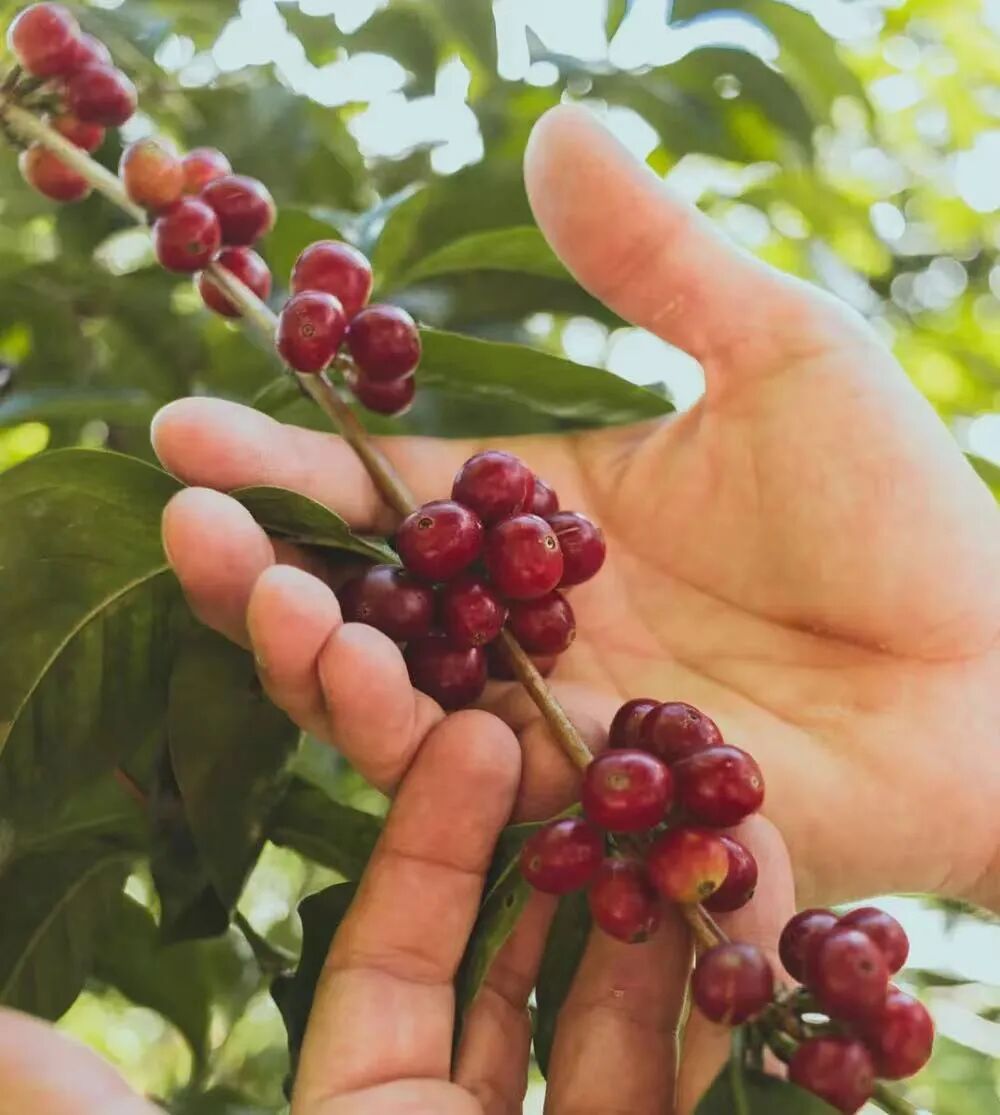
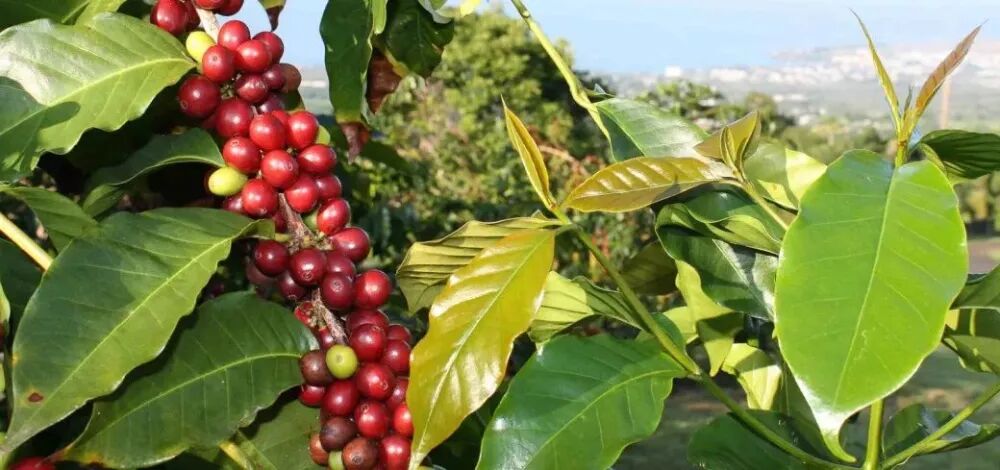
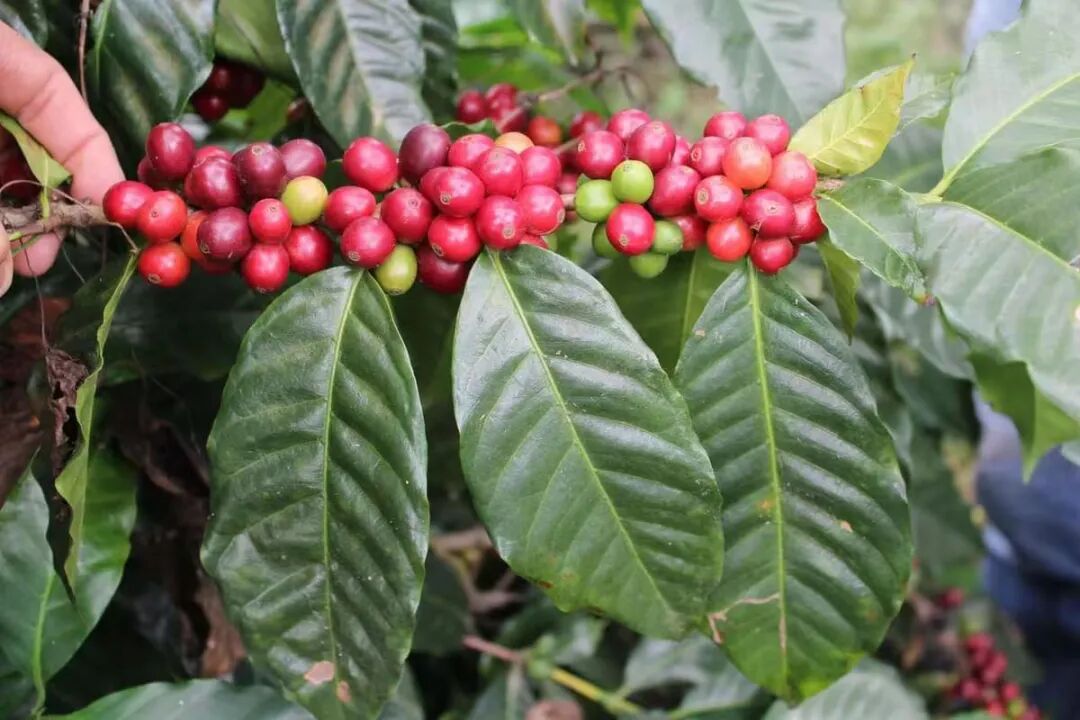
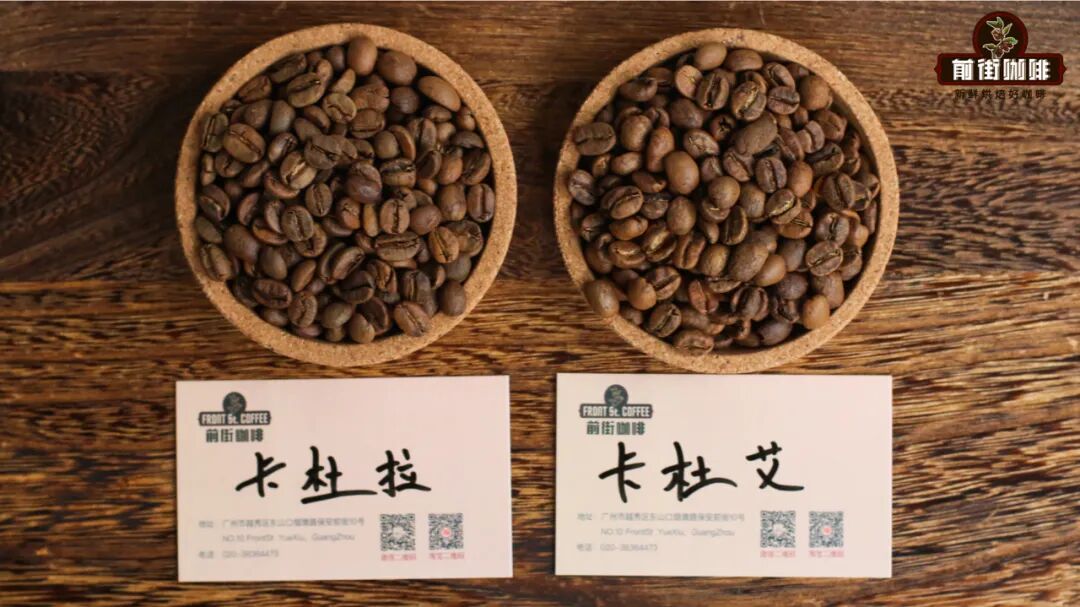
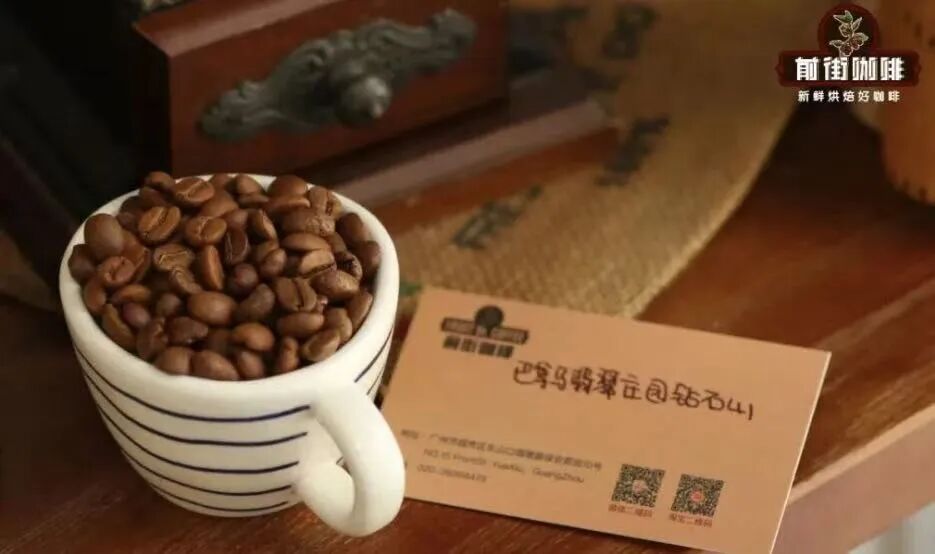
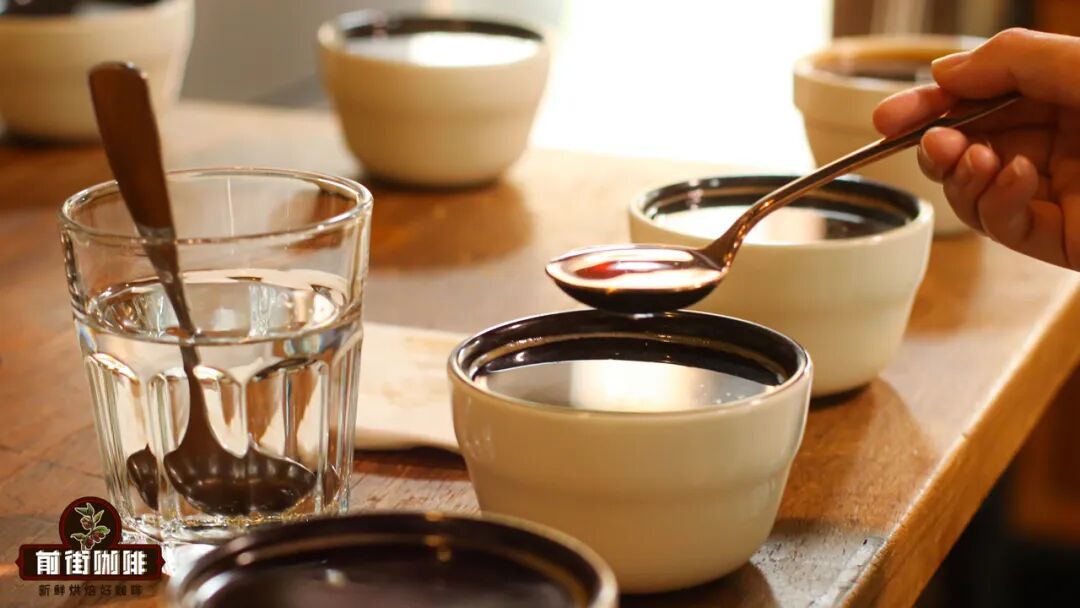
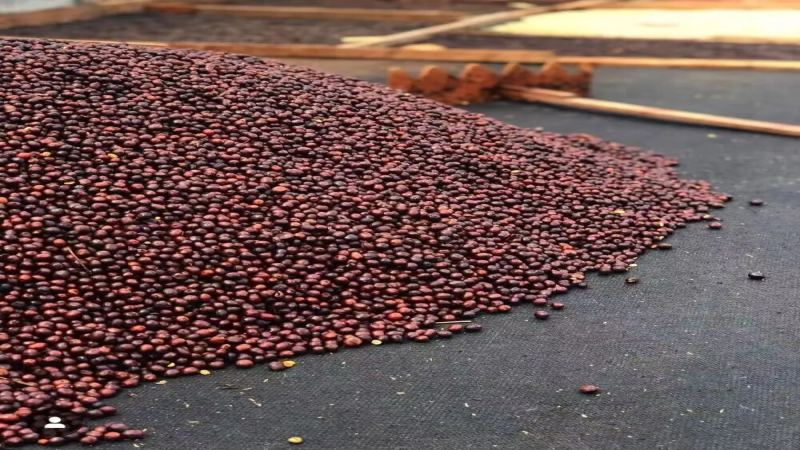
"Caturra" and "Catuai" are two varieties under the Arabica umbrella. They may not be as famous as Typica, Bourbon, or Geisha, but they are the hot favorites that most coffee farmers rush to plant.Whether it's a large estate like Hacienda La Esmeralda or Elida, or other small origins, you can almost always spot these two beans. Not to mention anything else—just on Front Street Coffee's bean list, nearly one-third of the products are made up of these two. That's enough to show they are forces not to be underestimated.So today, Front Street Coffee will share with everyone just what charm Caturra and Catuai possess that drives coffee farmers crazy for them!Caturra was discovered between 1915 and 1918on a coffee plantation in Minas Gerais, Brazil. It is a genetic mutation of Bourbon. Due to the genetic mutation, the plant is much smaller than other Bourbon plants. As the size difference between it and surrounding plants grew larger, this mutated plant was soon discovered by people.Because of its small size, the locals named this new species "Caturra." In the Guarani language, Caturra means "small." It also has the alias "Nanico." And it is precisely because of its small size that Caturra gained an absolute advantage, which later made it an indispensable coffee giant in Central and South America! Especially in Colombia, where nearly half of the country's production comes from Caturra.The advantage that made Caturra a "giant" might be more "mundane" than you'd imagine—its flavor, while excellent, is secondary(present, but minor). The main reason is high yield and ease of cultivation! Because the plant is small, Caturra can be planted at a higher density in the same plot of land than other varieties. Higher density means higher productivity, and yield naturally increases as a result.At the same time, Caturra's secondary branches are spaced very closely, meaning that in the same space, Caturra can bear more fruit(Caturra's branches often break because of this). With higher planting density plus closer fruit-bearing intervals, Caturra's yield is greater than that of conventional varieties. This became the reason many coffee farmers are willing to plant it! Compared to coffee's taste, for most coffee farmers, yield is more important.Now let's talk about Caturra's "ease of cultivation"! As we all know, the vast majority of Arabica varieties are rather "delicate"—they don't tolerate sun exposure and are better suited to shaded environments.Caturra is different! It can withstand the blazing sun. Even when fully exposed to the sun, it can thrive and bear abundant fruit. Therefore, compared to most other Arabica varieties, Caturra can be planted in more locations. And precisely because of this, coffees like Caturra that can withstand direct sunlight have a distinctive name—"Sun Coffee"(Sun Coffee).Combining the above two points, plus Caturra's inherently impressive flavor, Caturra became a variety that most coffee farmers are happy to plant, and is one of the main varieties grown in Central American origins.For this reason, it is often used as a "benchmark" for testing new varieties. Its only drawback is weak disease resistance—it is relatively prone to disease and withering. It's worth mentioning that Caturra, like Bourbon, comes in multiple colors: "red," "yellow," and "purple."Just over a decade after Caturra was discovered,the São Paulo State Agricultural Institute in Campinas(Instituto Agronômico, abbreviated as IAC)began crossbreeding work on coffee varieties in order to obtain higher-quality coffee varieties, and Caturra was one of the main experimental subjects in this work. Eventually, through years of research and experimentation, an ideal series of varieties was finally developed. And that is the other protagonist Front Street Coffee wants to share in this article—Catuai.Catuai is a variety crossed from Caturra and Mundo Novo, released in Brazil in 1972.(Mundo Novo Mundo Novo,Mundo Novo is the result of natural hybridization between two ancient varieties, Bourbon and Typica. It was first discovered in 1943 in Tietê, São Paulo, Brazil.)Initially, this variety was numbered "H-2077," and later people named it "Catuai." In the Guarani language, Catuai means "very good." And that is indeed the case.As a second-generation hybrid, Catuai not only inherited Caturra's excellent traits such as small size, high yield, and tolerance to sun exposure, but also possesses relatively higher disease resistance. So after Catuai was released in Brazil, it was immediately widely planted locally and became one of the main local varieties.Afterward, Catuai spread from Brazil outward, with related plantings in Guatemala, Costa Rica, Panama, and other places. For example, the natural-process beans from Front Street Coffee's Elida Estate on the bean list are of the Catuai variety. Similarly, Catuai also comes in "red" and "yellow" types~How do Caturra and Catuai taste?Both varieties have impressive flavor performance, but they both have certain requirements for growing altitude. When grown at lower altitudes, their flavor is slightly inferior to other Arabica varieties grown at the same altitude. When grown at higher altitudes, their flavor can be perfectly expressed and will be somewhat more outstanding than most varieties.So the Caturra and Catuai that Front Street Coffee cupped with good flavors and selected for the bean list are all grown at relatively high altitudes. For example, Front Street Coffee's Elida Estate · Catuai, Front Street Coffee's daily drink Colombia · Huila(Caturra), Front Street Coffee's Hacienda La Esmeralda · Diamond Mountain, and so on. Among them, Front Street Coffee is very fond of Hacienda La Esmeralda's Diamond Mountain. It is a blend of Caturra and Catuai, with a very soft acidity and a slight fermented aroma from the natural process.Front Street Coffee: Hacienda La Esmeralda · Diamond MountainAltitude: 1,500-1,600 metersProcessing method: NaturalBrewing flavor:Citrus, honey, cocoa, fermented aromaIn the cupping, Front Street Coffee tasted from this coffee bean a rounded sweet-and-sour of citrus and berries, a honey-like texture, a slight cocoa and fermented aroma,and an oolong tea-like finish. Very nice~ The above content is compiled by CoffeeHunters, a coffee news website.