







Search Results for: Costa Rica COE
2024 Costa Rica COE Results Announced: The Rise of the San Roque Variety and a Full Flavor Analysis
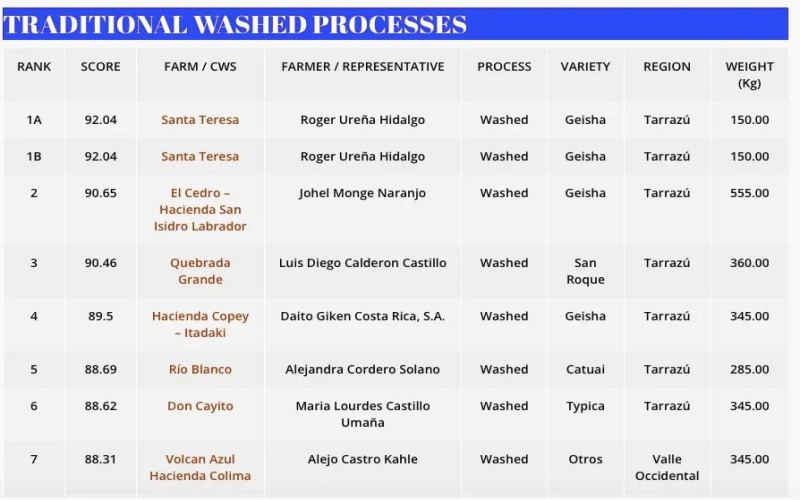
The results of the 2024 Cup of Excellence (COE) in Costa Rica were recently officially announced, with the competition once again divided into three main categories by processing method: traditional washed, traditional honey and natural, and experimental processing. In this year's competition, Geisha remained the mainstay among entries, but classic varieties such as Typica and Catuai also appeared on the stage, while a rare variety that has frequently appeared on the COE list in recent years—San Roque—once again drew attention. Since its first appearance at the COE in 2018, this variety has gradually taken root in the Central Valley producing region and repeatedly achieved excellent results, thanks to its unique origins and outstanding cup flavor. This article will guide you through the discovery history of San Roque, its varietal characteristics, and its flavor performance in COE judging, while also including Front Street Coffee's recommendations and interpretation of this variety. [more…]
Costa Rica 2024 COE Washed Category Champion Hacienda Santa Teresa: An In-Depth Analysis
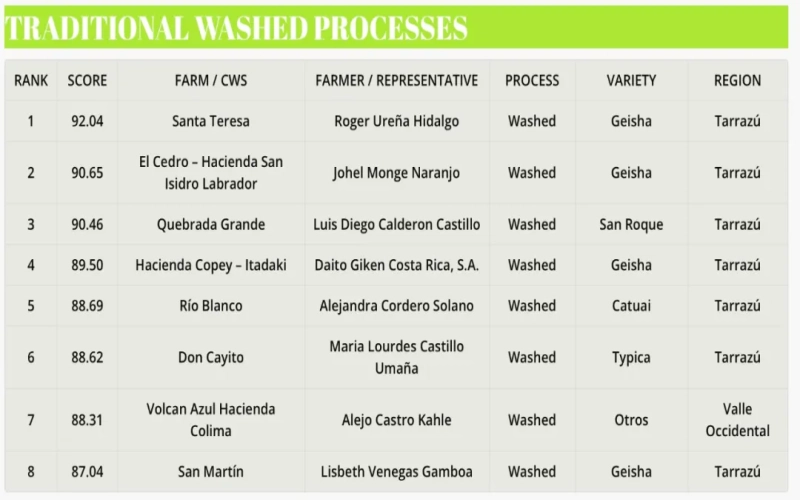
The 2024 Costa Rica COE competition washed category champion was won by Hacienda Santa Teresa with a score of 92.04. What exactly makes this estate, located in the Tarrazú production region, so unique? As a major coffee powerhouse in Central America, Costa Rica has seven distinctive production regions, among which the Los Santos area attracts much attention because of Tarrazú's fame. Hacienda Santa Teresa is situated in the high-altitude zone of the Cordillera Central at 1,900-2,050 meters, cultivating varieties such as Geisha, Sudan Rume, and Pacamara, and has long participated in the Blue Flag environmental certification program. This article will guide you through Costa Rica's coffee terroir, its production region divisions, and Hacienda Santa Teresa's progression from eighth place in the 2022 COE to champion in the 2024 washed category. Front Street Coffee will also recommend related products for you. [more…]
Exploring Costa Rica's Tarrazú Highlands: Coffee Cultivation at Finca Voo and Its COE Competition Success
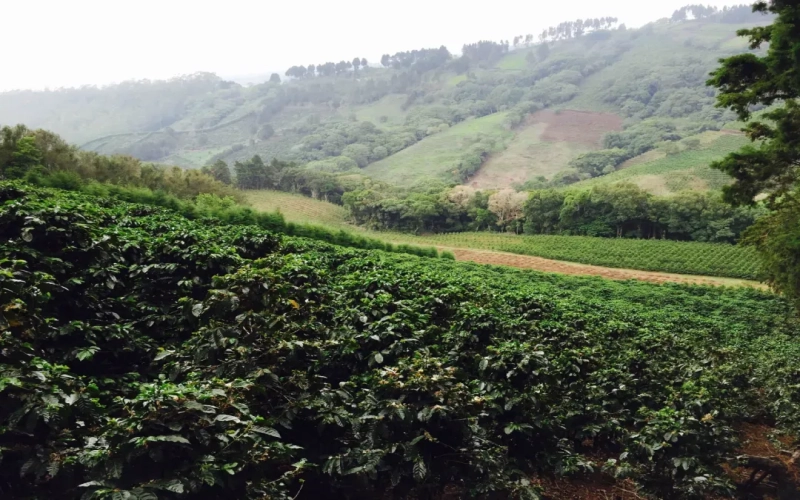
Costa Rica is a pioneer of coffee cultivation in Central America and has now ranked as the world's fourteenth-largest coffee producer. Surrounded by volcanoes and with a mild climate, it provides ideal conditions for coffee growing. Among its seven major production regions, Tarrazu is the most famous, drawing attention for its high altitude and outstanding performance in the Cup of Excellence (COE). Located in the Copey de Dota area of Tarrazu, Finca Voo sits at an altitude of 1,960 meters and belongs to Café Solís & Cordero S.A. In recent years, it has repeatedly achieved excellent results in COE competitions. Front Street Coffee will take you deep into the terroir of this highland production region and the story of Finca Voo's rise. [more…]
A Deep Dive into Don Cayito: A Renowned Estate in Costa Rica's Tarrazú Region
Although Costa Rica is not a large country, it is a force to be reckoned with on the coffee map of Central America. As the world's fourteenth-largest coffee producer, it has seven regions each with its own terroir, among which Tarrazu is known for its high altitude, ample rainfall, and the nourishment of warm, moist Pacific air currents, and is also a concentration of Cup of Excellence (COE) award-winning estates. At the 2024 COE, Don Cayito won first place with 93.62 points, once again making this family estate the center of attention. This article will guide you through Costa Rica's coffee geography and take a deep dive into the Santa Maria de Dota area of Tarrazu, sorting out Don Cayito's variety structure, family management lineage, and COE track record over the years, while also including Front Street Coffee's recommendation information for this estate, as a reference for coffee lovers when making purchases. [more…]
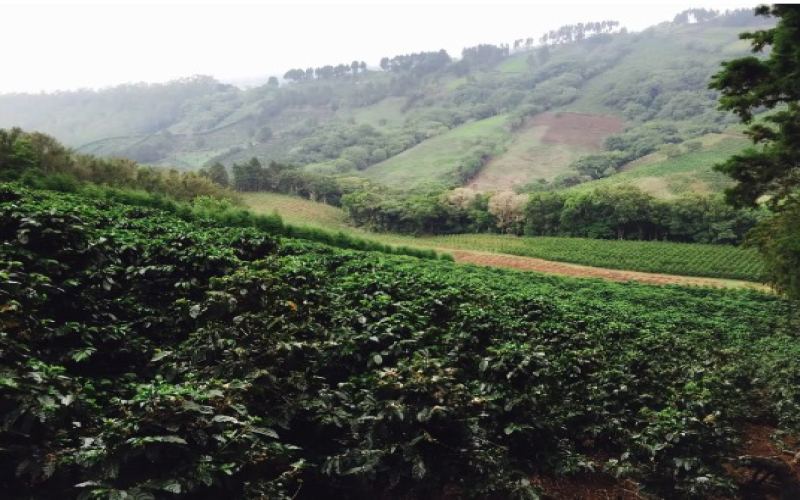
The 2024 COE ranking in Costa Rica, and the introduction of the award-winning variety, San Roque.
COE (Cup of Excellence) is one of the most authoritative fine coffee competitions globally, and also the first internet auction platform for globally award-winning coffee, which was organized and founded by the Alliance for Coffee Excellence (ACE) in [more…]
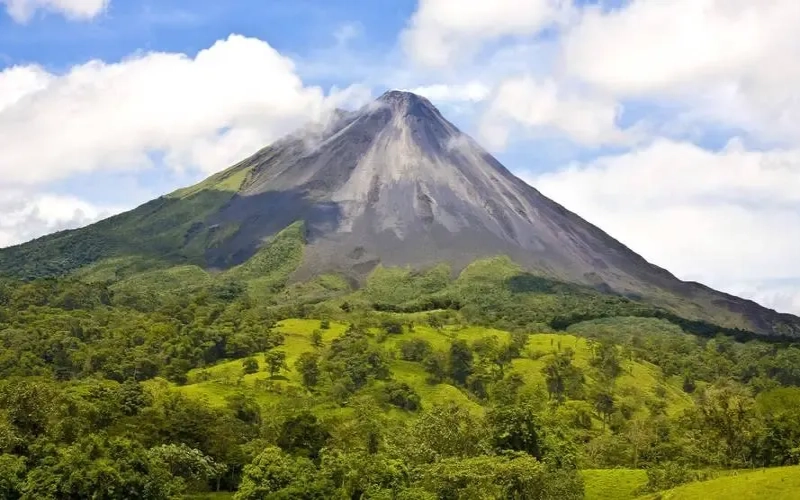
Exploring Costa Rica's Western Valley: A Full Analysis of Coffee Cultivation at Blue Volcano Estate
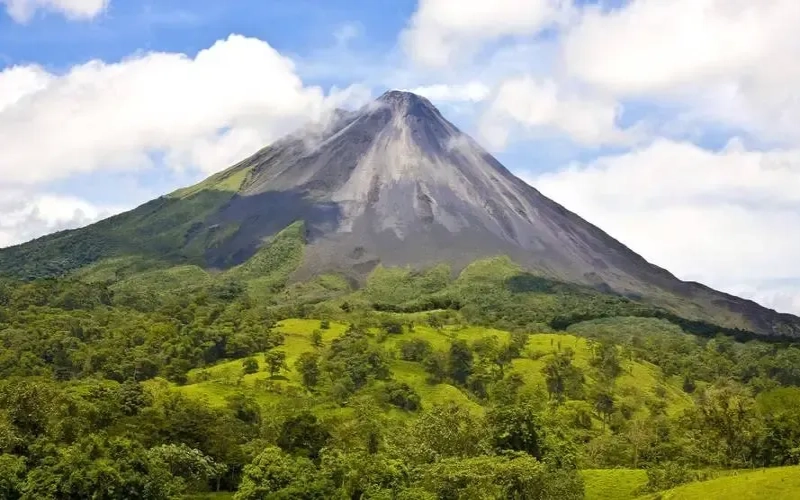
Costa Rica, as a major coffee-producing country in Central America, is known for its West Valley region, which is famous for its fertile volcanic soil and pleasant climate. Hacienda Blue Volcano is located here, and has not only stood out multiple times in COE competitions, but also won the championship in 2013. This article will guide you through the estate's historical heritage, cultivation philosophy, and rich variety of beans, and recommend related products from Front Street Coffee, making it suitable for every coffee enthusiast to explore in depth. [more…]
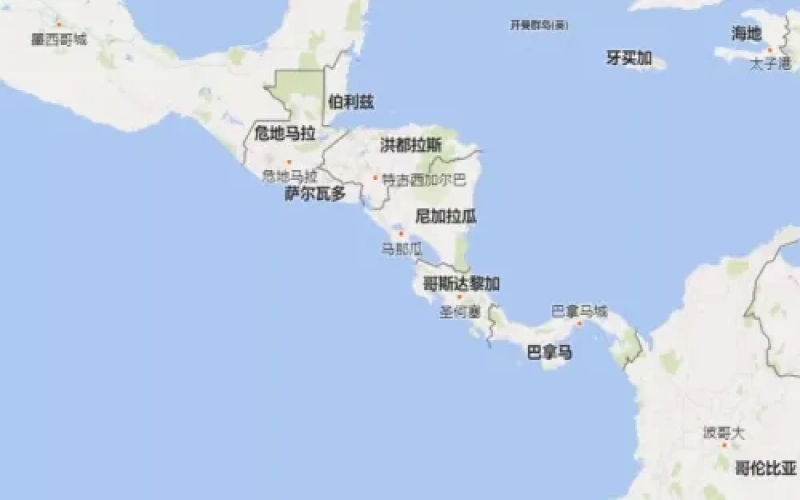
Exploring Costa Rica's Western Valley: From Coffee Cultivation History to the Path of Excellence at Hacienda La Hermosa
Costa Rica was the first country in Central America to cultivate coffee and is the world's fourteenth-largest coffee producer. With numerous volcanoes and a diverse climate, it offers superior conditions for coffee cultivation. As one of the country's three best-producing regions, the Western Valley region is known for its cool climate and renowned estates, such as Hacienda La Esmeralda (Beautiful Plain Estate), which has repeatedly achieved outstanding results in COE competitions. This article will guide you through the development history of Costa Rican coffee and the evolution of processing methods, and take a deeper look at the terroir and representative estates of the Western Valley region, while retaining Front Street brand recommendations, making it suitable reading for coffee enthusiasts. [more…]
Costa Rica's Emerging Region Brunca: A Comprehensive Analysis of Coffee Variety Cultivation Conditions and Flavor Characteristics
Although Costa Rica is not a large country, it occupies an important position on the global coffee map. The country has a coffee-growing history of more than two hundred years and enjoys natural advantages such as fertile volcanic ash soil, mild temperatures, and abundant rainfall, producing a diverse range of coffees from commercial Arabica to COE competition-level, and even Geisha varieties. Traditionally, Costa Rica is divided into seven major regions, and with the development of specialty coffee, micro-regions and small estate lots are constantly being discovered. Brunca, as the newest region, has cultivation altitudes between 800 and 1,200 meters. It was not well known in the past, but after Treasure Estate emerged in the COE competition in 2015, it gradually attracted attention. This article will introduce the cultivation situation and flavor characteristics of the Brunca region. [more…]
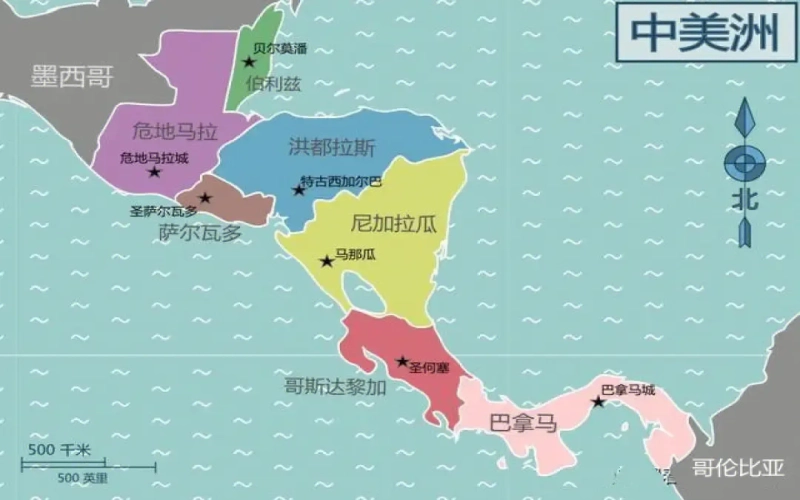
Analysis of Costa Rica's Brunca Region: Microclimates of the Southern Highlands and the Rise of Hacienda La Torre Geisha
All seven countries in Central America produce coffee, and Costa Rica was the first to introduce the crop, with its coffee once called "golden beans" by the British aristocracy. The country's seven producing regions mostly lie along the central mountain range, among which Brunca is located in the south, bordering Panama, and is known for its hot, humid climate and diverse microclimates. In the past, Brunca was dominated by commercial-grade beans with relatively ordinary flavor performance, but in recent years quality has improved significantly. In the latest COE competition, La Torre estate won second place in the natural & honey process category with 92 points. This article will review the history of Costa Rican coffee and the layout of its producing regions, and focus on the varieties, altitudes, and competition performance of Brunca and La Torre estate. Front Street Coffee will also interpret the potential of this producing region for you. [more…]
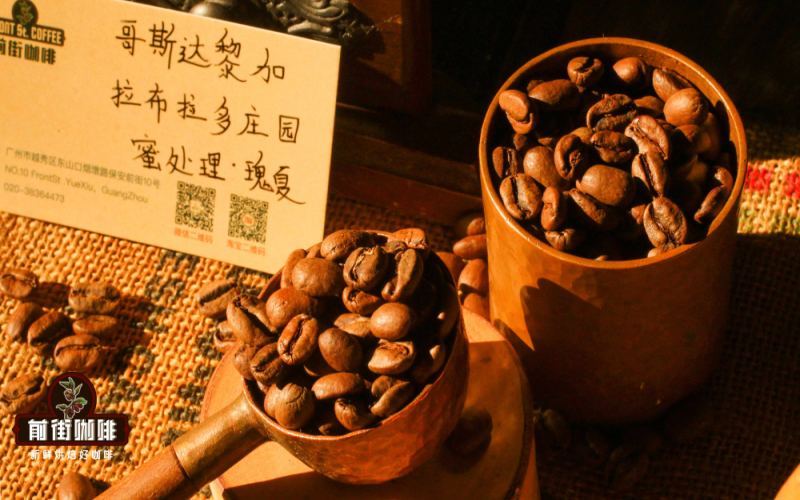
Costa Rica San Isidro Labrador Estate: Honey-Processed Geisha Coffee Bean Flavor and Brewing Analysis
Hacienda San Isidro Labrador is located on the slopes of Santa María de Dota in the Tarrazú region of Costa Rica, at an altitude of about 1,950 meters, with a microclimate featuring distinct dry and rainy seasons. The estate owner, John Monge Naranjo, is a third-generation coffee farmer who once switched careers to land surveying, and after retiring, he returned to the coffee business, now running it together with his son Matías, and in recent years they have achieved repeated success in COE auctions. This time, Front Street Coffee has acquired the estate’s honey-processed Geisha, with flavors of cherry, orange, yellow peach, floral notes, and oolong tea. The article will introduce the estate’s background, processing method, and cupping performance, and share Front Street Coffee’s medium-light roast recommendation and Hario v60 three-pour brewing parameters, letting you experience this bean’s juicy mouthfeel and elegant floral aroma. [more…]
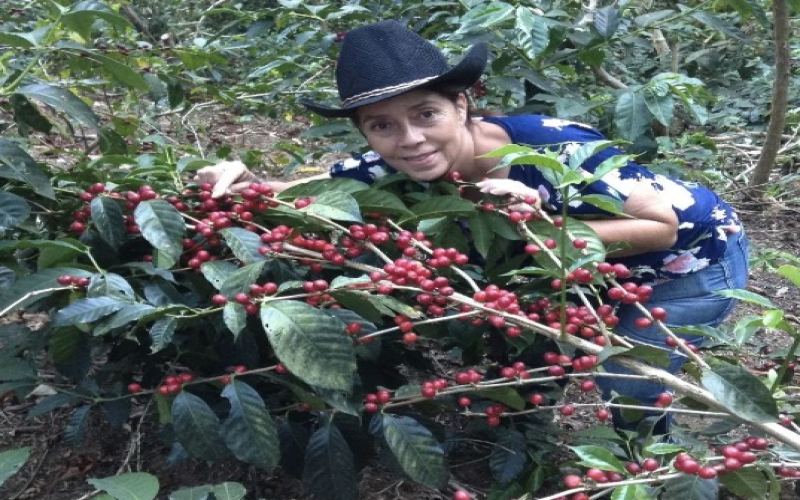
COE Rare bean variety introduction: Elefante Elephant Bourbon, San Roque.
In the winning batches of the COE competitions in Costa Rica and El Salvador this year, there are two new bean varieties mixed among the well-known varieties such as Geisha, which are particularly eye-catching. Elefante, in Spanish, means elephant. I [more…]
Costa Rica Little Candle Estate Geisha Coffee: A Full Analysis from Estate Story to Brewing and Flavor
Geisha coffee, with its winning streak in competitions, has long been regarded as the cream of the crop in specialty coffee. Front Street Panama Geisha is certainly the current benchmark, but other countries also have noteworthy options, and Front Street Costa Rica Geisha is a standout representative with excellent value for money. This article focuses on Costa Rica's La Candelilla Estate, introducing the family background of this CoE award-winning estate, the development path of its micro-processing mill, its fermentation and environmentally friendly processing methods, as well as the specific brewing parameters and flavor performance of Front Street Costa Rica Geisha. It also includes a flavor description of Front Street Strawberry Candy Blend, helping coffee enthusiasts gain a comprehensive understanding of this bean's origins and its presentation in the cup. [more…]
What exactly does COE coffee bean refer to? Interpreting the international specialty coffee scoring system and auction mechanism
Many people see the word "COE" on coffee packaging when choosing coffee, but may not be clear about what it actually means. Cup of Excellence (COE for short) is a rating system for specialty coffee that scores and ranks coffees through multiple rounds of rigorous cupping, ultimately awarding the COE title to the most outstanding lots. This system was first introduced in Brazil in 1999 by a group of coffee producers, and subsequently spread gradually to producing countries such as Colombia, Guatemala, Panama, Costa Rica, and Nicaragua. For estates, receiving COE not only means honor, but can also fetch high prices in international online auctions, while boosting the profile and trading volume of the producing region. This article will unfold from three aspects—origin, competition process, and impact—to help coffee lovers understand the meaning and value of COE. [more…]
Costa Rica La Loma Estate Coffee Bean Flavor Analysis: Cup Profile of Honey-Processed Gesha
Costa Rica's La Loma estate belongs to the Don Mayo Micro Mill family and has over twenty years of operating history, serving as an important symbol of the family's coffee legacy. The estate is located in Leon Cortes Llano Bonito in the Tarrazú region at an altitude of 1,950 meters, and in 2019 it won ninth place in the COE with a score of 88.66. Its coffee is processed using the honey method, with the variety being Gesha. In the cupping, it presents rich layers of honey, cherry, milk chocolate, vanilla, cocoa, blackberry, molasses, candy, pomelo, and black cherry, while the acidity is expressed as sweet orange and tartaric acid, with an elegant, syrupy, and balanced mouthfeel. This article will take you through the background story of this estate and the flavor characteristics of this bean. [more…]
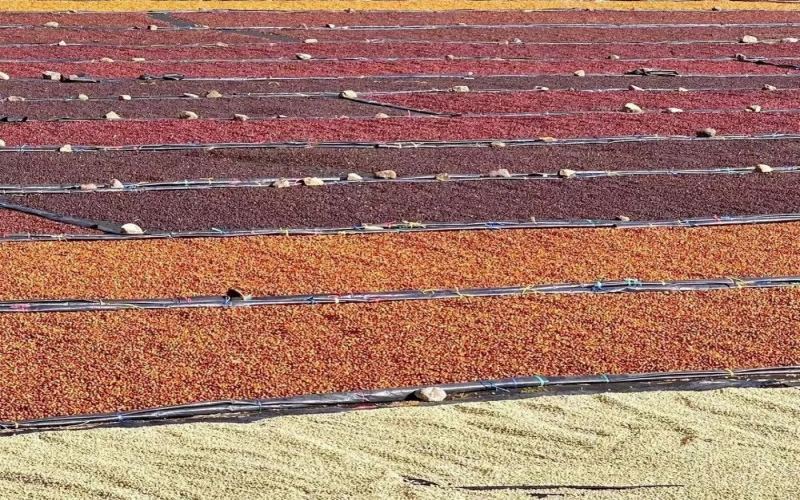
What are the representative estates in Costa Rica's Tarrazú region? An analysis of Hacienda Cedral's characteristics and honey processing method
Costa Rica was the first country in Central America to cultivate coffee for commercial value. Its high-altitude mountains, volcanic soil, and abundant rainfall have nurtured many well-known producing regions and estates. Among them, Tarrazu is the country's largest and most renowned coffee-producing region, and in 2019 it even obtained origin certification from the EU and WIPO under the name "Café de Tarrazú." This article will focus on El Cedro estate in the Tarrazu region, introducing its family background, microclimate environment, Geisha cultivation, and its multiple championship performances at the Cup of Excellence (COE), while also outlining the origins and craft evolution of honey processing in Costa Rica, and mentioning the Tarrazu entry-level selection in Front Street Coffee's everyday beans series. [more…]
Why has Costa Rica's Tarrazú region become a star in the specialty coffee world?
Tarrazú is Costa Rica's most prestigious coffee-producing region. It not only has the largest output and the highest altitude, but has also repeatedly achieved outstanding results in the Cup of Excellence (COE)—this year, 22 of the 30 award-winning coffees came from here. What makes it so special? From the historical foundation of being among the first to grow coffee in the 18th century, to the microclimate created by surrounding volcanoes and the regulating air currents from two oceans, and then to the grading advantage of 95% Strictly Hard Bean (SHB), Tarrazú combines favorable timing, geographical advantages, and human effort into one. In 2019, the Costa Rican government also specifically applied for protected designation of origin for "Café de Tarrazú." This article will take you deeper into Tarrazú's terroir code, well-known subregions and estates, as well as the flavor performance of Tarrazú currently sold by Front Street Coffee. [more…]
Costa Rica Little Candle Estate Geisha Coffee Beans: The Legend of a Micro-Mill Cultivated by the Sanchez Family for Five Generations
Geisha coffee has repeatedly won championships in competitions, and the superiority of its variety is beyond doubt. Front Street Panama Geisha is certainly a top choice, but Costa Rica's Little Candle Estate can also bring surprises. This Front Street Costa Rica Geisha coffee offers outstanding value for money, comes from a CoE award-winning estate, and is jointly run by nine siblings of the Sanchez family. The estate is located in the Tarrazu region, at an altitude of 1,400 to 1,650 meters, and is known for traditional fermentation and an environmentally friendly water treatment system, producing multiple batches of Geisha each year. In terms of flavor, it presents aromas of almond, plum, citrus, sweet flowers, and berries, with rich acidity and a long finish. This article will guide you through the estate's history, processing methods, and share Front Street's brewing plan and flavor experience. [more…]
Nicaragua Nueva Segovia Coffee Region: High-Altitude Volcanic Soil and Emerging Prominence at COE
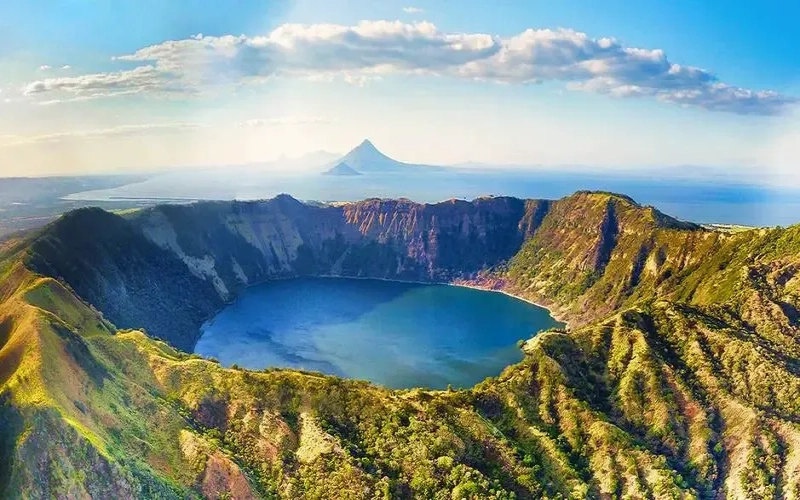
Central America has agriculture as its economic backbone, and its volcanic ash-rich soil and diverse climates have nurtured the coffee industries of countries such as Nicaragua. Although Nicaragua is not as renowned as Costa Rica or Panama, its growing conditions are by no means inferior. This article focuses on Nueva Segovia, one of the three major producing regions in the country's north—adjacent to Honduras, with the highest altitude and relatively low humidity, where concentrated sugars bring high sweetness and complex flavors. This region regularly appears on Nicaragua's COE list, and Los Suyates farm even won first place in 2022 and took second place in 2024. Front Street Coffee will also walk you through this coffee history, from the colonial period to the rebuilding of cooperatives. [more…]
Costa Rica Coffee Garden Estate: A Comprehensive Interpretation of the Flavor Characteristics of Washed Green Beans
Costa Rica is an important coffee-producing country in Central America, home to numerous specialty coffee estates, and Finca Coffee Garden is one of them. Since its establishment in 1989, this estate has earned high recognition in both national and international COE competitions in 2008, thanks to its superior geographical environment and continuous technological investment. Even more remarkable is that some Red Catuai and Yellow Catuai coffee trees on the estate spontaneously mutated, producing rare orange fruits that have drawn widespread attention from the international coffee community. This article will guide you through the development history of Finca Coffee Garden, outline Costa Rica's coffee-growing history, the distribution of its eight major production regions, the characteristics of its main varieties, and its grading system, and include Front Street Coffee's brewing recommendations, providing coffee enthusiasts with a complete reference guide. [more…]
Complete Guide to Costa Rican Tarrazú Coffee: Terroir, Variety Characteristics, and Processing Method Flavor Guide
Costa Rican coffee stands out among American coffees for its balanced and mild style, harmoniously blending acidity, sweetness, bitterness, and aroma, making it suitable for people with all kinds of taste preferences. Among its regions, Tarrazú, as the country's most famous specialty coffee origin, has high altitude and fertile soil, and its coffees have repeatedly won favor in COE competitions. This article will systematically sort out the flavor origins of Costa Rican Tarrazú coffee from aspects including the growing environment, the distribution of eight major producing regions, the main varieties (Bourbon, Caturra, Catuai), and the washed processing flow, and will also include Front Street Coffee's brewing parameters and flavor descriptions of multiple single-origin coffees, providing coffee lovers with a complete reference on origin knowledge. [more…]