







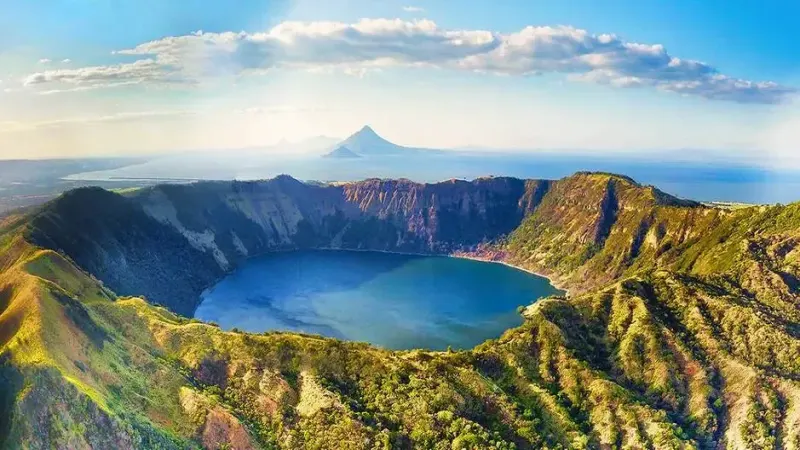
Why do Nueva Segovia coffee farms produce such sweet cups?
Nueva Segovia, one of Nicaragua's three main northern producing regions, borders Honduras and sits at the country's highest altitudes with relatively low humidity. That combination concentrates sugars in the cherry, giving high sweetness and complex flavors. The region appears regularly on Nicaragua's Cup of Excellence list, and Los Suyates farm took first place in 2022 and second in 2024.
Nicaraguan coffee cultivation began in the mid-19th century, when the first coffee trees were planted on Pacific-side plains by colonists. Political turmoil, civil war, Hurricane Mitch in 1998, and the 1999–2003 price crisis battered the industry, pushing farmers toward fruits and vegetables before cooperatives helped rebuild it.
Central America relies on agriculture as the backbone of its economy, and the fertile volcanic ash soils and diverse climates have nurtured the coffee industries of countries such as Nicaragua. Although Nicaragua is not as famous as Costa Rica or Panama, its growing conditions are by no means inferior. This article focuses on Nueva Segovias, one of the three major producing regions in the country's north—bordering Honduras, with the highest altitude and relatively low humidity, where concentrated sugars bring high sweetness and complex flavors. This region regularly appears on Nicaragua's COE list, and Los Suyates farm even won first place in 2022 and took second place in 2024. Front Street Coffee will also walk you through this coffee history, from the colonial period to reconstruction by cooperatives.
Central America's economic structure is centered on agriculture, relying especially on exports of tropical cash crops such as bananas, coffee, and sugarcane. This characteristic is inseparable from the region's topography—plateaus, mountains, and forests form its main landforms, and it also has a volcanic belt stretching more than 1,300 kilometers.
The deposition of volcanic ash has brought fertile soil, and together with the rich diversity of climate types, Central America has produced many countries famous for coffee, including Nicaragua, Costa Rica, and Panama. Although Nicaragua is less well known than the latter two, its coffee-growing conditions are by no means inferior to those of other Central American countries.
Coffee cultivation in Nicaragua can be traced back to the mid-19th century, when the first coffee trees were planted on the plains near the Pacific with the arrival of colonists. In the late 20th century, political turmoil and civil war dealt a severe blow to the country's coffee industry, and large numbers of farms were abandoned. In 1998 Hurricane Mitch struck again, destroying most coffee infrastructure, and the drought that followed further damaged the national economy.
Between 1999 and 2003, while still in the recovery stage, Nicaragua encountered the global coffee price crisis, making it difficult for farmers to make a living, so they could only switch to growing fruits and vegetables. After that, cooperatives played a key role in rebuilding the industry. As the coffee market gradually matured, local cooperatives supported their members by building new processing facilities, providing training, establishing strict quality assurance programs, and cultivating full-time employees, helping farmers adapt to the constantly changing industry environment.
The growth of Nicaragua's coffee industry cannot be separated from its exceptional growing conditions. As the largest country in Central America, Nicaragua is home to many volcanoes and lakes, and the central and northern highlands are the main coffee-growing areas.
The highland plains have a tropical maritime climate, hot and rainy, with an average annual temperature of about 18°C and annual precipitation of 1,500 to 2,500 millimeters; the rainy season runs from May to December each year. The fertile soil brought by volcanoes, suitable temperatures, and abundant water resources provide an ideal environment for coffee growth.
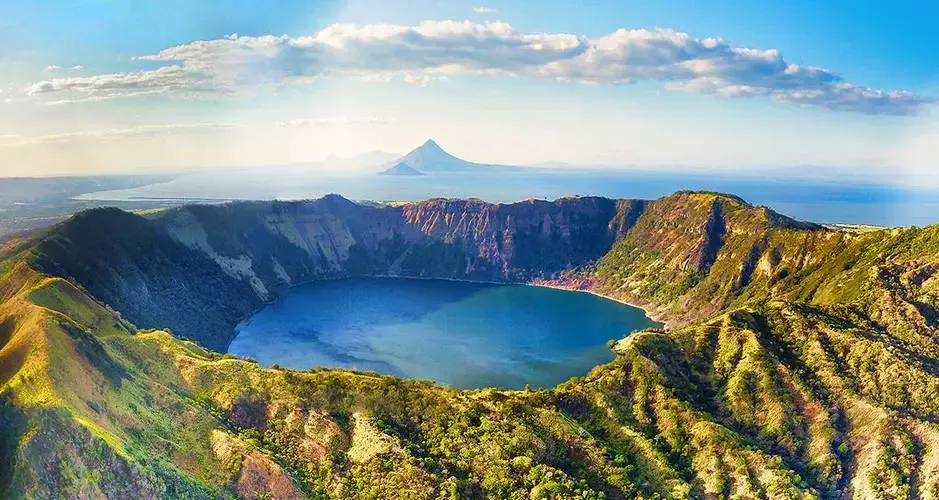
The country's coffee-producing regions are mainly divided into three: Jinotega, Matagalpa, and Nueva Segovias, all concentrated in the northern zone.
Among them, Nueva Segovias has performed impressively in recent years, frequently appearing on Nicaragua's COE list. This producing region is located on Nicaragua's northern border, adjacent to Honduras, and is one of the highest-altitude coffee-producing regions in the country, with growing elevations of about 1,100 to 1,650 meters. Humidity here is relatively low, which is conducive to the accumulation of sugars in the coffee cherries, and together with the volcanic soil and rainforest-covered terrain, this creates the coffee's high sweetness and complex flavors.
The area has many well-known coffee farms, and Los Suyates farm is one of them. The farm is currently managed by Leticia Milagros Gonzalez Morazan. According to her, the farm's growing elevation ranges from 1,440 to 1,700 meters, and it places great importance on protecting flora and fauna. In addition to coffee, it also grows other crops, and the coffee trees grow under shade trees, which can both delay fruit ripening and help maintain local and wildlife diversity.
As early as 2021, the farm began participating in Nicaragua's COE, and in 2022 it won first place, thereby obtaining more funds to invest in farm development; this year, in 2024, it took second place at the COE again.
The above content is compiled by CoffeeHunters, a coffee news website.


