







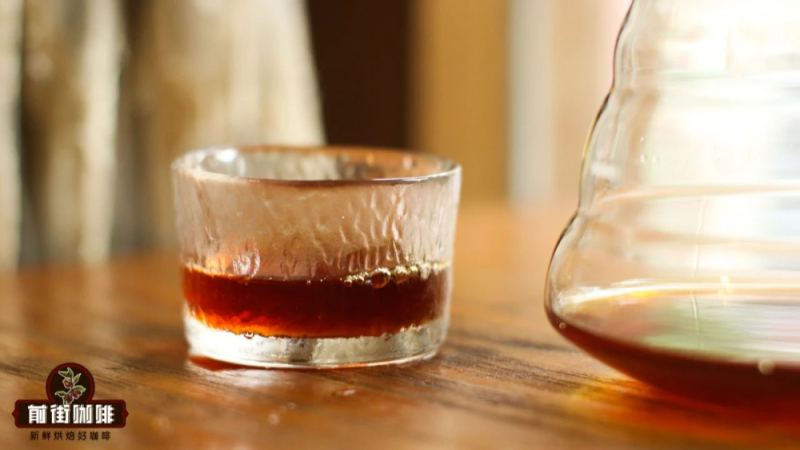
What makes Costa Rica Geisha coffee beans worth trying?
La Candelilla Estate in Costa Rica's Tarrazu region produces Geisha coffee beans at 1,400 to 1,650 meters, grown by nine Sanchez siblings who pool their harvests and share one processing facility built in 2000. The cup shows almond, plum, citrus, sweet flowers, and berries, with rich acidity and a long finish, from a CoE award-winning estate.
The estate name means little candle, taken from the fireflies that light the nearby stream on summer nights. Traditional fermentation and an environmentally friendly water treatment system support several Geisha lots each year. Compared with panama geisha coffee, this Costa Rican option offers a different terroir and microclimate while keeping the varietal refinement.
Geisha coffee has repeatedly won championships in competitions, and its varietal superiority is beyond doubt. Front Street Panama Geisha is certainly a top choice, but Costa Rica's La Candelilla Estate can also bring surprises. This Front Street Costa Rica Geisha coffee offers outstanding value for money, comes from a CoE award-winning estate, and is jointly run by nine siblings of the Sanchez family. The estate is located in the Tarrazu region, at an altitude of 1,400 to 1,650 meters, and is known for traditional fermentation and an environmentally friendly water treatment system, producing multiple lots of Geisha each year. In terms of flavor, it presents aromas of almond, plum, citrus, sweet flowers, and berries, with rich acidity and a long finish. This article will take you through the estate's history and processing methods, and share Front Street's brewing recipe and flavor experience.
For more specialty coffee knowledge, welcome to follow our WeChat public account: Front Street Coffee (FrontStreet Coffee).
In Front Street's view, Geisha is indeed a rare gem among coffees. After all, it can repeatedly win championships in competitions, which is enough to prove the superiority of this variety. Although Front Street Panama Geisha coffee is currently recognized as the best, other countries also have options worth trying. Front Street Costa Rica Geisha coffee is one with very high value for money. Let's take a look together!
La Candelilla Estate is a Costa Rican CoE (Cup of Excellence) award-winning estate. Front Street Costa Rica Geisha coffee beans come from relatively young plants on the estate. Different terroir and microclimates give this bean a distinctive flavor, but it is equally refined. It has rich acidity and a long finish, with obvious aromas of almond, plum, citrus, sweet flowers, and berries. La Candelilla translates as "little candle," named after the fireflies that light up the nearby stream on summer nights.
La Candelilla is famous for its large number of fireflies. It is a collection of nine small farms owned and operated by nine Sanchez siblings and their families. They work collaboratively at every stage of production and pool their harvests together, managed by Hugo and his daughter Marcia—together they built the processing facility in 2000, allowing for better control of quality, efficiency, and cost. Our La Candelilla product is a blend of Caturra and Catuai varieties from all nine farms.
Costa Rica began forming coffee cooperatives in the mid-20th century, and this is one of the most developed systems in the world. Cooperatives strengthen individual farms through education, infrastructure support, and buyer connections, and ultimately farmers are able to leave the cooperative, operate independently, and remain competitive. La Candelilla was once a member of a cooperative, making it a perfect example of this development trajectory.
As a micro-mill, they produce 15 to 30 containers of Front Street Costa Rica coffee each season. The coffee is fermented in water—in contrast to the dry fermentation process usually seen in other Central American countries—and a small amount of mucilage remains on the washed seeds, creating a more intensely flavored coffee.
The Sanchez family has cultivated this land for five generations. Until 2000, the nine siblings and their families each managed their own land. After years of planning, these families pooled their resources and built La Candelilla Estate and its micro-mill. This was the first in Costa Rica and set an example for many small producers. The explosion of micro-mills is closely related to the increase in processing complexity in Costa Rica.
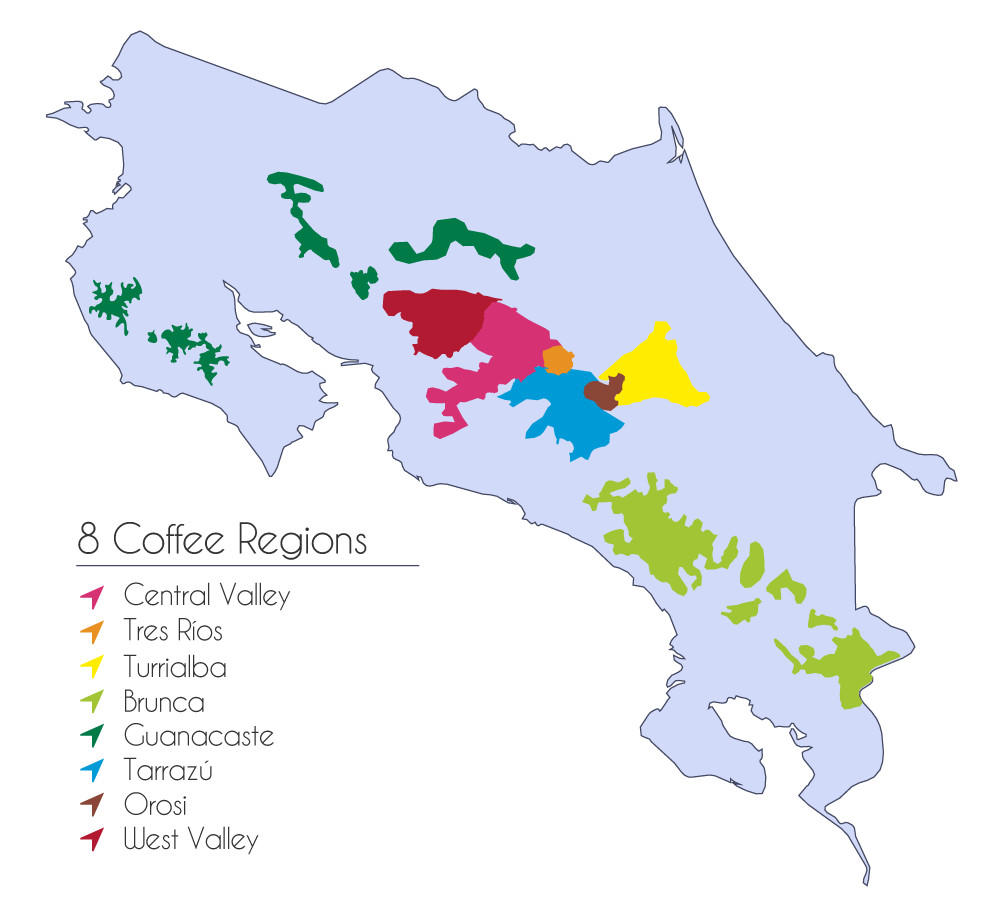
The estate now produces 1,000 bags of coffee each year and is considered one of the country's finest coffee producers. They constantly think about processing and variety cultivation methods, and now produce multiple lots of Geisha coffee each year. This family is one of the few producers in Costa Rica still using traditional fermentation, but they have built a large lagoon system that uses native plants to purify water and then return it to the river. La Candelilla Estate is located in the La Sabana and San Marcos micro-regions of Costa Rica's Tarrazu area.
The farm sits at an altitude of 1,400 to 1,650 meters and is known for producing some of the best Geisha coffee in the world. Since its founding in 2000, La Candelilla has been repeatedly nominated. La Candelilla, whose black apron award recipient comes from Starbucks, has earned a reputation for producing consistently world-class coffee.
Front Street Coffee (FrontStreet Coffee) Costa Rica Geisha Coffee Brewing Recipe
Coffee dose: 15 grams; Water-to-coffee ratio: 1:15; Grind size: pour-over fine granulated sugar; Dripper: V60 #01; Brewing water temperature: 90°C
Brewing process
For the first pour, add 30 grams of water and bloom for 30 seconds;
For the second pour, add 95 grams of water (the scale shows 125 grams), finish pouring in about 1 minute, and wait for about 15 seconds;
For the third pour, add 100 grams of water (the scale shows 225 grams), and finish pouring in about 1 minute 35 to 40 seconds;
The extraction time is about 2 minutes 10 seconds. Remove the dripper to complete the brewing.
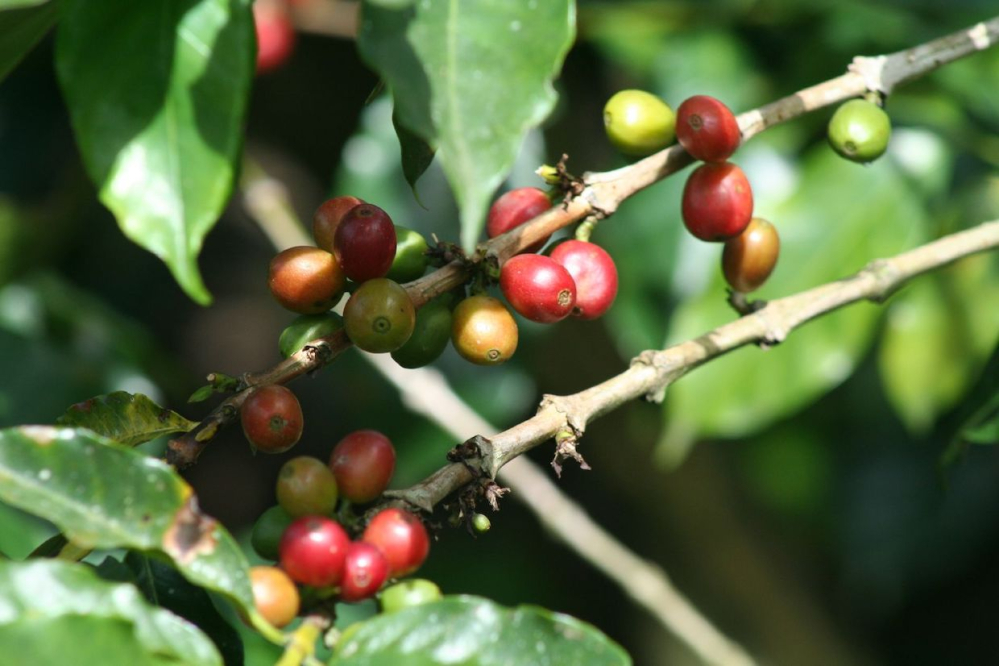
[Front Street Costa Rica La Candelilla Estate Geisha] Flavor description: At high temperature, there are obvious notes of smoked plum, brown sugar, ripe black plum, and a juicy mouthfeel. When it cools, there are obvious jasmine and green tea notes, with a honey-like sweetness in the aftertaste. At low temperature, it shows the obvious classic Geisha flavor, but our teammates still feel there is room for further exploration.
The above content is compiled by CoffeeHunters, a coffee news website.


