







Search Results for: Costa Rica 95
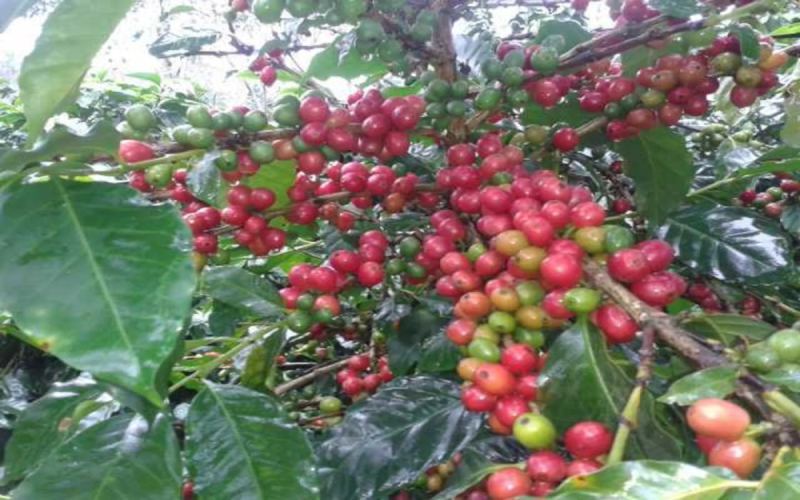
A Comprehensive Analysis of Caturra and Its Derived Varieties: Catimor, Catuai, Costa Rica 95, and Lempira
Caturra is a natural mutation of the Bourbon variety, resulting in a dwarf plant due to a single-gene mutation, and its name derives from the Guarani word meaning "small." In the evolution of the coffee industry, Caturra has given rise to several important varieties through transplantation, mutation, and hybridization. This article systematically reviews the origins, characteristics, and suitable growing regions of varieties such as Catimor, Catuai, Costa Rica 95, Lempira, and Catisic, and introduces the Rose Valley coffee beans from Finca El Roble in the Santander region of Colombia, sourced by Front Street Coffee. These beans undergo anaerobic washed processing and, when brewed with a V60 at a 1:15 ratio, present rose floral aromas along with fruity chocolate notes. [more…]
Sarchimor Variety Analysis: Costa Rican Coffee Bean Flavor Characteristics, Price, and Pour-Over Parameters
Costa Rican coffee is famous for its honey processing method, a technique that falls between natural and washed processing, retaining a clean cup while greatly enhancing sweetness and caramel notes. Sarchimor is a disease-resistant variety originating from a Portuguese breeding institution, with disease resistance inherited from Timor and flavor derived from Villa Sarchi, and it has considerable production in both Costa Rica and Brazil. Front Street Coffee focuses on this bean in this issue, breaking down everything from green bean characteristics and roasting curves to cupping performance, and provides specific pour-over recipes along with sweetness, acidity, and bitterness scores. It also includes a brand recommendation of 227 grams for 95 yuan, costing about 6 yuan per cup, offering outstanding value and suitable for everyday drinking. [more…]
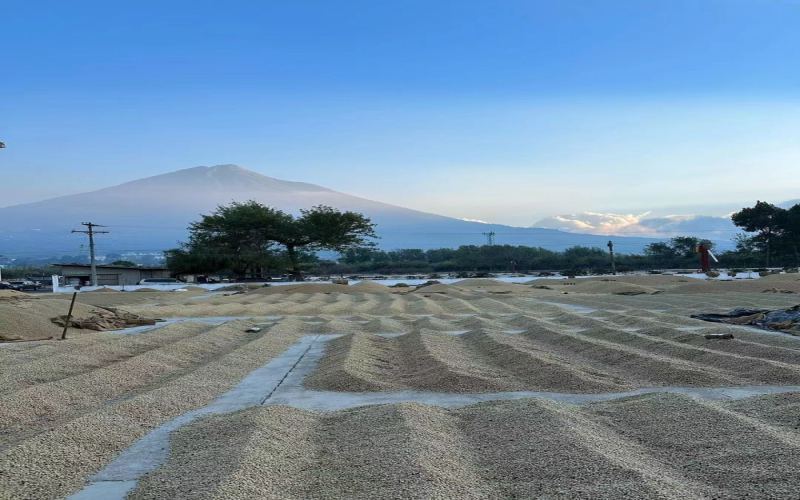
A Complete Analysis of Costa Rican Honey-Processed Coffee Bean Flavors and Processing Methods: From Semi-Washed to Yellow, Red, and Black Honey
The honey processing method originated in Costa Rica and represents an improvement and refinement of Brazil's pulped natural process. After removing the skin and pulp, it retains varying proportions of mucilage for sun-drying. Depending on the amount of mucilage retained and the duration of sunlight exposure, it is further classified into three grades—yellow honey, red honey, and black honey—with flavors ranging from balanced and sweet to intense and rich. This article systematically reviews the operational procedures, flavor characteristics, and grading logic of pulped natural and honey processing, and offers brewing recommendations for two representative beans from Front Street Coffee—the Brazil Red Bourbon and the Costa Rica Geisha—to help coffee enthusiasts gain a deeper understanding of the intricacies of this processing method. [more…]
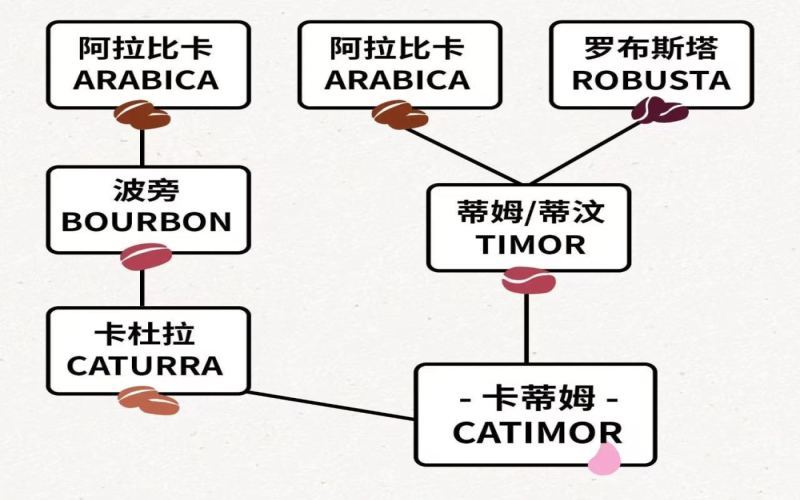
The Origin and Spread of the Catimor Coffee Variety Group: From Leaf Rust Resistance Hybridization to the Transformation of Yunnan Small-Bean Coffee
Catimor is not a single variety, but rather a group of varieties with similar bloodlines, and its birth stemmed from humanity's efforts to combat coffee leaf rust. From the natural hybrid Timor Hybrid found on the island of East Timor to its combination with Caturra, Catimor inherited the flavor potential of Arabica and the disease-resistant genes of Robusta. This variety group is widely cultivated in the Americas and Asia, especially in Yunnan, China, where Catimor replaced the traditional Typica and became the main variety. This article will sort out the origins of Catimor, the representative varieties bred in various places, and its role in Yunnan small-bean coffee, and discuss the relationship between its flavor expression and growing conditions. Front Street Coffee believes that Yunnan Catimor presents a balanced flavor of nuts, brown sugar, and plum. [more…]
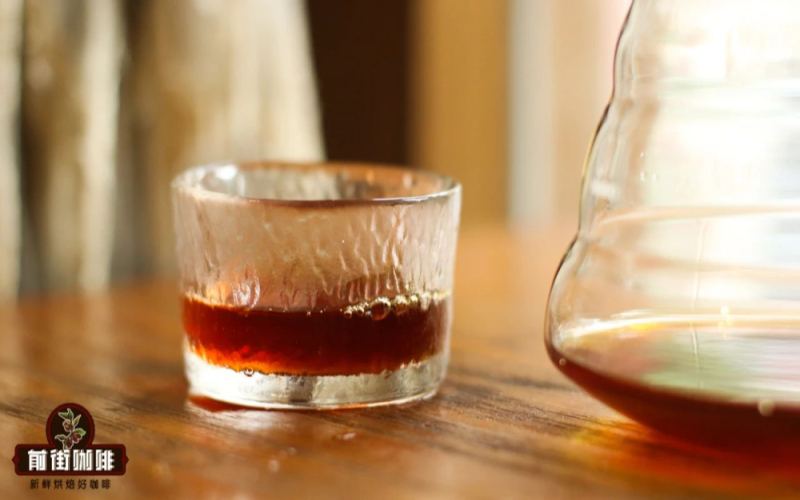
Costa Rica Little Candle Estate Geisha Coffee: A Full Analysis from Estate Story to Brewing and Flavor
Geisha coffee, with its winning streak in competitions, has long been regarded as the cream of the crop in specialty coffee. Front Street Panama Geisha is certainly the current benchmark, but other countries also have noteworthy options, and Front Street Costa Rica Geisha is a standout representative with excellent value for money. This article focuses on Costa Rica's La Candelilla Estate, introducing the family background of this CoE award-winning estate, the development path of its micro-processing mill, its fermentation and environmentally friendly processing methods, as well as the specific brewing parameters and flavor performance of Front Street Costa Rica Geisha. It also includes a flavor description of Front Street Strawberry Candy Blend, helping coffee enthusiasts gain a comprehensive understanding of this bean's origins and its presentation in the cup. [more…]
Exploring Costa Rica's Tarrazú Region: Coffee Bean Varieties, Grading Standards, and Price Reference
Costa Rica's Tarrazu region is globally recognized as a high-quality coffee-producing area, known for its light, pure flavor and pleasant aroma. This article systematically examines the varieties and characteristics of Costa Rican coffee beans, from the region's history, geographical conditions, and altitude grading standards to specific famous products such as La Minita Tarrazu, and includes Front Street Coffee's brand recommendations and price references, helping enthusiasts gain a comprehensive understanding of the unique appeal of this Central American coffee powerhouse. [more…]
Costa Rica Little Candle Estate Geisha Coffee Beans: The Legend of a Micro-Mill Cultivated by the Sanchez Family for Five Generations
Geisha coffee has repeatedly won championships in competitions, and the superiority of its variety is beyond doubt. Front Street Panama Geisha is certainly a top choice, but Costa Rica's Little Candle Estate can also bring surprises. This Front Street Costa Rica Geisha coffee offers outstanding value for money, comes from a CoE award-winning estate, and is jointly run by nine siblings of the Sanchez family. The estate is located in the Tarrazu region, at an altitude of 1,400 to 1,650 meters, and is known for traditional fermentation and an environmentally friendly water treatment system, producing multiple batches of Geisha each year. In terms of flavor, it presents aromas of almond, plum, citrus, sweet flowers, and berries, with rich acidity and a long finish. This article will guide you through the estate's history, processing methods, and share Front Street's brewing plan and flavor experience. [more…]
Analysis of Flavor Differences Between Semi-Washed and Honey-Processed Coffee: Processing Methods, Taste Characteristics, and Brewing Suggestions for Front Street Coffee Beans
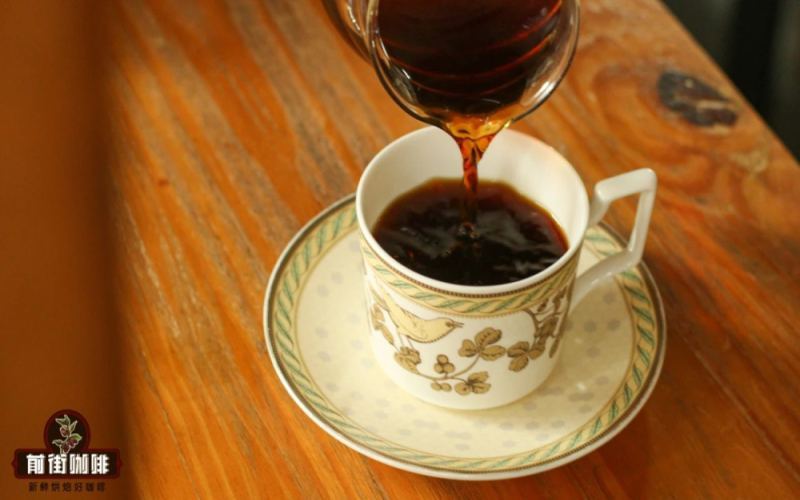
Semi-washed and honey processing both belong to the category of methods where the fruit skin is removed and the beans are dried directly, yet they present截然不同的 flavor directions due to differences in how much pectin is retained and the drying conditions. Semi-washed originated in Brazil; it is simple to operate and suitable for large-scale production, with a flavor profile leaning toward nuts, chocolate, and caramel; honey processing began in Costa Rica and, depending on the proportion of pectin retained, is classified into yellow, red, and black grades, with sweetness and aroma being more prominent. This article will systematically sort out the process steps, flavor characteristics, and grading logic of the two, and, combined with Front Street Coffee's Brazil Red Bourbon and Costa Rica Honey Process Geisha, provide specific brewing parameters and technique suggestions to help coffee enthusiasts understand the differences and apply them to daily brewing. [more…]

Costa Rica Top SHB Mozart Coffee Beans: A Full Analysis of Flavor Characteristics and Pour-Over Parameters
Costa Rica is renowned for its honey processing method, and its coffee beans naturally carry a sweet character. This article focuses on the Mozart coffee beans from the Musician Series of Canet Estate in the Tarrazu region, providing a detailed explanation of the sweet genetics of its SHB high-altitude strictly hard beans, the unique features of the raisin honey processing method, as well as Front Street Coffee's roasting recommendations and pour-over parameters. From the terroir of the producing region to the cup profile, and then to the three-stage pouring practice, this takes you through a comprehensive understanding of this specialty coffee interwoven with wine, berries, and rose. [more…]
A Comprehensive Analysis of Costa Rican Coffee Origins and Variety Classification: Washing Flavor Characteristics of the Tarrazú Region
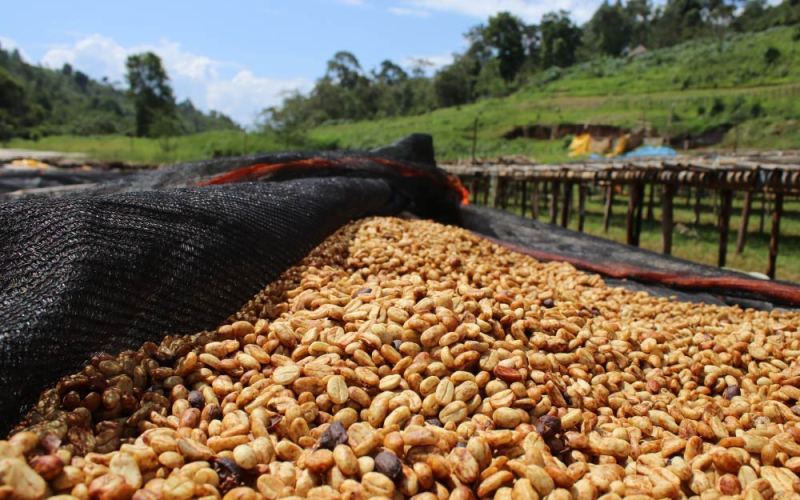
Although Costa Rica is not a major coffee-producing country, it consistently delivers high-quality coffee beans thanks to its unique microclimates and volcanic soil, and has stood out in the specialty coffee scene in recent years. This article systematically reviews Costa Rica's five core producing regions and three minor ones, with emphasis on the high-altitude growing advantages of Tarrazú; analyzes the characteristics of Bourbon, Caturra, Catuai, and native varieties; explains the country's altitude-based grading logic, with SHB (Strictly Hard Bean) as the top grade; and traces the evolution of honey processing from its introduction to its refinement. It also draws on Front Street Coffee's Costa Rica daily-drinker beans to share the flavor profile and pour-over parameters of washed Tarrazú, helping enthusiasts build an understanding of the region's classic character. [more…]
How Does a Costa Rican Natural Bean Perform as an SOE? Sonora Estate Villa Sarchi Single-Origin Espresso Recommendation
Costa Rican coffee has always been known for its clean sweetness, but what kind of espresso experience is created when sun-dried processing meets the ancient variety Villa Sarchi? This article focuses on the Sonora Estate sun-dried Villa Sarchi offered by Front Street Coffee, breaking down everything from the estate's century-long history and environmentally sustainable cultivation model to the variety's origins and processing method characteristics, to determine whether this bean can handle the role of an SOE. The Sonora Estate's pioneering position in varieties and processing methods, the micro-mill's strict quality control, and the sun-drying line's signature juicy winey aroma and ripe fruit florals are all key clues for judging its espresso performance. [more…]
Costa Rica Canet Estate Chopin Coffee: Four Pour-Over Brewer Methods and Flavor Comparison
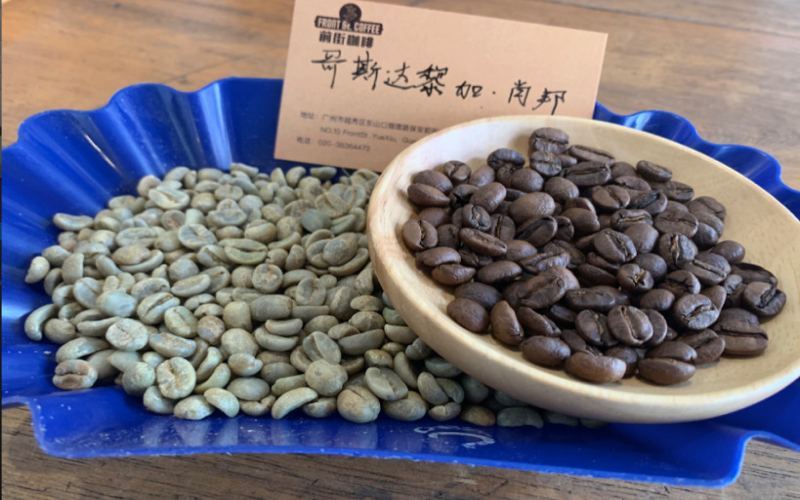
Front Street Coffee has recently added Chopin coffee beans from Costa Rica's Canet Estate to its lineup. After joining the Musician Series, this bean has drawn attention for its prominent rose aroma and sweetness in cupping. To investigate how different brewing devices affect the flavor expression of this bean, Front Street Coffee conducted four comparative brews using the Hario V60, Ice Eye dripper, Strawberry dripper, and Origami dripper. This article focuses on the structural characteristics of these four drippers, the parameters and brewing techniques used for each, and the resulting differences in aroma, acidity, sweetness, and finish, helping coffee enthusiasts find an extraction approach better suited to their own taste. [more…]
An Analysis of the Cultivation Origins, Main Producing Regions, and Honey Processing Techniques of Costa Rican Coffee
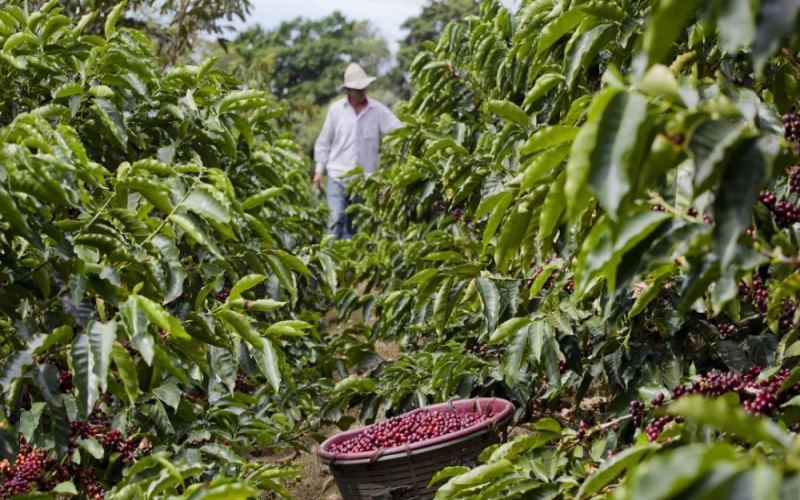
Costa Rica is one of the pioneers of coffee cultivation in Central America. Through strict variety control and its uniquely favorable volcanic geography, it has produced specialty coffees with a distinctive style. This article reviews the country's coffee industry from its beginnings to its setbacks, outlines the distribution of its main producing regions, and focuses on the terroir characteristics of the Tarrazu region and the flavor performance of Front Street Coffee's Costa Rica everyday beans. At the same time, the article also explains the origins and evolution of honey processing, explains why Front Street insists on choosing washed processing in its everyday bean series, and includes V60 pour-over parameters and three-stage pouring suggestions to help coffee lovers gain a more complete understanding of the appeal of Costa Rican coffee. [more…]
Costa Rica Beethoven Coffee Beans: Flavor and Brewing Analysis of Hacienda Canet Washed Process
On the Front Street Coffee bean list, there is a Costa Rican coffee named "Beethoven," produced at Canet Estate in the Tarrazú region, processed using the traditional washed method, and roasted to a medium-light level to present lively red berry and citrus-like acidity and sweetness. This article will guide you through the regional advantages of Costa Rican coffee, the characteristics of the Catuai variety, the origin of Canet Estate's musician-inspired naming, and the washed processing method and pour-over parameters of this Beethoven coffee bean. From terroir to the cup, this complete analysis of a specialty coffee that combines a clean mouthfeel with a floral finish is suitable for coffee lovers who enjoy bright acidity and elegant layers. [more…]
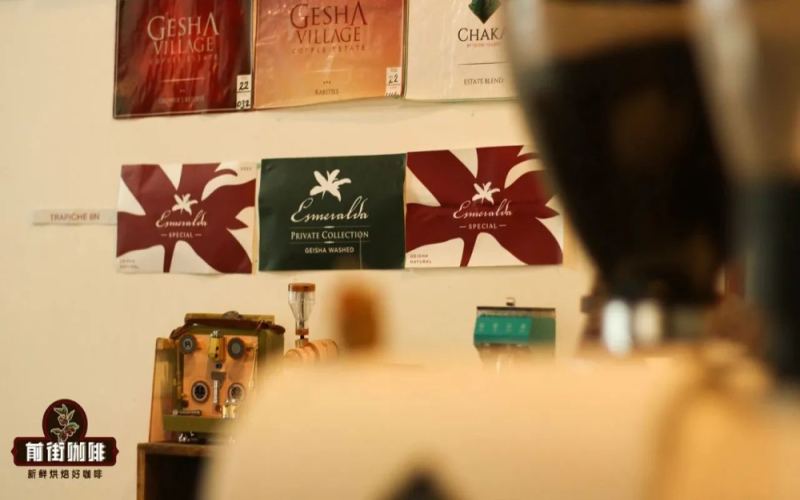
Panama Geisha Pour-Over Techniques and Flavor Analysis, with Front Street Coffee Geisha Bean Brewing Parameters
Geisha coffee is known as the "expensive one," and its high price stems not only from its outstanding flavor but also from its scarce yield and the difficulty of harvesting. It is famous for its delicate floral aroma and citrus notes, with Panama's Hacienda La Esmeralda and Ethiopia's Gesha Village being the two major representatives. When faced with such precious beans, improper brewing inevitably leads to waste. Front Street Coffee has customized brewing plans for different Geishas: from Panama Boquete washed Geisha and Gesha Village Red Label Natural, to entry-level Geisha blends, covering a variety of price points and extraction methods. This article will break down in detail the brewing parameters and flavor performance of each bean, helping you brew rich floral and fruity aromas with honey sweetness at home. [more…]
Costa Rica Canet Estate Bach Coffee Bean Flavor Analysis and V60 Brewing Parameters Guide
Among the Costa Rica Musician Series launched by Front Street Coffee, the Bach coffee beans display a rich fermented aroma and dried-fruit sweetness thanks to their unique raisin honey process. These beans come from the Canet Estate in the Tarrazu region, at an altitude of up to 1,980 meters, and are of the Caturra and Catuai varieties. Through a medium roasting profile, Front Street highlights their tropical fruit, berry-like sweet-tartness, and caramel aftertaste. This article will provide a complete analysis of the flavor code and brewing key points of these Bach coffee beans—from the estate background, the principles of the processing method, green bean analysis, roasting suggestions, and cupping performance to V60 brewing parameters—offering coffee lovers a practical reference for tasting and brewing. [more…]
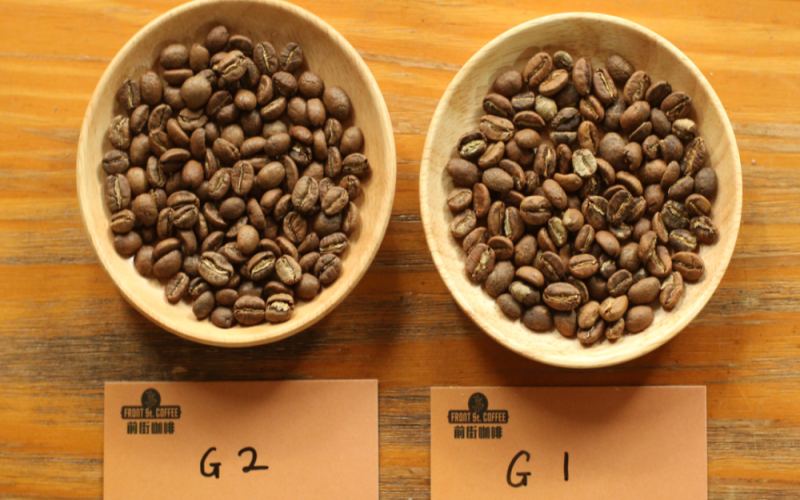
An Introduction to Green Coffee Bean Grades | A Comparison of Coffee Bean Characteristics, Flavor, and Taste Across National Green Coffee Bean Grading Systems: G1, G2, AA, PB, SHB
For more specialty coffee knowledge, please follow our WeChat official account: Front Street Coffee (FrontStreet Coffee). Many friends, while drinking coffee at Front Street, ask our baristas, "What is Yirgacheffe G1 and Yirgacheffe G2?" "What is Kenya AA, AB?" What is Guate... [more…]
From 40% to 70% Geisha in Butterfly, Does It Really Count as a Blend? An Analysis of the Definition of Single-Origin Coffee
Front Street Coffee currently sells two Geisha blends—Panama Butterfly and Costa Rica Mirazu Strawberry Candy. Although their names contain the word "blend," they are essentially single-origin coffees. This article traces Geisha's journey from the forests of Ethiopia to its rise to fame in Panama, analyzes the varietal composition and terroir conditions behind Butterfly's 70% Geisha ratio, and compares the blending logic of multiple varieties at Mirazu Estate. It also explains the differences between washed and raisin honey processing, and includes Front Street's roasting curve and brewing parameters, helping readers understand why Geisha blend beans still qualify as single-origin. [more…]
A Guide to Buying Light-Roast, Acidic Specialty Coffee Beans: Flavor Characteristics, Recommended Bean List, and Pour-Over Parameter Analysis
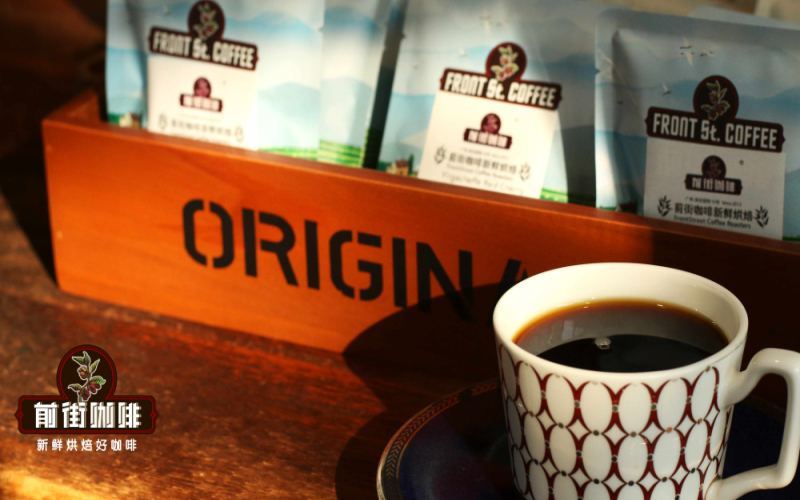
The flavor expression of coffee is closely related to the roast level, and coffee presents completely different tastes under different roast levels. In recent years, more and more coffee enthusiasts have begun to explore light-roasted acidic specialty coffee, seeking the unique floral and fruity aromas within. This article will start from the definition of light-roasted coffee, help readers understand the relationship between first crack and roast level, clarify the flavor characteristics of light-roasted beans, and recommend five light-roasted bean lists suitable for beginners to brew, covering classic producing regions such as Ethiopia, Kenya, Panama, and Costa Rica. At the same time, it includes the specific parameters and operational steps of three-pour hand brewing, so that beginners can also stably extract the elegant layers of light-roasted coffee. [more…]
Espresso Machine vs. Hand Grinder Comparison: Coffee Bean Types Suitable for Hand Grinding and Brand Flavor Details
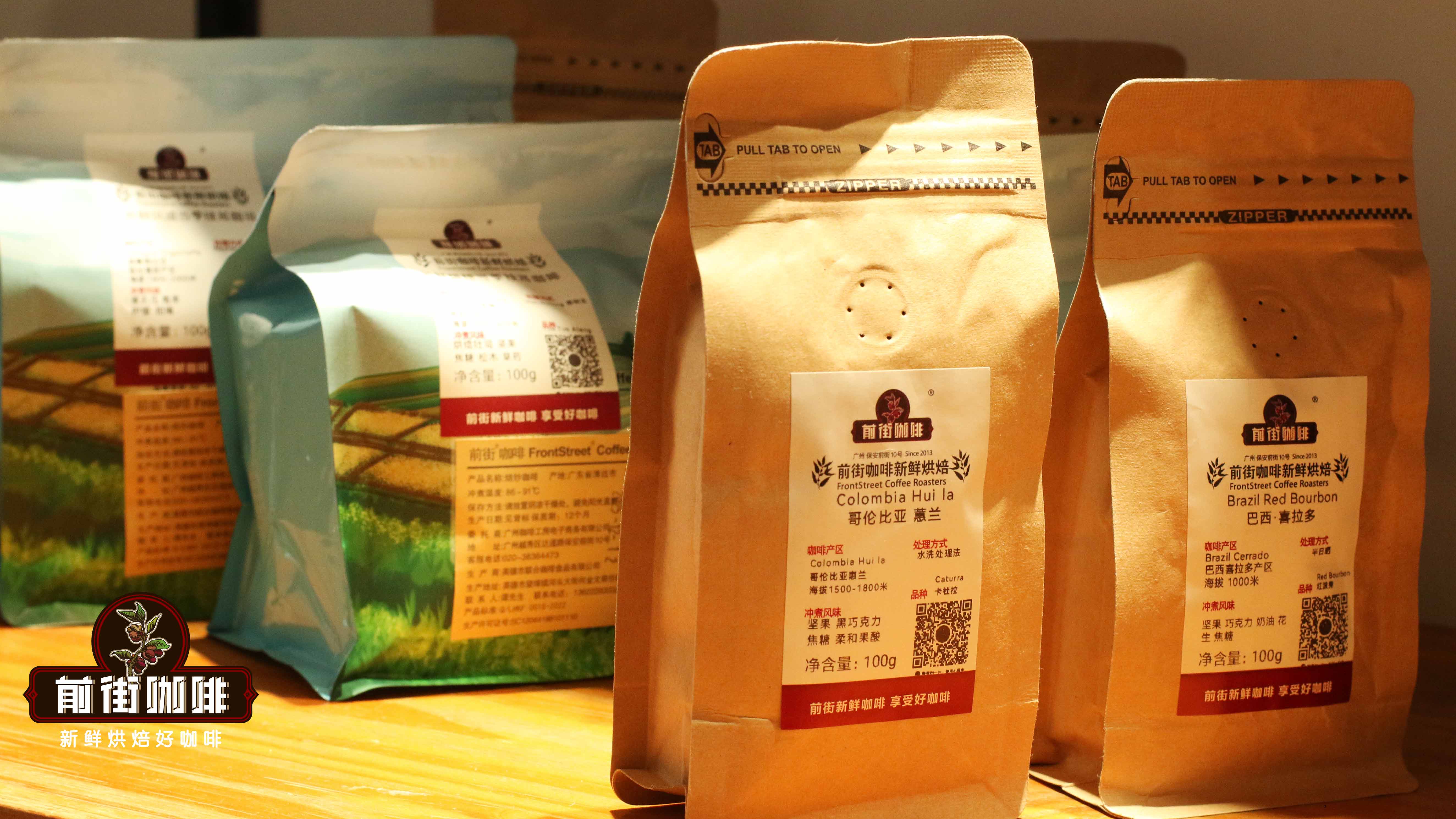
Hand-ground coffee and espresso machines are two common ways of making coffee, and they differ in extraction principles, flavor presentation, and suitable bean types. Espresso machines rely on high pressure for rapid extraction, delivering rich crema and intense flavor; pour-over, by contrast, uses hot water soaking and filtration to reveal the finer origin-specific character of coffee beans. In this article, Front Street Coffee provides a detailed comparison of the differences between the two, and recommends several single-origin coffee beans suitable for hand grinding and brewing, including washed Yirgacheffe, Costa Rica Tarrazú, and Indonesia Lintong Mandheling, while also providing specific brewing parameters and techniques to help coffee lovers find a hand-ground coffee solution that suits their taste. [more…]