







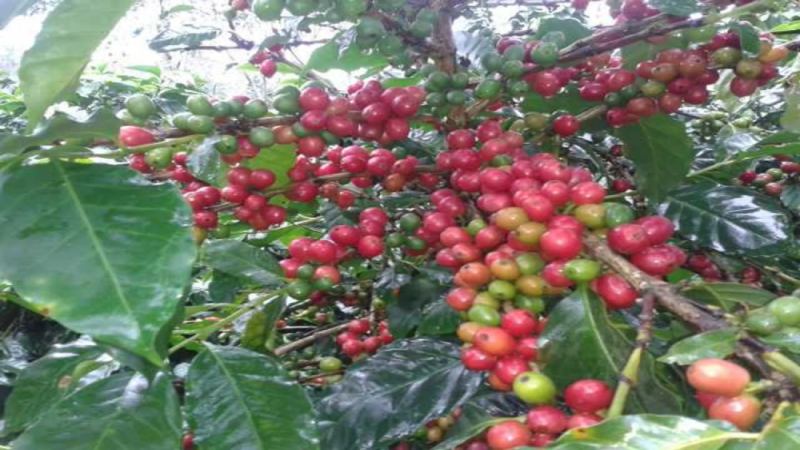
How did Caturra shape the arabica varieties grown today?
Caturra is a natural mutation of the Bourbon variety, caused by a single-gene change that produces a dwarf plant, and its name comes from the Guarani word for small. From this compact arabica plant, repeated transplantation, mutation, and crossing produced later varieties including Catimor, Catuai, Costa Rica 95, Lempira, and Catisic, each with distinct traits and growing regions.
Catimor, coded T8667, is an F1 group from crossing Timor with Caturra, valued for high yield and leaf rust resistance but susceptible to coffee berry disease. Catuai came from Mundo Novo crossed with Caturra at Brazil's Instituto Agronomico de Campinas, suited to dense planting. Bourbon, the parent line, remains a key arabica coffee variety known for high-altitude cultivation.
Caturra is a natural mutation of the Bourbon variety, caused by a single-gene mutation that results in a dwarf plant, and its name derives from the Guarani word for "small." In the evolution of the coffee industry, Caturra has given rise to several important varieties through transplantation, mutation, and hybridization. This article will systematically review the origins, characteristics, and suitable growing regions of varieties such as Catimor, Catuai, Costa Rica 95, Lempira, and Catisic, and introduce the Rose Valley coffee beans from Finca El Roble in the Santander region of Colombia, acquired by Front Street Coffee. These beans undergo anaerobic washed processing and, when brewed with a V60 at a 1:15 ratio, present rose floral aromas and fruity chocolate notes.
Bourbon is a key variety in Arabica coffee that possesses both cultural significance and genetic value, known for high-altitude cultivation and exceptional quality. Caturra is precisely a natural mutation of Bourbon, and its name comes from the Guarani word meaning "small," because Caturra carries a single-gene mutation that makes the plant grow shorter. With the continuous development of the coffee industry, Caturra, through repeated transplantation, mutation, and crossing, has given rise to many subsequent varieties.
Catimor (T8667)
Catimor is the first-generation F1 hybrid variety group produced by crossing Timor with Caturra, with the code T8667. However, this variety group still requires selection and breeding to be defined, so Catimor is not a single variety but a group of varieties with similar lineage. Catimor's prominent characteristics are high yield, resistance to leaf rust, and the ability to be planted in lower-altitude areas, but it is susceptible to coffee berry disease. Currently, it is cultivated in Costa Rica, Honduras, El Salvador, and Yunnan, China, among other places.
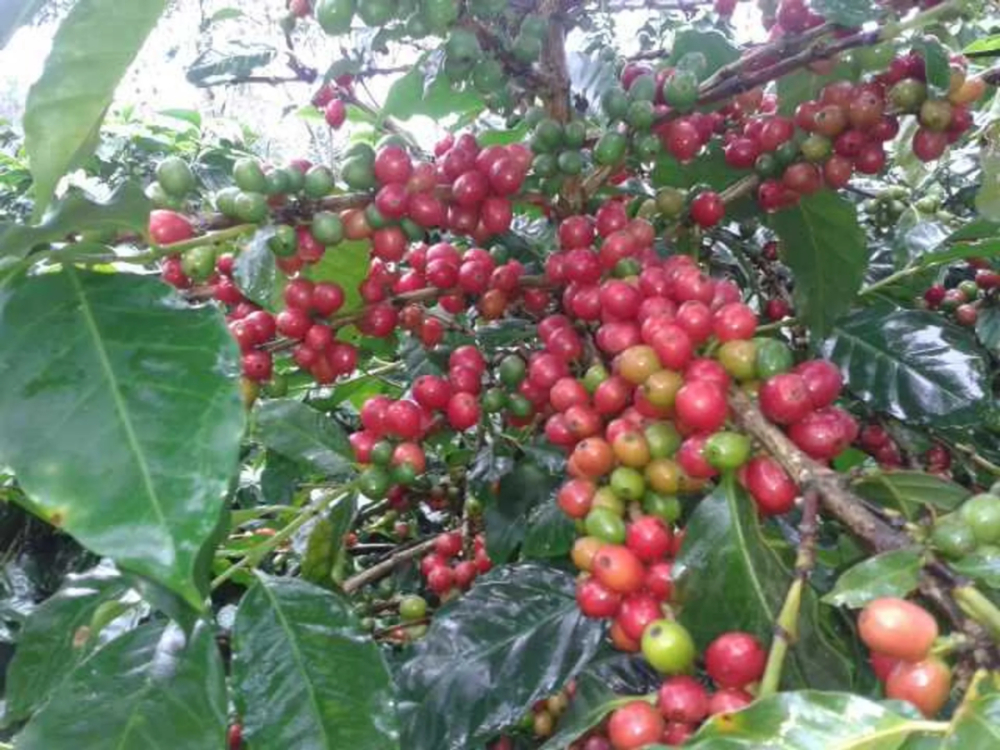
Catuai
Catuai was developed by crossing the high-yielding Mundo Novo with Caturra, and the breeding institution is the Instituto Agronomico de Campinas (IAC) in Campinas, Brazil. This variety has high yield and a small plant size, making it suitable for dense planting, though its planting density is still lower than that of Caturra. Based on these characteristics, Catuai is currently cultivated in coffee-producing countries such as Brazil, Honduras, and Guatemala.
Costa Rica 95, Lempira, and Catisic
These varieties are all results of Catimor variety groups being selected and defined from T8667 in various countries. Costa Rica 95 was selected by CATIE in Costa Rica, and its characteristics include high yield and suitability for cultivation in low-altitude acidic soils and aluminum-containing soils, but it is susceptible to leaf rust and coffee berry disease.
Lempira was selected and defined by IHCAFE in Honduras, with characteristics consistent with Costa Rica 95. Catisic is a variety selected and defined in El Salvador, and its characteristics are also the same as Costa Rica 95, but Catisic is resistant to coffee leaf rust.
Of course, Front Street Coffee has also acquired coffee of the Caturra variety, namely the Rose Valley coffee beans from Finca El Roble in the Santander region of Colombia. Front Street Coffee's Rose Valley coffee beans undergo anaerobic washed processing, and after brewing with a V60 at a 1:15 ratio, they have rose floral aromas, with peach, cranberry, and rum chocolate flavors on the palate, and a smooth mouthfeel.
The above content is compiled by CoffeeHunters, a coffee news website.


