







Do espresso coffee beans work for hand-brewed pour-over?
Espresso machines force water through a fine, tamped bed of espresso coffee beans under high pressure, producing a heavy body and a layer of crema. Pour-over relies on hot water soaking and filtering a coarser grind, which reveals more delicate origin character. The two methods therefore call for different beans: medium-dark roasts for espresso, and single-origin beans for hand brewing.
For pour-over, washed Yirgacheffe, Costa Rica Tarrazu, and Indonesia Lintong Mandheling are common choices, each brewed with its own grind size, water temperature, and pouring technique. For espresso, medium-dark roasted beans raise the success rate, and the same shot can become an Americano with water or a milk drink once milk or syrup is added.
Hand-brewed coffee and espresso machines are two common ways to make coffee, and they differ in extraction principles, taste presentation, and suitable bean types. Espresso machines rely on high pressure for rapid extraction, delivering rich crema and intense flavor; pour-over, on the other hand, uses hot water to soak and filter, revealing the more delicate origin character of the coffee beans. In this article, Front Street Coffee compares the differences between the two in detail and recommends several single-origin coffee beans suitable for hand brewing, including washed Yirgacheffe, Costa Rica Tarrazu, and Indonesia Lintong Mandheling, while also providing specific brewing parameters and techniques to help coffee lovers find a hand-brewed coffee solution that suits their taste.
What exactly is the difference between hand-brewed coffee and machine-made coffee? We take the most common espresso machine on the market as the representative of machine coffee, while hand-brewed coffee usually refers to the pour-over method. Today, Front Street will analyze the differences between the two and recommend several coffee beans suitable for hand brewing.
Machine Coffee — Espresso
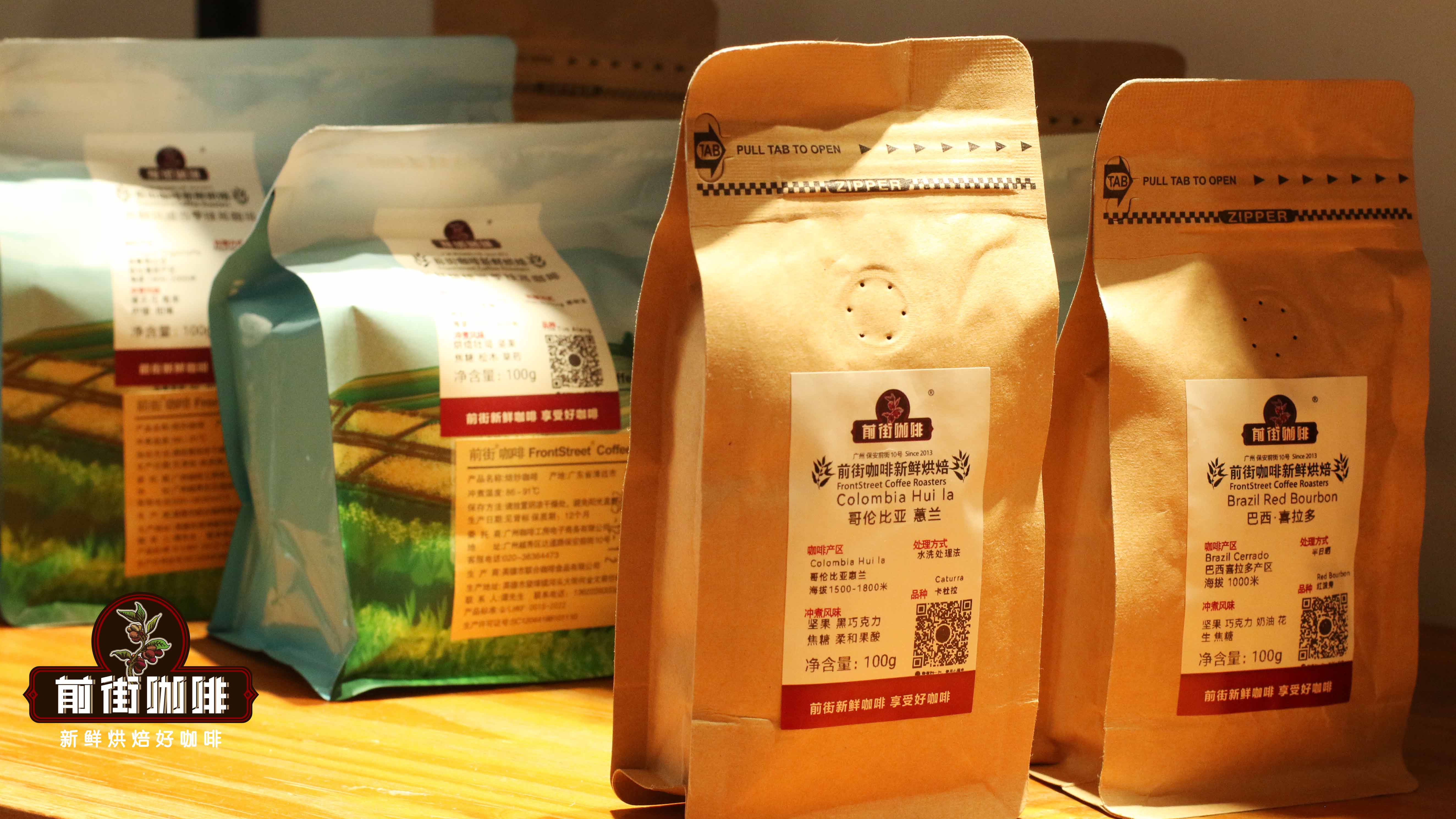
The working principle of an espresso machine is to grind coffee beans into an extremely fine powder, tamp it into the portafilter, and then use strong pressure to force water rapidly through the compacted coffee bed, thereby extracting the soluble substances from the coffee.
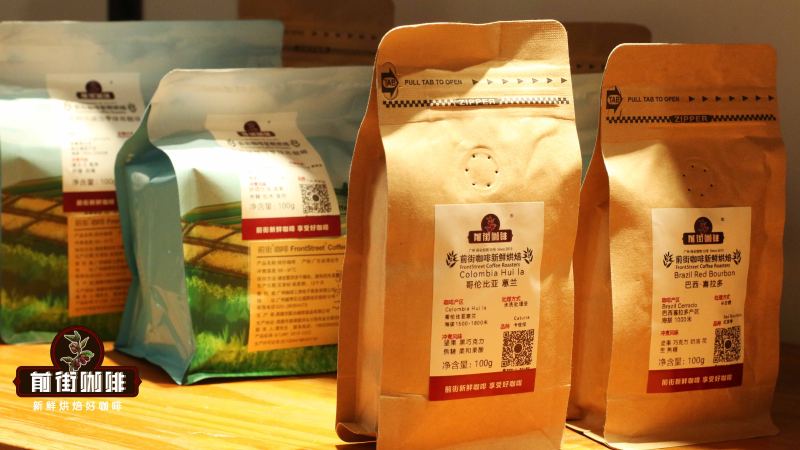
Espresso is produced quickly, has a heavy mouthfeel, and is covered with a layer of fine oily foam on the surface, known as crema. This layer of crema usually shows a beautiful golden and dark brown color, and the aroma presents different flavors depending on the coffee beans used. When making espresso, it is recommended to choose medium-dark roasted beans for a higher success rate. Front Street recommends Front Street Brazil Queen Estate with its roasted peanut flavor, Front Street Golden Mandheling with its prominent spice notes, and Front Street Strawberry Candy espresso coffee beans with their floral and fruity aromas.
Espresso mixed with water becomes Americano, and after adding milk, syrup, cream, or spices, it can also be made into various drinks such as Macchiato, Cappuccino, Latte, and Mocha.
Hand-Brewed Coffee — Pour-Over Coffee
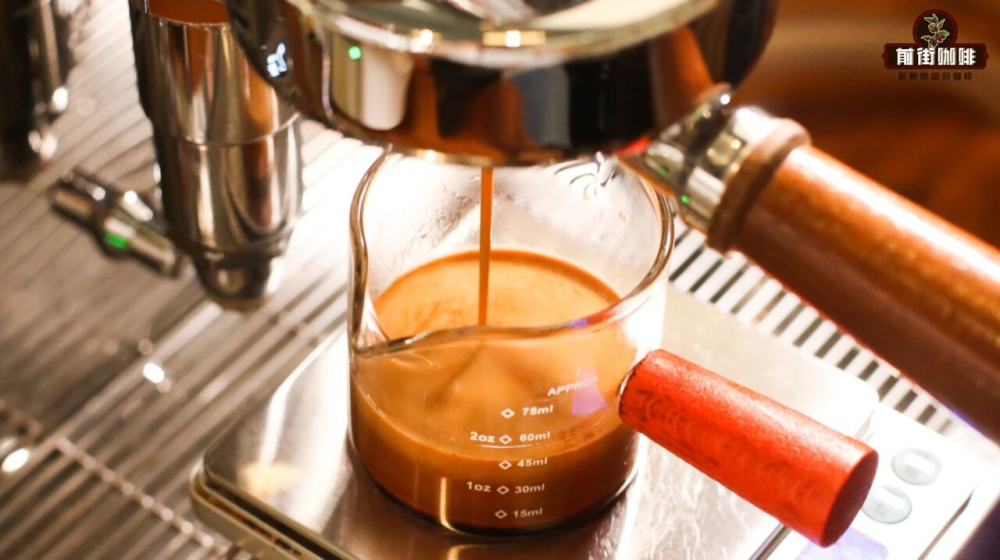
The method for pour-over coffee is to first grind the coffee beans into powder, then pour hot water into the coffee bed to dissolve the coffee substances. Using a dripper with filter paper or other tools to separate the coffee grounds and prevent them from falling into the server, you can get a cup of clear black coffee. Front Street believes that to brew a good pour-over, in addition to high-quality coffee beans, you need at least a gooseneck kettle, a dripper and filter paper, a server, a grinder, a digital scale, and a thermometer.
Pour-over coffee does not rely on pressure and has a softer mouthfeel, so it better reflects the taste of the coffee beans themselves, and we can choose different flavors according to our preferences. Front Street shares several highly recognizable single-origin beans to help everyone make delicious hand-brewed coffee.
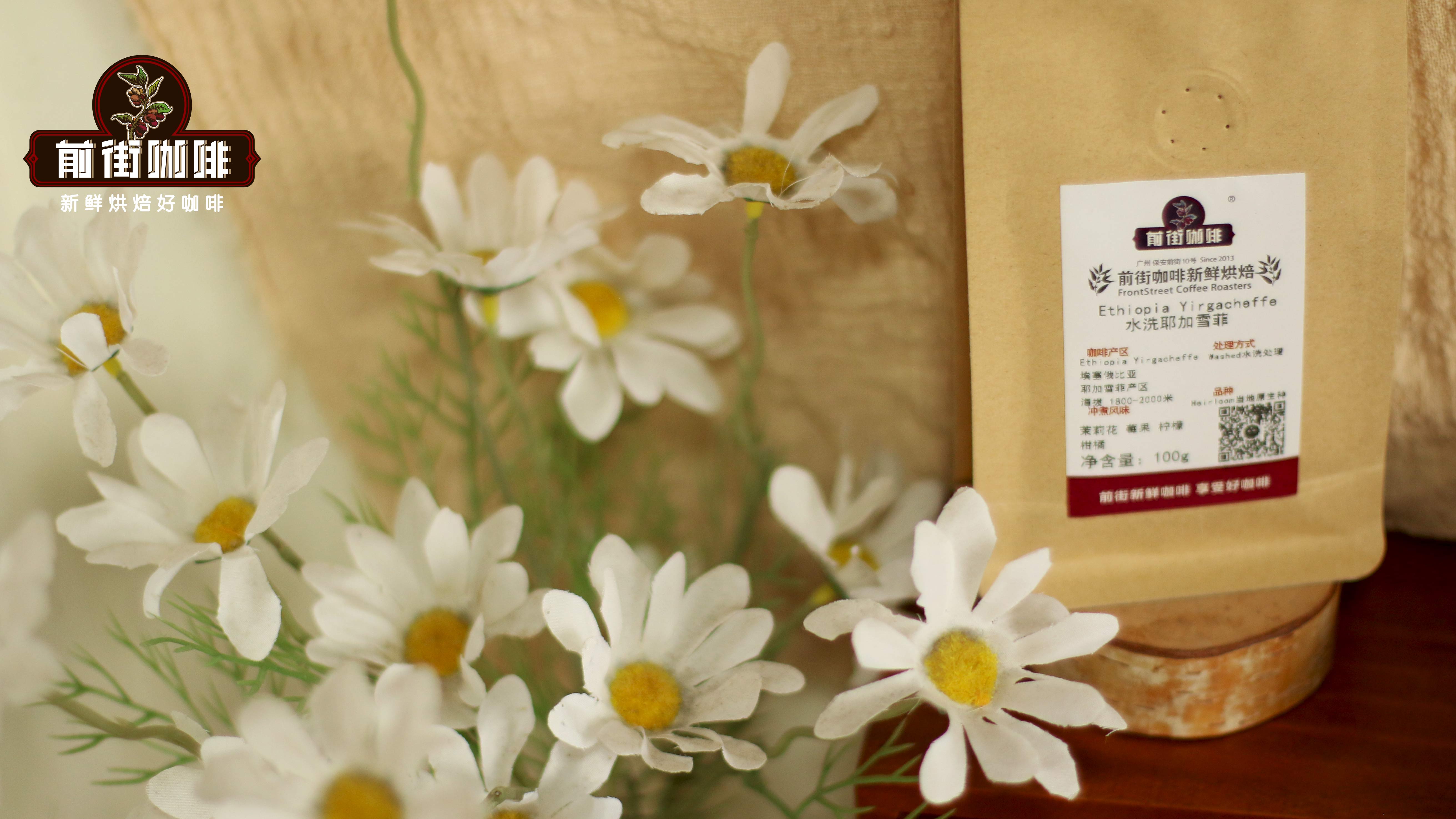
1. Front Street Washed Yirgacheffe Coffee Beans Country: Ethiopia Region: Yirgacheffe Altitude: 1,800-2,000 meters Variety: Local heirloom varieties Processing Method: Washed Flavor: Jasmine, berries, lemon, citrus
Yirgacheffe is a small town in Ethiopia, at an altitude of 1,700-2,100 meters. It is one of the highest coffee-producing regions in the world and also synonymous with Ethiopian specialty coffee. Lake Turkana, Lake Abaya, and Lake Chamo bring abundant moisture to the area. The rift valley area, represented by the Misty Valley, is shrouded in fog all year round, with spring-like weather in all four seasons, and a cool, moist breeze. Thousands of coffee trees thrive here, creating the unique terroir of Yirgacheffe with its interwoven floral and fruity aromas. The so-called Yirgacheffe flavor refers to rich citrus-lemon acidity, intense jasmine aroma, a light and elegant mouthfeel with a tea-like quality, drinking like a refreshing lemon tea.
Washed Processing Method: Place the sorted coffee cherries into a depulper to initially remove the skin and pulp; place the green coffee beans with residual pulp and mucilage into water to ferment for about 24 hours; after fermentation, place the green coffee beans with parchment into a flowing water channel to wash off the pulp and mucilage; after washing, dry them in the sun or with a dryer to reduce the moisture content to about 12%. Finally, remove the parchment from the green coffee beans.
Front Street takes into account that washed processing better reflects the cleanliness of the coffee's mouthfeel and the purity of its flavor, so when analyzing the specific flavor of a region, it uses the washed beans from that region as a reference. For every beginner who has not tried Yirgacheffe, Front Street also recommends the washed version first, which helps form an understanding of the region's flavor, and later when trying natural, honey-processed, and other Yirgacheffe coffees, there will be a direction for comparison.
Although this washed Yirgacheffe is graded G2 (Ethiopia grades by defect rate, and G2 allows 4-12 non-severe defective beans per 300g of green beans), Front Street Coffee performs two manual screenings for defective beans before roasting to ensure the quality of each batch of coffee.
Front Street Coffee Brewing Recommendation Water temperature: 90-91°C Grind size: EK43s grinder setting 10 (caster sugar size / 80% passing a No. 20 sieve) Coffee-to-water ratio: 1:15 Dose: 15 grams
Front Street brewing method: In the first stage, pour 30 grams of water and bloom for 30 seconds, then pour 95 grams (digital scale shows about 125 grams), finishing the pour in about 1 minute. When the water level drops to 2/3 of the coffee bed, pour the remaining 100 grams (digital scale shows about 225 grams), finishing the pour in about 1 minute 40 seconds. Dripping is completed at 1'55''-2'00'', remove the dripper, and extraction is complete.
Brewed flavor: Jasmine aroma, berry juice-like quality, lemon and citrus acidity, overall bright, clean, and refreshing.

Front Street Costa Rica Tarrazu Coffee Beans Country: Costa Rica Region: Tarrazu Altitude: 1,500 meters Variety: Caturra, Catuai Processing Method: Washed Flavor: Sweet orange, honey, toffee, nuts
Costa Rican coffee has always been known for its balanced flavor, rich chocolate notes, and smooth mouthfeel. Tarrazu is located south of the capital San José and is one of the most valued coffee-growing areas in Costa Rica. Tarrazu coffee beans are plump, with a rich body, smooth mouthfeel, rich chocolate and nut aromas, moderate acidity, and an appealing fragrance.
Processing Method: The washed processing method places the sorted coffee cherries into a depulper to initially remove the skin and pulp. Place the green coffee beans with residual pulp and mucilage into water to ferment for about 24 hours. After fermentation, place the green coffee beans with parchment into a flowing water channel to wash off the pulp and mucilage. After washing, dry them in the sun or with a dryer to reduce the moisture content to about 12%, and finally remove the parchment from the green coffee beans.
Front Street Brewing Recommendation Water temperature: 90-91°C Grind size: EK43s grinder setting 10 (caster sugar size / 80% passing a No. 20 sieve) Coffee-to-water ratio: 1:15 Dose: 15 grams
Front Street Brewing Method In the first stage, pour 30 grams of water and bloom for 30 seconds, then pour 95 grams (digital scale shows about 125 grams), finishing the pour in about 1 minute. When the water level drops to 2/3 of the coffee bed, pour the remaining 100 grams (digital scale shows about 225 grams), finishing the pour in about 1 minute 40 seconds. Dripping is completed at 2:03, remove the dripper, and extraction is complete.
Brewed flavor: Sweet orange acidity and sweetness on entry, pronounced nut and chocolate flavors in the middle, long caramel aftertaste, with some cedar aroma, overall balanced.
Front Street Indonesia Lintong Mandheling Coffee Beans Country: Indonesia Region: Sumatra Lintong Altitude: 1,100-1,600 meters Variety: Typica, Caturra Processing Method: Wet-hulled Flavor: Baked toast, nuts, caramel, pine, herbs
Mandheling is actually not a coffee bean variety, nor a region name, but the name of a tribe. It was mistakenly thought by the Japanese to be the name of a coffee bean, and it has been used that way ever since.
Lintong Mandheling comes from the Lintong mountains in north-central Sumatra, near Lake Toba. Lintong Mandheling is the regular version of Mandheling, using the conventional wet-hulled method, which creates its low acidity and high body. However, the wet-hulled method can lead to a situation: semi-hard, semi-soft moist green beans are easily crushed when the mucilage and parchment layer are removed, and the beans crack open like goat hooves, commonly known as goat hoof beans. This is not a defective bean, but a very notable characteristic of Mandheling.
Coffee Processing Method: The wet-hulled method is a fast way to process coffee beans: remove the skin and pulp, briefly ferment and then sun-dry, then remove the mucilage and parchment layer, continue drying in the later stage until the moisture content drops to 12%. Wet-hulled Mandheling coffee beans clearly have varying degrees of crushing cracks, and the bean color tends toward dark bluish-green.
Front Street Brewing Recommendation Front Street uses a Kono dripper when brewing Mandheling. Kono's ribs do not reach halfway up the dripper's height. This design ensures that the filter paper sticks closely to the dripper wall after wetting, restricting airflow, thereby increasing the time for coffee grounds to absorb water, making extraction more even, and enhancing the rich mouthfeel. There is also the groove framework at the bottom of the Kono dripper, which is the key design that creates a siphon effect during brewing.
Suggested water temperature: 87-88°C Grind size: EK43s grinder setting 11 (coarse sugar size) Coffee-to-water ratio: 1:15 Dose: 15 grams
Front Street Coffee brewing method: Use 30 grams of water to bloom for 30 seconds, then pour in a small stream in circles until 125 grams, at which point pause in stages. When the water level drops and is about to expose the coffee bed, continue pouring until 225 grams and stop. When the water level drops and is about to expose the coffee bed, remove the dripper. (Start timing from the beginning of the bloom.) Extraction time is 2'00''.
Brewed flavor: Herbal medicinal notes on entry, dark chocolate, caramel, sweet aftertaste.
The above content is compiled by CoffeeHunters, a coffee news website.


