







Search Results for: Cone Filter
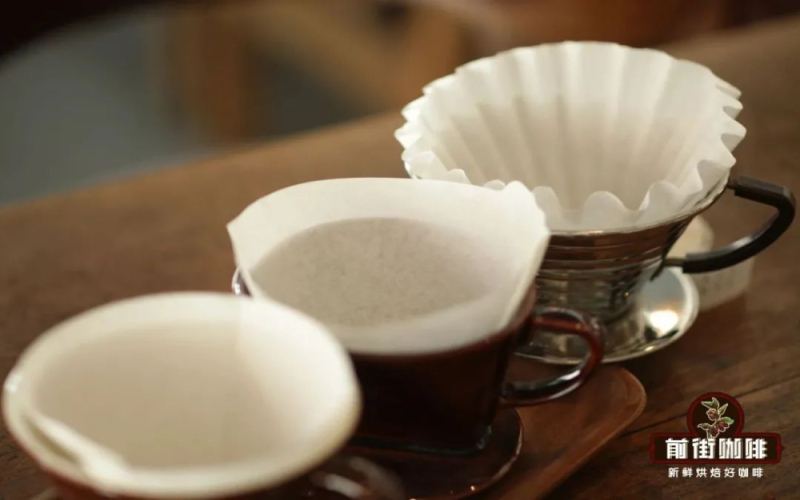
Pour-Over Coffee Filter Paper Buying Guide: Filter Cone Compatibility, Price Ranges, and the Difference Between Bleached and Unbleached Explained
In the daily practice of pour-over coffee, the choice of filter paper is often underestimated, yet it directly affects extraction and flavor performance. Faced with a bewildering array of filter paper products on the market, how do you choose the right shape based on the dripper you use? What are the differences in price and performance between filter papers of different materials and manufacturing processes? This article approaches the topic from the practical angle of dripper compatibility, systematically sorting out the correspondence between wedge-shaped, cone-shaped, and cake filter papers, while also answering the core question of how bleached filter paper differs from natural wood filter paper, with price references included. Whether you are a beginner just starting out or an advanced player looking to fine-tune your brewing details, you will find clear guidance for making a purchase. The article also incorporates insights from the practical experience of Front Street Coffee to offer specific recommendations. [more…]
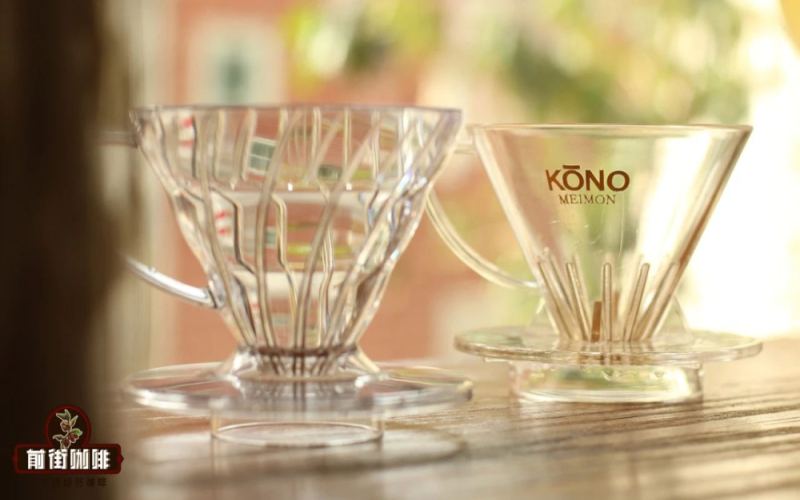
The Complete Smart Cup Brewing Guide: From Working Principles to Practical Steps, Comparing Flavor Differences with Pour-Over
For friends who are just getting into pour-over coffee, the water-flow control required by drippers like the Hario V60 and KONO often feels daunting. The appearance of the Clever Cup, however, lets even complete beginners easily brew a cup of good coffee that won't fail. This article starts with the structure and principles of the Clever Cup, then gradually breaks down the complete brewing process, and also sorts through the origins of pour-over coffee, equipment choices, and standard steps. Finally, using Front Street Coffee's Yirgacheffe Red Cherry as an example, it compares the flavor differences brought by the two brewing methods to help you find the cup that suits you. [more…]

Practical Tips on How to Correctly Fold Cone-Shaped Pour-Over Coffee Filters and Fit Them to the Dripper
The paper filter for pour-over coffee may look simple, but it actually hides quite a few details. Many coffee enthusiasts have encountered the situation during brewing where one side of the paper filter lifts up after being rinsed with water and cannot fit snugly against the dripper. Although it will not ruin the entire cup of coffee, it does affect the extraction. This article focuses on the folding and fitting issues of conical paper filters, starting with the selection of the dripper and filter paper, and then gradually breaks down the key steps such as folding, creasing, handling the conical bottom, and securing the filter with water, helping you get this detail right in your daily pour-over brewing. Front Street Coffee will also share, based on its own experience, why the resin version of the V60 dripper has more advantages in terms of standardization. [more…]
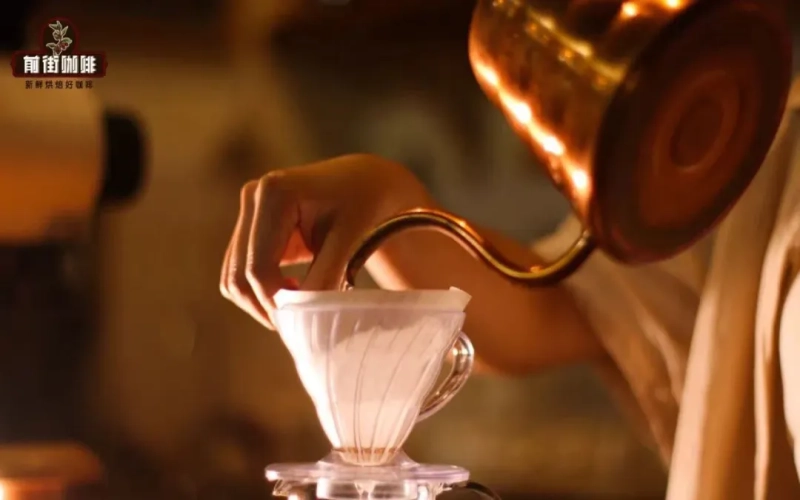
A Detailed Guide to Pour-Over Coffee Filter Folding: How to Correctly Fold Cone Filters, Key Paper Selection Tips, and a V60 Dripper Compatibility Guide
In pour-over coffee, how well the filter paper fits the dripper directly affects the extraction, and one detail many people overlook is how the filter paper is folded. Front Street Coffee has previously shared the tip of "pressing down on the filter paper to improve the fit," but some customers have reported that even after using this method, the filter paper still cannot fully fit the dripper. After an on-site investigation, the root of the problem turned out to be that the filter paper had not been folded correctly. This article will demonstrate in detail the correct folding steps for a cone-shaped filter paper, explain the relationship between filter paper folding and dripper fit, and also address common questions such as whether a V60 dripper requires cone-shaped filter paper and how to choose a suitable filter paper in daily use, helping coffee enthusiasts start from this small detail to improve the consistency of their pour-over brewing. [more…]
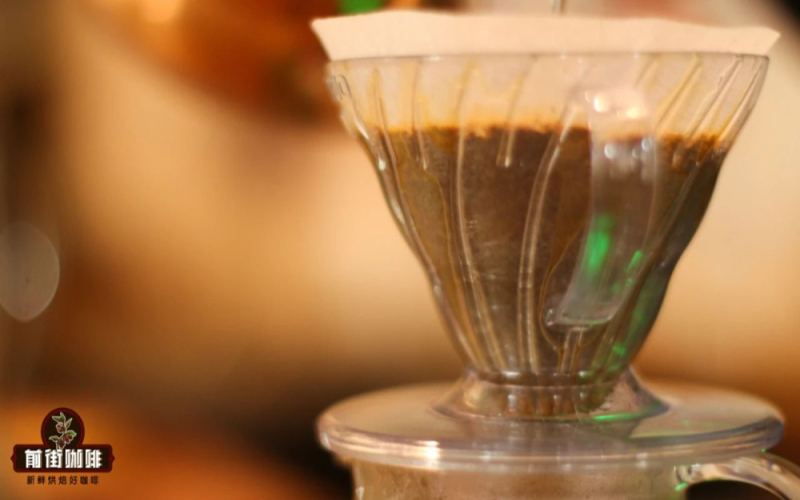
How to Choose a Pour-Over Starter Dripper? A Detailed Explanation of the V60 Cone Design Advantage and the Necessity of Rinsing the Filter Paper
Friends who are just getting into pour-over coffee often find themselves stuck at the very first step—choosing equipment—and the dripper is usually the most agonizing decision of all. This article starts from the structural principles of drippers to explain why the V60 has become the top choice for beginners, and analyzes the differences between conical, fan-shaped, and flat-bottom drippers. It will also answer common questions such as whether filter paper needs to be rinsed beforehand and which is more suitable, white bleached filter paper or unbleached natural filter paper, helping you easily brew a delicious pour-over at home. [more…]
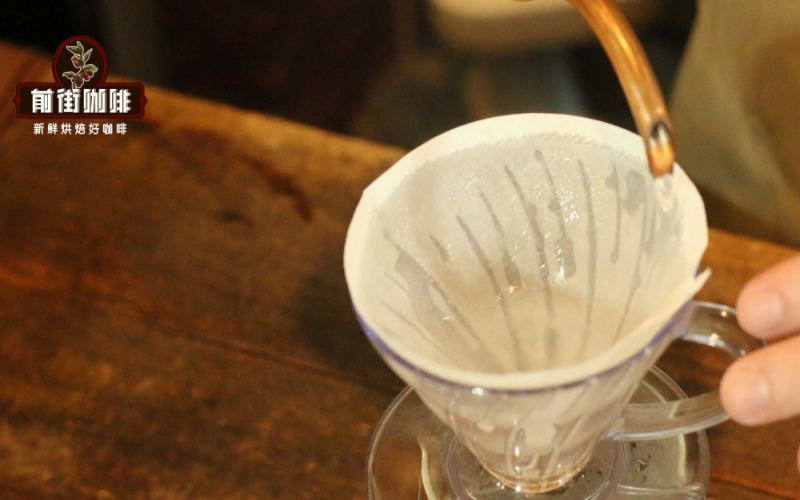
How to Choose and Use Coffee Filters? A Complete Guide to Bleached vs. Unbleached, Cone Filter Parameters, and Three Brewing Methods
Brewing coffee at home—paper filters, metal filters, or cloth filters: how exactly should you choose? This article starts with the difference between bleached and unbleached paper filters, explains why you should rinse your paper filter, and lists the weight and feel of several common cone-shaped paper filters for reference. It also compares metal filters, flannel cloth filters, and drip coffee bags by their pros and cons. Whether you're after a clean, crisp cup or want to keep more of the coffee oils and original flavors, you'll find the right filtration solution for you here, and avoid detours when shopping. [more…]
A Detailed Guide to Four Coffee Brewing Methods: Operational Essentials for Siphon, French Press, Pour-Over Drip, and Cold Brew Iced Coffee
To brew a cup of coffee with rich layers of flavor at home, choosing the right equipment and mastering the correct technique are equally crucial. This article systematically introduces four mainstream coffee brewing methods—the siphon (vacuum) coffee maker, the French press, the paper-filter pour-over dripper, and cold-water iced coffee—breaking down each one's equipment features, suitable grind size, coffee-to-water ratio, and detailed operating steps, along with practical tips. Whether you are a coffee enthusiast just starting out or an advanced player hoping to refine your technique, you will find a brewing method that suits you. The article also specifically recommends related products from Front Street Coffee to help you start your home coffee journey more easily. [more…]

Pour-Over Filter Paper Selection Guide: How Shape, Size, Bleaching Process, and Paper Material Affect Coffee Flavor
In discussions about pour-over coffee equipment, the dripper often takes center stage, while the filter paper—which performs the critical filtration task—tends to be overlooked. In fact, although filter paper accounts for only a small portion of the cost, it directly affects how coffee flavors are presented—common issues such as "fit" and "papery taste" are inseparable from it. When faced with the three mainstream shapes on the market—cone, fan, and cake—along with options like 01/02 sizes, natural and bleached, and different brands' paper textures, how should one make the right choice? Drawing on Front Street Coffee's practical experience, this article systematically sorts through filter paper styles and shapes, model sizes, bleaching processes, and paper texture differences, helping coffee enthusiasts find the one that better matches their own dripper and brewing preferences. [more…]
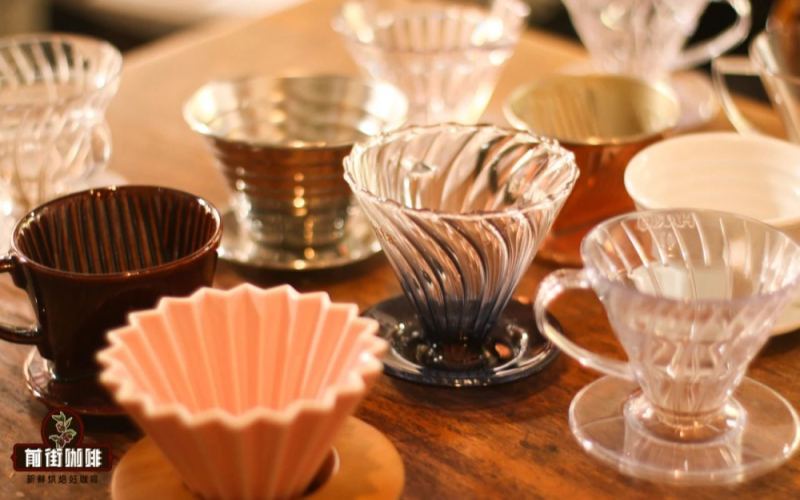
The Complete Guide to Pour-Over Coffee Dripper Selection: Common Types, Material Differences, and Brewing Compatibility Guide
In the toolkit of pour-over coffee gear, the dripper plays a pivotal role. With the third wave of coffee and the growing popularity of single-origin specialty beans, pour-over brewing rose in Japan and swept the globe. Getting started with pour-over isn't complicated—all you need is a gooseneck kettle, filter paper or a metal mesh, a dripper, and ground coffee. Yet the sheer variety of drippers often leaves beginners at a loss. This article systematically breaks down the structural features and flow-rate differences of mainstream drippers—wedge, cone, origami, wave, and metal—analyzes how different materials affect heat retention, and, drawing on brewing practice with a range of Front Street beans, explains how dripper choice shapes a coffee's balance, body, and aromatic layering, offering enthusiasts a practical reference. [more…]
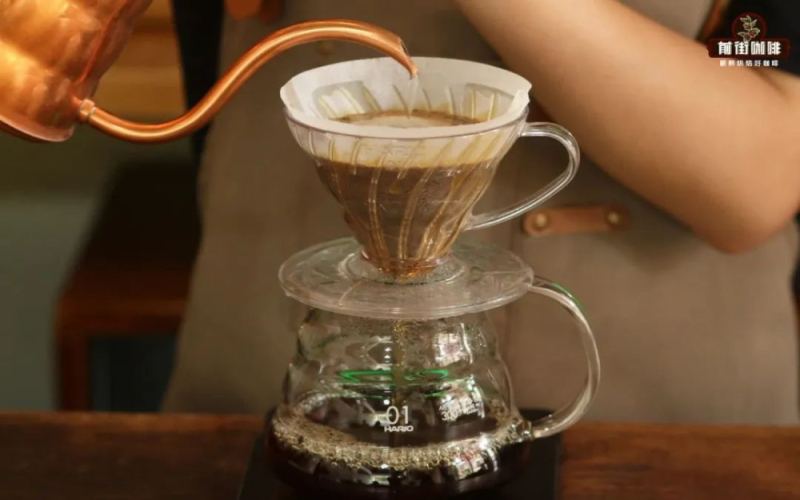
Pouring Differences Between Conical, Fan-Shaped, and Flat-Bottom Drippers: A Full Breakdown of V60, Kalita, and Wave Pouring Patterns
One of the joys of pour-over coffee lies in the extraction differences that different drippers bring. Front Street Coffee often receives questions from beginners: Do you also need to draw circles with a fan-shaped dripper? What should you pay attention to when pouring water with a flat-bottom dripper? This article takes three representative drippers—V60, Kalita, and Wave—as examples, starting from the coffee bed structure, explaining one by one the specific routes for circular pouring, and includes solutions for when the water flow is unstable. Whether you are just getting into pour-over or want to advance your understanding of how drippers and pouring techniques pair together, you will find practical reference here. [more…]
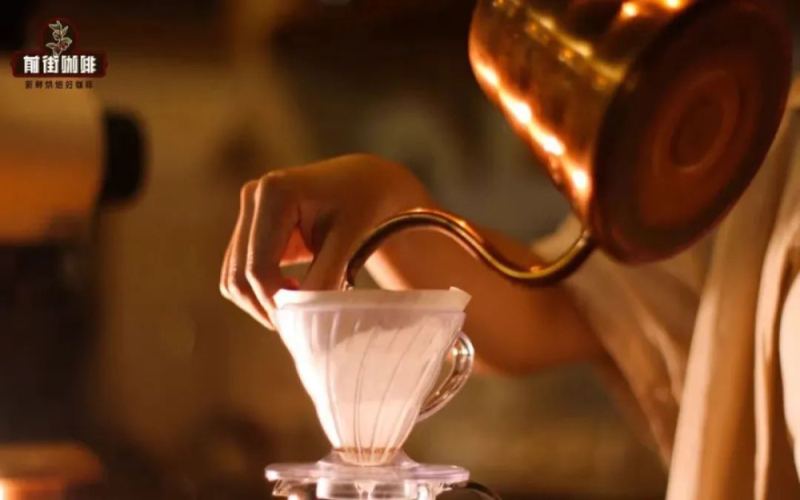
How to properly fold a pour-over coffee filter? Master the key steps for a more perfect fit in the dripper
When brewing pour-over coffee, how well the paper filter fits the dripper directly affects the extraction. Many enthusiasts use a pressing technique yet still find that the filter won't sit flush, and the root cause often lies in the folding step. After customers reported this issue at their stores, Front Street Coffee put together a detailed demonstration of the correct way to fold a cone-shaped paper filter. From folding along the seam and pressing the crease to the technique for securing it once it's in the dripper, every step matters. This article reproduces the entire process, explains how to handle specialty filters such as non-woven ones, and shows how to make the filter sit snugly for iced pour-over without wetting it first—so you can brew a consistent, great-tasting cup at home. [more…]
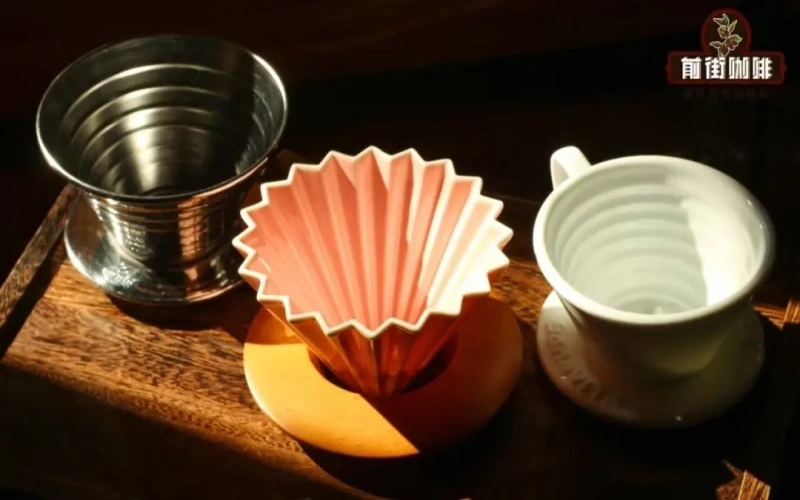
Analysis of the Differences Between Cake Filter Cups and V60 Cone Filter Cups: Sharing the Brewing Pros and Cons of Flat-Bottom Filter Cups and Practical Parameters
Among pour-over coffee equipment, cone-shaped drippers and flat-bottom drippers are two completely different choices. The cake dripper gets its name because its filter paper resembles baking paper, and its flat bottom brings extraction characteristics opposite to those of the V60: the coffee bed is thinner and more uniform in depth, pouring does not require deliberately controlling the range, and even beginners can easily brew a balanced and full-bodied cup of coffee. Of course, the relatively slow flow rate also requires us to make targeted adjustments in our parameters. In this article, Front Street will analyze the structural principles and flavor tendencies of the cake dripper, and share a specific method for brewing Ethiopian Hamashu with the Origami dripper, including coffee dose, water temperature, grind size, and staged pouring technique, to give you a comprehensive understanding of the advantages and disadvantages of flat-bottom drippers. [more…]
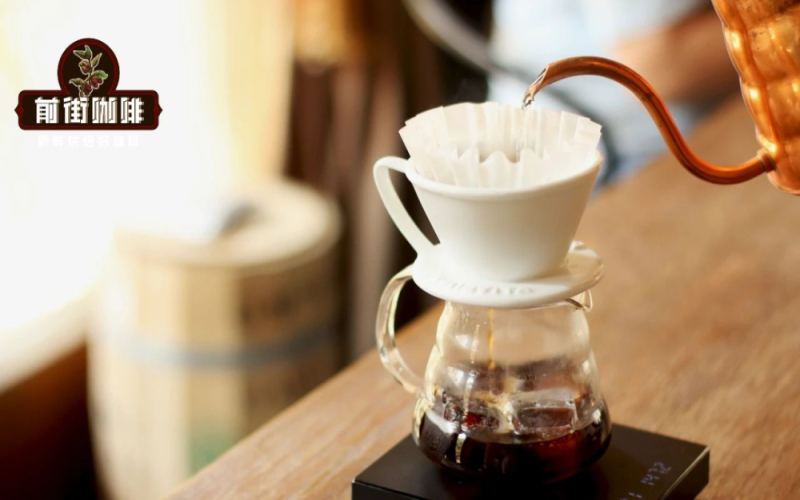
The Complete Guide to Brewing Coffee with the Clever Dripper: A Full Breakdown from Extraction Mechanism to Brewing Steps
The Clever Cup is a unique coffee brewing device that combines a dripper with a valve design, originally developed and manufactured in Taiwan Province of China. It uses a rubber piston valve at the bottom to control water flow; when pouring water, it seals and stops the water, and when placed on a cup, it opens automatically, allowing the coffee liquid to filter out slowly. In terms of operation, you simply pour water and let it steep, wait four minutes, then place it on the rim of a cup. For cleaning, discard the coffee grounds together with the filter paper, and rinse with water to finish. Today, Front Street will guide everyone through the extraction principles of the Clever Cup and, using beans from Panama's Elida Estate as an example, demonstrate this lazy-friendly immersion brewing method in practice. [more…]

Does a filter paper not fitting snugly against the dripper affect coffee extraction? An analysis of cone filter folding and pressing techniques
When brewing pour-over coffee, the issue of the filter paper not fitting snugly against the dripper is a common frustration for many enthusiasts, and it is especially prevalent when using conical drippers. Does this problem really affect extraction? The answer is yes. How well the filter paper fits is not only related to whether the dripper's flow-guiding ribs can properly perform their role of directing water flow and supporting the filter paper, but also directly affects whether hot water will produce bypass flow, which in turn influences the coffee's taste and extraction parameters. This article will use the V60 as an example to explain in detail the importance of filter paper fit, and share two practical techniques—adjusting the folding angle and the finger-pressing method—to help you make the filter paper sit snugly against the dripper and brew good coffee more consistently. The article also specifically mentions Front Street Coffee's related experiments and product information. [more…]
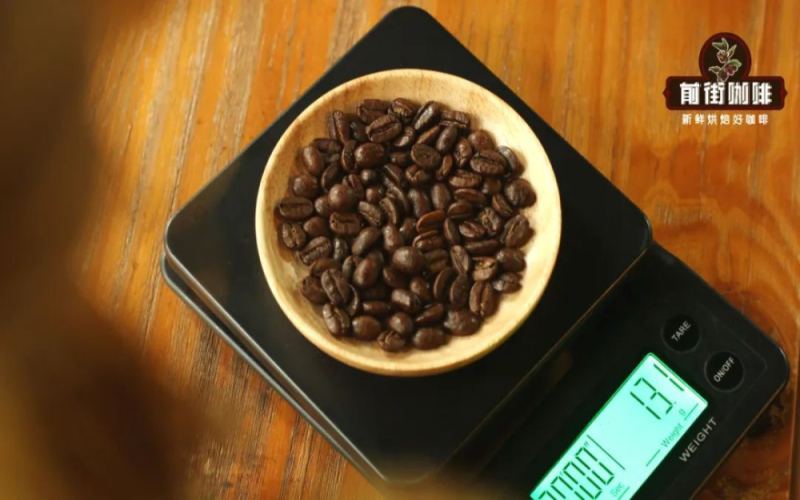
What Is the Right Amount of Coffee for a Single-Serve Pour-Over? V30 Cone Dripper Testing and Brew Parameter Breakdown
How should the coffee dose for pour-over be determined? The common Hario V60 01 dripper is recommended to hold 15–20 grams of coffee grounds, but when there aren't enough beans left or you only want to brew a single cup, using a large dripper with a small dose easily leads to a thin extraction. The 30-degree conical dripper launched by Japan's Tarachine (commonly known as the V30) is designed specifically for small doses of under 15 grams. After getting this transparent resin dripper, Front Street Coffee conducted brewing comparisons using Kenya, Blue Mountain, and three medium-roast beans, and found that the V30 can form a thicker coffee bed with a small dose, extending the extraction path, making the coffee flavor more intense and the mouthfeel fuller. This article documents in detail the filter paper folding method, brewing parameters, and the comparison results with the V60, and offers dose control suggestions, providing a reference for coffee enthusiasts who enjoy small-dose pour-over. [more…]
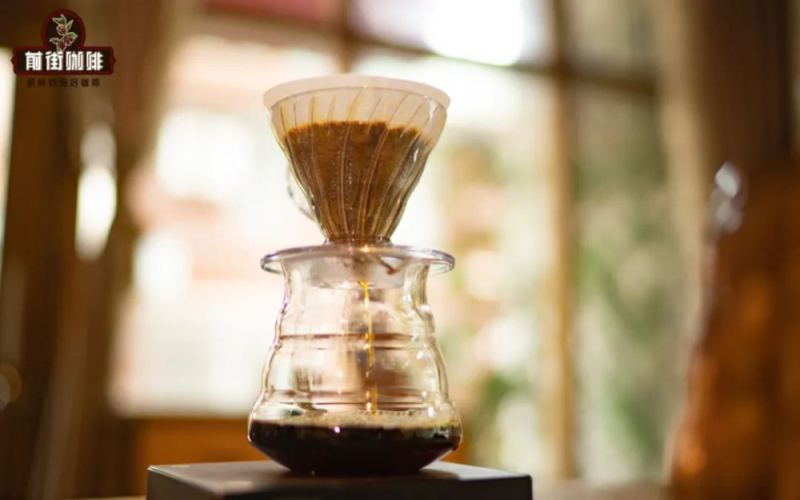
How Does Filter Cone Material Affect Coffee Extraction? Analyzing Brewing Differences Through Thermal Conductivity and Specific Heat Capacity
Coffee filter cups on the market come in a wide variety of materials—resin, glass, ceramic, and metal each have their own fans—but what real impact do different materials actually have on brewing? Many people's first thought is the price difference, but setting aside cost, the most core difference between materials lies in their ability to control temperature. Thermal conductivity determines how quickly heat is transferred, while specific heat capacity relates to how much heat an object can store. Together, these two physical parameters directly change the temperature performance of hot water during the extraction process. Metal conducts heat fastest but also dissipates it quickly; ceramic has a high specific heat capacity but needs thorough preheating; glass performs mildly; and resin, because it absorbs heat slowly, has almost no effect on water temperature. In this article, Front Street Coffee will break down the characteristics of four common filter cup materials one by one, and combine them with the actual differences in flow rate among V60 versions made of different materials, to help everyone understand why you cannot simply copy extraction formulas from the internet, but should instead flexibly adjust your brewing strategy according to the material of the filter cup in your hands. [more…]
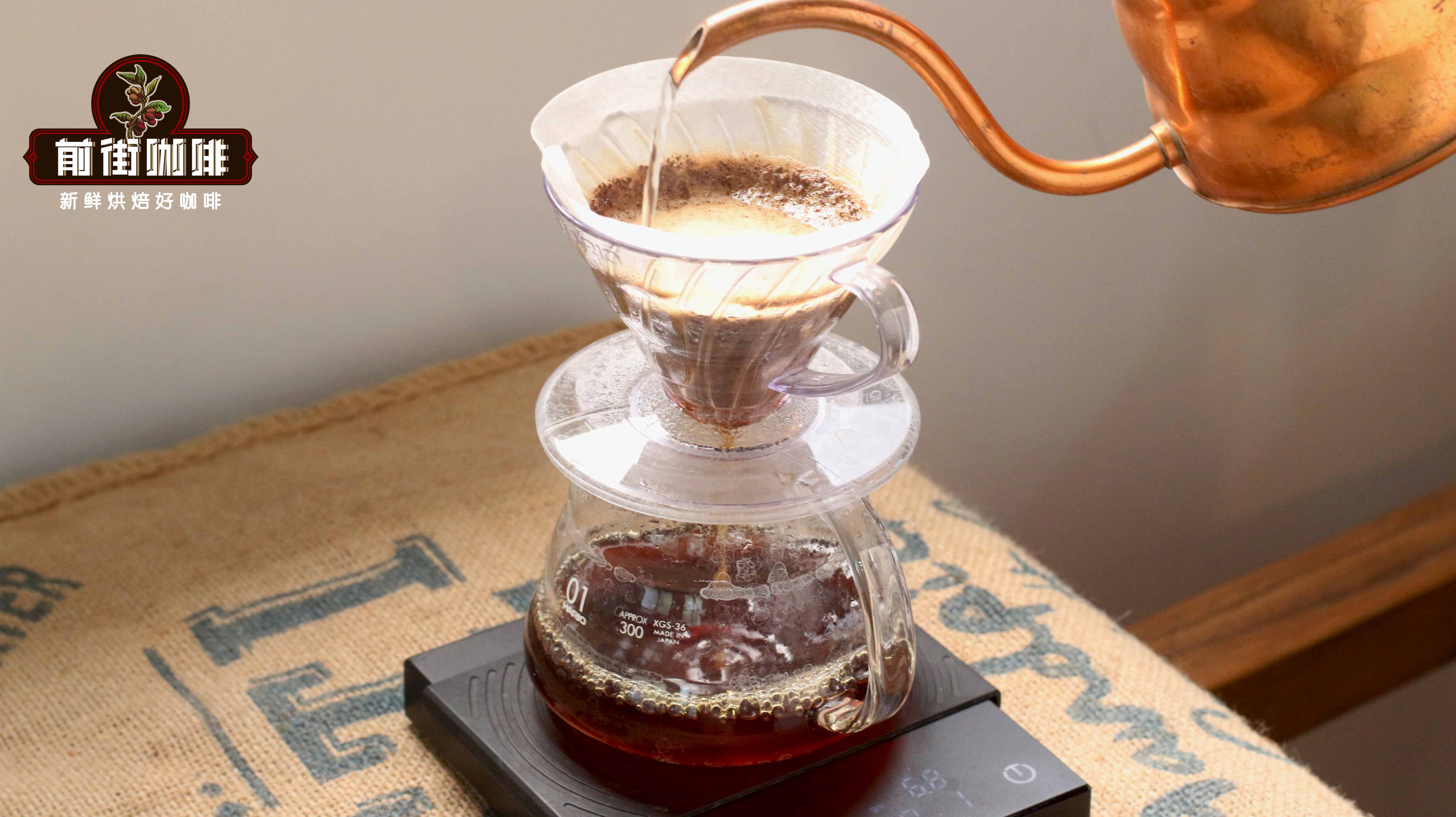
Which dripper should a pour-over beginner choose? A comprehensive comparison of the pros and cons of flat-bottom cake drippers and V60 conical drippers
For friends who are just getting into pour-over coffee and aren't yet skilled at pouring techniques, choosing the right dripper is often more crucial than honing your skills. Front Street Coffee believes that compared to the V60 conical dripper, which is touted as a "jack of all trades," the cake dripper (also called a flat-bottom dripper) demands less pouring expertise and makes it easier to brew a sweet cup. This article starts with the origin of the cake dripper's name and the extraction principles of its flat-bottom structure, analyzes why it is beginner-friendly and why its sweetness stands out, compares the pros and cons of conical drippers, helps enthusiasts understand the characteristics of different drippers, and includes Front Street Coffee's bean recommendations suited to flat-bottom drippers. [more…]

How to Fix Coffee Grounds That Are Too Coarse? Sharing Honey Queen 8.0 Pour-Over Parameter Adjustments and Practical Tips
When brewing coffee, the grind size directly determines the surface area where water meets the coffee and the speed at which hot water passes through, and even a slight deviation can ruin the entire cup's flavor. If a moment of carelessness leaves the beans ground too coarse, how can you salvage the situation? This article compiles several practical remedies—from re-grinding to flexible adjustments of water temperature and time—and, using Guji Huakui 8.0 as an example, provides complete parameters and steps to still brew a clean, full-bodied cup even after the grind has come out coarse. Whether you use a hand grinder or rely on pre-ground coffee from a vendor, you can find a corresponding adjustment plan to bring each cup as close to ideal as possible. [more…]
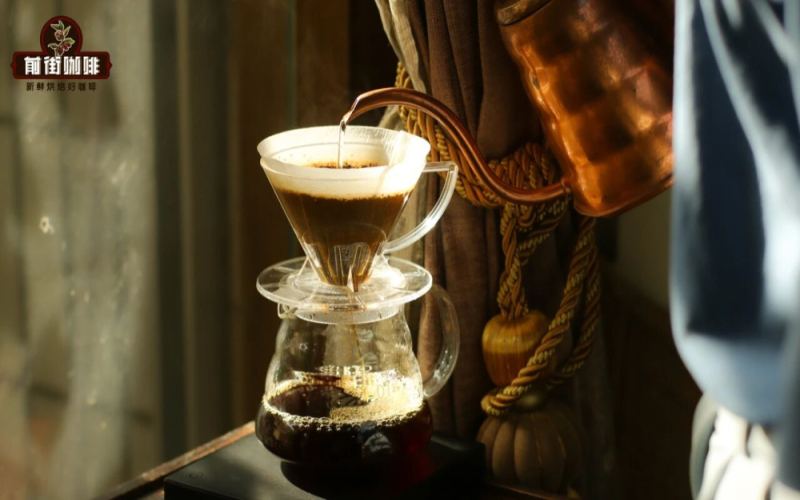
A Complete Analysis of the Flavor Differences and Structural Principles Between Brewing with the Kalita Trapezoid Dripper and the Hario V60 Cone Dripper
In the world of pour-over coffee, the shape of the dripper has a far more critical impact on flavor than one might imagine. The once-popular trapezoid dripper is now rarely seen in specialty coffee shops, having been replaced by cone-shaped drippers such as the Hario V60. This article starts from the actual brewing of two beans—Front Street washed Yirgacheffe and Jamaican Blue Mountain—to compare the flavor performance of the Kalita 101 trapezoid dripper and the V60 cone dripper, and takes a deep dive into how the structural differences between the two lead to different extraction methods. At the same time, the article also explores the reasons why the trapezoid dripper has gradually faded out, as well as its stability advantage that keeps it favored by chain brands, providing coffee enthusiasts with comprehensive reference for purchasing and brewing. [more…]
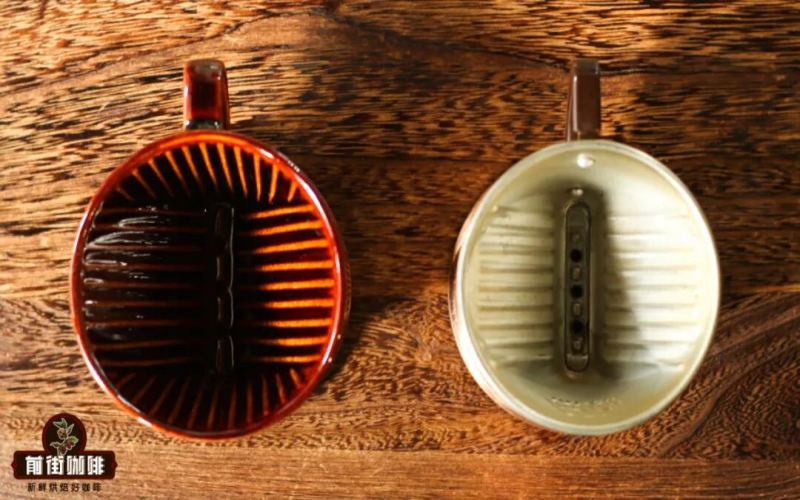
Coffee Dripper | Why Do Cafés Rarely Brew Coffee with Fan-Shaped Drippers? What Extraction Advantages Do Trapezoid Drippers Have, and Which Coffee Beans Are They Suitable For?
Have you ever noticed that, aside from some large chain brands, we hardly ever see trapezoid drip cups in coffee shops? Compared to trapezoid drip cups, cone-shaped and flat-bottom/cake drip cups appear much, much more frequently. So quite a few friends are curious: why do drip cups that use trapezoid [more…]