








Can Coarse Coffee Particles Be Saved After Grinding?
Coffee particles that are too coarse expose less surface area to hot water and let it pass through faster, so the cup tastes weak and under-extracted. Re-grinding the coarse particles is one fix, though it suits hand grinders better and produces more fines. Raising water temperature and extending brew time are the other main adjustments.
The article works through Guji Huakui 8.0 pour-over parameters step by step to show how a coarse grind can still yield a clean, full-bodied cup. Forgetting to reset the grinder between brews is a common cause of the problem, and pre-ground coffee from a merchant needs its own adjustment plan to bring the extraction back in line.
When brewing coffee, the grind size directly determines the surface area of contact between water and coffee as well as the speed at which hot water passes through—even a slight deviation can ruin the entire cup's flavor. If a moment of carelessness leads to grinding the beans too coarse, how can you salvage it? This article compiles several practical remedial approaches—from re-grinding to flexible adjustments of water temperature and time—and uses Guji·Huakui 8.0 as an example to provide complete parameters and operational steps for achieving a clean, full-bodied taste even after coarse grinding. Whether you're a hand grinder user or using pre-ground coffee from a merchant, you'll find a corresponding adjustment plan to bring each cup back to its ideal state as much as possible.

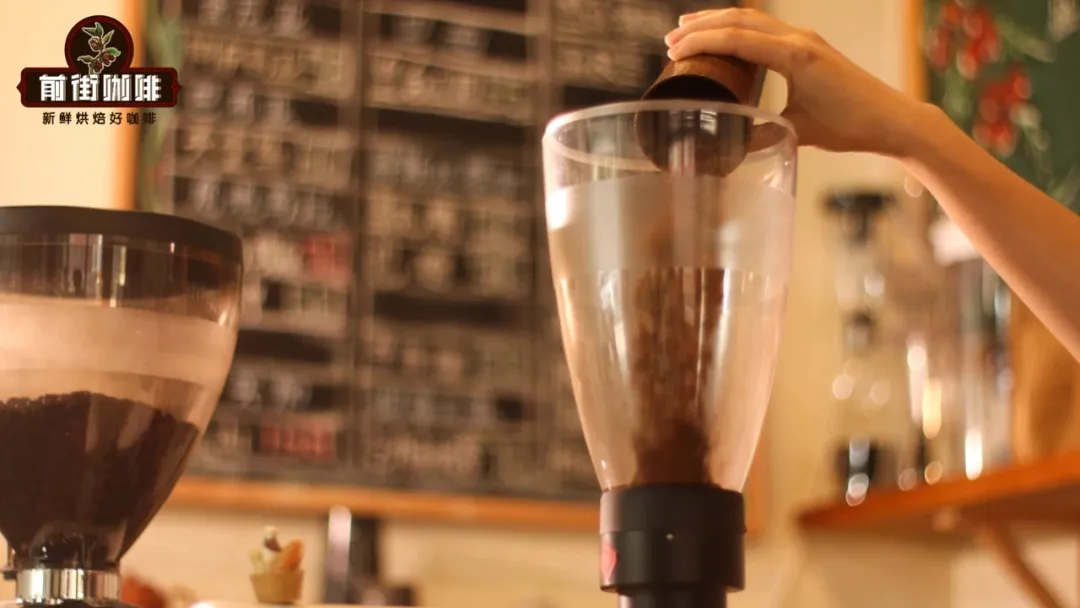

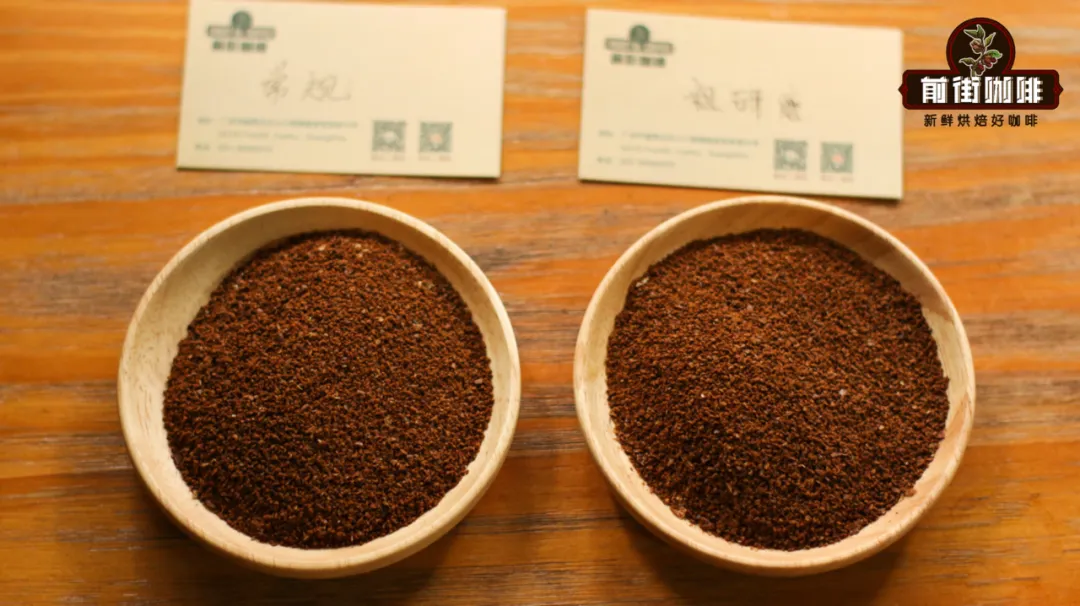
First, let me ask: how many people remember to check the grind setting before every grind? I'm afraid many have had this experience—only after finishing grinding do they realize the setting wasn't adjusted, and the beans were ground to a coarseness that doesn't suit them at all.
Front Street Coffee
Honestly, forgetting to adjust the grinder is not uncommon in daily brewing. The setting stays untouched, and what should have been a fine grind turns out coarse—or the reverse.
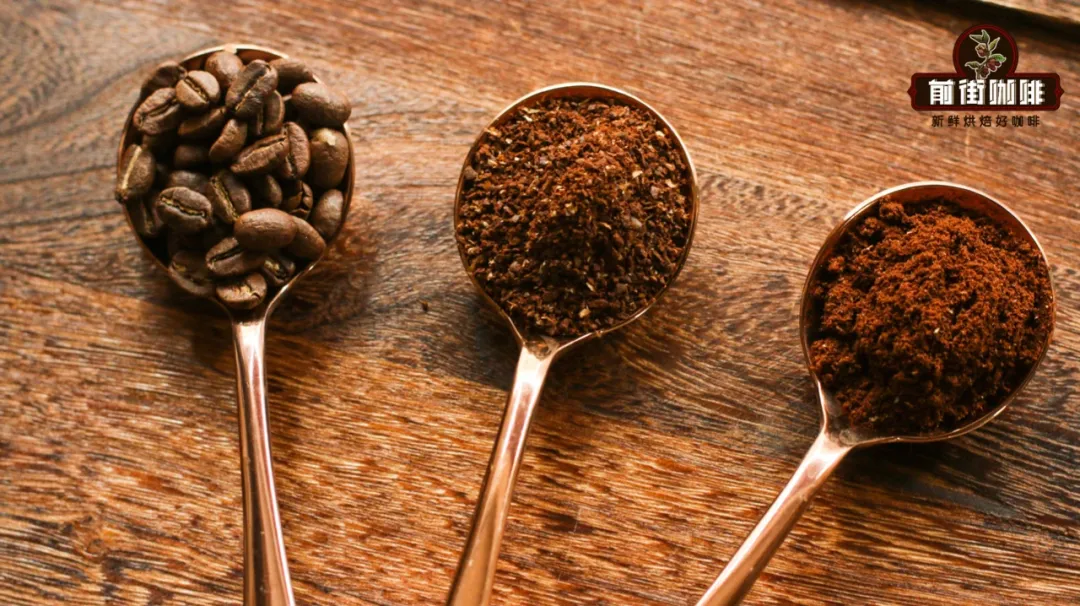
The reason grind size is so critical is that it directly determines the surface area of contact between coffee particles and hot water, and in drip extraction it also governs how fast water passes through. In other words, whether the grind is appropriate largely decides the success or failure of a cup.
Once the actual grind deviates from the recipe's setting, overall extraction efficiency suffers, and the brewed coffee is naturally unsatisfactory. Previously, Front Street Coffee discussed how to handle coffee ground too fine, so today let's talk about: what can be done when coffee is ground too coarse?
What to Do When Coffee Is Ground Too Coarse?
Compared to the fine-grind scenario, there are actually more补救 options available after coarse grinding. For example, the re-grinding method Front Street Coffee introduced earlier is worth trying—sending the already-coarse particles back through the grinder for another pass to get closer to the target coarseness.
However, this approach has limitations: on one hand, it's more suitable for hand grinders; on the other, re-grinding produces more fines. Overall, though, it remains a viable solution.
Of course, some friends use coffee pre-ground by merchants and don't have a grinder at home for a second pass. In that case, you need to work with other brewing variables, compensating for insufficient extraction efficiency by adjusting parameters.
How exactly to adjust? Mainly from two directions: water temperature and time. Both water temperature and extraction duration affect extraction efficiency, so you can compensate for the extraction lost due to coarse grinding by raising the water temperature or lengthening the extraction time.
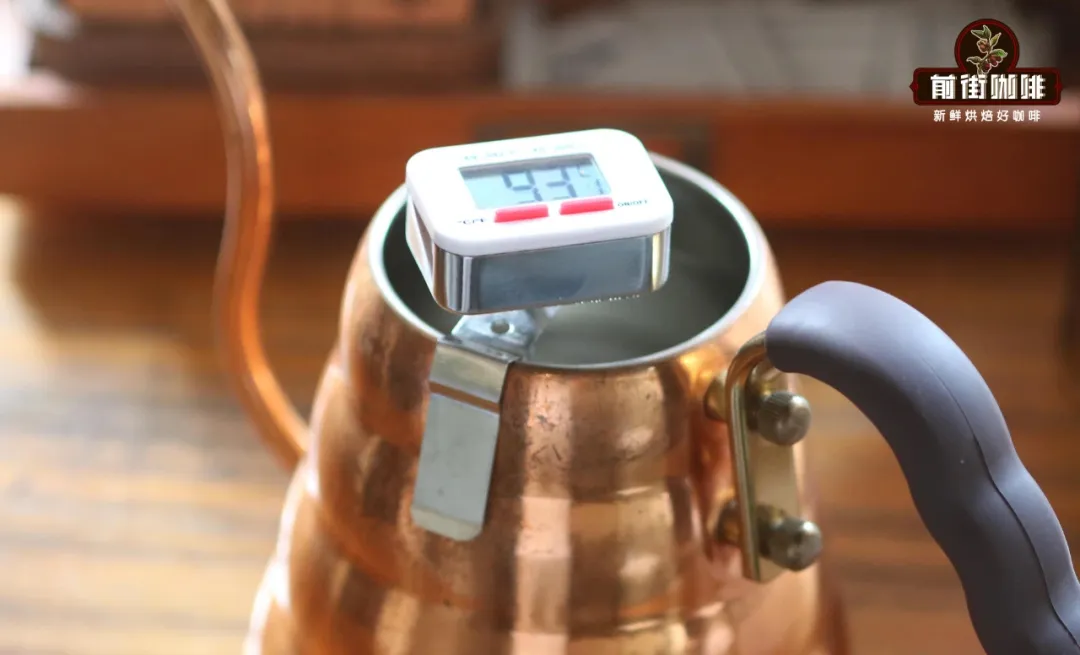
But note: excessively high temperatures tend to dissolve negative flavor compounds from the coffee as well, so Front Street Coffee does not recommend raising the temperature too aggressively at once—adding 2°C~3°C to the original is about right. The exact amount depends on how much coarser the grind is compared to the target.
Extending extraction time offers plenty of room for maneuver. The most direct method is switching to a filter cone with a slower flow rate. In Front Street Coffee's today's headline article "The Four Major Differences Between Filter Cones," it was mentioned in detail that some cones are naturally slow—they typically feature small drainage holes and non-prominent ribs, such as the Kono and the Infinite filter cones.
Besides changing the filter cone, you can also increase the number of pouring stages. More stages naturally lengthen the extraction time, and the hot water maintains high extraction capacity because its concentration is constantly being refreshed. Below, Front Street Coffee will demonstrate in practice how to brew a delicious cup after the coffee has been ground coarse.
Brewing Share
For this brew, Front Street Coffee selected Guji·Huakui 8.0, a very popular light-roast Ethiopian bean. For normal brewing, the parameters Front Street Coffee uses are: 15g coffee, EK43 setting 10 grind (80% passing rate on No. 20 sieve) , 92°C water temperature, 1:15 coffee-to-water ratio, V60 cone, three-stage pouring, total time 2 minutes (hot brew parameters) .
Suppose the grind is accidentally set to EK43 setting 11 (70~75% passing rate on No. 20 sieve) , then Front Street Coffee would change the water temperature to 94°C, keep total time between 2 minutes 05 seconds and 2 minutes 30 seconds, and keep the coffee-to-water ratio and filter cone unchanged.
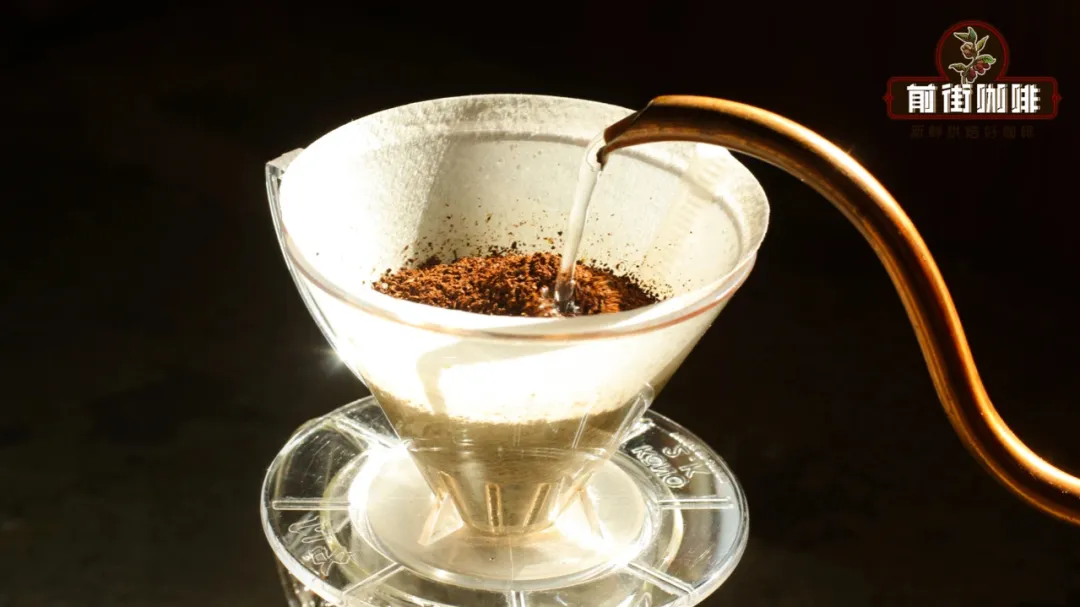
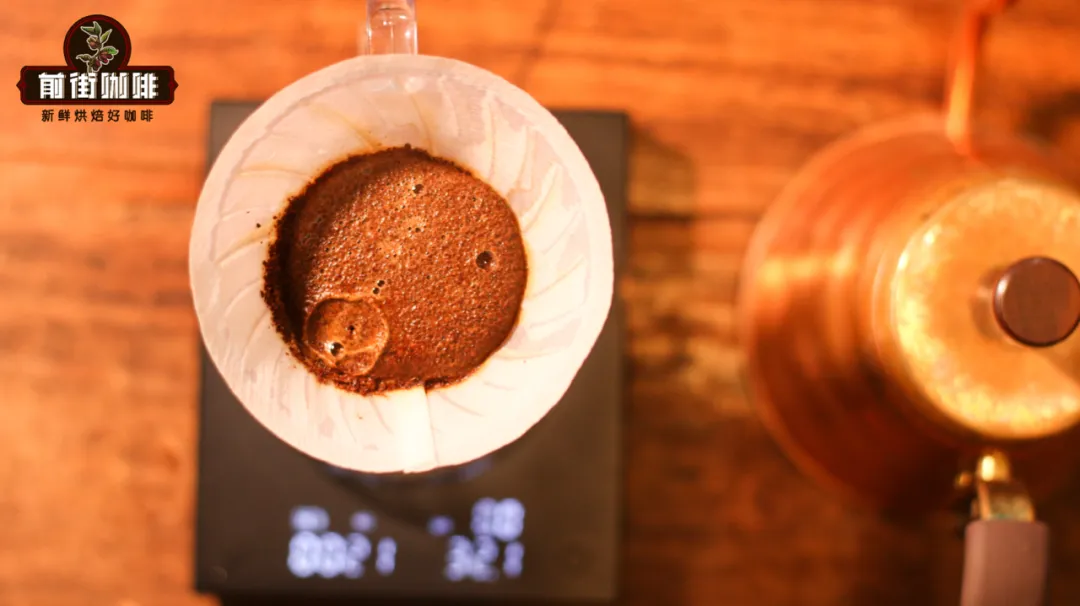
Step one: bloom with 30ml hot water (twice the coffee weight) for 30 seconds.
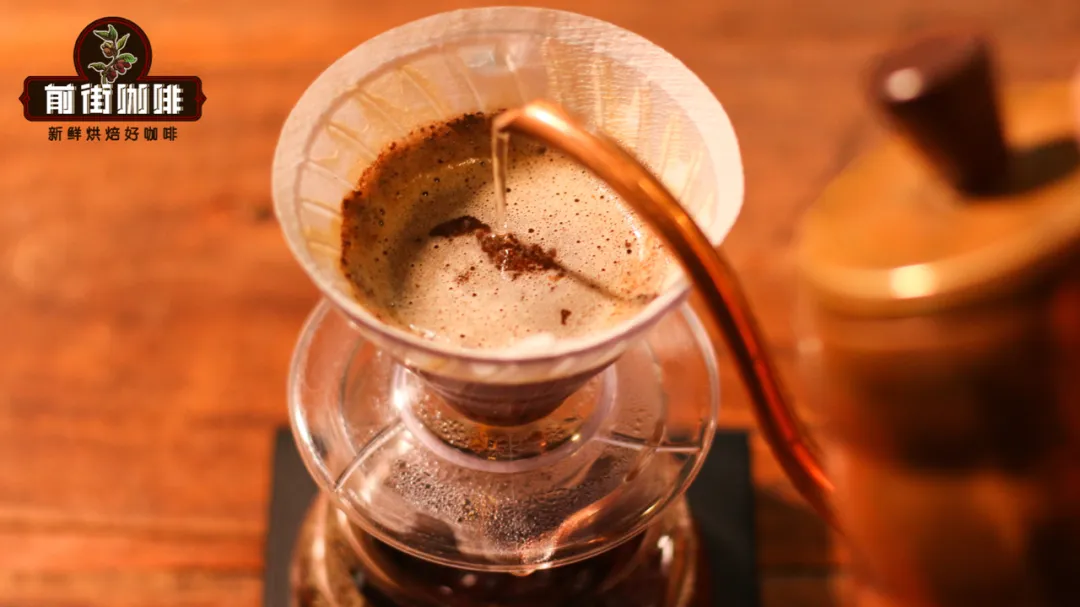
Next, pour 100ml hot water in a large circular motion with a slow stream; after the water fully drains, pour another 50ml in a large circular motion with a slow stream; once that drains, continue with 45ml in a slow stream, this time in a small circular motion. Then simply wait for all the water to drain through, remove the filter cone, and the extraction is complete.
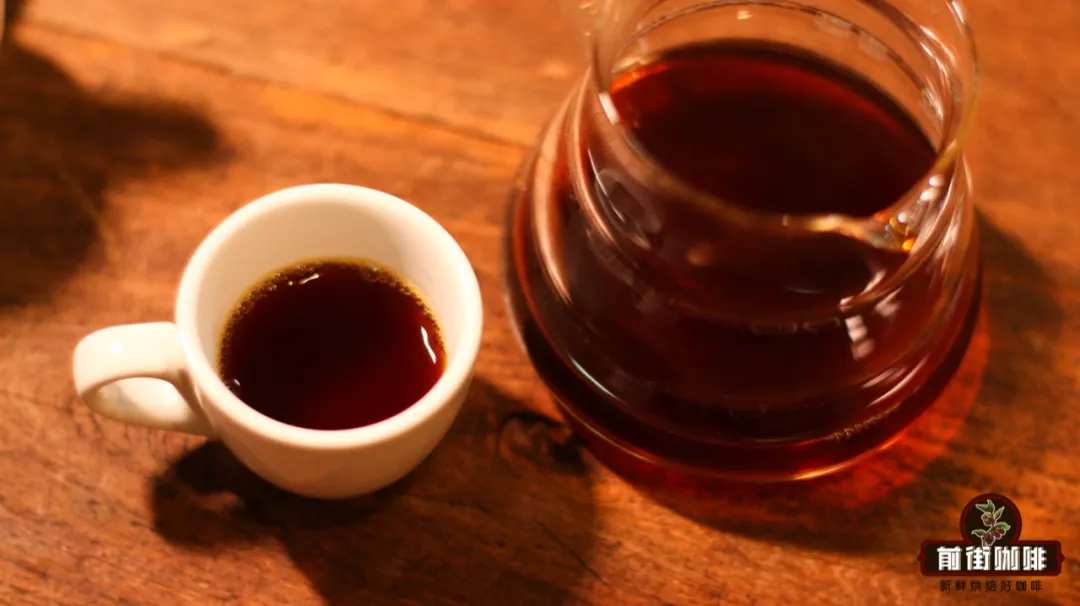
The entire extraction took 2 minutes 15 seconds. Drinking it, the Huakui's flavor is almost indistinguishable from the regular method—strawberry, citrus, and cream aromas are all clearly identifiable, the body is clean and full, the taste balanced, and the finish lingering. Measured with a refractometer, the extraction yield is 20.6%, which is a quite thorough extraction.
These parameters are the result of repeated testing by Front Street Coffee, so their reliability is assured. So next time you accidentally grind too coarse, try following this approach—just a slight tweak to the original parameters can bring that coarsely ground coffee back to life.
- END -
The above content is compiled by CoffeeHunters, a coffee news website.


