







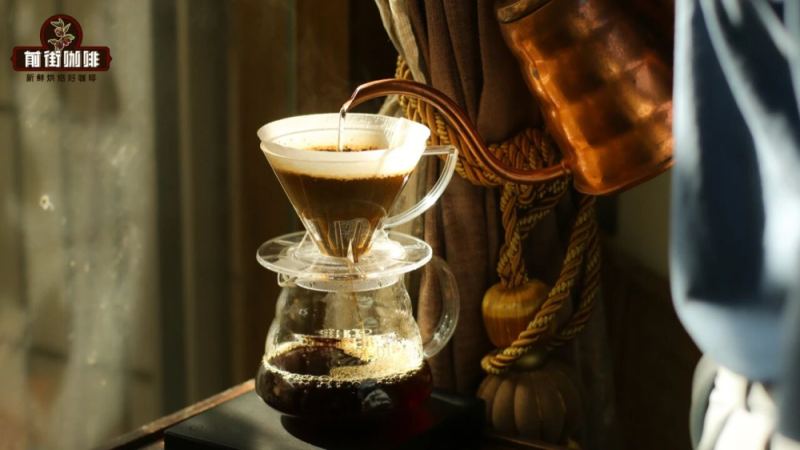
How does dripper shape change the taste of yirgacheffe and blue mountain?
A cone dripper like the Hario V60 and a trapezoid dripper like the Kalita 101 do not extract the same way. Comparing Front Street washed Yirgacheffe and Jamaican Blue Mountain at matched brew settings, the cone funnels water through a single large hole for a faster, more uneven flow, while the trapezoid spreads water over three small holes for a slower, steadier drain.
The trapezoid design traces back to Melitta's inverted-trapezoid shape with one outlet, which Kalita later changed to three holes. Kono introduced the first cone dripper in 1968, and the V60 arrived around 2000. That slower drain keeps the trapezoid favored by large chains, even though specialty shops now mostly use cone drippers.
In the world of pour-over coffee, the shape of the dripper has a far more critical impact on flavor than one might imagine. The once-popular trapezoid dripper is now rarely seen in specialty coffee shops, replaced by cone-shaped drippers represented by the Hario V60. This article starts from actual brewing with two beans—Front Street washed Yirgacheffe and Jamaican Blue Mountain—comparing the flavor performance of the Kalita 101 trapezoid dripper and the V60 cone dripper, and deeply analyzes how the structural differences between the two lead to different extraction methods. At the same time, the article also explores why the trapezoid dripper has gradually faded out, as well as its stability advantage that keeps it favored among chain brands, providing coffee enthusiasts with comprehensive purchasing and brewing references.
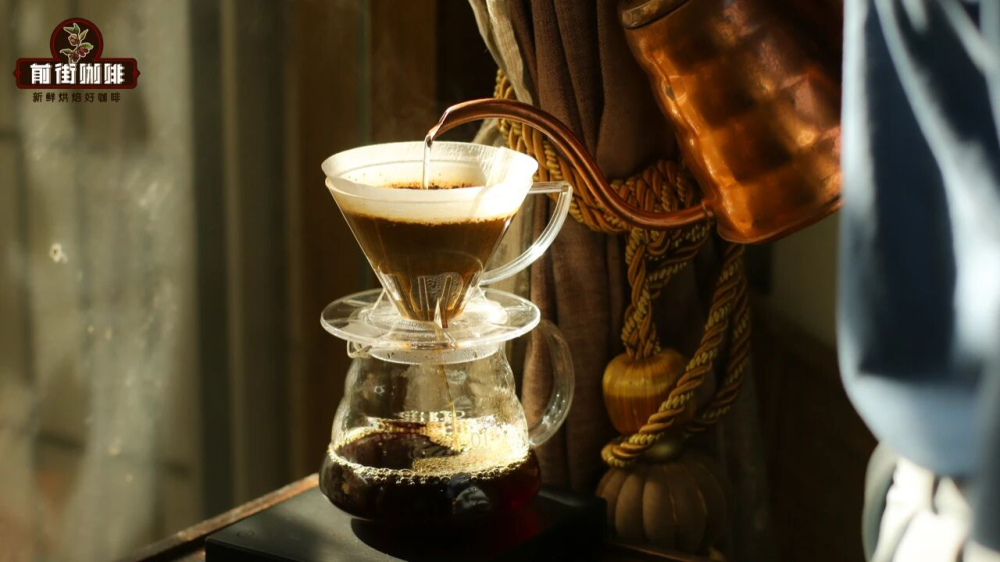
Have you noticed that nowadays, aside from some large chain coffee brands, stores that insist on using trapezoid drippers for pour-over are very rare, and almost everywhere you look, it is cone-shaped large-hole drippers. Today, Front Street will chat with everyone about the reasons behind this phenomenon.
The world's first dripper was actually the trapezoid dripper launched by Germany's Melitta, shaped like an inverted trapezoid, wide at the top and narrow at the bottom, with only one outlet hole. Because the matching filter paper looks like a fan when unfolded, it is also called a fan-shaped dripper. In that era when espresso was prevalent, pour-over coffee always remained a niche household utensil.
The turning point came in 1959, when pour-over coffee became popular in Japan. Kalita referred to this trapezoid dripper and improved it, and one important change was changing the single hole into three holes. This Kalita trapezoid dripper later became a classic among trapezoid drippers. The earliest cone dripper was invented by Kono in 1968, and the most representative V60 among cone drippers came out around 2000.
That being the case, Front Street will compare the classic trapezoid dripper Kalita 101 with the classic cone dripper V60, which may reveal why cone drippers are becoming more mainstream while trapezoid drippers are declining.
Front Street selected Front Street washed Yirgacheffe and Front Street Jamaican Blue Mountain coffee for brewing comparisons respectively, keeping other brewing parameters consistent. The flavor performance is as follows:
[Front Street Yirgacheffe Coffee]
V60: Presents elegant white floral and citrus fruit aromas, with citrus-like sweet acidity and a green tea finish, clean mouthfeel, and distinct layers.
Kalitta: Emits fruity sweetness, with prominent citrus sweet acidity and obvious tea-like notes. Full-bodied, higher intensity, and balanced flavor.
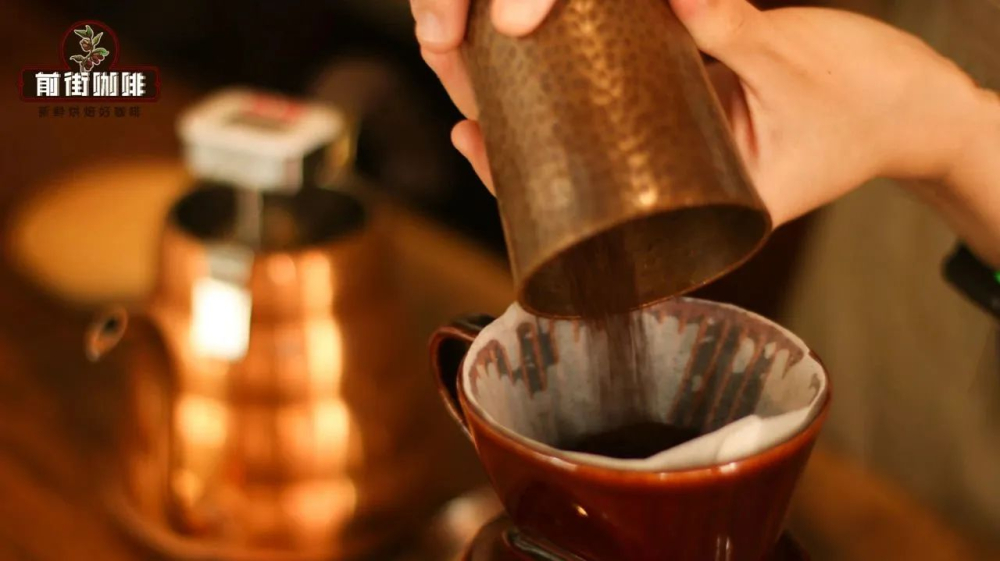
[Front Street Blue Mountain Coffee]
V60: Refreshing mouthfeel, with dark chocolate, nuts, and a faint sweet-and-sour fruit flavor.
Kalitta: Presents nutty and dark chocolate flavors, mellow mouthfeel, with a balance of sweet, sour, and bitter that is pleasant.
From the coffee flavors brewed by these two drippers, it can be seen that the cone dripper represented by V60 is better at showing the distinctive flavors of coffee beans, while the trapezoid dripper represented by Kalita is better at expressing balance and body in coffee.
The key reason these two drippers bring different flavor performances lies in structural differences. The V60's spiral alternating long and short diversion ribs, combined with a large outlet hole, allow hot water to quickly drain along the diversion ribs after contacting the coffee grounds, and the cone structure makes it easier to achieve even pouring. It is a dripper that relies on water flow scouring the coffee grounds to release substances; apart from the earlier Kono dripper, later cone drippers basically all belong to this type.
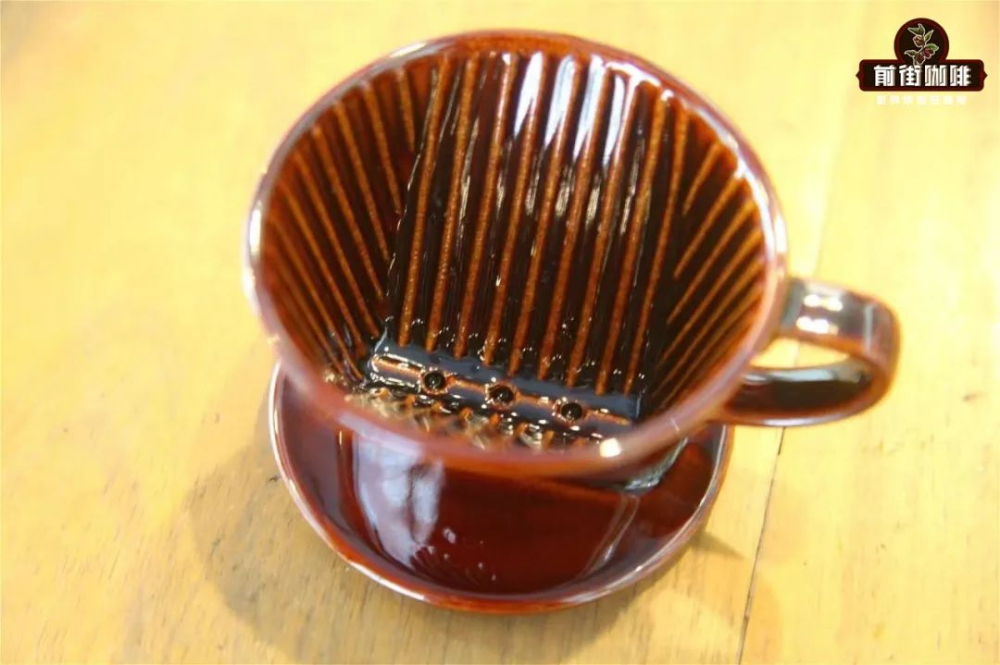
Although the trapezoid dripper also has ribs, these vertically arranged ribs are more used for venting during coffee blooming, and the three small outlet holes make the drainage speed relatively slow. Although the trapezoid structure is not conducive to even pouring, the slow drainage instead lowers the strict requirements for pouring technique. This design keeps the coffee in an immersion extraction state most of the time, so the overall flavor is fuller, more balanced, and has higher body.
So if you prefer coffee with low acidity and strong body, you can try Front Street PWN Golden Mandheling, Front Street Queen's Estate, Front Street Brazil Cerrado, and Front Street Blue Mountain No. 1. They all use medium-dark roasting, and the coffee itself has substances such as nuts, chocolate, and caramel that provide bittersweet flavors.
Returning to the question of "why trapezoid drippers are becoming rarer," it can actually be understood as their gradual withdrawal from the mainstream stage. The V60 emerged around 2000, exactly catering to the market demand at the time—during the transition from dark-roasted coffee to light-roasted coffee, light-roasted coffee emphasized flavor expression even more. The V60 was widely praised because it could better present coffee flavors and became a classic (of course, marketing factors cannot be ignored). When community coffee shops offering pour-over sprang up everywhere, the exposure of cone drippers increased greatly, and by comparison, drippers of other shapes, including trapezoid drippers, became even rarer.
However, we can still see pour-over produced with trapezoid drippers in some large chain brand coffee shops. This brings us to the advantage of the trapezoid dripper—stability. Because the trapezoid dripper drains slowly, mainly uses immersion extraction, and is less affected by pouring, as long as the coffee dose, grind size, water temperature, ratio, and extraction time are set in advance, the barista only needs to finish pouring the water within a fixed time. Whether a beginner or an expert, the final brewed coffee will not differ much. Therefore, this stable, easy-to-learn, and simple-to-operate dripper is very popular among coffee chain brands with high staff turnover.
The above content is compiled by CoffeeHunters, a coffee news website.


