







Why Is the V60 a Common Choice for Hand Drip Coffee?
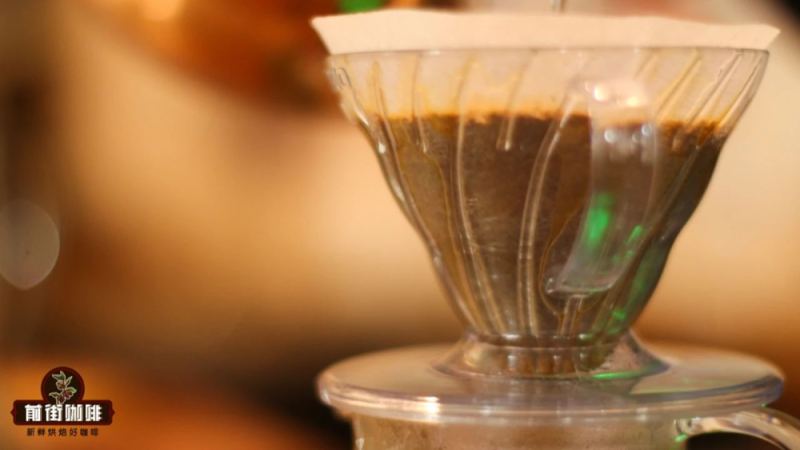
The V60 is a conical dripper with a 60-degree cone angle, and its shape gathers the coffee grounds while guiding water toward the center before it drips into the server. That wider contact area between water and grounds makes extraction more even, which is why it is often recommended as a first dripper for hand drip coffee.
Beyond the dripper, two small choices shape the cup. Rinsing the filter paper first removes a papery taste and preheats the brewer, and white bleached paper tends to give a cleaner flavor than unbleached original pulp. Combined with a fresh roast and a steady pour, these steps make brewing at home straightforward, whether the setup is a cone dripper or brew in the bag coffee.
Friends who are just getting into pour-over coffee often find themselves stuck at the very first step of choosing equipment, and the dripper is usually the most agonizing decision. This article starts from the structural principles of the dripper, explains why the V60 has become the top choice for beginners, and analyzes the differences between conical, wedge-shaped, and flat-bottom drippers. It also answers common questions such as whether filter paper needs to be rinsed beforehand and which is more suitable, white bleached filter paper or unbleached original pulp filter paper, helping you easily brew a delicious pour-over at home.
Stepping into the world of pour-over coffee actually has a pretty low barrier to entry. As long as you have a few basic pieces of equipment ready, grasp some basic parameters and techniques, and have a bag of fresh, high-quality coffee beans on hand, brewing a tasty cup is not difficult. But for those just starting out, the equipment-buying stage alone can be overwhelming given the dazzling variety of styles on the market, and the most frequently asked question is how to choose a dripper.
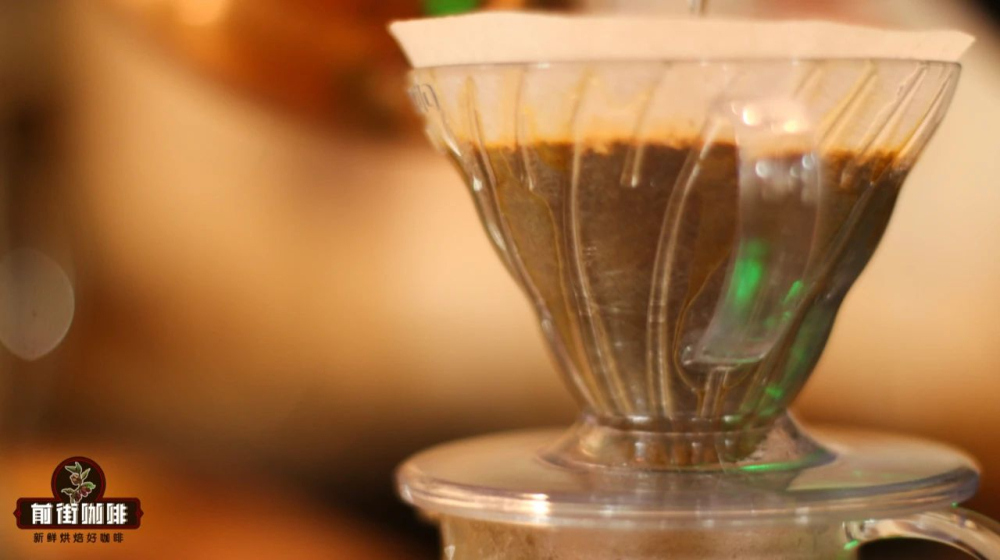
In the entire pour-over coffee process, the dripper plays a quite critical role. Its function is not just to hold the filter paper and let the coffee liquid flow through it; the dripper's shape, size, and material all affect the extraction process, thereby influencing the final flavor experience in the cup.
Although drippers come in a dazzling array of categories, each with unique features, if you ask an experienced veteran to recommend an entry-level dripper for a beginner, ten to one they will mention the "V60" from Hario. The origin of this name actually relates to its conical angle—the 60° cone angle looks like a "V," so Hario simply called it V60, easy to say and easy to remember.
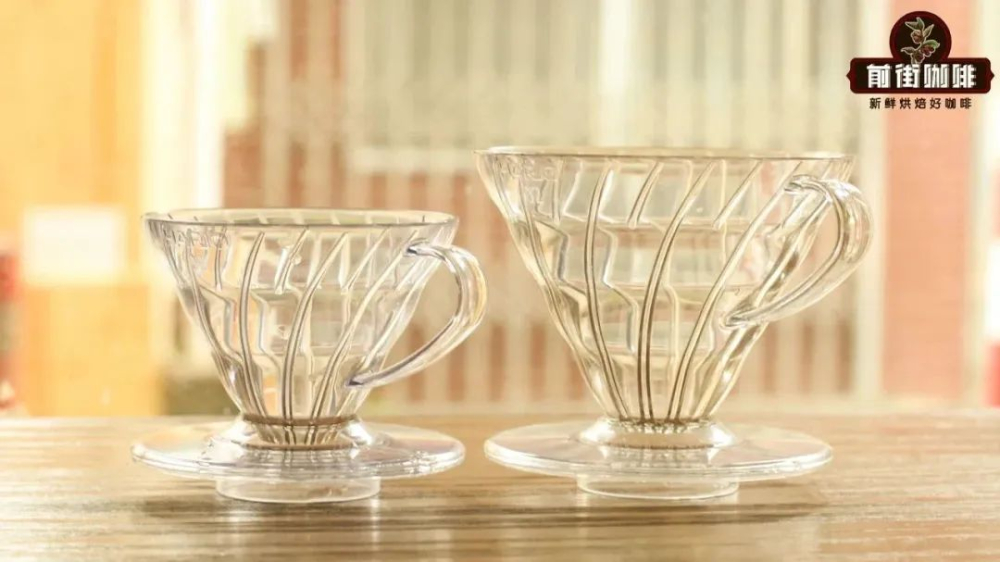
Compared with wedge-shaped drippers and flat-bottom drippers, conical drippers have completely different strengths. Its cone structure, wide at the top and narrow at the bottom, on one hand gathers and concentrates the coffee grounds, and on the other hand guides the water flow, causing hot water to first converge toward the center before dripping into the server. This design increases the contact area between hot water and coffee grounds, making it easier for the flavor compounds in the coffee to be fully extracted.
Before the V60 came along, coffee was generally roasted darker, pursuing that thick, full-bodied mouthfeel, with the most representative examples being Front Street. Golden Mandheling and Front Street. Jamaica Blue Mountain No. 1. At that time, slower immersion-style extraction was preferred, in order to let the coffee present an overall round, rich, balanced, and sweet style.
Later, with the rise of the third wave of coffee, people began to focus on the regional flavors of coffee, such as the Front Street. Ethiopia Gedeb with its white floral notes, the juicy Front Street. Kenya Little Tomato, and the sweet fruity Front Street. Strawberry Candy. Roast levels also shifted from dark to light, and the tasting direction moved from rich sweetness to delicate acidity and aroma. The V60's fast extraction characteristic happens to showcase these beans' more layered aromas and acidity, allowing those refined flavors to be released.
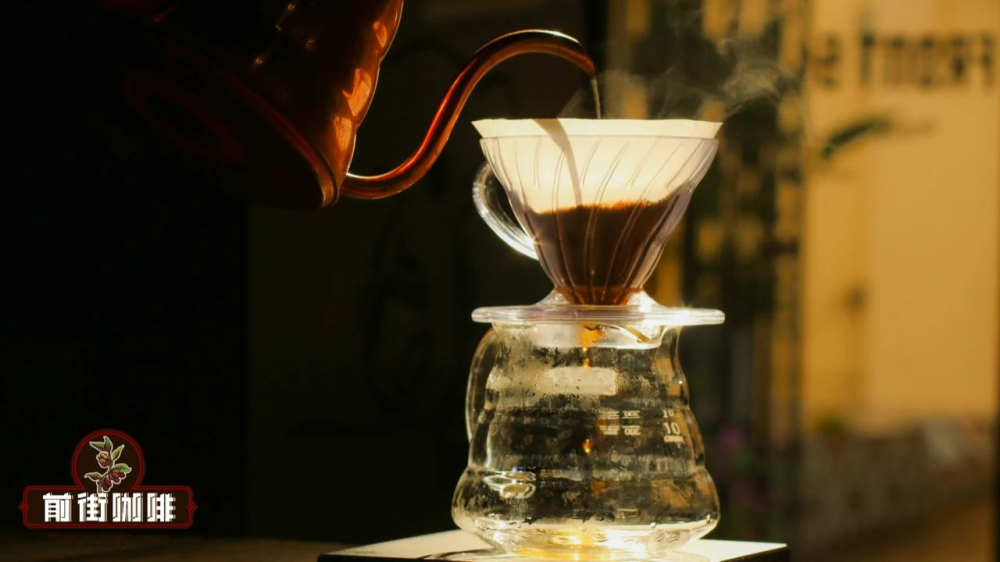
Having discussed the dripper, let's move on to how to choose filter paper and whether it needs to be pre-wetted before use. Currently, filter papers on the market can be roughly divided into two types: bleached filter paper and unbleached original pulp filter paper.
Because unbleached original pulp filter paper has not undergone a bleaching treatment, the woody pulp smell is more noticeable, so it needs to be rinsed before use. As for bleached filter paper, the residual papery and bleaching odors vary by brand; high-quality filter paper can indeed be processed quite cleanly, and whether you rinse it or not makes little difference.
From an extraction standpoint, pre-rinsing the filter paper helps it fit more snugly against the dripper, allowing the paper to better work with the dripper's rib structure and brewing principles. However, in most cases, when brewing without rinsing the filter paper, the fit between the paper and the dripper is slightly worse than after a pre-heating rinse.
If you do not rinse the filter paper, it may absorb some of the hot water and oils during the blooming stage, and may also bring out some unpleasant off-flavors. Therefore, to make the extracted flavors more complete, it is still advisable to rinse the filter paper.
The above content is compiled by CoffeeHunters, a coffee news website.


