







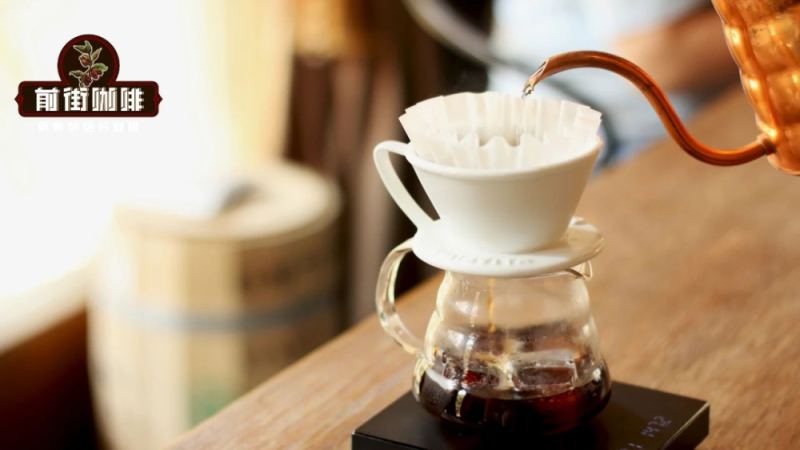
How does the Clever Dripper change coffee brewing?
The Clever Dripper combines a filter cone with a rubber piston valve at the bottom. When hot water is poured in, water pressure seals the valve; when the cone is set on a cup, the base plate opens the valve and coffee drains through four holes. Water is added, the grounds steep about four minutes, then the dripper is placed on a cup.
This makes it an immersion brewer that also works like a pour-over device, and cleanup is simple: lift out the filter paper with the grounds, then rinse. It was first developed in Taiwan Province of China, and similar valve-controlled cones followed. For anyone comparing methods, it sits between coffee brewing by pour-over and a French press.
The Clever Cup is a unique coffee brewing device that combines a filter cone with a valve design, originally developed and manufactured in Taiwan Province of China. It controls water flow through a rubber piston valve at the bottom—sealing and stopping water when filling, and automatically opening when placed on a cup, allowing the coffee to slowly filter out. In terms of operation, you simply pour water and let it steep, wait four minutes, then place it on the rim of a cup, and when cleaning, discard the coffee grounds along with the filter paper, rinse with clean water, and it's done. Today Front Street will walk you through the extraction principle of the Clever Cup, and using Panama Elida Estate beans as an example, do a hands-on run of this lazy-friendly immersion brewing method.
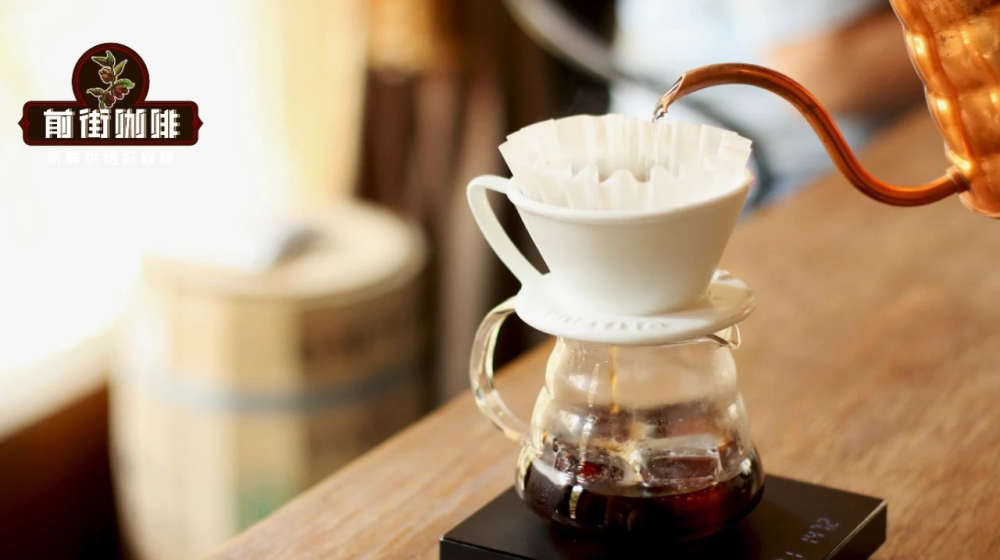
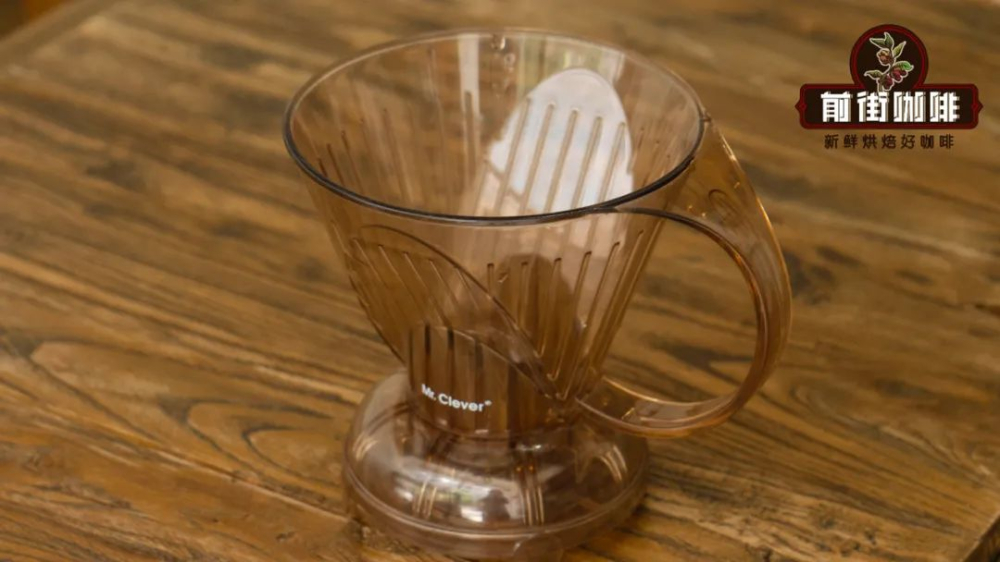
The Clever Cup was first created in Taiwan Province of China. In appearance, it's simply a filter cone paired with a circular base.
Using it is quite effortless: pour hot water in to steep the coffee grounds, let it sit for a while until the steeping is done, then place it over any container, and the coffee will automatically seep out. Cleaning is also easy—throw away the filter paper and coffee grounds together, then rinse the cup body with clean water and it's done.
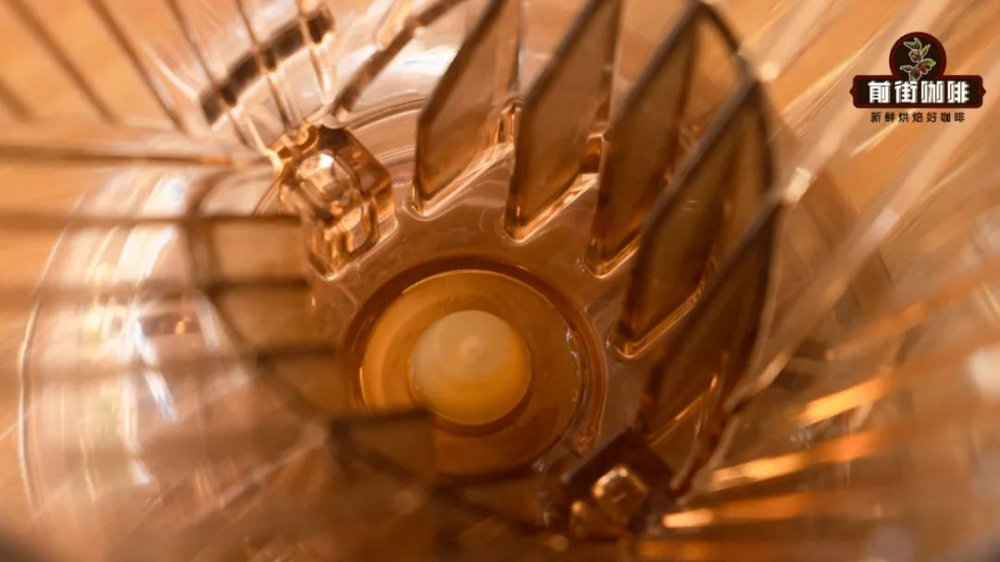
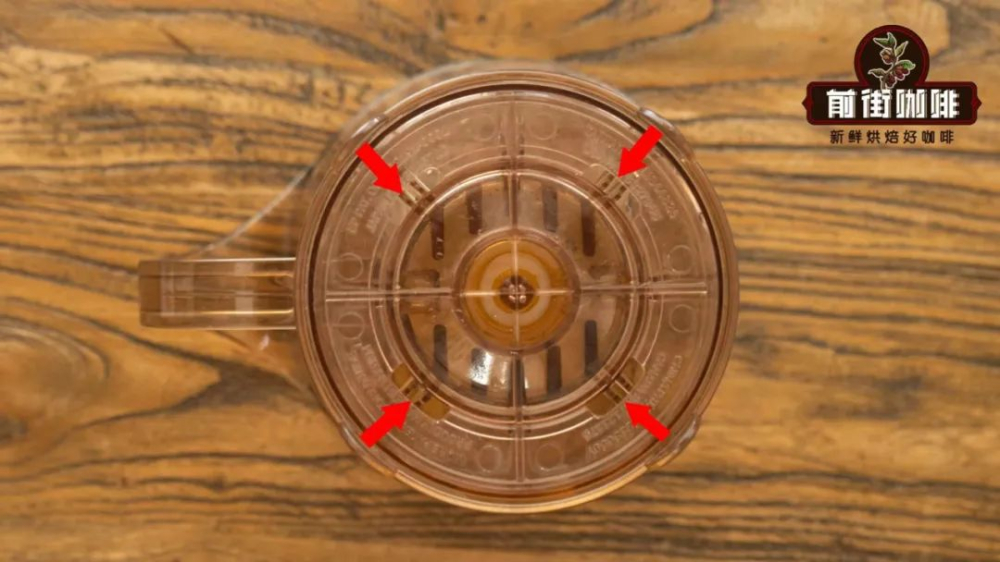
The key to making this operation possible lies in the circular joint at the bottom of the filter cone—there's a rubber piston valve installed there.
When hot water is poured into the filter cone, the water pressure causes the piston valve to close tightly, acting as a water stop; after steeping is complete, place the cup onto a container, the base plate gets pressed and opens the piston valve, and the coffee slowly flows out through four holes.
Put simply, it's a valve installed at the bottom of the filter cone that controls when the water drains—a rather clever design idea. Since then, many coffee equipment brands have followed suit, launching similar controllable filter cones. Therefore, the Clever Cup can be used both as a pour-over device and as a "lazy person's" French press that requires no pressing. Today Front Street will try the latter usage, and show you just how clever the Clever Cup really is.
One thing to note: the Clever Cup also needs to be used with filter paper. And it's precisely because of the filter paper that cleanup after brewing is so effortless—lift the filter paper and toss the coffee grounds into the trash, with no residue left in the cup, just rinse with clean water.
When buying filter paper, remember to choose according to your Clever Cup model. Front Street uses a large fan-shaped filter paper.
Before starting, you need to gather five things: the Clever Cup, filter paper, any coffee beans, hot water, and any cup (note that the cup's rim diameter must not exceed the Clever Cup's base, otherwise the valve won't be triggered).
Grind size for the coffee refers to the standard for regular hot pour-over, roughly 80% passing through a No. 20 sieve. The amount of coffee depends on how much you want to drink—Front Street uses 20g this time, with a coffee-to-water ratio of 1:15.
Step one: place the filter paper and wet it with water.
Next, pour the coffee grounds into the wet filter paper.
The water temperature should be on the higher side when pouring—Front Street uses 94° hot water. Calculated at a 1:15 coffee-to-water ratio, that corresponds to 300ml of hot water. Pour it all in at once, then start timing and let it steep for four minutes.
After four minutes, place the Clever Cup on the cup you prepared in advance, and the coffee will naturally filter out. After it finishes filtering, give it a few shakes and it's ready to drink.
Now for the tasting. Front Street chose beans from Panama Elida Estate this time. The flavor expression is slightly weaker than pour-over, but the orange acidity is still clearly distinguishable, with the sweetness of white peach and a slight fermented note of raisins.
The whole brewing process is indeed very simple, perfect for friends who want to take it easy.
The above content is compiled by CoffeeHunters, a coffee news website.


