







How Does the Front Street Coffee Shop Smart Cup Brewing Method Work?
The Clever Cup is a dripper with a piston valve at the bottom that closes under the weight of the water, holding the grounds in full immersion like a French press. When the cone is set on a server, the valve opens and the coffee drains through a paper filter. Beginners get a stable cup without mastering a steady pouring stream.
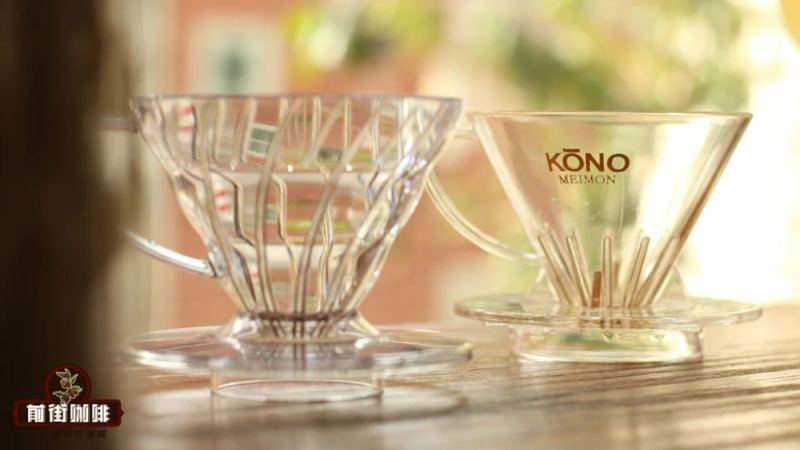
Hario V60 and KONO cones demand flow control, which is why a Front Street coffee shop barista often sticks to just those two for pour-over. Using Front Street Yirgacheffe Red Cherry, the two methods differ in body and clarity: immersion rounds out the fruit, while pour-over lifts the acidity and floral top notes.
For friends who are just starting out with pour-over coffee, filter cones like the Hario V60 and KONO often seem daunting because of their demands on water flow control. The arrival of the Clever Cup, however, lets even complete beginners brew a reliable cup of good coffee with ease. This article will start with the structure and principles of the Clever Cup, break down the full brewing process step by step, and also sort through the origins of pour-over coffee, equipment selection, and standard steps. Finally, using Front Street Coffee Yirgacheffe Red Cherry as an example, it compares the flavor differences brought by the two brewing methods to help you find the cup that suits you.
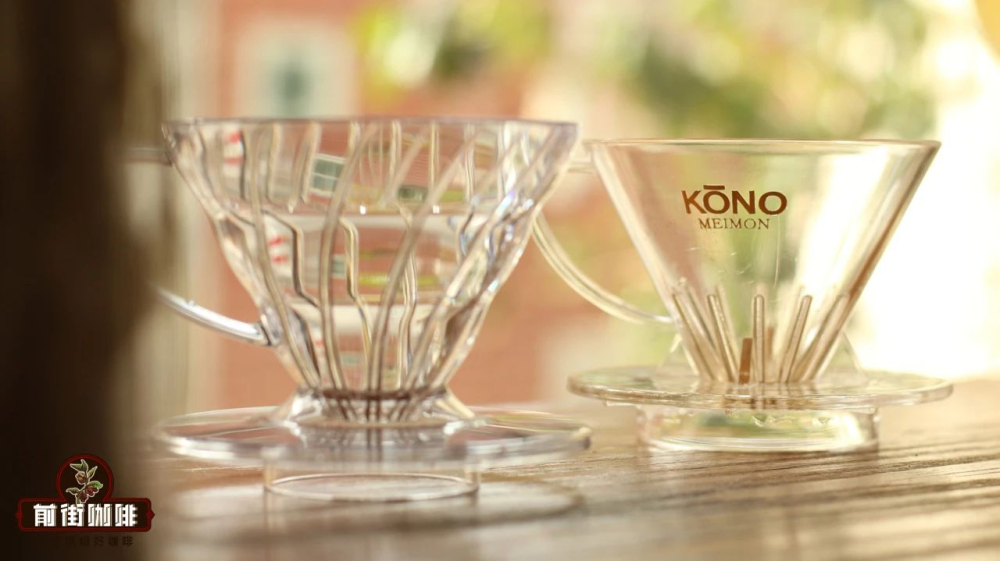
Friends who have visited a Front Street Coffee shop should have noticed that when Front Street baristas make pour-over coffee, they usually only use two kinds of filter cones: one is the Hario V60, and the other is the KONO. However, both of these filter cones have a certain threshold when it comes to pouring technique. If you have not yet mastered a steady stream of water, using them will be relatively difficult.
To let more people easily get a cup of coffee with stable quality, the Clever Cup came into being. With it, even coffee beginners with zero experience can quickly get the hang of it.
What Is the Clever Cup
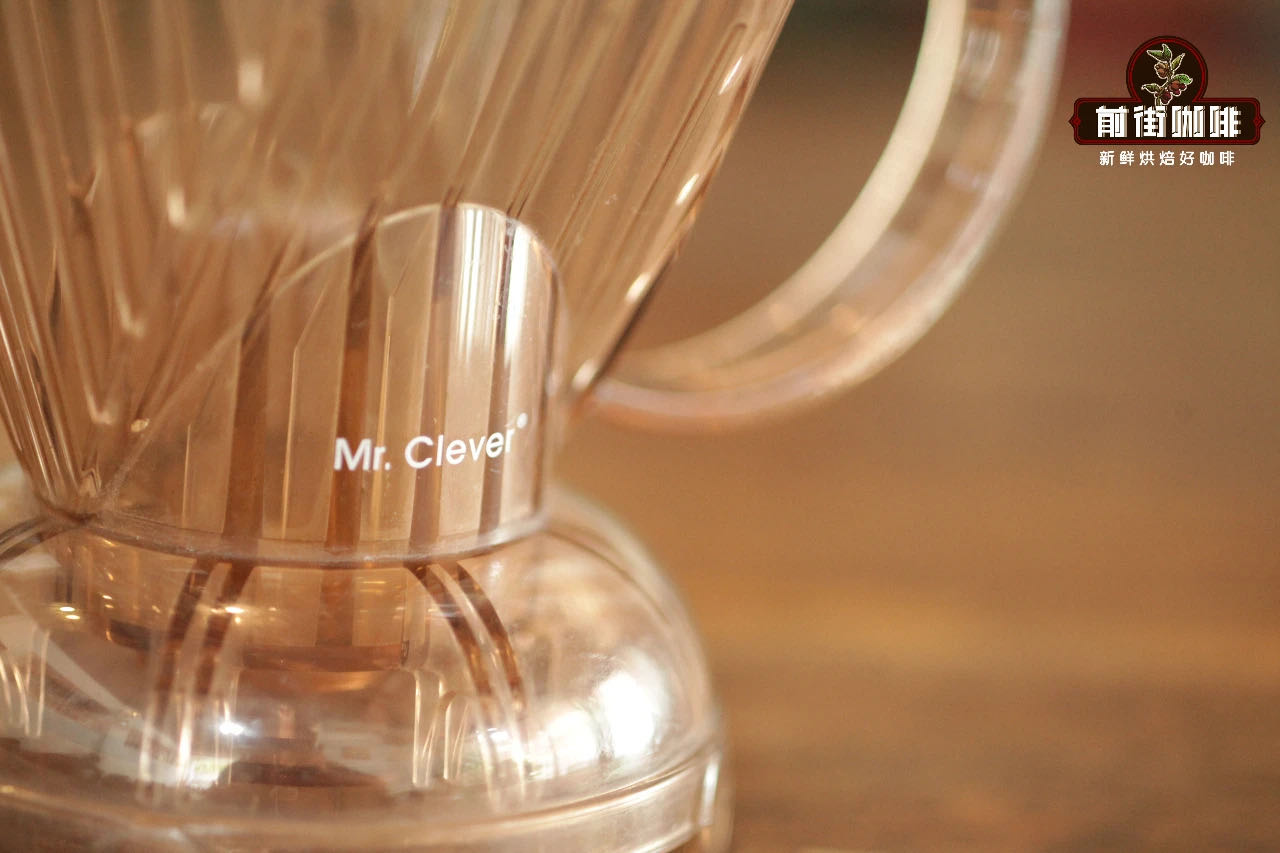
The full English name of the Clever Cup is "Clever Coffee Dripper." Although many filter cones with piston valves on the market are also called "Clever Cups" by merchants, strictly speaking, only those produced by the Mr. Clever brand count as true Clever Cups.
The Brewing Principle of the Clever Cup
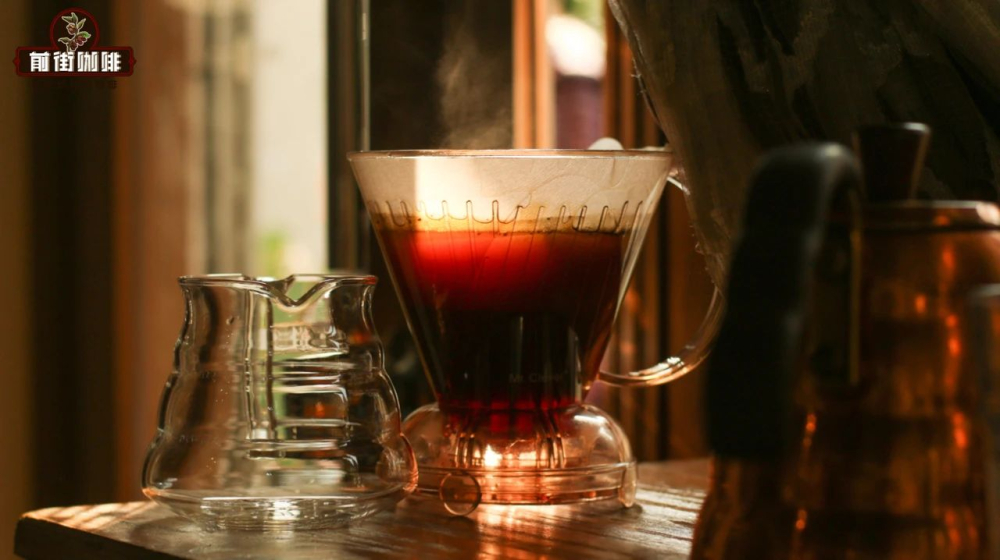
The uniqueness of the Clever Cup lies in its bottom structure. Its bottom is made up of two parts: the outer layer provides support, while the inner layer is a piston valve. After pouring begins, the weight of the water causes the piston valve to close automatically, thereby locking the water in the upper layer and allowing the coffee grounds to be fully soaked.
After soaking is complete, place the Clever Cup on a server or another container that catches the coffee liquid. Once the base is pressed, the piston valve opens, and the coffee liquid slowly flows into the container. It can be seen from this that the Clever Cup combines the strengths of the French press and the pour-over filter cone: it provides a full-immersion environment similar to a French press, retaining more coffee oils for a fuller flavor, while also having the filtering ability of a pour-over filter cone, thoroughly intercepting fine grounds and preventing them from affecting the mouthfeel.
Steps of the Clever Cup Brewing Process
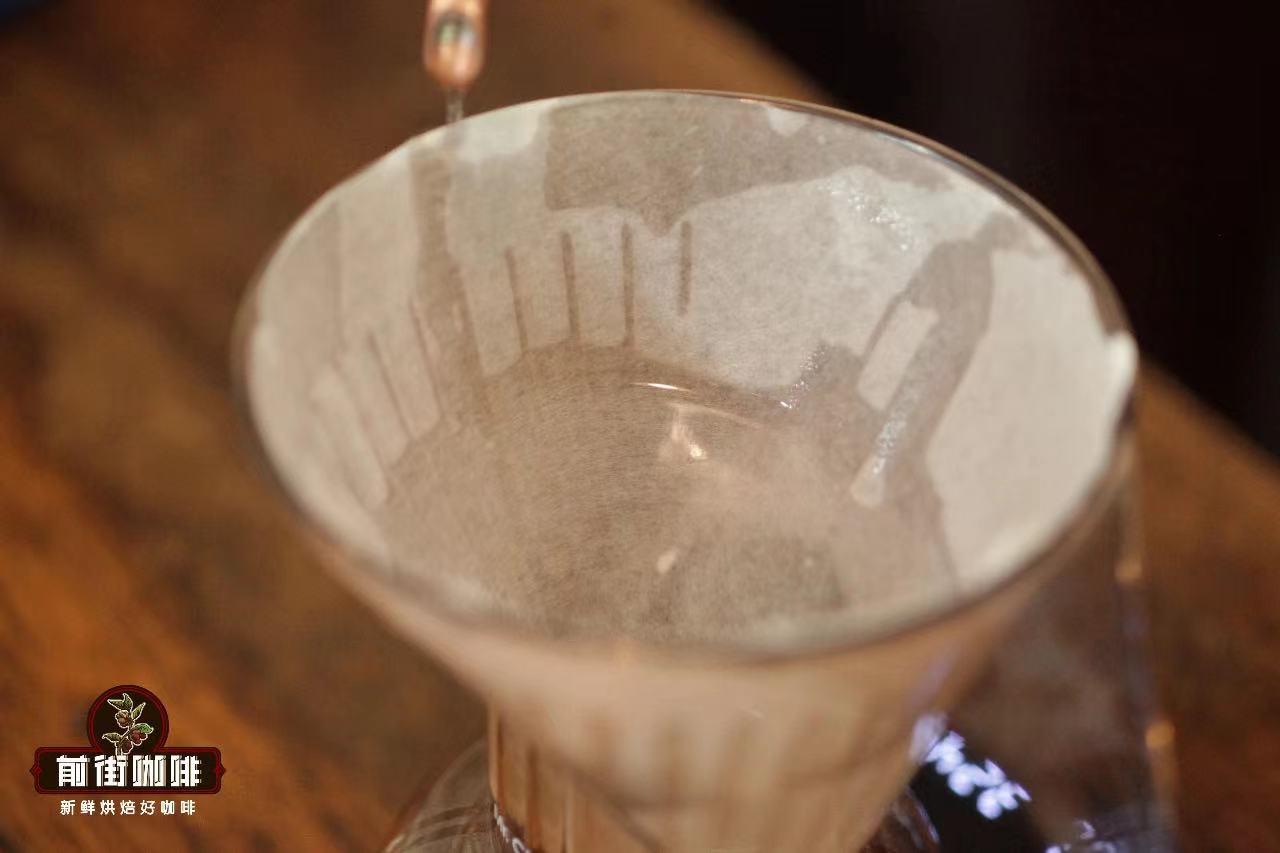
① First prepare the lower ribs and side ribs of the folded filter paper and place them into the Clever Cup. Add water to wet the filter paper so that it clings tightly to the inner wall of the Clever Cup.
② Place the Clever Cup on a flat surface, confirm that the piston valve is closed, pour in 15 grams of coffee grounds, and shake level.
③ Press the timer, pour in the first pour of 30 grams of hot water, and bloom for 30 seconds, with the water temperature controlled at 90°C. After blooming is complete, continue pouring water until 225 grams.
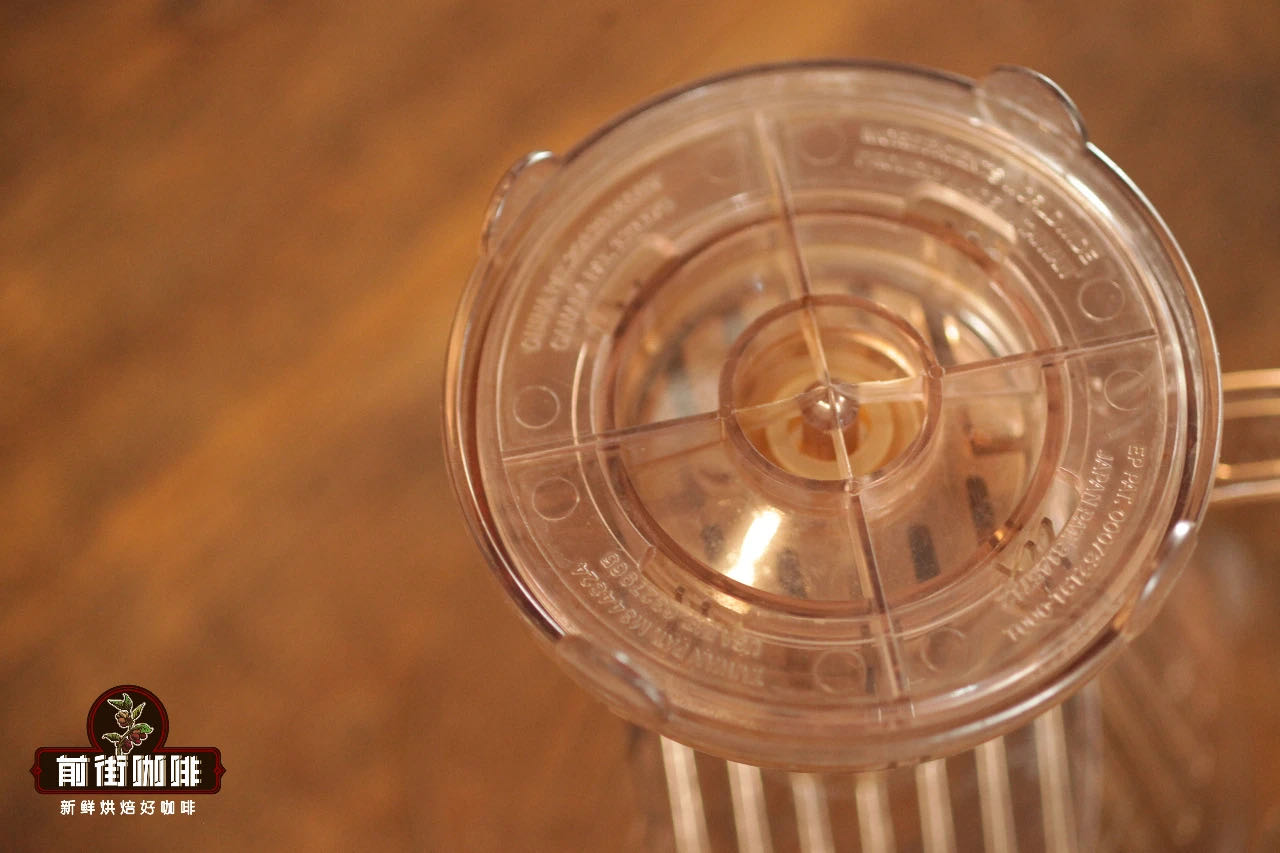
④ At 1 minute 30 seconds, move the Clever Cup onto a mug or server, open the piston valve to let the coffee liquid flow out, and the total extraction time is about 1 minute 50 seconds to 1 minute 55 seconds.
What Is Pour-Over Coffee
As mentioned at the beginning of the article, the pour-over coffee produced by Front Street Coffee shops mainly uses two kinds of filter cones: Hario V60 and KONO. The brewing characteristic of this type of filter cone is using a filter cone with filter paper to filter out coffee grounds. The origin of pour-over coffee can be traced back to a flash of inspiration from Mrs. Melitta in Germany. She loved coffee but disliked the mouthfeel of coffee grounds, so she combined her son's blotting paper with a perforated copper pot to make a filter. This was probably the first coffee filter cone in history.
Equipment Needed for Pour-Over Coffee
To brew a cup of pour-over coffee, the equipment that needs to be prepared includes: a digital scale with a timing function, a thermometer, a gooseneck kettle, a filter cone, filter paper, a server, and a grinder. The digital scale is used to weigh the coffee grounds and water, while also displaying the extraction time.
The thermometer is used to measure water temperature. In terms of water temperature selection, for light-roasted coffee beans, Front Street Coffee baristas use hot water at 90°C to 93°C for brewing; for dark-roasted coffee beans, they use hot water at 86°C to 88°C.
Filter paper and the filter cone are responsible for separating out the coffee grounds. In the choice between Hario V60 and KONO, if the coffee beans are light-roasted, Front Street Coffee baristas use the V60; if the coffee beans are dark-roasted, they choose the KONO filter cone.
The Pour-Over Coffee Brewing Process
Friends who often read Front Street Coffee articles should be familiar with Front Street's brewing process. In order to present the purest taste of each coffee bean from each region, Front Street Coffee controls variable factors as much as possible, so that everyone can taste the variety and origin flavors of the coffee beans themselves.
When producing coffee, Front Street Coffee first weighs 15 grams of coffee beans, with a coffee-to-water ratio of 1:15, and pours in 225 grams of hot water.
① Place the filter paper into the filter cone, wet it with hot water, and let the filter paper fit against the inner wall of the filter cone.
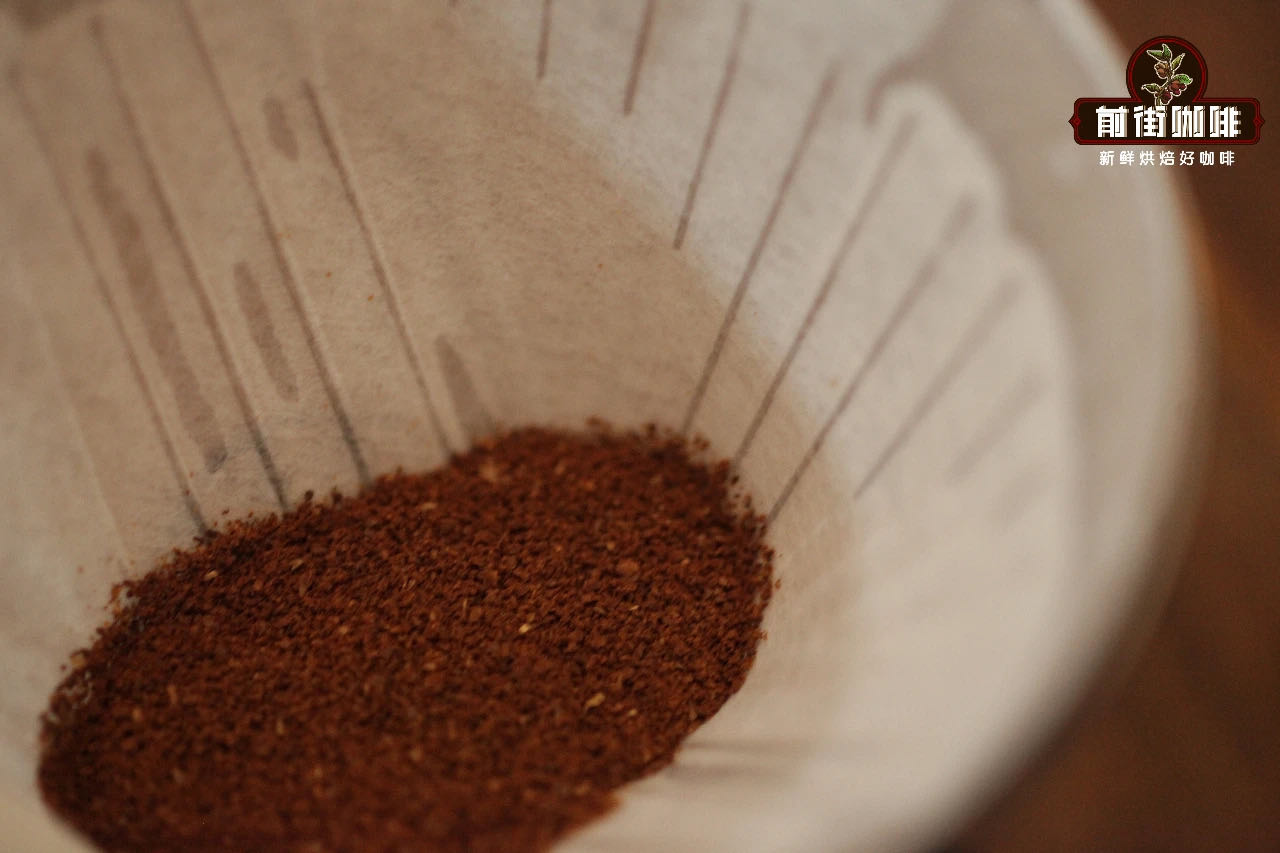
② Pour 15 grams of ground coffee into the filter cone and shake level.
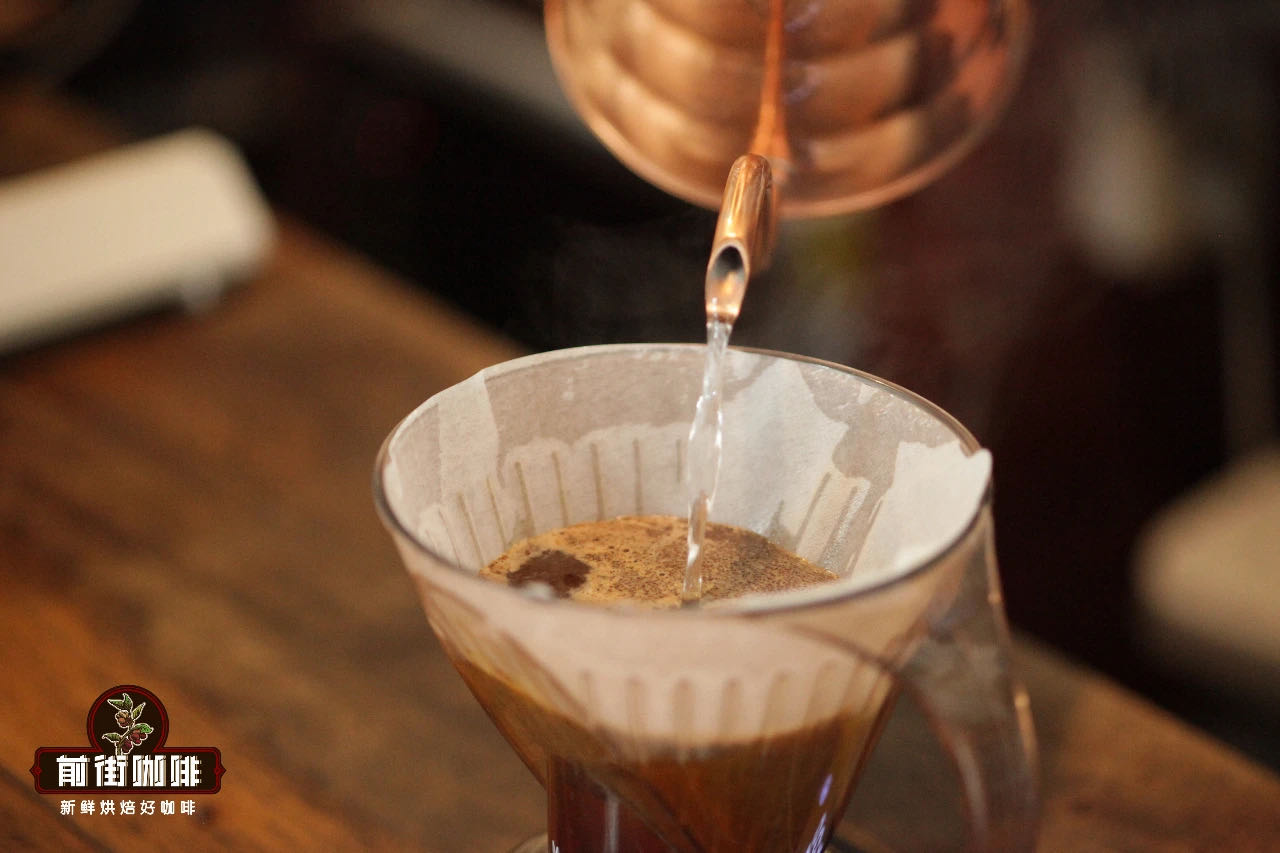
③ Pour in the first pour of 30 grams of hot water, completely wetting the coffee grounds, and bloom for 30 seconds to let the coffee grounds release carbon dioxide so that the subsequent water flow can extract the coffee better.
④ Pour in the second pour of hot water until 125 grams.
⑤ When the coffee liquid in the filter cone drops to halfway and the coffee bed is about to be exposed, pour in the third pour of hot water until 225 grams, and the total extraction time is 2 minutes.
What Is the Flavor Difference Between Clever Cup and Pour-Over Coffee Brewing Methods
To let everyone understand more intuitively the flavor differences between Clever Cup brewing and pour-over brewing, Front Street Coffee uses the same coffee bean for comparison.
Take Front Street Coffee Yirgacheffe Natural Red Cherry as an example:
Front Street Coffee: Yirgacheffe · Red Cherry Coffee Beans Region: Yirgacheffe, Ethiopia Altitude: 1700m–2200m Variety: Local heirloom varieties Processing Method: Natural process
Front Street Coffee named this coffee bean Red Cherry because it comes from the local Red Cherry Project. This project is led by the Dutch company Trabocca, with half of the funding sponsored by the Dutch government. Since 2005, it has cooperated with many small coffee cooperatives to encourage and assist producers in improving washed, semi-washed, natural, or other experimental processing methods in order to enhance coffee quality. Before each harvest season, Trabocca invites selected smallholder producer organizations or producers to participate in producing micro-lot coffee (about 1,500 to 3,000 kilograms), manually hand-sorting 100% ripe red coffee cherries in batches, hence the name Red Cherry Project.
This coffee bean uses natural processing. Front Street believes that coffee beans produced in Yirgacheffe have their advantages whether washed or natural. Washed Yirgacheffe has a cleaner mouthfeel and bright acidity; naturally processed Yirgacheffe has more prominent juicy and sweet notes, and a fuller aroma as well.
Flavor Comparison
[Clever Cup Brewing Flavor] Citrus acidity, juice-like mouthfeel, full-bodied, smooth, fermented wine aroma, honey finish.
[V60 Brewing Flavor] A faint fermented wine aroma, with citrus aroma, honey sweetness, cocoa flavor, and a lasting finish.
From the comparison of the brewed flavors, the Clever Cup can better extract the flavors in the coffee, with a rich and full mouthfeel; by contrast, V60 brewing shows a fresh and light style.
The above content is compiled by CoffeeHunters, a coffee news website.


