








Filter Folding for Better Pour-Over Coffee
Getting the filter to sit flush in a cone dripper matters more than many people think. If the paper doesn't hug the walls, water bypasses the coffee bed and weakens extraction. A common mistake is skipping the fold or folding incorrectly, which leaves edges curling up during the pour. This guide walks through the right way to fold a conical filter so it conforms to the dripper without rinsing.
Paper choice also plays a role. Thicker wood pulp filters may need a slightly different fold than thinner ones. For V60-style drippers, a cone-shaped filter is required, but not every cone filter fits every cone dripper. Check the angle against your dripper before buying in bulk. With a proper fold and a matching filter, your daily hand brewing becomes more consistent and predictable.
In pour-over coffee, the degree of fit between the filter paper and the dripper directly affects the extraction, and one detail many people overlook is the way the filter paper is folded. Front Street Coffee previously shared a tip on "pressing down on the filter paper to improve the fit," but some customers reported that even after using this method, the filter paper still could not fully fit the dripper. After an on-site investigation, the root cause turned out to be that the filter paper had not been folded correctly. This article will demonstrate in detail the correct folding steps for conical filter paper, explain the relationship between filter paper folding and dripper fit, and also address common questions such as whether a V60 dripper requires conical filter paper and how to choose suitable filter paper in daily use, helping coffee enthusiasts start from this small detail to improve the consistency of their pour-over brewing.

Front Street Coffee previously published a tip about "simply pressing down on the filter paper with your hand to improve its fit with the dripper," and we thought the fit issue could be put to rest. Unexpectedly, a customer later came to the store and told Front Street directly: this method does make the filter paper sit more snugly, but during actual brewing, the edges still occasionally curl up and fail to fit.
This puzzled Front Street, so we asked the customer to redo the process on the spot. Sure enough, the filter paper did not completely adhere to the dripper, and it was even more obvious than the situation demonstrated in the photo below.
Because the problem was so glaring, Front Street immediately identified the crux of the issue—the filter paper had simply not been folded correctly.
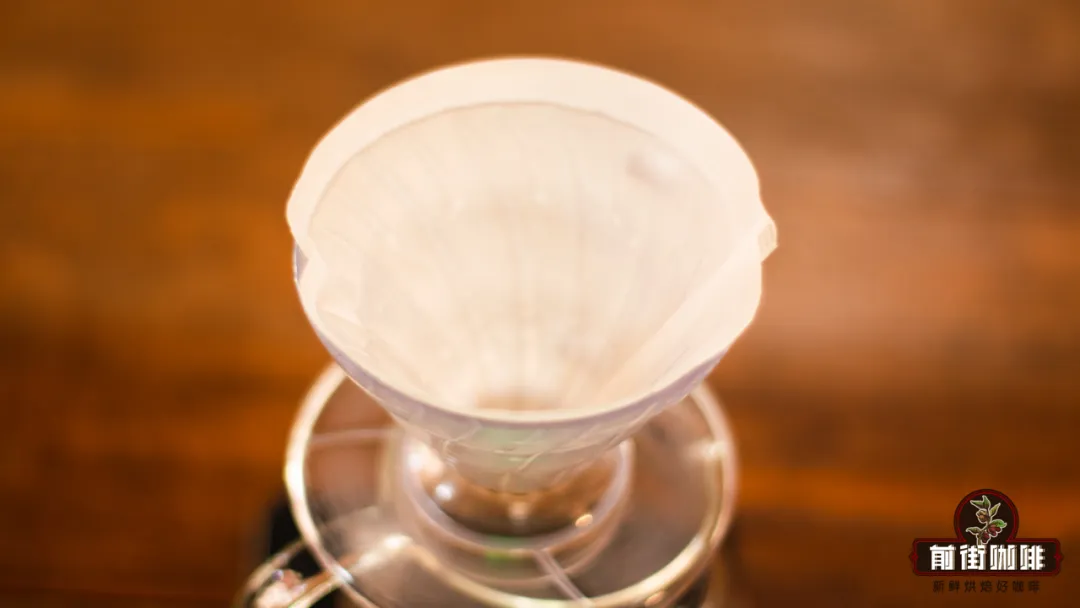
Folding filter paper is not complicated in itself, so Front Street often glossed over it in past explanations, and people do not usually pay special attention to it. But precisely because the steps are so simple, it is easy for people to overlook its importance.
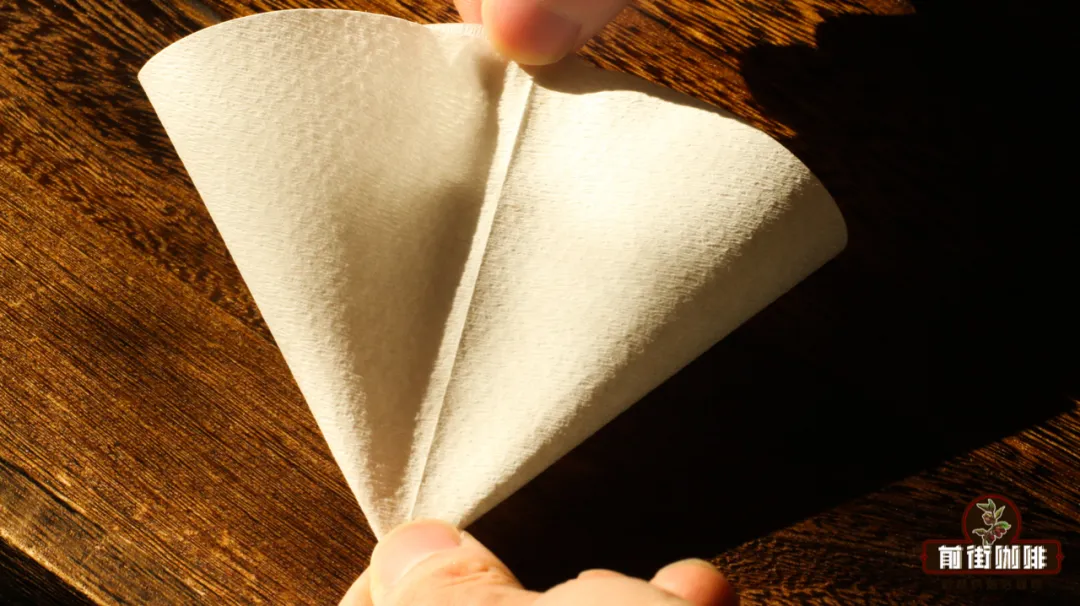
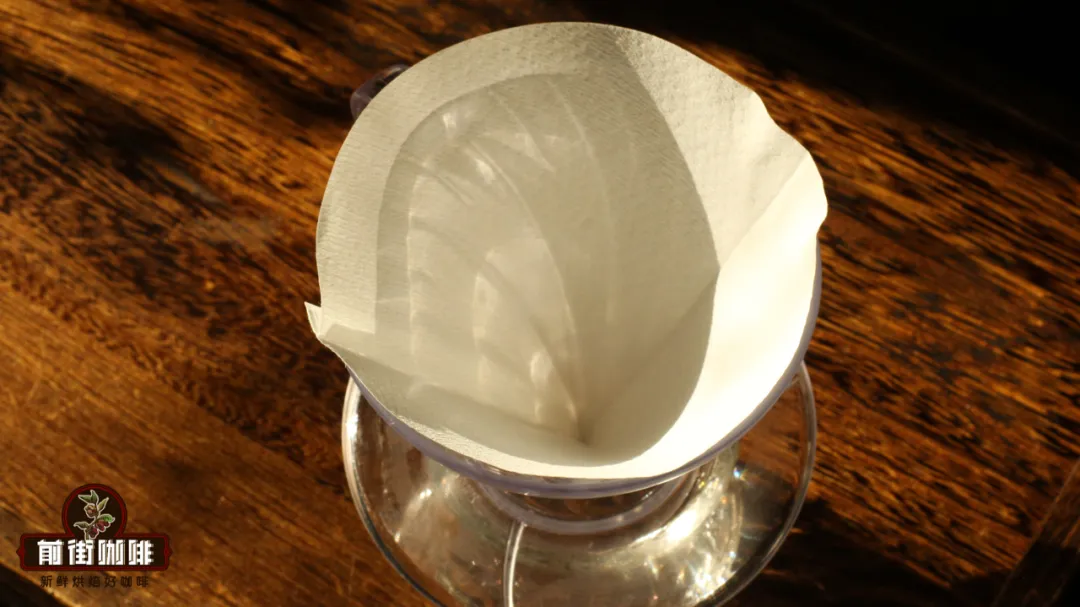
Generally speaking, once a wood pulp conical filter paper is folded correctly, it fits a conical dripper quite well. It can even adhere to the dripper wall on its own without needing to be rinsed with water. Conversely, if after placing the filter paper into the dripper you find that one side consistently fails to stick, then nine times out of ten the folding step is the problem (except for ceramic and other drippers that cannot be mass-produced industrially). Next, Front Street will demonstrate step by step: how exactly should filter paper be folded to be considered correct?
How do you correctly fold filter paper?
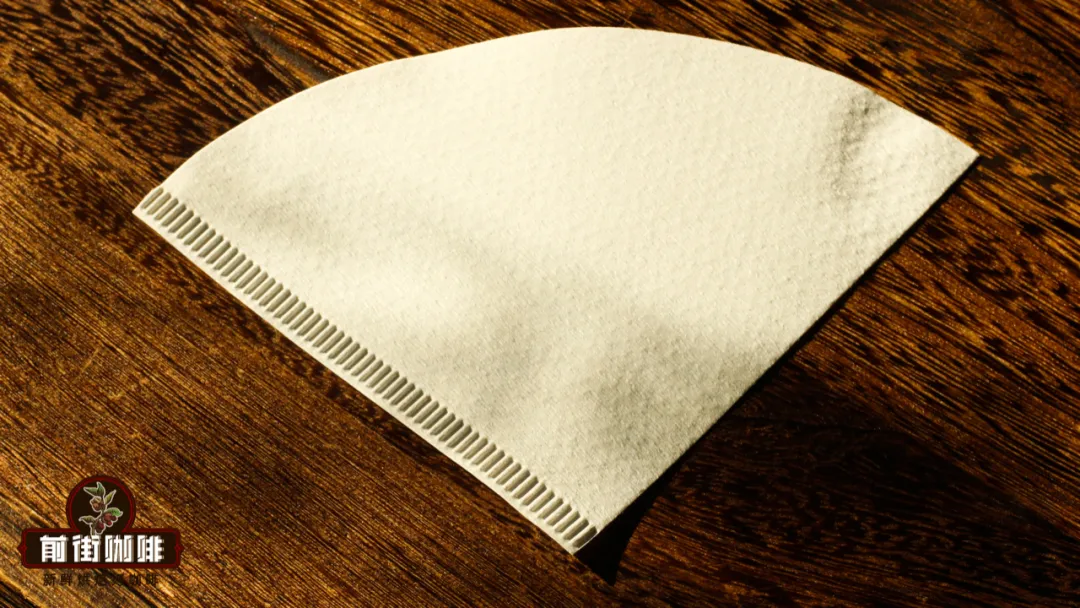
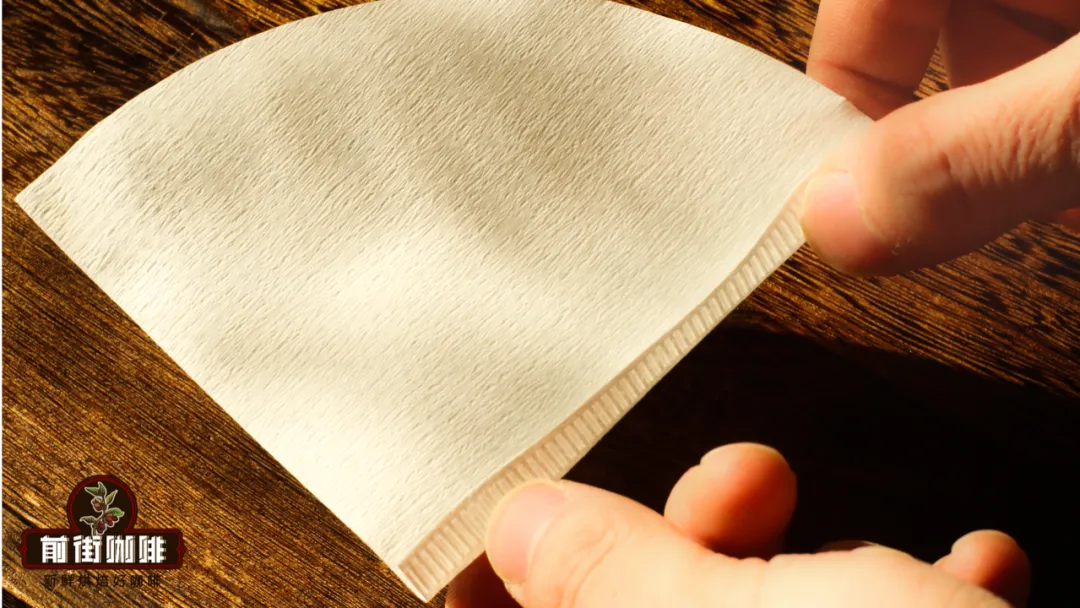
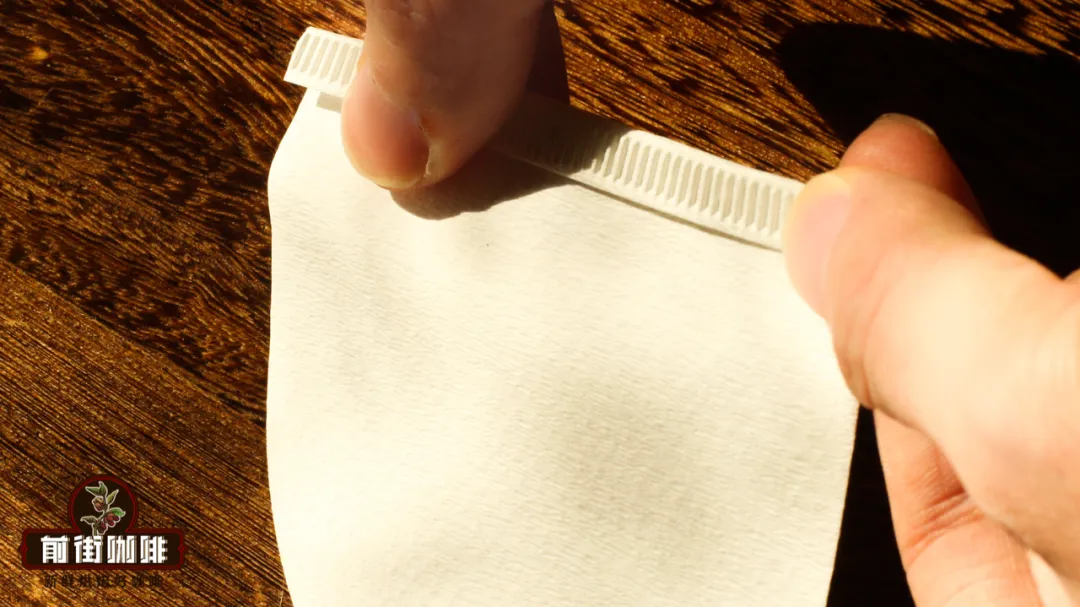
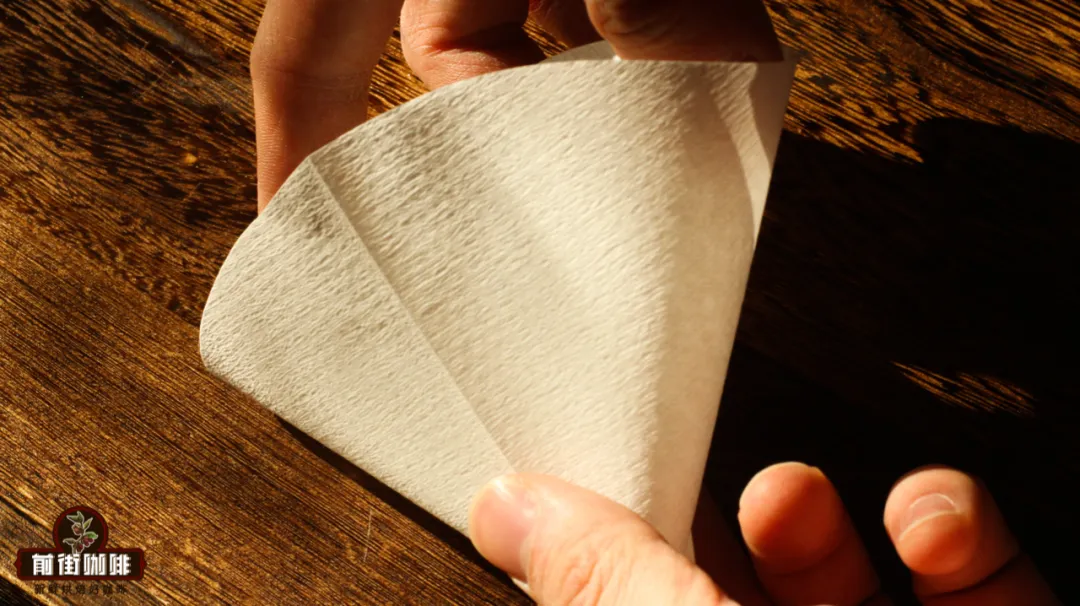
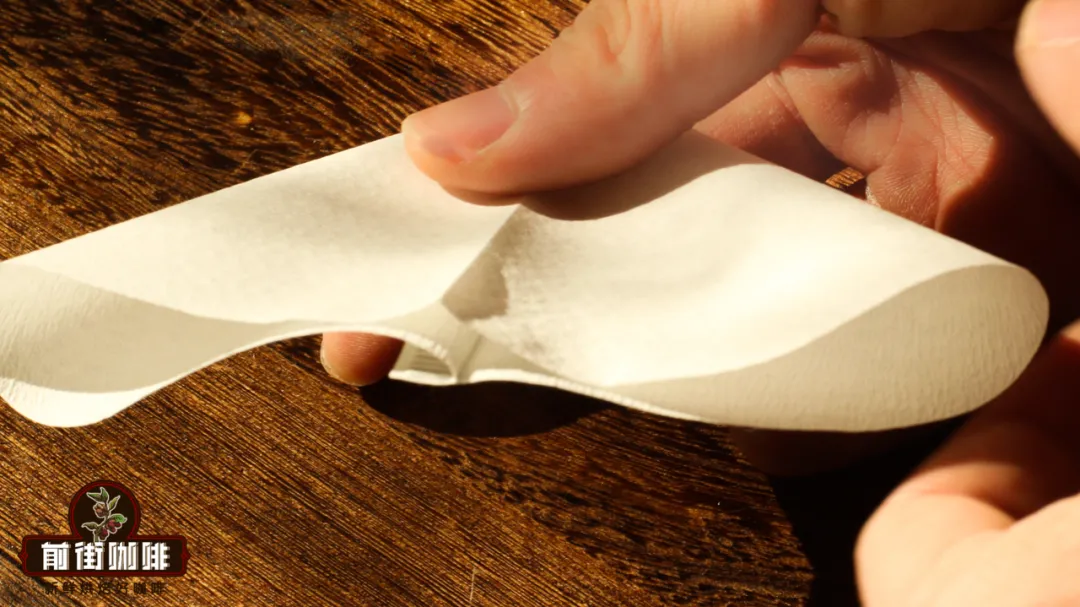
Below is a bleached wood pulp conical filter paper. You can clearly see that one side of the filter paper has a seam.

The above content is compiled by CoffeeHunters, a coffee news website.


