







Search Results for: Compact
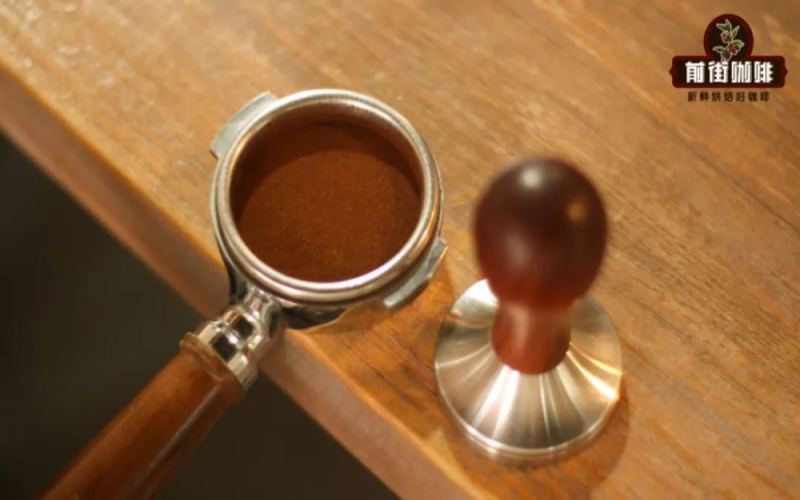
How should you control the tamping pressure for espresso? An experimental analysis of tamping differences under coarse and fine grinding
Tamping the puck flat is a basic consensus in espresso extraction, but how much force should actually be used to tamp it down has long been a point of disagreement among baristas. Some give the tamper a light spin and apply just a little pressure, while others put their whole body weight into compressing the puck as hard as possible. Front Street conducted a comparative experiment using two grind sizes—coarse and fine—tamping with a regular force of 1.5 kg and a full-force press of about 9 kg respectively, to observe changes in extraction time. The results showed that because coffee grounds differ in density, the force needed to reach a compacted state also varies: fine grinds require greater pressure to be tamped to their most compact state, while coarse grinds are already sufficiently compacted at 1.5 kg, and full-force tamping produces extraction results almost identical to regular force. This article will present the full experimental process and conclusions to help coffee lovers understand the relationship between tamping force and grind fineness. [more…]
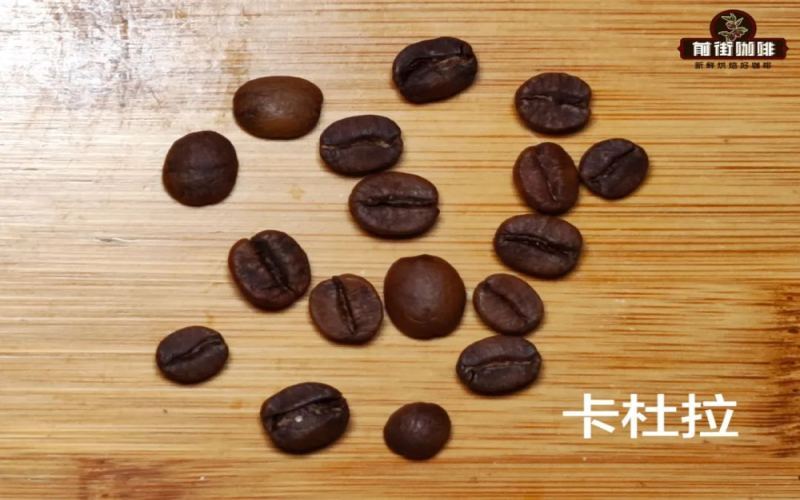
A Complete Analysis of the Caturra and Catuai Coffee Varieties: Origins, Characteristics, and Front Street Coffee's Recommended Bean List
Caturra and Catuai are common variety labels on coffee beans from Central and South America, and the two names are similar with deep connections. Caturra originated from a natural Bourbon mutation discovered in Brazil, with a compact size, high yield, and no need for shade; Catuai is a hybrid offspring of Mundo Novo and Yellow Caturra, combining high yield with stress resistance. This article provides a detailed overview of the discovery history, plant characteristics, cupping performance, and cultivation adaptability of these two varieties, and explains why they often appear together in the same coffee. Front Street Coffee also recommends a number of related bean lists, including Colombia Huila, Costa Rica Musician Series, and Honduras Sweet Orange Estate, with brewing demonstrations and flavor descriptions to help you fully understand the charm of these two varieties. [more…]
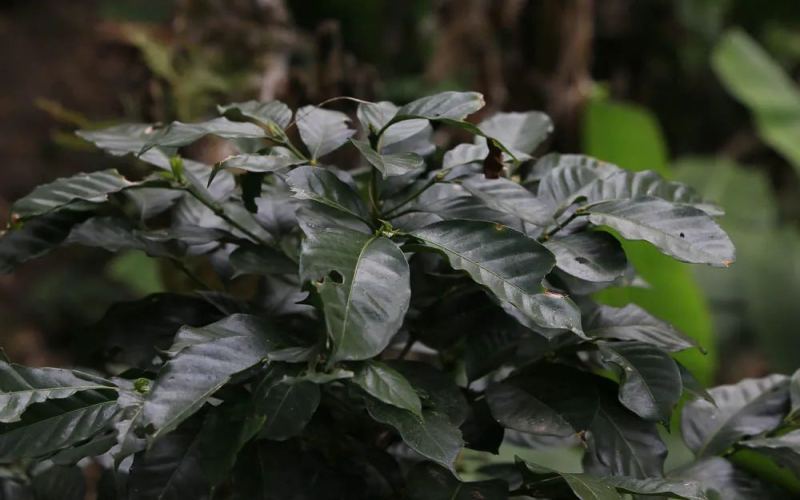
A Comprehensive Analysis of the Catimor Coffee Variety: The Robusta Genes Behind Its Disease Resistance and High Yield, and the Flavor Controversy
Catimor is a coffee variety bred by crossing Timor and Caturra. Developed in 1959 by CIFC in Portugal, it is known for its disease resistance and high yield, and is widely planted in Central and South America. It inherits the Robusta genes of Timor, giving it extremely strong resistance to leaf rust and berry disease. The plant is short and compact, suitable for dense planting, and its yield far exceeds that of traditional varieties. Currently, 99% of Yunnan's coffee production comes from Catimor. However, the Robusta genes also bring controversy in terms of flavor—when grown at high altitudes, its cupping performance is noticeably inferior to varieties such as Bourbon and Caturra, and the increased chlorogenic acid content brings bitterness and an unpleasant acidity. This article will provide a comprehensive analysis of Catimor's varietal origins, plant characteristics, and flavor controversies, and, using the high-mountain Catimor of Lujiangba in Baoshan, Yunnan as an example, combined with Front Street Coffee's roasting recommendations, explore this variety's positioning and value in the specialty coffee era. [more…]
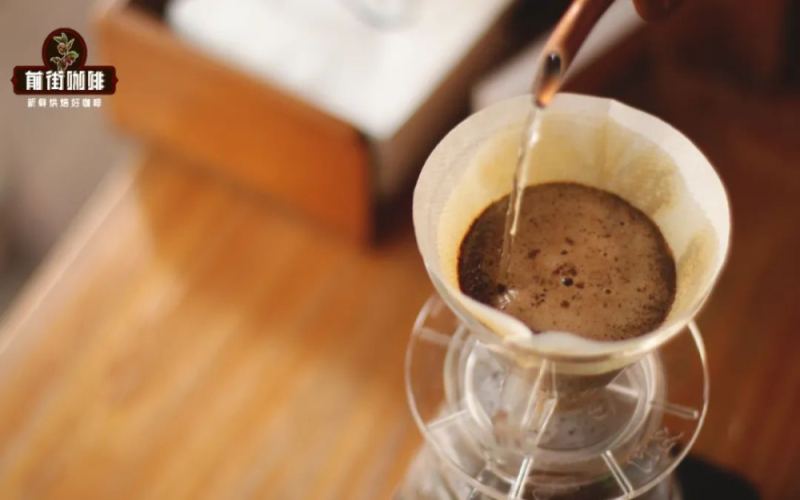
Can gently tapping the dripper really change the extraction result? The hidden link between fine migration and channeling
In pour-over coffee, many enthusiasts habitually tap the dripper before pouring water, trying to make the surface of the coffee bed more level. However, this seemingly harmless little action may cause fines to gradually settle to the bottom under vibration, creating a coffee bed density that is loose at the top and compact at the bottom. When hot water passes through this uneven structure, it will bypass the denser areas of greater resistance and flow toward the edge of the dripper, triggering channeling and a failed bloom, ultimately leading to uneven extraction, clogging in the final stage, and even over-extracted woody flavors. Through comparative experiments, Front Street Coffee found that the two groups of coffee—one without tapping and one with ten taps—showed clear differences in drip time and flavor performance. This article will break down the physical mechanism of fines settling and share a coffee-dosing technique that achieves a level coffee bed without repeated tapping, helping you consistently reproduce the ideal flavor in your daily brewing. [more…]
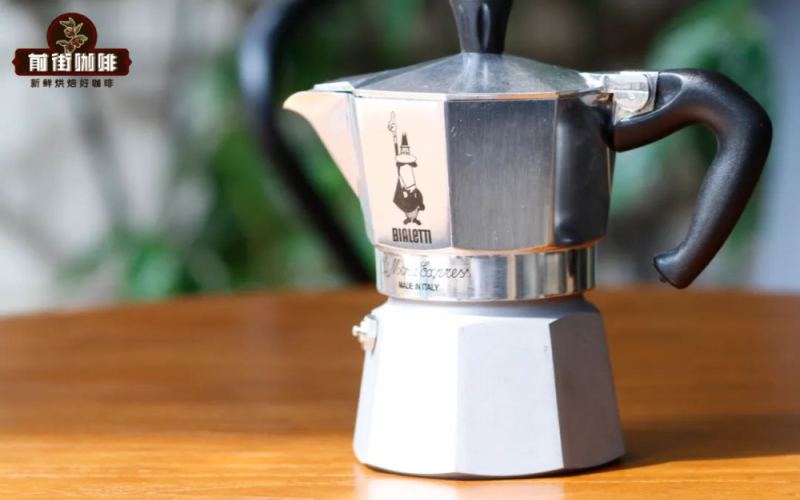
The Complete Moka Pot Guide: Step-by-Step Instructions, Tips, and an In-Depth Look at Pros and Cons
Since its debut in 1933, the moka pot has become the go-to entry-level choice for countless coffee lovers thanks to its compact convenience and rich brew. Yet controversy around it has never ceased: can it extract ideal crema like an espresso machine? And which coffee beans suit it best? This article systematically walks through the moka pot's operating steps and practical tips, compares its fundamental differences from coffee machines in crema performance, and objectively analyzes its pros and cons. At the same time, Front Street Coffee offers specific bean recommendations for the different flavor profiles of medium-dark and medium roasts, helping you consistently brew either silky, full-bodied coffee or fruit-forward, aromatic coffee with your moka pot. [more…]
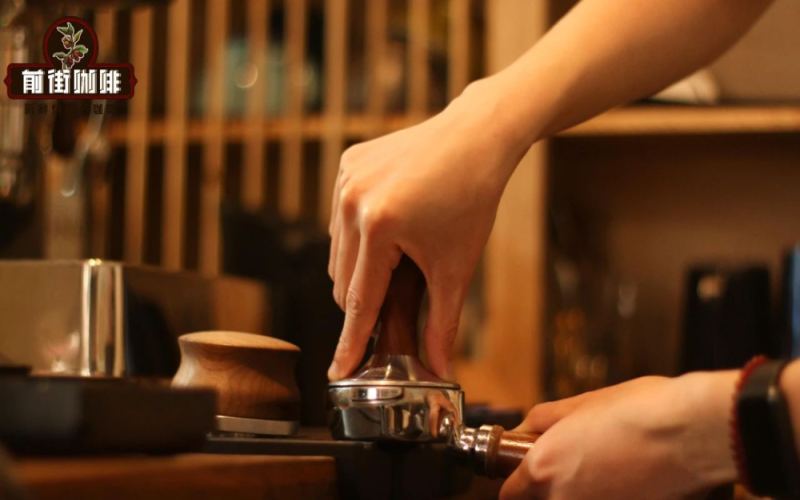
The Correct Use of a Coffee Tamper and an Analysis of Coffee Ground Coarseness for French Press
In the process of making espresso, the tamper is one of the indispensable tools for a barista. It not only affects the degree to which the coffee grounds are compacted, but also directly relates to extraction quality and flavor performance. Starting from the practical role of the tamper, this article will analyze its size differences, the reasons behind its price, and key points for purchasing, while also extending to the brewing logic of the French press to explain how coffee grind size affects flavor. By comparing two methods—espresso tamping and French press immersion—it helps coffee enthusiasts gain a more comprehensive understanding of the key details in coffee preparation and make more suitable choices in practice. [more…]
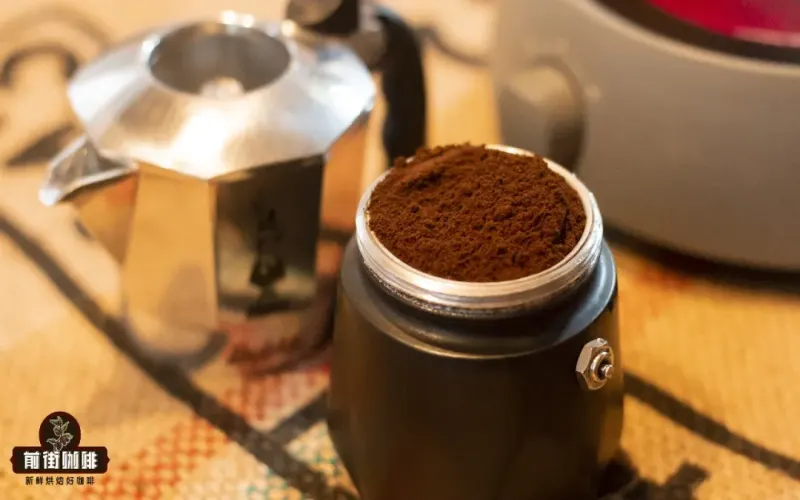
Does Moka pot coffee need tamping? Which coffee beans are more suitable for making a latte?
When making coffee with a moka pot, whether or not to tamp the grounds during the distribution step is a question many enthusiasts care about. Front Street recommends tamping when conditions allow, because tamping makes the coffee puck more compact, increases resistance, improves extraction efficiency and uniformity, and gives the coffee a richer flavor and thicker crema. Through comparative experiments, Front Street found that after tamping, both the concentration and extraction yield of moka pot coffee increased noticeably. However, the tamping force needs to be adjusted flexibly according to the grind size and extraction parameters, otherwise it may lead to over-extraction or sputtering risks. This article will analyze in detail the pros and cons of tamping in a moka pot, the key operating points, and recommend Front Street's Italian Classic Blend coffee beans, which are suitable for making moka pot lattes. [more…]

Moka pot: cold water or hot water? A hands-on comparison of heating time, sputtering, and bitterness differences
The Moka pot, with its compact size, simplicity, and affordability, has become the go-to home brewing device for many coffee enthusiasts. But in actual use, one repeatedly raised question has always puzzled people: when making Moka pot coffee, should you use cold water or hot water? The choice of water temperature not only affects the length of heating time, but also directly influences the final coffee flavor. Front Street conducted a controlled experiment, using cold water and hot water respectively to brew Moka pot coffee, recording the two's outflow time, extraction state, and taste presentation. This article will present the complete experimental process and results, analyze the causes of the sputtering phenomenon, and explain why Moka pot coffee made with cold water is more prone to bitterness, finally offering targeted operating recommendations. [more…]
A Comprehensive Analysis of the Caturra Coffee Variety: Characteristics, Advantages, Cultivation Distribution, and Flavor Profile of the Bourbon Mutation
Caturra is one of the most common coffee varieties in Central and South America. As a natural mutation of Bourbon, it has become the dominant variety in many producing regions thanks to its compact size, high yield, and ability to adapt to direct sunlight. This article will guide readers through a comprehensive understanding of this variety, covering Caturra's origin and discovery, its botanical advantages, its spread across Central and South America, and the typical flavors presented by the pure Caturra coffee beans from the Alasitas estate in Bolivia selected by Front Street Coffee. Whether you are just beginning to learn about coffee varieties or want to gain a deeper understanding of the relationship between Caturra and Catuai, this article offers clear and practical reference. [more…]
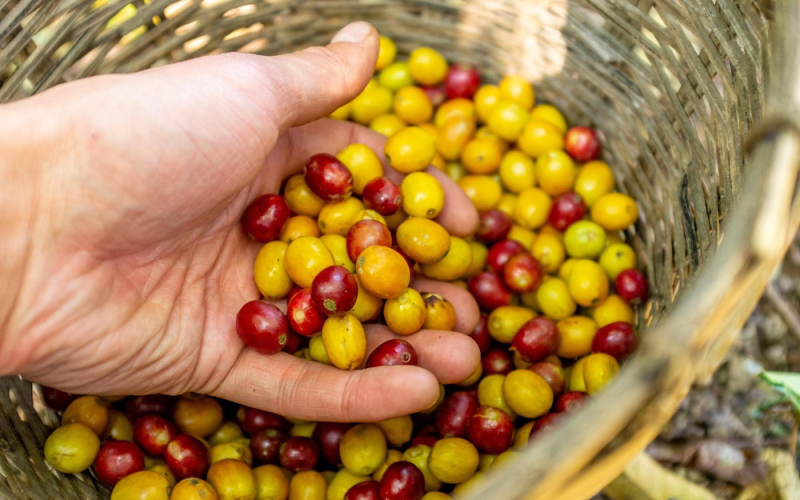
Bourbon Natural Mutation Caturra: From Variety Characteristics to Brewing Analysis of a Colombian Huila Washed Everyday Bean
Caturra is a natural mutation of Bourbon discovered in Brazil. With its high yield and strong disease resistance, it has become a common choice for large-scale cultivation. The plant is short with compact branching, and it maintains vigorous growth even under direct sunlight, which is why it is called "sun-grown coffee." In addition to Red Caturra and Yellow Caturra, there is also the rare Purple Caturra, which arose from a natural mutation of Red Caturra. In terms of flavor, Caturra typically exhibits bright acidity and medium body, often with lemon or citrus notes in the cup, while its sweetness is greatly influenced by fertilization management. Colombia is an important stage for Caturra, and Front Street Coffee's bean list also includes several Caturra coffees. This article covers the variety's background, the Colombian washed processing procedure, and the brewing parameters and flavor performance of a Huila everyday-drinking bean. [more…]

What coffee beans are suitable for a Moka pot? A full breakdown of paper filter tips, pros and cons, plus detailed brewing steps
As a must-have brewing device in Italian households, the moka pot is deeply favored by coffee enthusiasts for its compact size, convenience, and affordability. But how do you use it to brew a cup of coffee that is neither bitter nor astringent? What roast level of beans should you choose? Should you add a paper filter or not? This article will walk you through the working principle of the moka pot, and drawing on Front Street Coffee's hands-on experience, break down the brewing steps in detail, the choice of grind size, tips for avoiding over-extraction, and an analysis of the pros and cons of using a paper filter with a moka pot. We also recommend coffee beans suited to the moka pot—Front Street Coffee Golden Mandheling dark roast, rich and smooth, to help you easily make a cup of full-bodied, fine coffee. [more…]
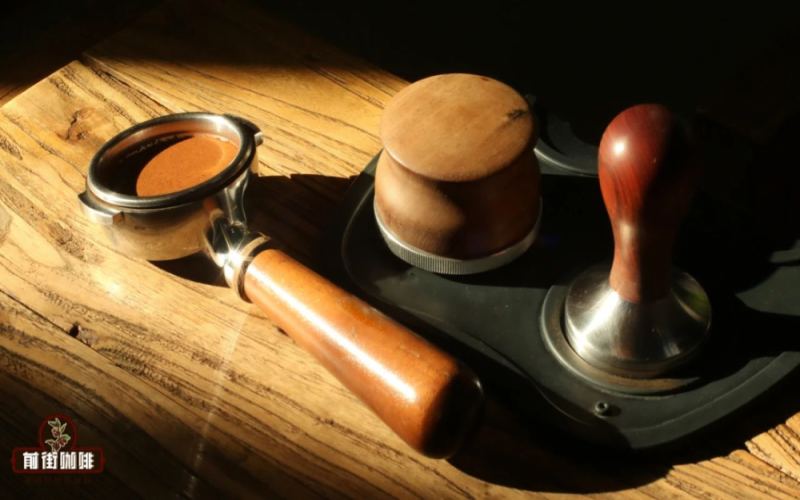
An Analysis of the Differences Between Espresso Distribution Tools and Tampers: The Correct Operating Method from Distribution to Tamping
When making espresso, a leveler and a tamper are two indispensable tools. Many people wonder: after leveling, the surface of the coffee bed is already flat, so why do we still need to tamp? In fact, leveling and tamping each serve a different purpose. Leveling aims to distribute the coffee grounds evenly and reduce channeling; tamping compacts the loose coffee bed to withstand the impact of high-pressure water flow. This article will take a deep dive into the differences and connections between the two, explain the correct technique for using a tamper in detail, and answer common questions such as whether you can tamp a second time when the tamp is uneven, helping you pull an evenly extracted espresso at home. [more…]
Analysis of the Moka Pot Extraction Principle and Key Operating Points: The Effect of Pressure Conditions on Crema Formation and Coffee Bean Selection Recommendations
Since its invention in 1933 by Italian engineer Alfonso Bialetti, the moka pot has become a go-to device for many enthusiasts thanks to its compact, portable design and its ability to brew intense coffee. However, if you expect it to produce the kind of fine, long-lasting crema that an espresso machine delivers for latte art, you first need to understand the fundamental difference in pressure between the two. This article explains what coffee crema really is, the conditions a moka pot needs to extract crema, and how factors such as grind size, dose, and roast level affect the final result. It also draws on several Front Street Coffee beans to recommend medium-dark and medium roasts suited to the moka pot, helping you judge more clearly the limits of what a moka pot can achieve in terms of crema. [more…]

A Complete Guide to Moka Pot Brewing: From History and Principles to Operating Details and Troubleshooting Common Issues
As a classic symbol of Italian coffee culture, the moka pot, with its compact retro design and rich, robust brew, has always held a place among coffee lovers worldwide. However, many people encounter issues during use such as no liquid output, sputtering, or a burnt, bitter taste. This article will start with the invention history and working principle of the moka pot, break down the standard brewing process in detail, and offer troubleshooting ideas for common problems, along with pairing suggestions using Front Street Coffee beans to help you consistently make a cup of full-aroma moka pot coffee. [more…]
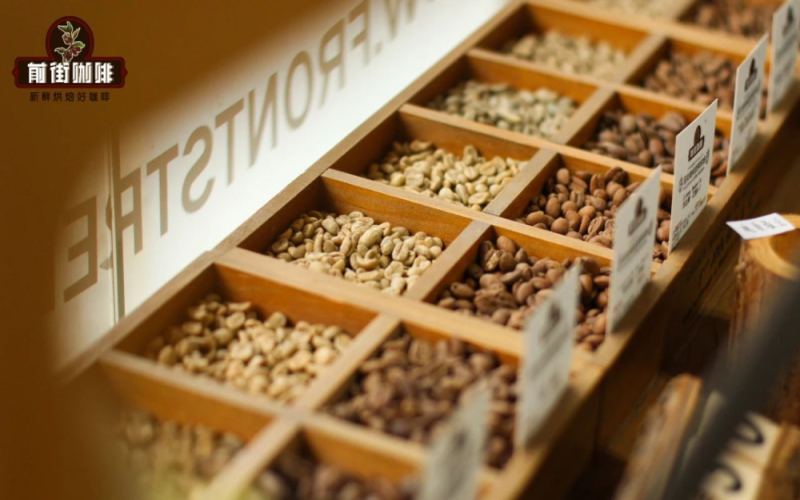
Caturra Coffee Variety Full Analysis: From Bourbon Mutation to Central American Mainstay, Flavor Characteristics and Representative Beans
Caturra is a highly economically valuable natural mutation within the Bourbon lineage. With advantages such as a small plant size, suitability for dense planting, and no need for shade, it has become an important pillar of coffee-growing regions in Central America. In this article, from the perspective of Front Street Coffee, we will sort out the historical origins and variety characteristics of Caturra, and use its Colombian passion fruit enzyme washed Purple Caturra as an example to introduce the Huila region, the processing methods and brewing suggestions of Finca Monteblanco, helping coffee lovers gain a comprehensive understanding of the unique charm of this variety. [more…]
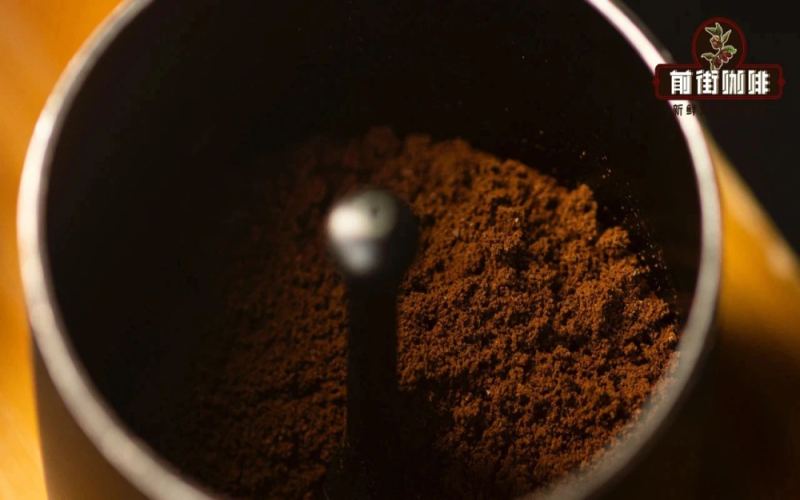
How Much Force Is Appropriate for Tamping Espresso? Practical Techniques and Parameter Sharing for Leveling Coffee Grounds
Making espresso seems simple, but many coffee enthusiasts still find the flavor unsatisfactory even after following the parameters. Front Street Coffee believes the problem often lies in the tamping step—this inconspicuous step directly affects the even extraction of the coffee grounds. Through comparative experiments, this article explains the necessity of tamping, clarifies the principles behind distribution and tamping, and explains in detail the correct tamping posture, pressure, and angle to help solve common problems such as tilted or uneven tamping. It also shares the complete parameters for extracting espresso at Front Street stores, as well as the flavor characteristics of the espresso blend beans used, for coffee enthusiasts to reference and practice. [more…]
Caturra vs. Catuai Coffee Varieties: Flavor Characteristics and Brewing Performance of Catuai
In the variety labeling of South American specialty coffee, the similarly named pair of varieties Caturra and Catuaí often appear together, sparking curiosity among many coffee enthusiasts. What exactly is the relationship between the two? As a natural mutation of Bourbon, Caturra changed the planting landscape of Central America with its compact plant size and adaptability to sun exposure; Catuaí, a cross between Mundo Novo and Yellow Caturra, combines high yield with resistance to wind and rain. This article systematically sorts out the differences and connections between the two, from variety origins and botanical characteristics to cup profile, and uses the Catuaí from Honduras's Sweet Orange Estate as an example to showcase Front Street Coffee's brewing approach and flavor performance. [more…]
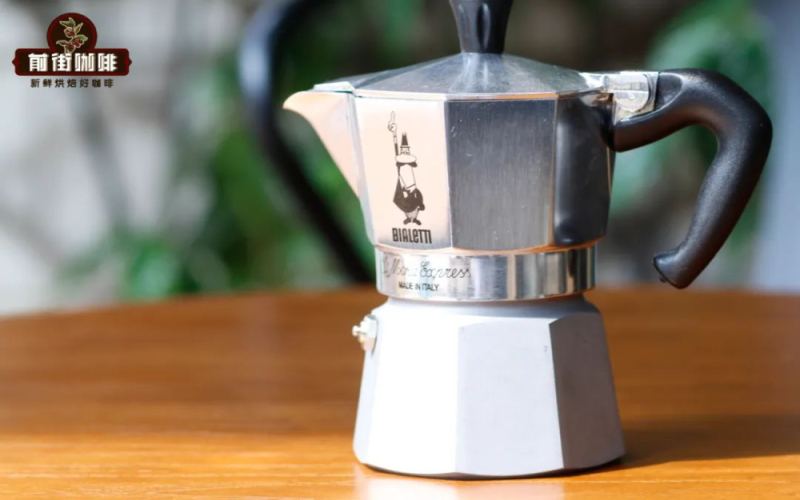
A Complete Guide to Brewing Coffee with a Moka Pot: Principles, Techniques, Pros and Cons, and Recommended Medium-Dark Roast Beans
As a convenient household coffee brewing tool, the moka pot is favored by many coffee enthusiasts thanks to its compact size and affordable price. Using the Bialetti moka pot as an example, this article systematically introduces its extraction principle, operating steps, advantages and disadvantages, as well as the types of coffee beans suitable for moka pot brewing. At the same time, the article will also explain why it is difficult to brew a true espresso with a moka pot, and share several medium-to-dark roasted espresso blends and single-origin beans from the Front Street brand that are suitable for moka pots, helping you easily make a rich and aromatic cup of coffee at home. [more…]
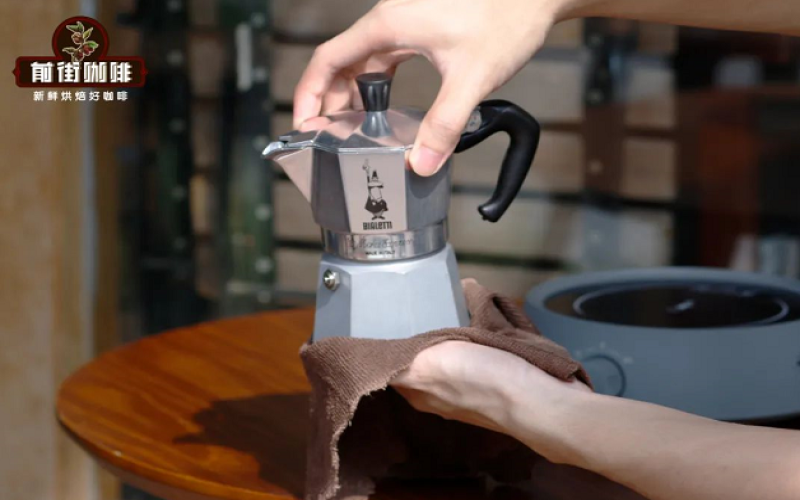
Moka Pot Brewing Pros and Cons: A Complete Guide from Brewing Principles to Grind Size
The moka pot is favored by coffee enthusiasts for its compact portability and low barrier to entry—whether at home or outdoors, it can quickly produce a cup of espresso-style coffee. It consists of three parts: a lower water chamber, a filter basket, and an upper pot. By using the steam pressure generated by heating, it pushes hot water through the coffee grounds to extract the coffee liquid. However, this brewing method also brings obvious shortcomings—the water temperature is relatively high, and the parameters are difficult to control precisely, which can easily lead to over-extraction. This article will systematically sort out the advantages and disadvantages of the moka pot, and focus on explaining the correct approach to coffee ground coarseness, helping you achieve consistent results even when using products from brands such as Front Street Coffee. [more…]
Ethiopia Guji Coffee Flavor Analysis: Characteristics of 74110 and 74112 Varieties and Introduction to the Shakiso Wako Lot
The Guji region of Ethiopia is renowned worldwide for its unique flavors and excellent varieties. This article will delve into the origin background, traceability, and the origins and characteristics of the two heirloom varieties, 74110 and 74112, used in Shakiso Wako organic coffee. These two varieties were developed by the Jimma Agricultural Research Center in the 1970s to resist coffee berry disease and are now widely cultivated in the Guji region. The article will also share the tasting notes of this batch of coffee, including mild citrus acidity, grapefruit, jasmine, and sweetness flavor characteristics. Whether you are a coffee enthusiast or a professional, you can gain a deeper understanding of Ethiopian coffee from it. Front Street Coffee recommends that you pay attention to this high-quality coffee with structure and sweetness. [more…]