







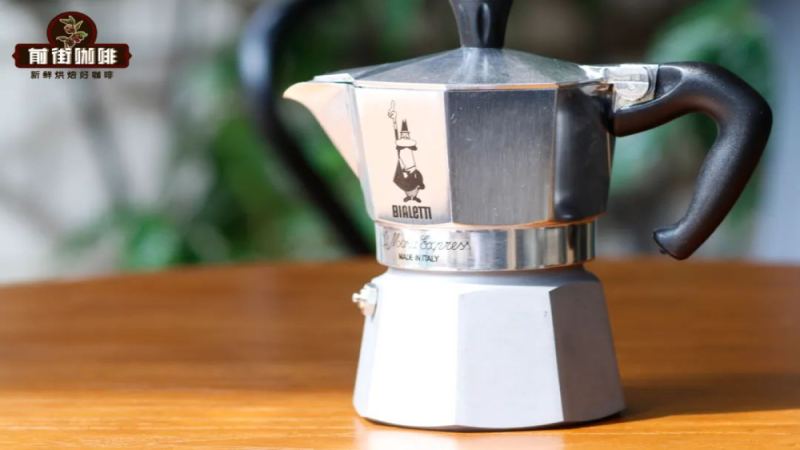
Can a Moka Pot Really Produce Crema?
A moka pot brews by pressure and was invented in 1933 by Italian engineer Alfonso Bialetti. It is compact and makes strong, rich coffee, but the crema it produces differs from the fine, lasting layer from an espresso machine, because extraction pressure falls well below what espresso requires.
Real crema is a dense foam of carbon dioxide and coffee lipids, and forming it depends on applied pressure. With a moka pot, grind size, dose and roast level shape the result, and medium to medium-dark roasts tend to work well. Users should judge the device by what it can honestly deliver rather than by latte art.
Since its invention in 1933 by Italian engineer Alfonso Bialetti, the moka pot has become a must-have device for many enthusiasts thanks to its compact portability and ability to brew intense coffee. However, if you expect it to produce the kind of fine, lasting crema that an espresso machine delivers for latte art, you first need to understand the fundamental pressure difference between the two. This article will explain what coffee crema really is, the conditions a moka pot needs to extract crema, and how factors like grind size, dose, and roast level affect the final result. It will also draw on several Front Street Coffee beans to offer medium-dark and medium roast recommendations suitable for the moka pot, helping you more clearly judge the limits of what a moka pot can achieve in terms of crema.
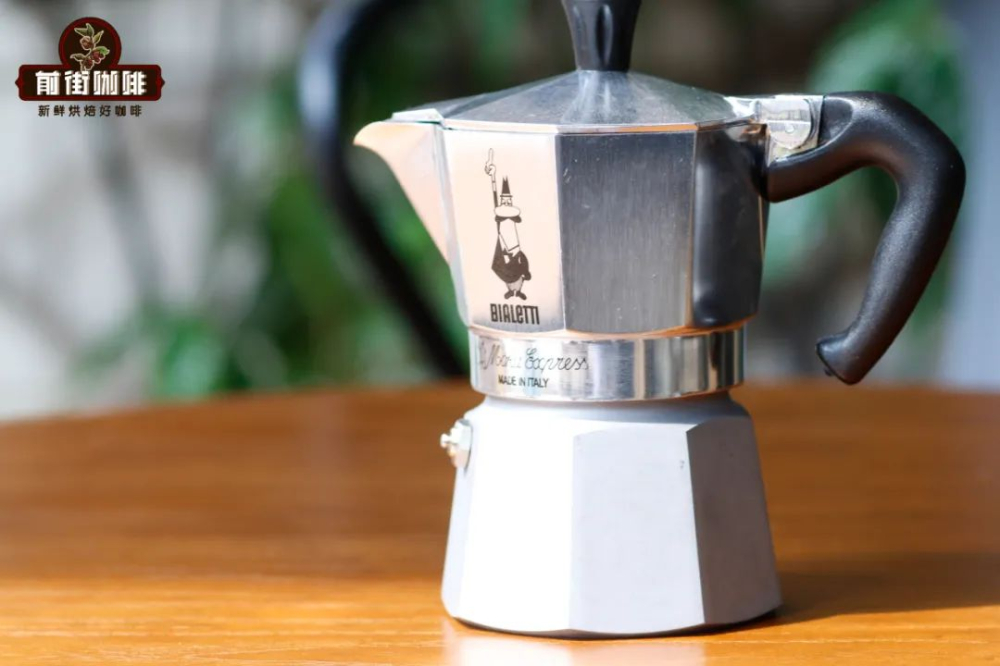
The moka pot is a pressure-based coffee brewing device, invented in 1933 by Italian engineer Alfonso Bialetti. It is compact, easy to use, and capable of making rich, tasty coffee, so it often ends up on many people's shopping lists. If what you value is its convenience and its ability to brew strong coffee, then there is no problem at all. But if the reason you are buying it is that you have heard the moka pot can extract crema and you plan to use that crema for latte art, then you need to think it over more carefully.
The reason is that the crema produced by a moka pot is actually very different from what we usually call crema—the layer floating on the surface of an espresso extracted by a coffee machine.
What is coffee crema?
In everyday usage, "oil" or "fat" usually brings to mind the water-insoluble substances secreted by animals and plants. But the crema in coffee is not that concept at all—it refers to a layer of tiny bubbles filled with both carbon dioxide and the lipids from the coffee beans themselves.
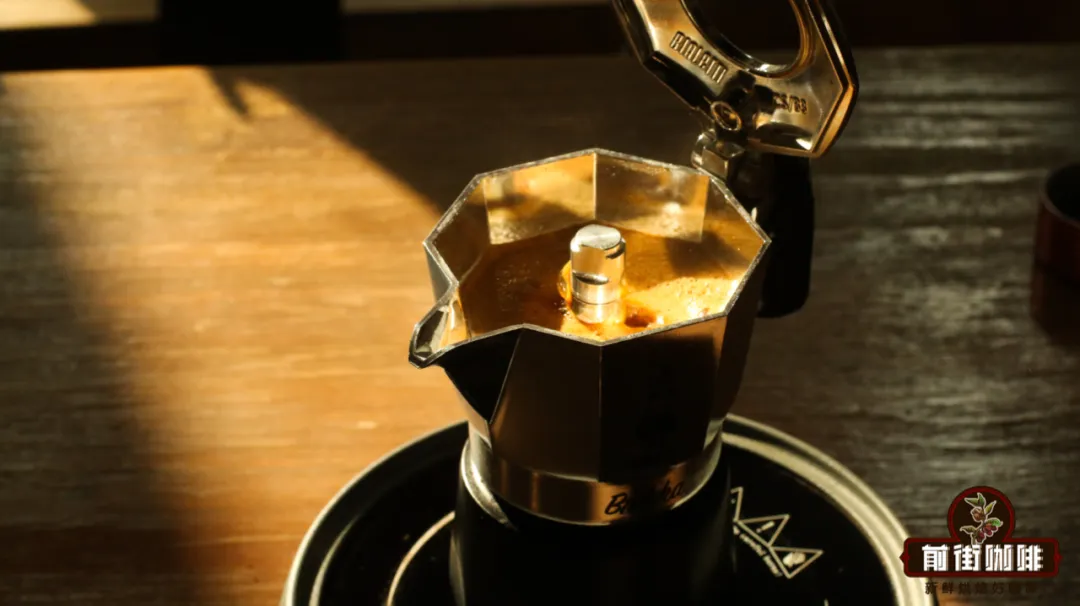
This layer of bubbles is extremely fine, dense, and thick, giving a creamy, viscous mouthfeel. So people borrowed the Spanish word "Crema," meaning cream, to name it. It is precisely because of this layer of Crema that espresso has such a distinctive identity. When it later spread to China, due to the language barrier, people mistakenly thought it was a creamy oil or fat, and the term "油脂" (oil/fat) caught on.
To form this layer of crema, there is only one condition: the extraction process must apply pressure. Under the combined action of pressure and high temperature, the lipids in the coffee grounds are broken down into extremely fine particles, which then combine with carbon dioxide to form bubbles—the golden crema we see on the surface of the coffee.
To achieve a better pressurization effect, both grind size and dose need attention.
Compared with other coffee devices, the moka pot is not particularly demanding when it comes to grind size. It is usually somewhere between pour-over and espresso grind—similar in feel to fine salt. But be careful not to grind finer than the gaps in the filter basket, or the grounds will fall into the lower chamber. The same goes for the dose: just fill it level and smooth it out; there is no need to tamp. As long as you do these two things, you will basically meet the extraction requirements.
Like an espresso machine, the moka pot is a pressure-based extraction method, so it can also extract similar substances. But only similar—it cannot extract the fine, thick, and long-lasting espresso crema that a coffee machine can. Why? Because there is a fundamental difference between the two.
What is the difference between the crema from a moka pot and from a coffee machine?
This fundamental difference lies in the pressure each one uses. The pressure of an espresso machine is usually set at 9 bar, and if the puck offers enough resistance, the pressure during extraction can rise even higher. Only such high pressure is enough to stabilize the bubble structure and give the crema a fuller aroma and a longer-lasting presence.

By comparison, the pressure of a moka pot is only 2–3 bar, and the same is true for a double-valve pot. Such pressure cannot extract bubbles with a stable structure, because the lipids in the coffee are not fully broken down by pressure to combine with carbon dioxide. So the "crema" produced by a moka pot is not only coarse, but also dissipates quickly within a short time (about two minutes), making it unsuitable for latte art.
That is why most people consider the crema extracted by a moka pot to be a different "crema" from the layer extracted by a coffee machine. Even so, many friends still want to extract a thick crema with a moka pot, and it is not hard to do. We just have to be clear about one thing: more crema is not necessarily better.
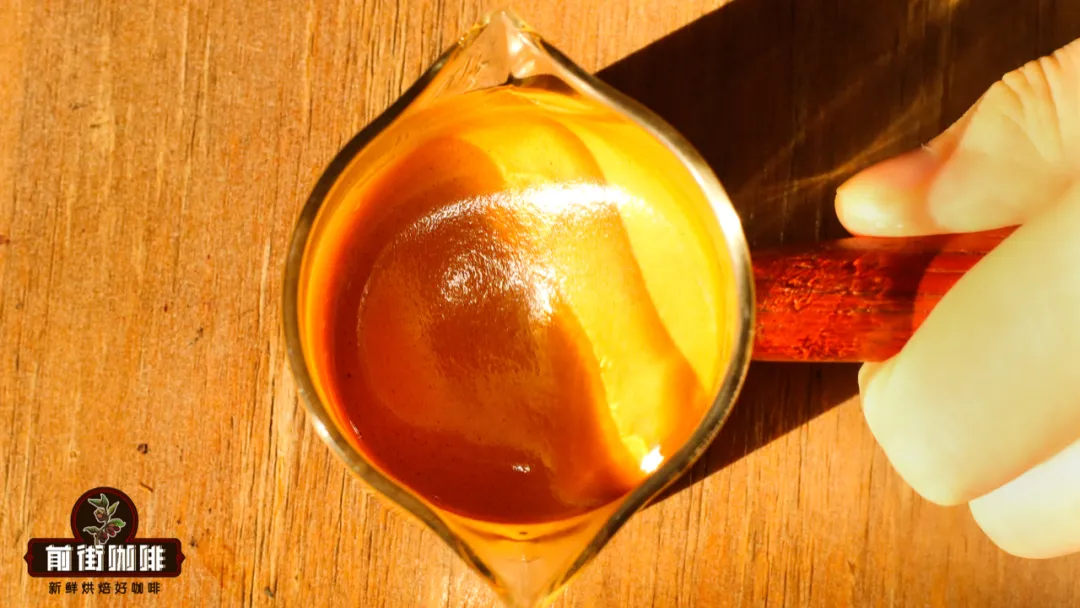
To extract a thick crema with a moka pot, you only need to control the pressure during extraction and choose the right coffee beans. As mentioned earlier, the greater the pressure, the thicker the crema you can extract; and the more carbon dioxide the coffee grounds contain, the more crema formation is promoted. The relevant explanation has already been covered in that Front Street Coffee article on crema, so I will not repeat it here.
When it comes to choosing coffee beans, Front Street Coffee recommends prioritizing medium to dark roasts. If you like a roasty, mellow taste, you can buy Front Street Coffee Indonesia Golden Mandheling, Front Street Coffee Brazil Queen's Estate, and Front Street Coffee Colombia Huila. These are all single-origin coffees with excellent flavor performance, using medium-dark roasts, and they can make moka pot coffee with silky crema.
If you like rich fruity aromas, you might try medium-roast beans such as Front Street Coffee Strawberry Candy Espresso, Front Street Coffee Colombia Sidra, and Front Street Coffee Colombia Ombligon. During extraction they release abundant tropical fruit and luscious jam flavors.
The above content is compiled by CoffeeHunters, a coffee news website.


