







Which Beans Suit a Moka Pot Brew?
A moka pot works well with medium to dark roast beans ground slightly coarser than espresso. The pot brews under steam pressure in a nearly sealed chamber, producing a coffee-to-water ratio near 1:7, roughly twice the strength of drip coffee. That concentration means roast level and grind size both shape how bitter or astringent the finished cup turns out.
Grind is the main lever against over-extraction. Keep the grind a touch coarser than espresso, shake the filter basket so the grounds sit level, and take the pot off the heat once about 80% of the coffee has flowed out or the stream turns golden. A paper filter on top of the grounds is optional and mainly catches fines.
The moka pot, an essential brewing device in Italian households, is deeply favored by coffee lovers for its compact size, convenience, and affordability. But how do you use it to brew a cup of coffee that isn't bitter or astringent? What roast level of beans should you choose? Should you add a filter paper or not? This article will walk you through the working principles of the moka pot, and starting from Front Street's hands-on experience, break down the brewing steps in detail, grinding size selection, tips to avoid over-extraction, and an analysis of the pros and cons of moka pot filter paper. We'll also recommend coffee beans suited for the moka pot — Front Street Golden Mandheling dark roast, rich and smooth, helping you easily make a cup of full-bodied, great coffee.
Today's coffee lovers are constantly raising their standards for quality, no longer satisfied with just buying a cup at a café — more and more people are choosing their own coffee beans and brewing at home. Beyond grinders, all kinds of coffee equipment are making their way into kitchens, and people's attention to and research on extraction methods is deepening. So, can a coffee as intense as espresso be made with a moka pot?
As usual, let's start with the origin of the moka pot: in 1933, Italian engineer Alfonso Bialetti invented this device. It's compact, affordable, easy to maintain for daily use, simple to operate, and quick to produce a cup — a common brewing tool in traditional Italian households, with nearly every family owning one.
The moka pot is essentially a scaled-down espresso machine, and its extraction principle is quite interesting. Because water is heated in a nearly sealed environment, considerable pressure builds up inside, and steam pushes the hot water into the upper chamber to complete extraction. This pressurized method produces coffee with a high concentration, typically more than twice that of regular coffee, with a coffee-to-water ratio of about 1:7 (whereas regular coffee has a ratio of about 1:16).
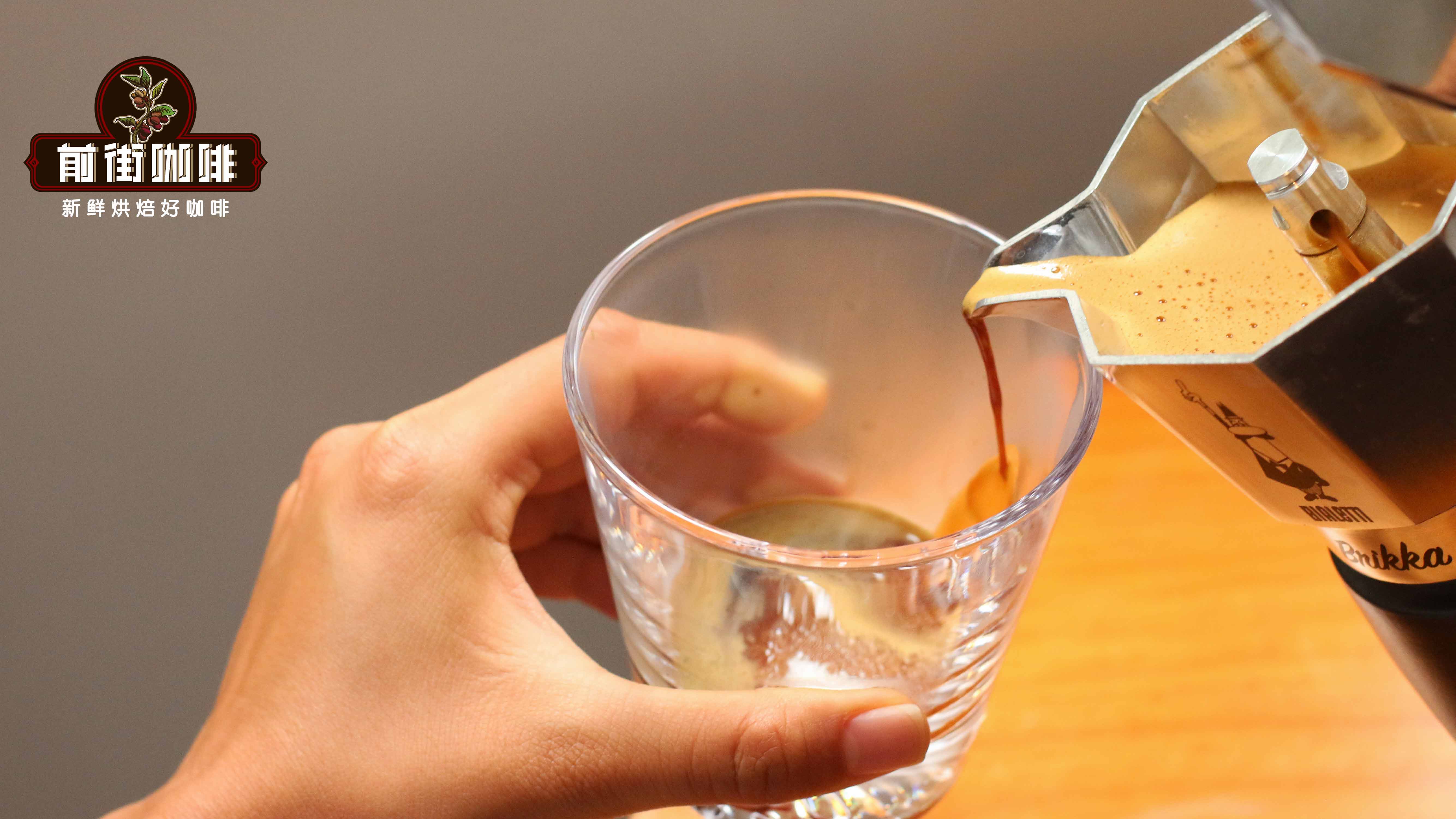
So how do you make coffee brewed with a moka pot as non-bitter as possible?
Bitterness is a problem encountered in many brewing methods, and the most common cause is over-extraction — when coffee grounds are exposed to too much hot water or for too long, the flavor naturally deteriorates.
1. Use a grind slightly coarser than what an espresso machine uses 2. Gently shake the filter basket to distribute the coffee grounds more evenly 3. When about 80% of the coffee has flowed out (or it looks like golden honey), remove the pot from the heat source and place it directly on a cold towel. Rapid cooling prevents over-extracted bitter liquid from continuing to flow into the coffee 4. Fill the lower chamber with hot water, which shortens the heating time of the moka pot on the stove
Next, Front Street will walk you through making a cup of moka coffee.
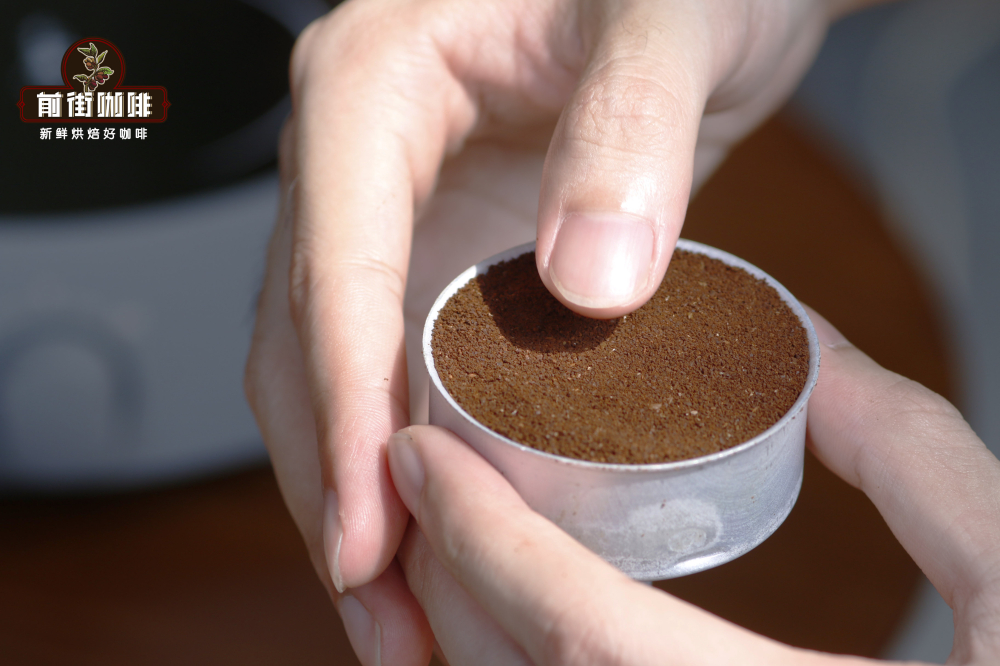
Step one: Using a four-cup moka pot as an example, you'll need to grind about 18 grams of coffee. The suitable grind for a moka pot is medium to medium-fine — coarser than espresso, finer than drip, with a texture like fine salt.
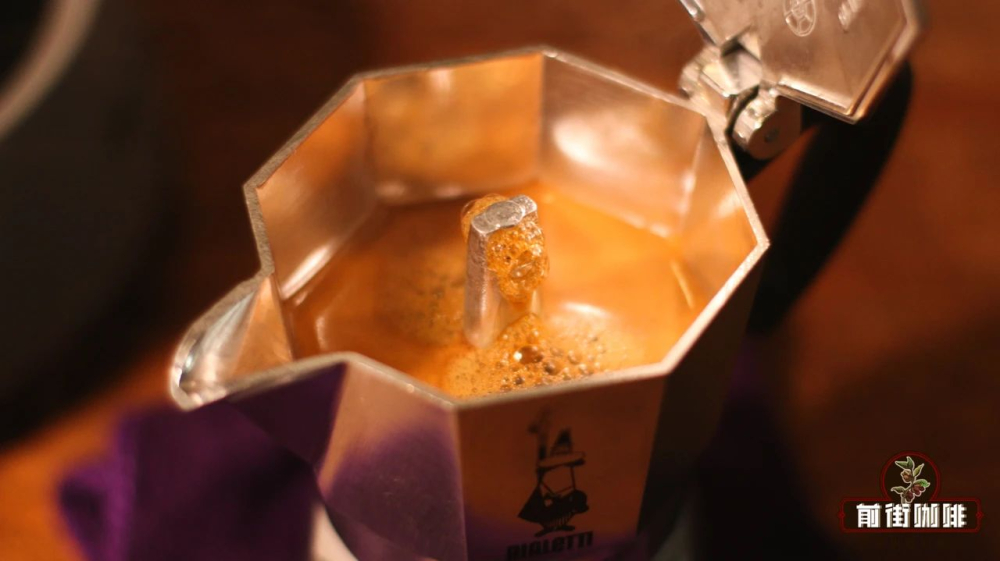
Step two: Fill the lower chamber with water up to the safety valve, about 250 grams. Then place the filter basket (the funnel that holds the coffee grounds) into the lower chamber.
Step three: Fill the filter basket with the ground coffee, level it off, and wipe the edges of the basket clean.
Step four: Tightly screw the upper and lower chambers together.
Step five: Place the moka pot on the stove and heat over medium heat. If using a gas stove, make sure the flame doesn't extend beyond the bottom of the pot, so as not to burn the handle.
Step six: When the water in the lower chamber approaches boiling, pressure steadily pushes the coffee into the upper chamber. There's no fixed time to turn off the heat with a moka pot — when you hear a hissing or gurgling sound, that means it's about done, so remove it from the heat immediately. Once the coffee has fully flowed into the upper chamber, carefully pour it out, and a great cup of coffee is complete.
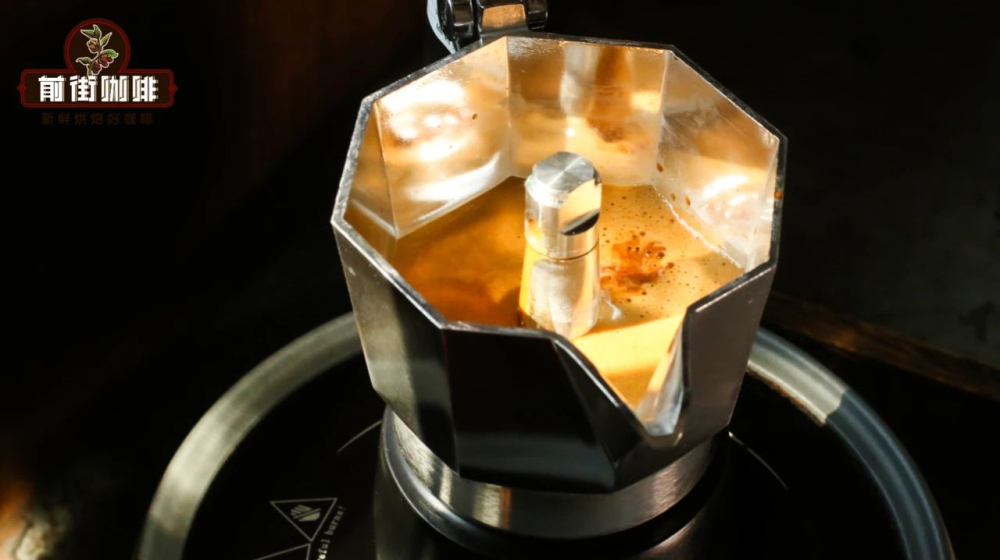
If you find scorching at the bottom of the pot after extraction, it may be that the heat was too high, or the grind was too fine, causing the coffee to burn before extraction finished. In that case, you need to adjust the grind coarser, switch to low heat, and watch the flow rate of the coffee throughout — if it stops flowing, it's most likely ground too fine.
Maintaining a moka pot is also effortless — disassemble the parts, rinse them clean, and dry them with a towel.
When using a moka pot, choosing the right roast level is key.
Many people prefer to pair dark-roasted beans with a moka pot. Dark or medium-dark roasts are typically used for espresso-style drinks, because these beans have a rich, full-bodied flavor that can withstand the pressurized extraction process.
We recommend Front Street Golden Mandheling dark roast — rich and smooth. The moka pot is also called a stovetop espresso maker, which means medium-dark to dark roasted beans better highlight the extraction style, bringing intense chocolate and nutty notes, low acidity, and a heavy mouthfeel. Note that light-roasted coffee has higher acidity and should be avoided in a moka pot where possible, otherwise uneven extraction is likely to occur.
The above content is compiled by CoffeeHunters, a coffee news website.


