







Search Results for: Cold Brew Ratio
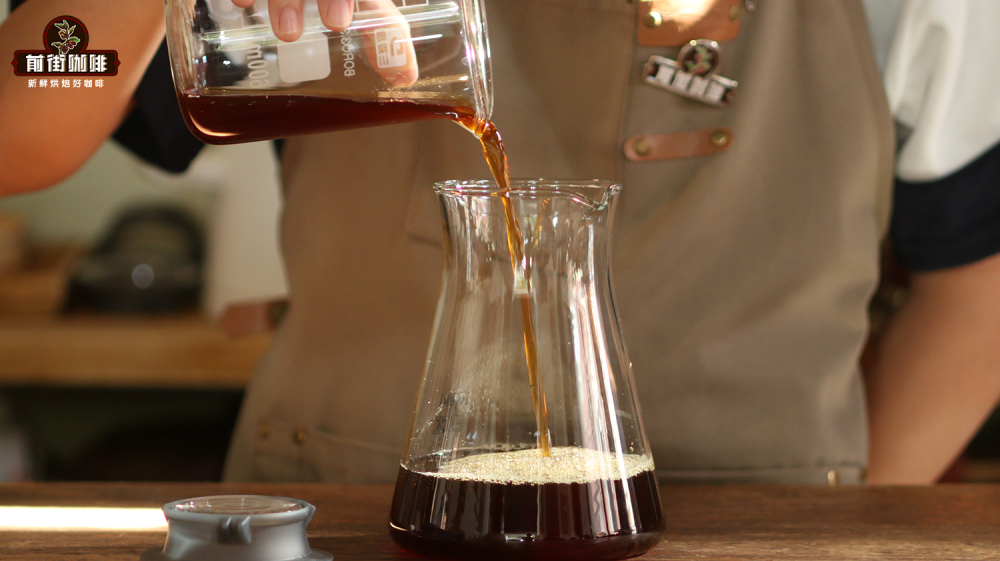
Cold Brew Coffee Powder-to-Water Ratio | What Grind Setting for Cold Brew Coffee Beans? What Are the Pros and Cons of Cold Brew? Introduction to Cold Brew Coffee Extraction Principles, Flavor Characteristics, and Water-to-Coffee Ratio
For more specialty coffee knowledge, please follow: Front Street Coffee (Frontsteet Coffee). Cold brew coffee is simple to make, refreshing in taste, low in acidity and rich in flavor, making it very suitable for drinking in the hot summer. Therefore, many people want to make it at home themselves, and so they ask Front Street Coffee for tips on how to extract it and what to pay attention to. [more…]
Cold Brew Coffee Powder-to-Water Ratio | How to Make Cold Brew with Drip Coffee Bags? How to Make Your Own Cold Brew Coffee Bags? Introduction to Panama Butterfly Coffee Flavor
For more specialty coffee knowledge, please follow our WeChat official account: Front Street Coffee (FrontStreet Coffee). Cold brew coffee has always been deeply loved by coffee enthusiasts. Cold brew coffee is easy to make, and can be made effortlessly at home or in the office. This time, Front Street will talk about the making of cold brew coffee. [more…]
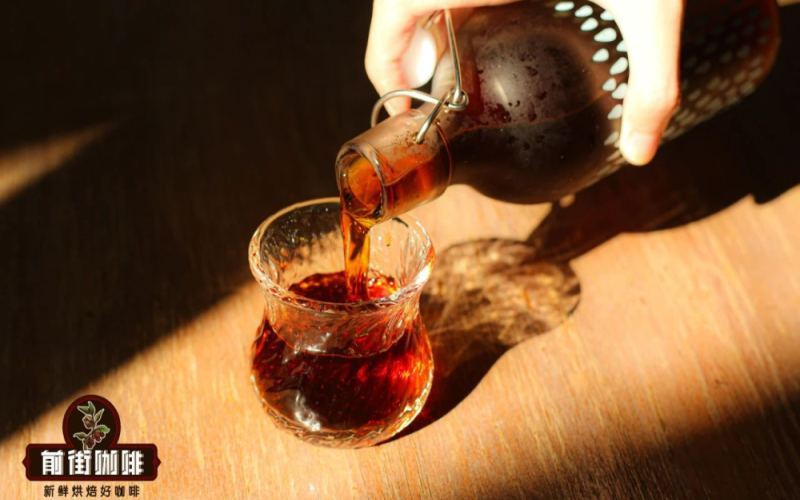
Cold Brew Coffee Complete Guide: A Practical Guide from Coffee-to-Water Ratio and Grind Size to Extraction Time
On a scorching summer day, a refreshing glass of cold brew coffee always perks you right up. Compared with pour-over, cold brew has a much lower barrier to entry—just master a few key parameters like the coffee-to-water ratio, grind size, and steeping time, and you can easily make a rich, smooth iced coffee at home. In this article, Front Street Coffee will walk you through the complete cold brew process in detail, including how to choose the coffee-to-water ratio, how to control grind size, the relationship between water temperature and extraction time, and storage tips after filtering. We'll also analyze the flavor differences between cold brew and hot extraction to help you understand why cold brew tastes less acidic and astringent and feels smoother on the palate. Whether you're a beginner just getting into cold brew or a seasoned brewer looking to fine-tune your parameters, you'll find practical references here. [more…]
How to Make Delicious Cold Brew Coffee: A Full Breakdown of Grind Size, Coffee-to-Water Ratio, and Flavor Characteristics
In the height of summer, a glass of iced coffee always brings instant refreshment. Cold brew coffee, with its simple preparation and smooth taste, has become a favorite among many office workers. It requires no complicated techniques—just a bottle, a bag of beans, and a night of waiting, and the next day you can enjoy a rich, full-bodied iced coffee. So, what exactly is the difference between cold brew coffee and regular iced coffee? How fine should the grind be? What ratio of coffee to water is appropriate? And how should extraction temperature and time be managed? In this article, Front Street Coffee will systematically explain the brewing parameters, flavor characteristics, and storage methods of cold brew coffee, helping you easily make a delicious cup of cold brew. [more…]
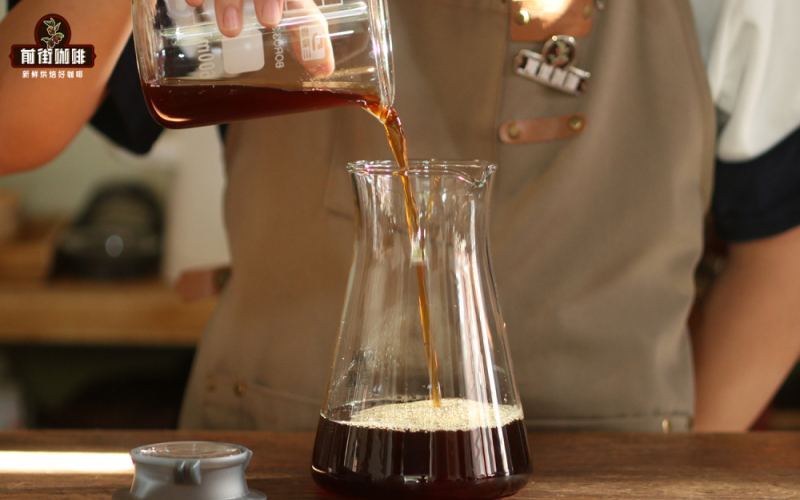
A Complete Guide to Cold Brew Coffee: From Grind Size and Ice-Water Ratio to Steeping Time
In the heat of summer, a refreshing low-acid cold brew coffee has become a favorite for many coffee lovers. But if you want to make a delicious cold brew at home, how coarse should the grind be? How should the ratio of ice water to coffee grounds be set? How long should it steep? This article starts with the origins of cold brew, the extraction principles, and its flavor characteristics, then explains key parameters such as the water-to-coffee ratio and grind size in detail, and includes Front Street Coffee's practical recipe and flavor description, helping you fully master the details of making cold brew coffee, avoid common pitfalls, and easily make a clean, smooth iced drink. [more…]
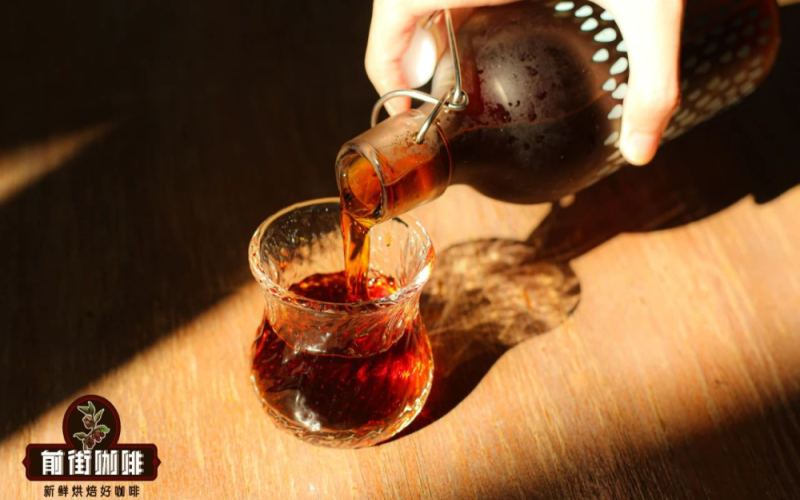
Cold brew coffee grounds-to-water ratio | What are the flavor characteristics of cold brew coffee? What kind of water should be used to brew cold brew coffee grounds? What grind size is suitable for making cold brew coffee?
When summer arrives, the internet-famous iced coffee comes to mind. Indeed, in this scorching summer, a glass of iced coffee instantly makes you feel refreshed. Today, Front Street Coffee is going to talk about one such iced coffee: cold brew coffee. Cold brew coffee has become a favorite among office workers. Why is that? Front Street Coffee believes that cold brew coffee [more…]
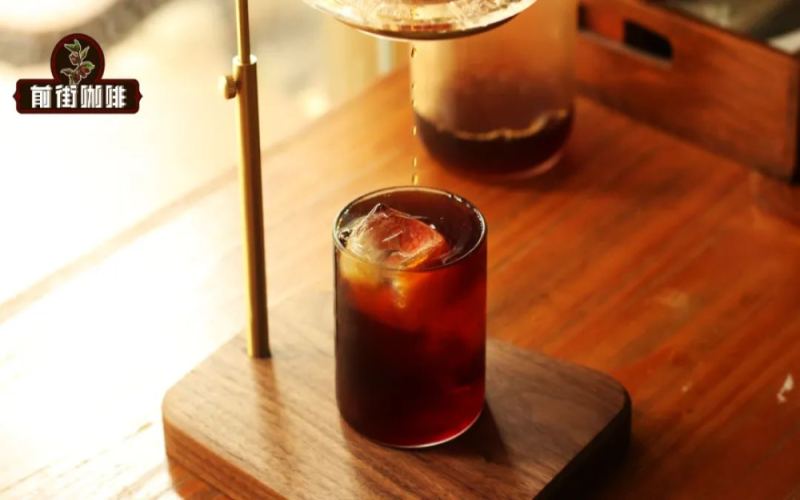
Is Cold Brew Coffee with Milk Good? A Detailed Guide to Cold Brew Coffee-to-Water Ratios and Brewing Tips
On a scorching summer day, iced coffee becomes many people's lifesaving elixir, and cold brew (cold steep) firmly holds the top spot among homemade iced coffees thanks to its simple operation and smooth taste. But many people secretly wonder: can the cold brew they've made be mixed with milk and drunk together? The answer is yes, but if you want the coffee aroma and milky fragrance to both shine, the ratio of grounds, water, and milk must be just right. This article breaks down everything one by one, from bean selection for cold brew, grind coarseness, coffee-to-water ratio, and steeping time, to the golden ratio for adding fresh milk, and also includes a lazy trick for making cold brew with drip bags, so you can easily recreate an iced milk coffee at home that rivals a café's. [more…]
The Complete Guide to Cold Brew Coffee: How Grind Size, Coffee-to-Water Ratio, and Steeping Time Affect Flavor
On a sweltering summer day, a glass of refreshingly cool cold brew coffee becomes the top choice for many office workers. Compared with pour-over coffee, cold brew has a lower barrier to entry—simply grind the beans and soak them the night before, refrigerate overnight, and the next morning you can enjoy a rich, full-bodied glass of iced coffee. However, to make a delicious cold brew, the coffee-to-water ratio, grind size, extraction temperature, and time are all indispensable parameters. Front Street Coffee, using 50 grams of ground coffee as the baseline, has summarized a simple and easy-to-follow cold brew method and offers concentration adjustment suggestions for different drinking scenarios. This article will break down in detail the key points of making cold brew, the causes of its flavor, and storage methods, helping coffee enthusiasts easily recreate at home a cup of cold brew with distinct layers and a pronounced sweet aftertaste. [more…]

Cold Brew Coffee Grounds-to-Water Ratio | How to Make Cold Brew Coffee at Home? Should the Finished Cold Brew Concentrate Be Diluted with Water? How Long Does Cold Brew Last?
The arrival of autumn has cooled the stuffy weather, but many friends in the south can still feel the enthusiasm of the sun at noon. Drinking pour-over coffee in this dry season often leaves the throat feeling parched, and at times like this, ice-cold cold brew coffee becomes everyone's favorite. Some friends may ask about cold brew coffee's [more…]
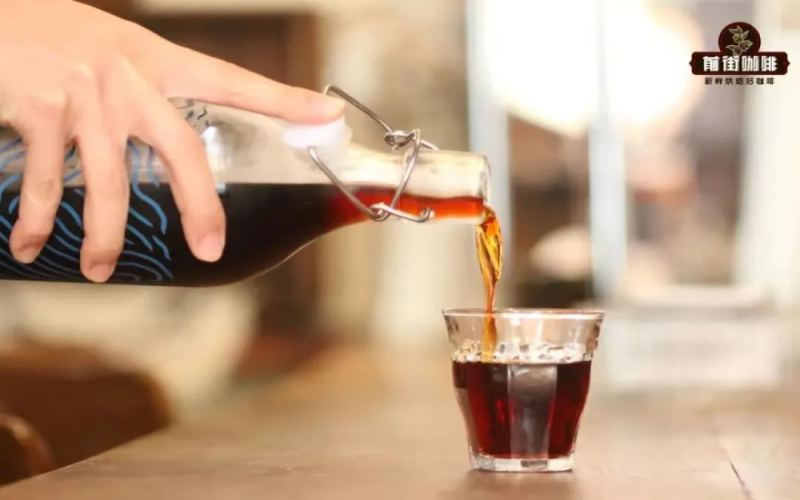
How to Determine the Water-to-Coffee Ratio and Grind Size for Cold Brew Coffee? A Complete Guide to Cold Brew Steeping Time and Coffee Bean Selection
To make a delicious cold brew coffee at home, the key is to master a few parameters: grind size, coffee-to-water ratio, and steeping time. Cold brew coffee is different from regular hot water brewing—it relies on long steeping or dripping with cold water to extract the coffee liquid. Common forms include cold steep and ice drip. Because extraction efficiency is low at low temperatures, the production time usually takes 6 to 8 hours or even longer, but in return you get a richer flavor and a fuller body. Refrigerated storage generally keeps it good for 3 to 5 days. This article covers cold brew coffee equipment selection, grind coarseness, water-to-coffee ratio, steeping time, and suitable coffee beans, and compiles several single-origin beans recommended by Front Street Coffee to help you make a cold brew coffee that is refreshing or has a prominent fermented note, according to your taste preference. [more…]
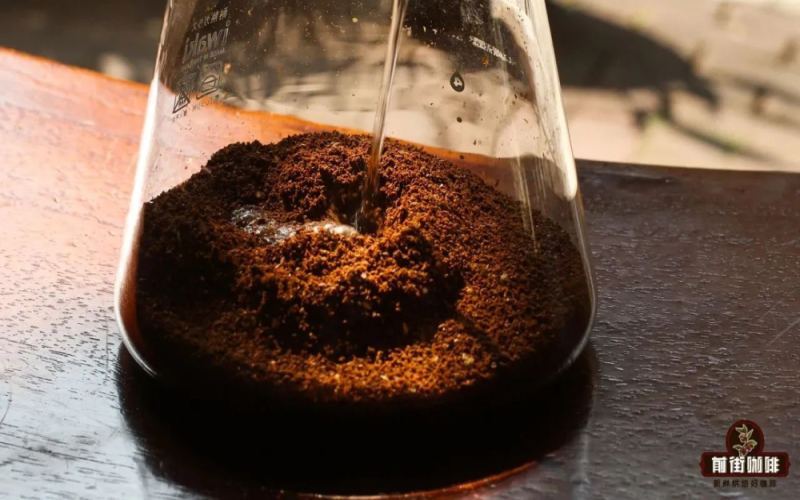
A Detailed Guide to Cold Brew Coffee Grounds-to-Water Ratios: Three Methods—Grind-and-Steep, Drip Bags, and Cold Brew Packs
Cold brew coffee, with its simple preparation and smooth taste, has become a daily choice for many coffee enthusiasts. Whether at home or in the office, it can be made with ease. This article explores the extraction principles and flavor characteristics of cold brew coffee, focusing on the logic behind coffee-to-water ratios, and breaks down three brewing methods in detail: grinding coffee beans for direct cold brew, using drip bags for cold brew, and using cold brew bags. It also draws on several representative products from Front Street Coffee to offer specific parameter recommendations and step-by-step instructions, helping you make a smooth, clearly flavored cup of cold brew coffee under any conditions. [more…]
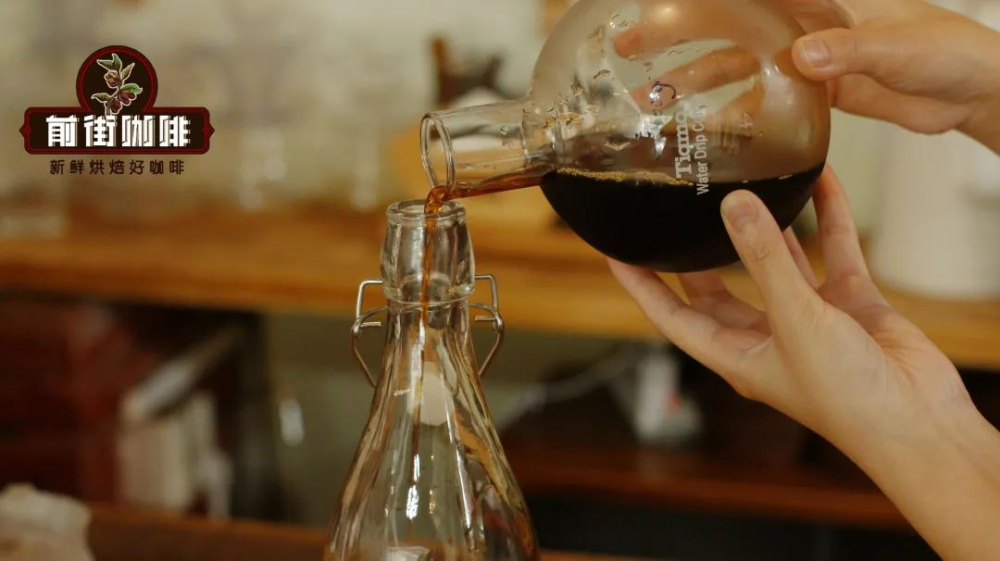
Detailed Guide to Cold Brew Coffee with Illustrations | What Is the Coffee-to-Water Ratio for Cold Brew? How Long Is the Cold Brew Extraction Time? Can You Drink Cold Brew Immediately After Making It?
For more specialty coffee knowledge, please follow the WeChat public account: Front Street Coffee (FrontStreet Coffee). For coffee partners, whether it's pour-over coffee, espresso, or cold brew coffee, the coffee fun they bring is different, but all are interesting. Entering the scorching [more…]

Cold Brew Coffee Making Guide: Coffee-to-Water Ratio, Grind Size Selection, and Front Street Coffee Bean Recommendations
The weather is gradually turning cooler, but the midday sun in the south still shows no sign of letting up. In the dry season, drinking pour-over coffee easily makes the throat feel dry, so a glass of ice-cold cold brew coffee has become the first choice for many people. Many friends are concerned about how to determine the coffee-to-water ratio for cold brew, how fine the coffee beans should be ground, and which beans are suitable for cold brewing. In this article, Front Street focuses on these key points, first explaining the characteristics of low-temperature extraction in cold brew coffee, then giving the usage scenarios for two coffee-to-water ratios, 1:13 and 1:10. Next, using 30g of coffee grounds as an example, it explains the grind size, the amounts of ice and water, the steeping time, and the filtering method, and reminds readers that grinding too fine can bring out a woody taste and reduce cleanliness. The article will also explain the best drinking period and storage suggestions after cold brew is filtered, and recommend four Front Street Coffee beans suitable for cold brew, helping you make a cup of cold brew with balanced acidity and sweetness and a smooth mouthfeel at home. [more…]
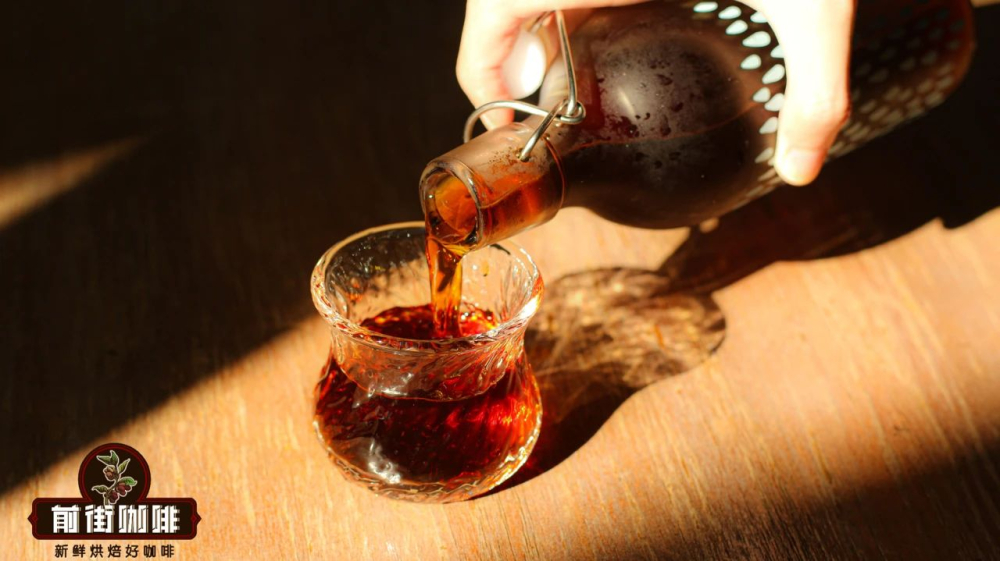
Iced Black Coffee Preparation | How to Make Iced Coffee with Freshly Roasted Coffee Beans? Introduction to Cold Brew Coffee Grind Size, Extraction, Coffee-to-Water Ratio, Taste, and Flavor Characteristics
In this scorching summer, a glass of iced coffee instantly refreshes you. Today Front Street wants to talk to you about cold brew coffee. Cold brew coffee has become a favorite among office workers. Why do we say that? Front Street believes that the reason cold brew coffee is so popular is mainly because it is very simple to make, compared with pour-over coffee. [more…]
Cold Brew Coffee Guide: Grind Size, Coffee-to-Water Ratio, Steeping Time, and the Difference from Ice Drip
Cold brew coffee has attracted increasing attention from coffee enthusiasts in recent years. It extracts coffee liquid through long soaking or dripping with cold water, forming a sharp contrast with conventional hot water brewing. Cold brew and ice drip are the two most common forms of cold brew coffee. This article will systematically introduce the key points of making cold brew coffee, including suitable coffee bean selection, grind size standards, coffee-to-water ratio, and steeping time and other key parameters, while also helping everyone clarify the relationship between coffee bean flavor and cold brew extraction methods. The article also retains Front Street brand coffee bean recommendations, making it convenient for readers to choose according to their own taste preferences. [more…]
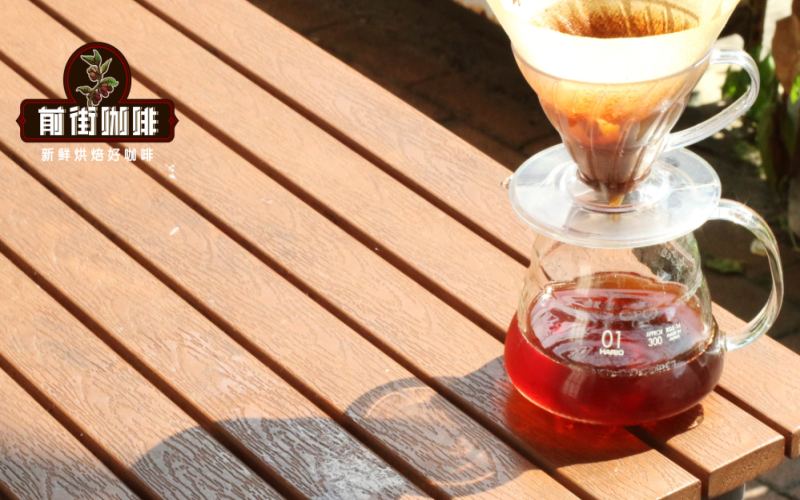
The Complete Guide to Cold Brew Coffee: A Detailed Explanation of the Three Key Parameters—Grind Ratio and Steeping Time
Cold brew coffee, with its light body and sweet-tart flavor profile from low-temperature extraction, has become a favorite among many coffee lovers. Making cold brew isn't complicated—all you need is ground coffee, water, an airtight container, and a refrigerator. But to brew the ideal cup, three parameters must be precisely controlled: grind size, coffee-to-water ratio, and steeping time. This article will systematically explain the principles and practical steps of making cold brew, and using Front Street Mozart coffee beans as an example, provide a complete parameter plan and workflow to help you easily make a cup of cold brew full of juicy fruitiness at home. [more…]
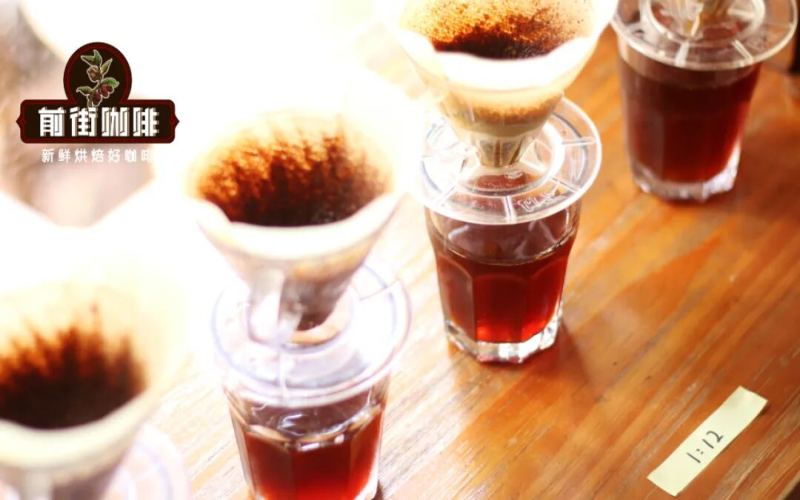
Cold Brew Coffee Ratios | How Does Cold Brew Made with Different Coffee-to-Water Ratios Taste Different? What Coffee-to-Water Ratio Is Suitable for Making Cold Brew Coffee?
Cold brew coffee essentially refers to the fact that under low-temperature conditions, small-molecule substances tending toward aroma and acidity are more easily released into cold water, so the coffee tastes light and is mostly characterized by a sweet-and-sour profile. In addition, since it is not limited by equipment or location, cold brew can be said to be a coffee that people can easily access—at home, as long as you have raw [more…]
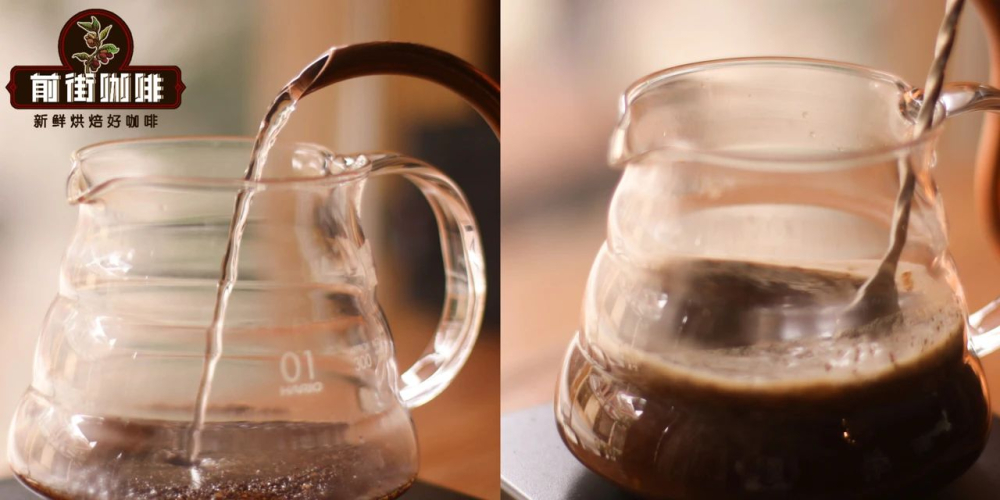
Cold Brew Ratio Guide | What Is Cold Brew? How to Make Great Cold Brew Coffee? How Does the Taste Differ with Different Water-to-Coffee Ratios?
For more specialty coffee knowledge, please follow our WeChat official account: Front Street Coffee (FrontStreet Coffee). Cold brew coffee essentially means that under low-temperature conditions, small-molecule substances that tend toward aroma and acidity are more easily released into cold water, so the coffee tastes light-bodied and tends to express [more…]
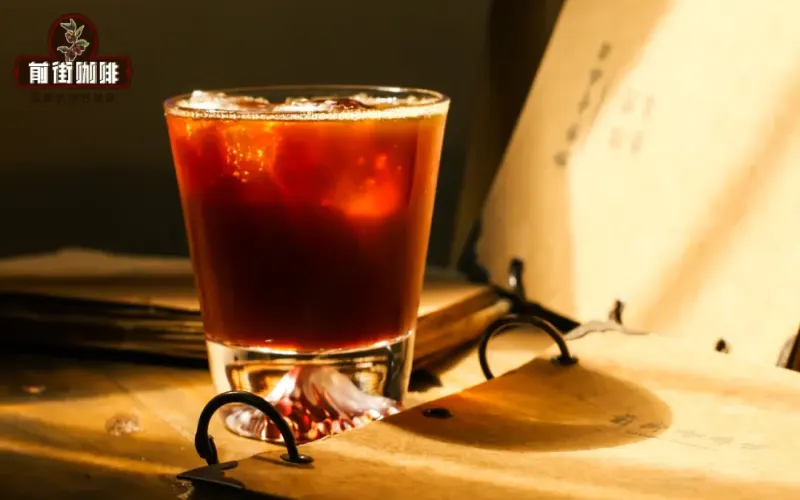
How to Make Cold Brew Coffee at Home: A Full Guide to Coffee-to-Water Ratio, Grind Size, Steeping Time, and Bean Selection
As the weather warms up, iced cold brew has once again become a favorite among many coffee lovers. But if you want to make a full-flavored pitcher of cold brew at home, grind size, coffee-to-water ratio, steeping time, and bean selection all directly affect the final taste. This article starts from practical operation, sorts out the key parameters of cold brew coffee, explains why the grind is not as fine as possible, why the water amount should be more restrained than pour-over, and provides a bean list reference suitable for fruity profiles and rich, acid-free styles. Finally, it also includes a complete brewing process using Front Street Coffee Granja Geisha as an example to help you easily recreate a delicious pitcher of cold brew. [more…]
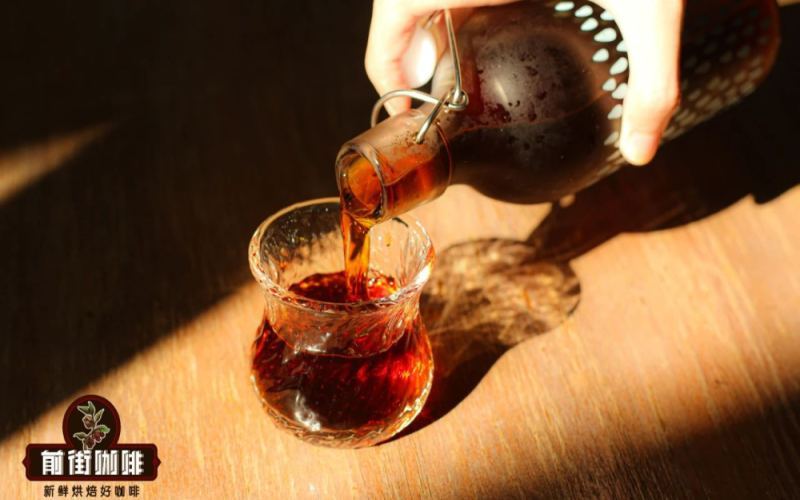
Cold Brew Coffee Parameters Fully Explained: How to Set the Coffee-to-Water Ratio, Grind Size, and Time, with Front Street Cold Brew Bean Recommendations
Want to enjoy smooth, sweet cold brew coffee at home this summer, but unsure how to set the coffee-to-water ratio, grind size, and extraction time? Drawing on Front Street's hands-on experience, this article systematically breaks down the parameter settings, preparation steps, and storage methods for both ice drip and cold brew immersion methods, and answers the common question of whether cold brew has less caffeine than iced Americano. Front Street will also share ideas for choosing coffee beans suitable for cold brew, with a special recommendation for Huakui coffee beans, letting you experience a cold brew flavor as refreshing and captivating as berry juice. [more…]