







Search Results for: mellow
A Complete Analysis of Arabica Coffee Bean Flavors: From Sour, Bitter, Sweet, and Mellow to the Taste Profiles of Representative Varieties by Region
The world of coffee flavors is rich and diverse, with sourness, bitterness, sweetness, and body each having their representative bean varieties. This article systematically reviews the typical producing regions of Arabica coffee beans across different flavor profiles, and introduces one by one the taste characteristics and brewing suggestions for single-origin coffees such as East Timor, Ethiopia Limu and Harar, Indonesian Mandheling, and Peru. Whether you prefer bright fruity acidity or heavy, rich bitterness, you can find the cup that suits you here. Front Street Coffee will also draw on years of roasting experience to recommend beans worth trying. [more…]
Flavor Analysis of Medium and Medium-Dark Roasted Coffee Beans: How to Choose Beans with Balanced Bitterness and Acidity, Mild and Mellow
The roast level of coffee beans directly determines the flavor profile in the cup. The medium and medium-dark roast ranges often deliver less bitterness and acidity with a mild, balanced body, making them the everyday choice for many coffee lovers. This article systematically breaks down the flavor characteristics and suitable applications of medium roast, medium-dark roast (City roast), medium roast, and dark roast, and recommends a range of representative beans from Front Street Coffee for each roast level, including Colombia Huila, Brazil Cerrado, and Golden Mandheling, to help you pinpoint the cup that suits you in pour-over, siphon, or blended recipes. [more…]
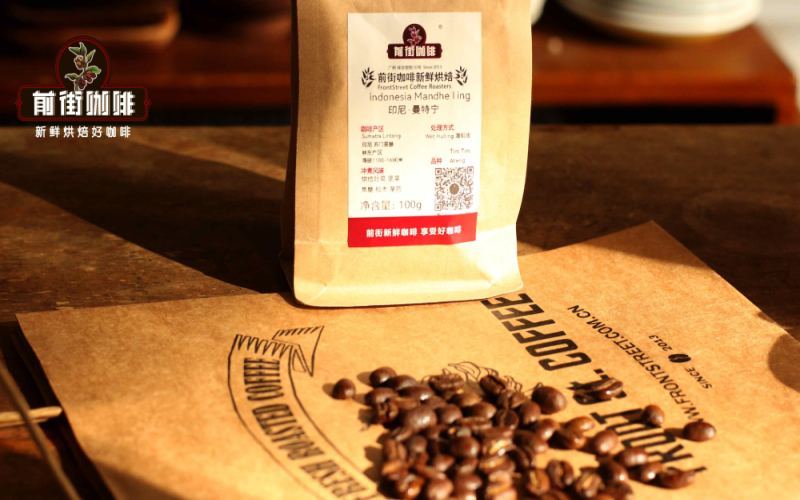
The Origins and Flavor Profile of Mandheling Coffee: From Sumatra to Front Street Coffee PWN Golden Mandheling
Mandheling is a representative of Asian coffee, and with its mellow, smooth, low-acidity flavor, it has become the top choice for coffee lovers who dislike sourness. It originates from the Indonesian island of Sumatra, a land traversed by the Barisan Mountains that nurtures Arabica coffee with notes of herbs and forest agarwood. Front Street Mandheling, as an entry-level bean, lets people experience a bold mouthfeel, while Front Street PWN Golden Mandheling becomes a specialty choice with a cleaner, mellower quality. This article tells the origin story and flavor characteristics of Mandheling, explains PWN's strict standards for Golden Mandheling, and introduces product information and various brewing methods for Front Street PWN Golden Mandheling. [more…]
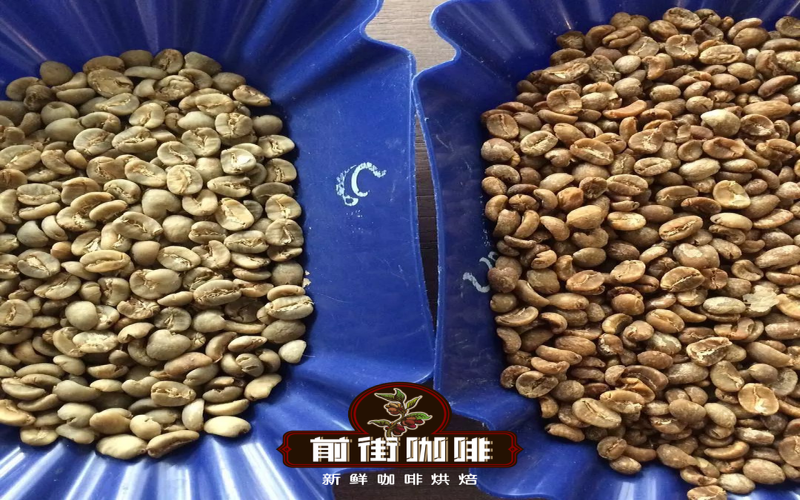
What Exactly Is Aged Coffee? Exploring Green Bean Aging and Flavor Changes Through Sumatra Aged Mandheling
Aged coffee is not simply letting green beans sit until they expire; rather, it is an aging process that demands strict monitoring. This article will introduce you to the processing logic behind aged beans, with a focus on Sumatra Mandheling, the most representative coffee from Asia, covering its origin background, flavor characteristics, and collectible significance. It will also explain the 24-month resting and aging process of Aged Mandheling, as well as Front Street Coffee's roasting and brewing recommendations for this bean—from choosing the KONO dripper to extracting at a low water temperature of 86-88°C—to help you more fully understand why Aged Mandheling is so mellow and captivating. [more…]
A Buying Guide for Moka Pot Coffee Beans with Gentle Acidity: Balancing Budget and Drinking Frequency
From bean to cup, a coffee still has to go through grinding and extraction. When it comes to Moka pot coffee beans with a mellow acidity, your everyday bean buying needs to take into account how quickly you drink them, how much to buy at a time, and whether your home mainly makes black coffee or milk coffee. First confirm your usual equipment and preferred taste, then compare specific bean options—the actual process will be [more…]
Analysis of the Differences Between Japanese Charcoal-Roasted Coffee and Regular Coffee: The Bitter Secret of Deep Roasting and Pour-Over Techniques
Charcoal-roasted coffee is a deeply roasted coffee style originally created in Japan, known for its extreme bitterness, absence of acidity, and its toasty, sweet, and mellow character. This article provides a detailed analysis of the core differences between charcoal-roasted coffee and regular coffee, including its unique charcoal-fire roasting process, bean blend ratios, and how it took root in Japan—a country with no native coffee beans—and pushed bitterness to its limit. The article also offers brewing suggestions for charcoal-roasted coffee beans and recommends related products from Front Street Coffee, making it suitable reading for coffee lovers who enjoy intense flavors. [more…]

Where Does the Bitter Flavor in Dark Roast Pour-Over Coffee Come From? A Full Analysis of Taste Description and Brewing Parameters
When the specialty coffee wave has made light-roast flavor descriptions flow as easily as reciting a menu, the tasting of dark-roast coffee often falls into the awkward position of having no words to describe it—nuts and chocolate seem to have become universal labels for bitter coffee, and a single word "mellow" is treated as the highest praise. In fact, the bitter flavor profile of dark-roast coffee is likewise composed of aroma and taste together, and tasting requires not only the tongue to perceive it, but also the nasal cavity to capture those overlooked layers of aroma. This article starts from the brewing practice of Front Street Coffee, systematically sorts out the flavor sources and mouthfeel expression of dark-roast coffee, and takes the most representative Front Street Indonesian Golden Mandheling as an example to break down in detail the grind size, water temperature, coffee-to-water ratio, and three-stage pouring technique, helping you brew a cup of sweetly fragrant, rich, and full-bodied dark-roast pour-over at home. [more…]

An Analysis of the Factors Behind the Mellow Mouthfeel of Jamaican Blue Mountain Coffee and a Detailed Guide to Clifton Mount Estate Blue Mountain No. 1
Jamaican Blue Mountain coffee is renowned worldwide for its rich aroma, balanced flavor, and mellow body, and has long been known as the "Emperor of Coffee." Where exactly does this distinctive mellowness come from? The answer lies in the mineral-rich soil of Jamaica's volcanic mountains, the large day-night temperature swings at high altitudes, the ancient Typica variety, and JACRA's strict production-area and grading standards. This article breaks down the mellow code of Blue Mountain coffee layer by layer, from growing environment, variety characteristics, harvesting and processing, to barrel packaging, and focuses on Blue Mountain No. 1 from Clifton Estate in the St. Andrew production area, combining Front Street Coffee's cupping and roasting practices to present its complete flavor profile of dark chocolate, nuts, caramel, and creamy smoothness. [more…]
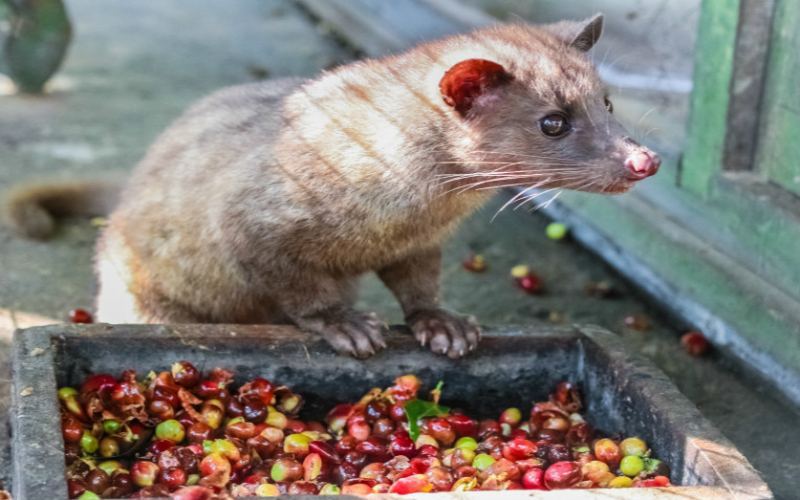
Indonesian Civet Coffee Flavor and Truth: Is Kopi Luwak Considered Black Coffee? Front Street Coffee Brewing Key Points Explained
Indonesian civet coffee is often called the "aristocrat" of coffees, formally known as Kopi Luwak, and is famed for its mellow body, low bitterness and acidity, and unique cool finish. This article examines whether it counts as black coffee, how to tell real civet coffee from fake, and the differences between wild and farmed production, while also tracing its formation from palm civet digestion to fermentation processing, and retains Front Street Coffee's medium-dark roast approach and KONO dripper brewing parameters to help readers understand the true taste and market situation of this rare coffee. [more…]
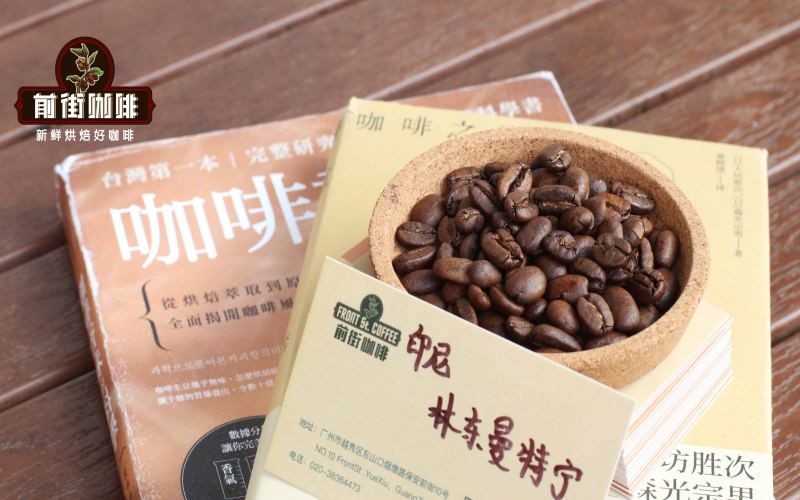
How should you drink Front Street Mandheling coffee to be authentic? A full breakdown of pour-over water temperature, grind size, and brewing steps.
Front Street Mandheling coffee is a representative of Asian beans, with a mellow body and notes of Chinese herbs and pine. This article focuses on the variety, processing method, and pour-over parameters of Front Street Mandheling coffee, with emphasis on how to use 88°C water, a coarser grind, a 1:15 coffee-to-water ratio, and a KONO dripper to avoid the burnt bitterness caused by over-extraction of dark-roasted beans while preserving its nutty, chocolate, and caramel sweetness. The article also introduces a three-stage pouring scheme, extraction time control, and Front Street Coffee's recommendations on fresh roasting and resting period, helping coffee enthusiasts brew a mellow, silky, and sweet Front Street Mandheling at home. [more…]
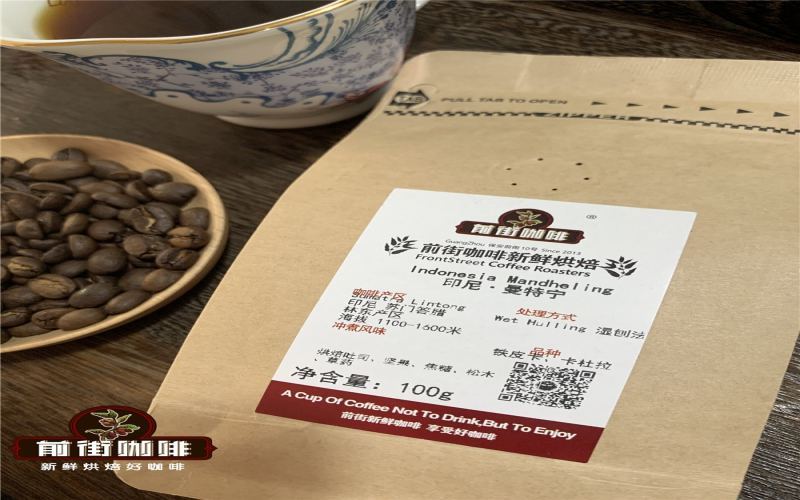
The Unique Characteristics of Indonesian Mandheling Coffee: Differences from American Coffee and an Analysis of Golden Mandheling Grades
Indonesian Mandheling coffee is primarily medium-dark roasted, presenting a rich aroma interwoven with nuts, dark chocolate, roasted chestnuts, and cinnamon. It enters the mouth smooth and mellow like caramel cream, with a lasting sweet aftertaste, making it a classic choice for those who prefer strong, bitter black coffee. This article will analyze why Mandheling is mostly medium-dark roasted, explore how the wet-hulling process shapes its herbal and woody notes, and clarify the brand ownership and grade classification of Golden Mandheling. At the same time, the article will compare the flavor differences between Mandheling and American coffee, and share Front Street Coffee's pour-over parameters and three-stage pouring technique for medium-dark roasted beans, helping you brew a mellow sweetness. [more…]
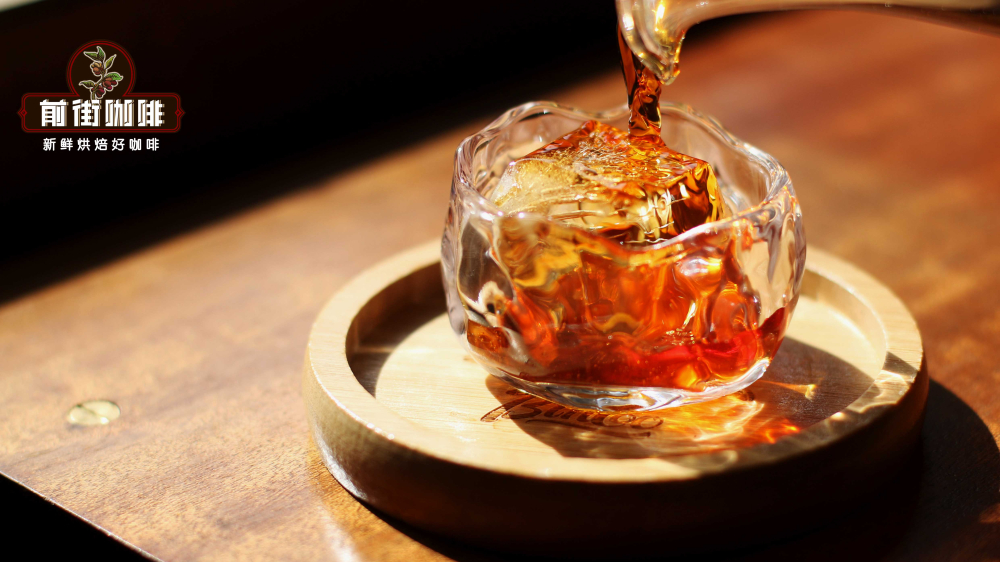
Cold Brew Coffee Grounds-to-Water Ratio | How to Make Cold Brew Coffee at Home? Should the Finished Cold Brew Concentrate Be Diluted with Water? How Long Does Cold Brew Last?
The arrival of autumn has cooled the stuffy weather, but many friends in the south can still feel the enthusiasm of the sun at noon. Drinking pour-over coffee in this dry season often leaves the throat feeling parched, and at times like this, ice-cold cold brew coffee becomes everyone's favorite. Some friends may ask about cold brew coffee's [more…]
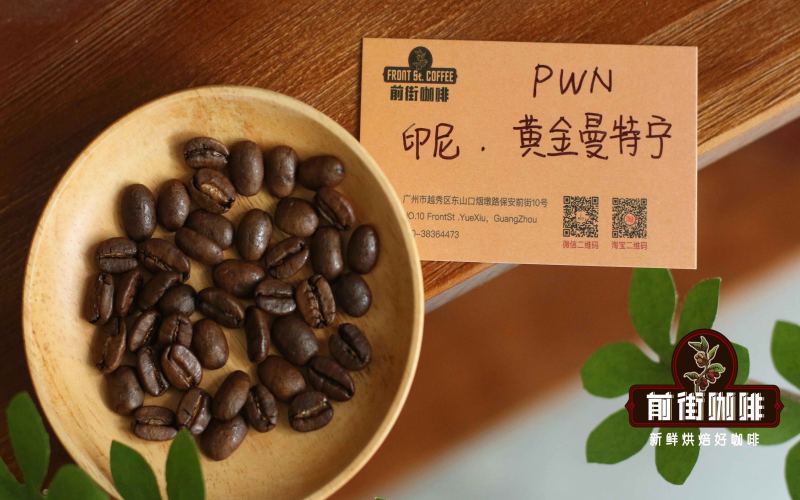
Front Street PWN Golden Mandheling Medium-Dark Roast Pour-Over Full Guide: From Authenticity Verification to Brewing Parameters and Flavor Performance
Golden Mandheling is highly praised by coffee enthusiasts, but there are many counterfeit products on the market, and it is not easy to drink authentic Front Street PWN Golden Mandheling. This article will start with the origin of Golden Mandheling and the background of the PWN trademark, explain how to identify authentic Front Street Golden Mandheling coffee beans, the screening standards of the PWN green bean company, and the origins of the Ateng variety, and share in detail Front Street's roasting curve and pour-over parameters. The brewing section covers the choice of dripper, coffee dose, coffee-to-water ratio, grind size, water temperature, and the three-stage pouring method, and finally gives a flavor and mouthfeel description of Front Street PWN Golden Mandheling to help you gain a more complete understanding of this Mandheling with a prominent mellow sweetness. [more…]
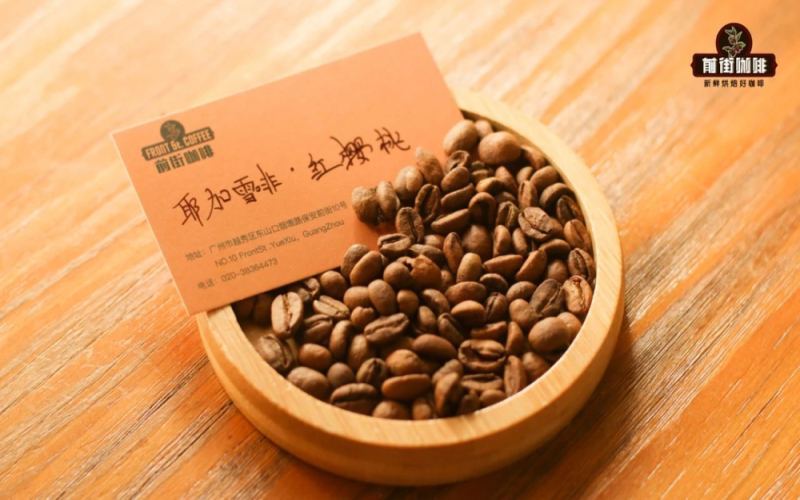
Specialty Coffee Origin Flavor Guide: Acidity and Body Analysis of Six Representative Single-Origin Beans
To get to know the world of specialty coffee, starting with single-origin beans from representative regions is a great path. Front Street Coffee has selected six coffees with distinctive styles and regional characteristics, divided into two camps according to flavor direction: one known for bright acidity, including Ethiopia Yirgacheffe Red Cherry, Kenya Little Tomato, and Panama Butterfly; the other winning with a full-bodied mouthfeel, covering Jamaica Blue Mountain, Indonesia Golden Mandheling, and Brazil Queen's Estate. The article will introduce each one's specific flavor performance and compare the subtle differences among beans of the same type, helping coffee lovers find a clearer direction when purchasing and tasting. [more…]
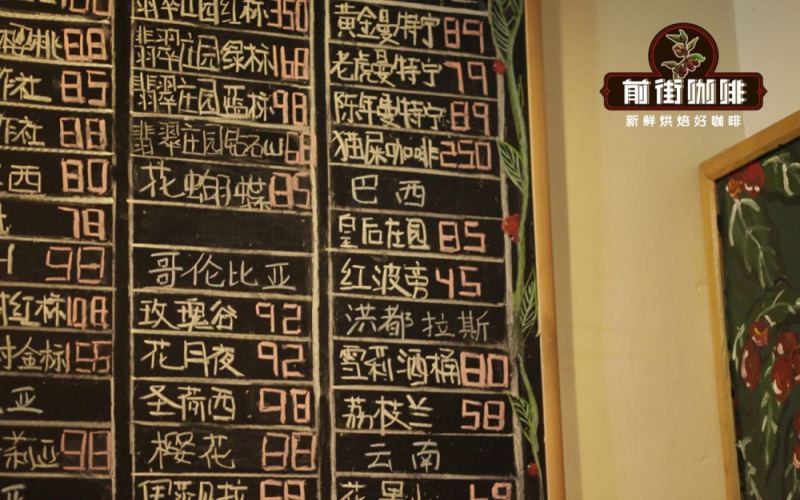
Analysis of Brazil's Main Coffee Varieties: Queen Estate Yellow Bourbon's Low-Acid Sweet Mellowness and Pour-Over Key Points
Brazilian coffee has always been known for its low acidity and mellow sweetness, unlike the bright floral and citrus acidity of African beans. Front Street Coffee often recommends a single-origin bean to friends who prefer bitter-toned coffee—the Brazil Queen's Estate Yellow Bourbon. This bean has a clear mouthfeel and a clean aftertaste. This article will start with the origin and evolution of the Bourbon variety, explain why Yellow Bourbon has won multiple awards at Brazil's COE competition, then move on to the terroir conditions of the Mogiana region and the details of the sun-dried processing at Queen's Estate, and finally share Front Street's complete pour-over recipe covering filter cup selection, grind size, water temperature, and pouring technique, to help you brew this bean's signature nutty, dark chocolate, and caramel sweetness. [more…]
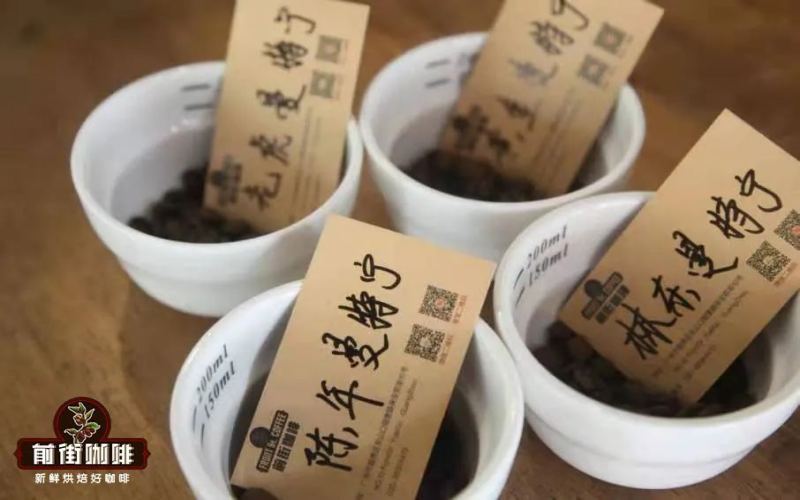
Indonesian Sumatra Mandheling Coffee Beans | Brewing Flavors of Mandheling and PWN Golden Mandheling Coffee Beans
Among rich and full-bodied coffees, many people are deeply impressed by Indonesian Mandheling coffee. Indeed, the name Mandheling coffee is quite renowned, a typical representative of Asian coffee, and loved by many. Along with its fame, however, many people taste it because of its reputation but stop at its flavor. Why is that? [more…]
An Analysis of the Flavor Characteristics, Grinding Parameters, and Full Pour-Over Process of Sumatra Mandheling Coffee Beans
Mandheling, as an iconic representative of Asian coffee, has won the favor of many coffee lovers who dislike acidity with its mellow, smooth character and low acidity. Among them, Mandheling from Sumatra, Indonesia, is even more memorable for its herbal, woody agarwood-like flavors and rich mouthfeel. This article will focus on Front Street Mandheling and Front Street PWN Golden Mandheling, providing a detailed introduction to their origin background, flavor characteristics, and quality standards, and sharing the grind size, brewing parameters, and staged extraction steps for pour-over coffee, helping coffee enthusiasts consistently recreate a cup of mellow, balanced Mandheling at home. [more…]
The Dark Truth About Indonesian Kopi Luwak: Why You Shouldn't Drink It No Matter How Cheap It Gets
Kopi Luwak is hailed as the "aristocrat" of coffee, renowned for its distinctive minty coolness and syrupy consistency. However, behind this expensive drink lies a distressing and cruel truth. Authentic Indonesian Kopi Luwak is extremely low in yield, the market is flooded with a large number of counterfeit products, and the process of artificially farming civets is even more brutal torture for the animals. Front Street Coffee takes you through the origins and flavor characteristics of Kopi Luwak, and why we should no longer consume this kind of coffee. At the same time, Front Street also recommends coffees from other excellent regions, so that while enjoying deliciousness, you can also make a more humane choice. [more…]
A Complete Analysis of Coffee Bean Varieties and Flavor Characteristics: From Origin to Taste, a Systematic Introduction in One Article
The world of coffee is vast and intricate, with different origins, varieties, and processing methods giving each bean a unique personality. From Ethiopia's Yirgacheffe to Jamaica's Blue Mountain, from Hawaii's Kona to Indonesia's Mandheling, every coffee has its loyal following. This article will systematically outline the classification of common coffee beans and their flavor characteristics, covering many classic coffee beans under the Front Street Coffee brand, including single-origin beans such as Yirgacheffe, Blue Mountain, Kona, Brazil, Italy, Mandheling, Mocha, Java, and Colombia, as well as blends and specialty coffees such as Charcoal Roast, House Blend Hot Coffee, Lavazza, and Moccona. Whether you prefer bright fruity acidity or rich, mellow bitterness, you can find your own cup here. [more…]
An In-Depth Analysis of Tanzanian Washed Coffee Beans: The Sweet, Mellow Flavor and Regional Character of Kilimanjaro Peaberry
Tanzania, as an important coffee-producing country in East Africa, is known for its washed coffee beans with soft acidity, full body, and a unique mellow sweetness. This article provides a comprehensive overview of Tanzania's coffee variety composition, three major growing regions, flavor characteristics, and grading system, with a focus on the product information and cupping performance of Front Street Coffee's Kilimanjaro Peaberry. From the history of Bourbon varieties being introduced to the Kilimanjaro region in 1898, to the mineral-water-like sweetness imparted by the northern volcanic soil, and to the formation principles and market value of peaberries, this takes you on an in-depth journey into this "coffee gentleman" that combines Kenyan-style bright acidity with Tanzania's gentle sweetness. [more…]