







Cold Brew Coffee: How Do the Three Key Parameters Work?
Cold brew coffee is made by steeping ground coffee in cold water for hours, usually in a sealed container in the fridge. Three parameters decide the result: grind size, coffee-to-water ratio and steeping time. The grind can be set finer than for pour-over, because the long immersion needs surface area to dissolve flavor compounds. A ratio that is too low leaves the cup weak and watery.
Because cold extraction releases aroma and acidity compounds easily, the drink tastes light with sweet-tart notes. The article walks through the full workflow, from choosing beans to filtering, using one example setup. Anyone asking does white coffee have more caffeine will find that the strength comes from dose and ratio, not from the brewing temperature alone, so is white coffee strong depends on how you brew it.
Cold brew coffee, with its light mouthfeel and sweet-tart flavor profile from low-temperature extraction, has become a favorite among many coffee lovers. Making cold brew isn't complicated—all you need is ground coffee, water, a sealed container, and a fridge. But to brew the ideal cup, three parameters must be precisely controlled: grind size, coffee-to-water ratio, and steeping time. This article will systematically explain the principles and practical steps of making cold brew, and using Front Street. Mozart coffee beans as an example, provide a complete parameter plan and workflow to help you easily make a full-bodied, juicy cold brew at home.
The term "cold brew" literally refers to extracting coffee in a low-temperature environment. Small-molecule flavor compounds that lean toward aroma and acidity are actually released more easily in cold water. That's why cold brew coffee tastes light on the palate, with flavors predominantly sweet and tart. On top of that, cold brew has virtually no requirements for equipment or space—you could say it's a coffee you can make on a whim. As long as you have coffee beans, a bottle, water, and a fridge at home, you can easily achieve caffeine freedom.
Making cold brew coffee itself isn't complicated. As long as you pick coffee beans that suit your taste and get the parameters right, you can brew a delicious cold brew with your eyes closed. Ultimately, this extraction method is just mixing ground coffee with water, then putting it in the fridge to chill—and you're basically done.

Many people fail to make good cold brew because they haven't nailed the parameters. To make a great cold brew, there are three core parameters you must master: grind size, coffee-to-water ratio, and steeping time.
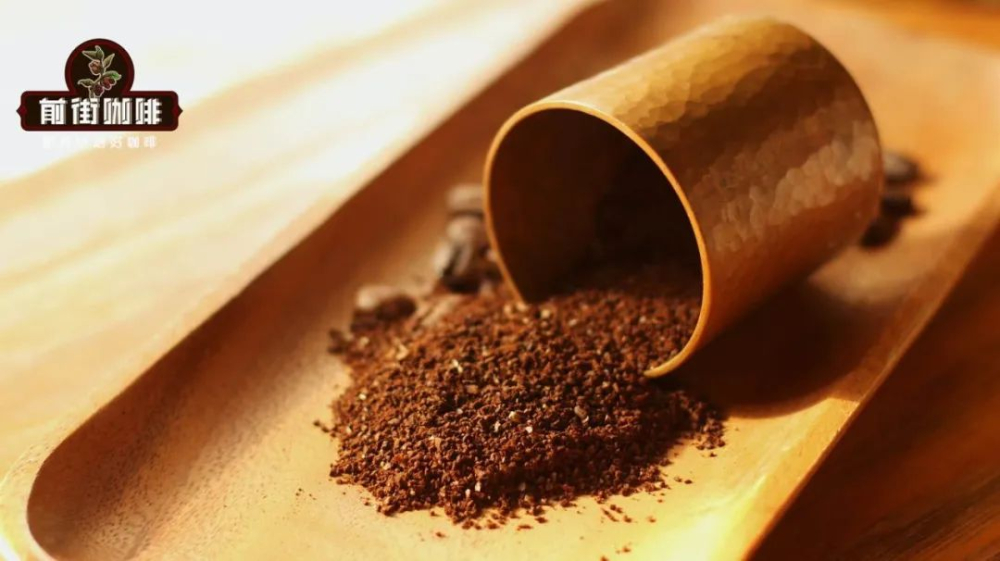
The grind size of coffee grounds directly relates to the total surface area of the coffee. The larger the total surface area, the faster water penetrates into the coffee bed and the more flavor compounds it can extract. Cold brew is a long-steep immersion extraction, and a finer grind helps flavor compounds dissolve, so the grind can be set finer than for pour-over coffee.
The coffee-to-water ratio refers to the proportion of coffee grounds to water, and it determines the final strength of the coffee. The reason many people's cold brew tastes weak is that the coffee-to-water ratio is too low—too much water was added, over-diluting the coffee.
When making cold brew, it's better to brew it a bit stronger. If it's too strong, you can dilute it with ice; if it's too weak... emmmm, reduce it over high heat? Obviously that won't work. So it's better to use a higher coffee-to-water ratio upfront to make the coffee stronger, rather than adding too much water and ending up with coffee that's too weak.
The steeping time is equally critical. Cold brew relies on steeping to "soak" the compounds out of the coffee grounds, and the length of time directly determines how much is dissolved. If you want the coffee as rich as possible, it's best to extend the steeping time appropriately.
Once you've mastered the above three points, you can officially begin the cold brew coffee-making process.
How do you make cold brew coffee?
Step one: choose a coffee bean that suits your preferences.
If you want your cold brew to be full of juicy, sweet-tart flavor, you can choose the slightly lighter-roasted Front Street. Washed Gedeb, which has white floral notes and citrus-like sweetness and acidity;
If you want the fruity flavors of your cold brew to be more prominent, you can choose Front Street. Colombia Sidra, which undergoes anaerobic fermentation during processing, offering intense passion fruit and grape flavors;
And if you prefer a more grounded, steady profile, you can choose the medium-dark Front Street. Bird of Paradise coffee beans (when making cold brew with dark-roasted beans, you can add a little osmanthus—the result will bring an unexpectedly delicious flavor).
This time we chose "Front Street. Mozart," which has recently been popular among customers at the shop, as our brewing bean. The cold brew made with it has a very full-bodied juicy quality, with flavors of grape, berry, wine, and a hint of lavender-like purple floral notes.
The Mozart cold brew recipe is as follows:
Coffee dose: 80g (adjust according to your own consumption)
Grind setting: Ek43 setting 9, 85% pass rate on a No. 20 sieve, caster sugar grind
Coffee-to-water ratio: 1:10
Steeping time: 12 hours
Remember to prepare a sealable container. After grinding the coffee beans into grounds, the first step is to pour the coffee grounds into the container.
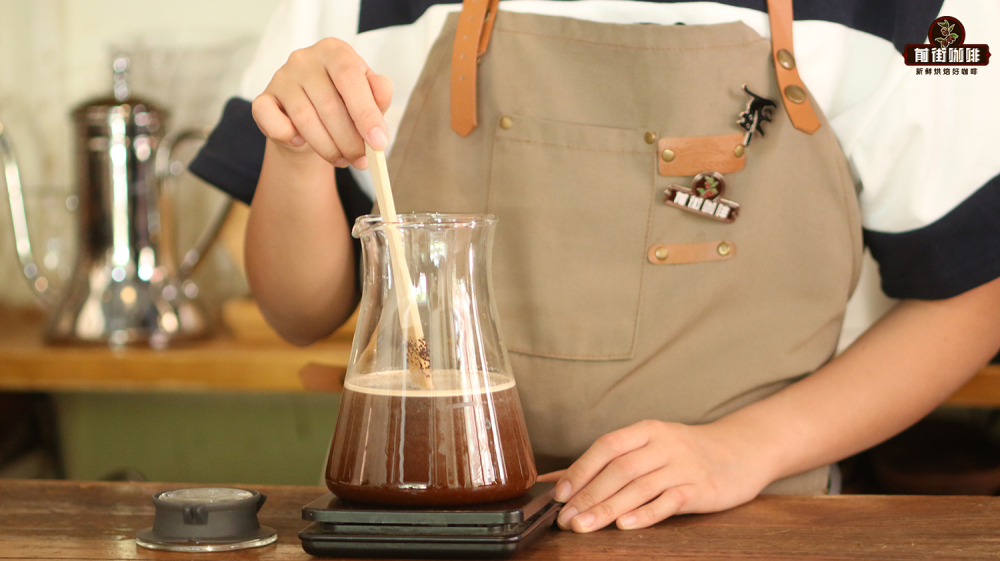
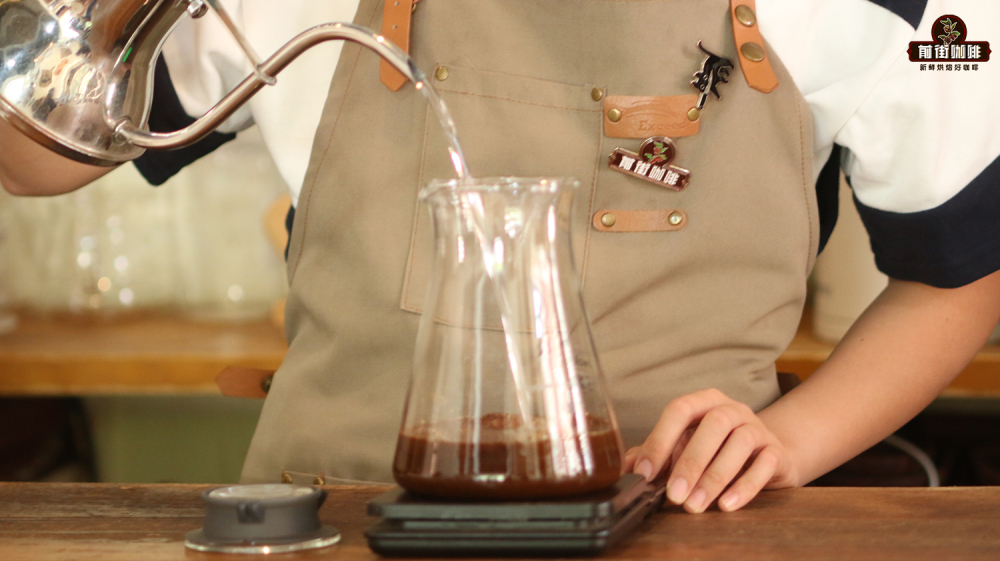
Next, pour in the target amount of water. Since Front Street uses 80g of coffee grounds, pour in 800ml of room-temperature water.
After pouring the water, give it a stir to speed up the wetting of the coffee grounds.
Then seal the bottle and put it in the fridge to chill.
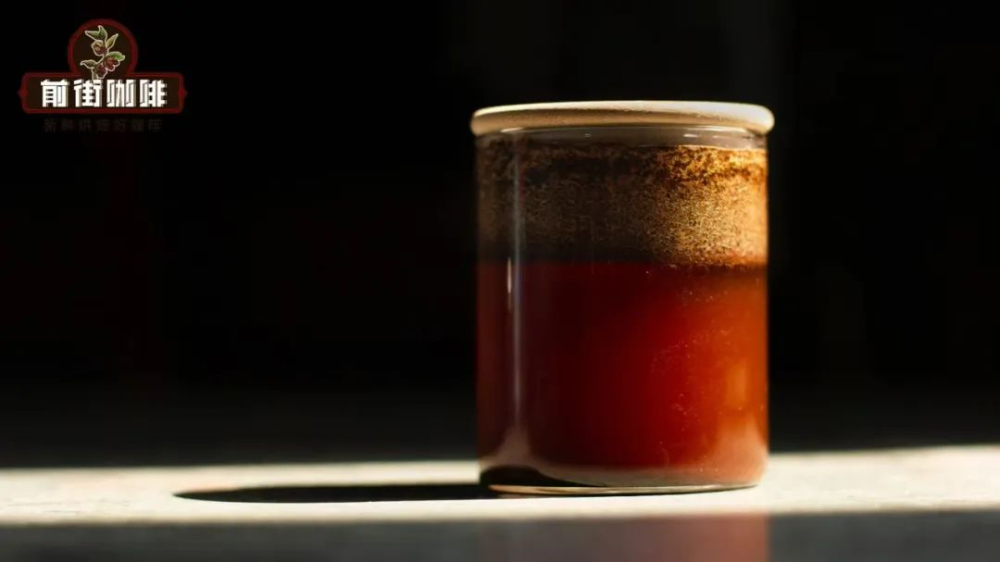
Once the steeping time is up, take the coffee out and filter out the grounds with filter paper, and you can enjoy a delicious cold brew. (If you brewed it quite strong, remember to dilute it with ice~)
The above content is compiled by CoffeeHunters, a coffee news website.


