







How Do Grind Size and Water-to-Coffee Ratio Shape Cold Brew Coffee?
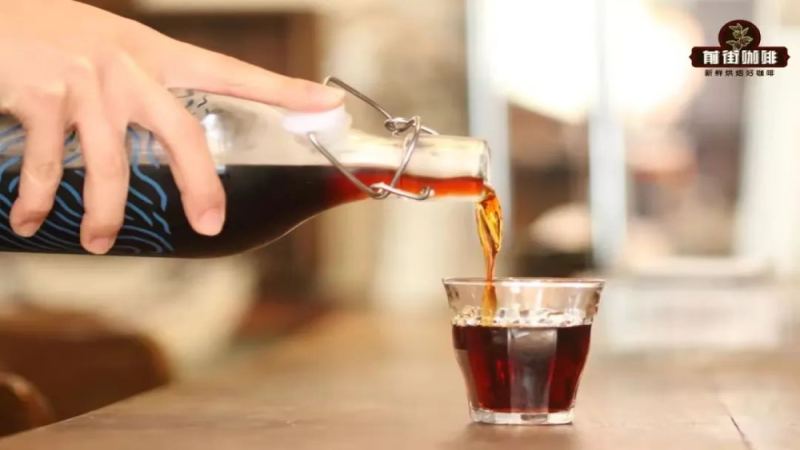
Cold brew coffee is made by steeping coarse grounds in cold water for 6 to 8 hours or longer, then filtering. Because cold water extracts slowly, the grind must be coarse and the steep long; the payoff is a fuller body and smoother mouthfeel than hot brewing. Keep the concentrate refrigerated and it holds for roughly 3 to 5 days.
Cold steep and ice drip are the two common forms, and cold brew is often used narrowly to mean cold steep, while ice drip appears in English as Cold Drip Coffee or Dutch Coffee. The same low-temperature logic governs the production of coffee beans destined for cold brew: longer contact time pulls out more water-soluble flavor, so the process description of making coffee at home comes down to grind, ratio, and time.
To make a delicious cold brew coffee at home, the key is to master the parameters of grind size, coffee-to-water ratio, and steeping time. Cold brew coffee differs from regular hot water brewing in that it relies on long steeping or dripping with cold water to extract the coffee liquid. Common forms include cold steep and ice drip. Due to the low extraction efficiency at low temperatures, the production time usually takes 6 to 8 hours or even longer, but in return, you get a richer flavor and a smoother mouthfeel. Refrigerated storage generally maintains it for 3 to 5 days. This article focuses on the equipment selection, grind coarseness, water-to-coffee ratio, steeping duration, and suitable coffee beans for cold brew coffee, and compiles several single-origin beans recommended by Front Street Coffee to help you make a refreshing or fermentation-forward cold brew coffee according to your taste preferences.
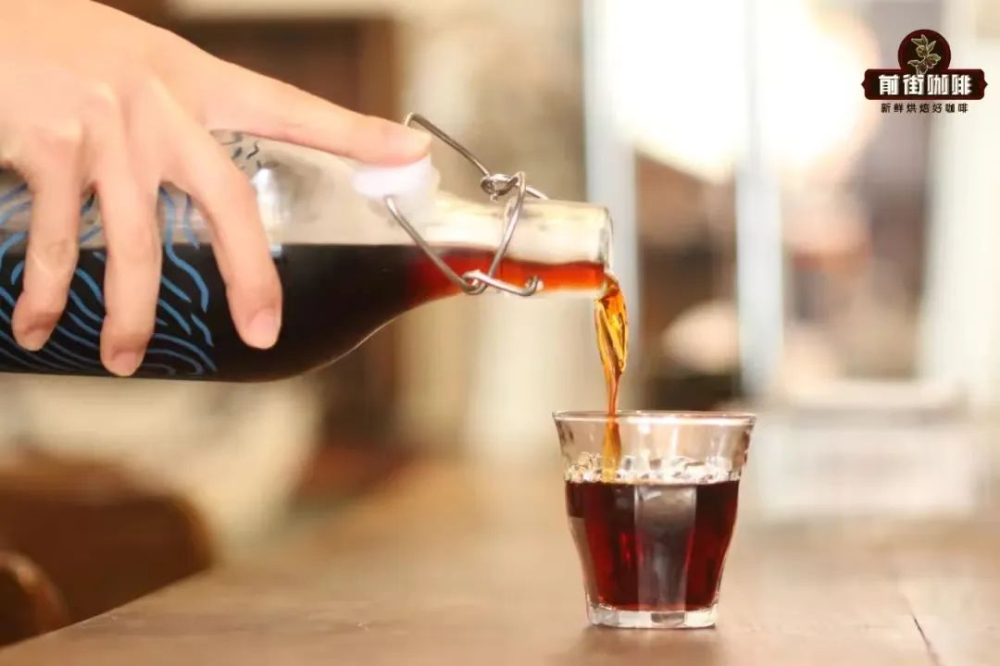
Recently, many friends have consulted Front Street Coffee about cold brew coffee-related questions. Taking this opportunity, we will systematically discuss "cold brew coffee."
Cold brew coffee is different from the usual hot water brewing method. It uses cold water for long steeping or dripping coffee grounds to obtain the coffee liquid. Cold steep and ice drip are the two most common forms of cold brew. However, nowadays, in some contexts, cold brew coffee is narrowly referred to specifically as cold steep coffee to distinguish it from ice drip coffee. This is probably related to translation habits—cold brew coffee corresponds to the English term "Cold Brew Coffee," while ice drip coffee is written as "Cold Drip Coffee" or "Dutch Coffee."
When making pour-over coffee, water temperature is a factor everyone cares about, because the temperature directly affects extraction efficiency. Cold water extraction efficiency is quite low. If you want to get coffee with a satisfactory concentration, you can only extend the time. Therefore, the production cycle of cold brew coffee is generally long, usually around 6 to 8 hours.
The most significant difference between cold brew and hot coffee is that the extraction time is greatly extended, so more water-soluble flavor substances are released, the taste is fuller, and the mouthfeel is smoother. In addition, the entire extraction and storage process is in a low-temperature environment, so the shelf life is naturally longer, usually 3 to 5 days.
So what kind of coffee beans should be used for cold brew coffee? Front Street Coffee recommends medium-light roasted single-origin beans. The cold brew coffee made this way is refreshing and pleasant, very suitable for summer enjoyment.
Some friends want to know whether a certain bean is suitable for cold brew, or hope Front Street Coffee can recommend a few coffee beans suitable for ice drip. In this regard, Front Street Coffee can first help everyone clarify the relationship between coffee bean flavor and cold brew coffee, so that the goal will be clearer when selecting.
The flavor descriptions on coffee bean packaging actually come from the tastes perceived during cupping. In other words, no matter which extraction method is used, the coffee made will have the flavors written on the label. Cold brew is just one of many methods. It can highlight certain characteristics, such as fresh citrus acidity and sweetness, or a rich fermented aroma.
Therefore, whether making pour-over or cold brew, you can choose single-origin coffee beans whose flavor descriptions match your taste preferences. There is no conflict between the flavor of the coffee beans themselves and the cold brew extraction method.
If you prefer pronounced acidity and a refreshing mouthfeel, you can choose washed light-roast beans, such as Front Street Coffee. Washed Yirgacheffe, Front Street Coffee. Kenya Little Tomato;
If you prefer fruity aromas and honeyed sweetness, natural or honey-processed medium-light roast beans are more suitable, such as Front Street Coffee Huakui, Front Street Coffee Strawberry Candy;
And if you pursue a cold brew with a rich fermented flavor, Front Street Coffee. Colombia Sidra and Front Street Coffee Mozart are worth trying.
So does that mean medium-dark roast coffee beans cannot be used for cold brew?
Not exactly. It's just that most people cannot accept iced bitter coffee, just as no one would actively drink iced Banxia herbal tea, so it is simply not recommended. Front Street Coffee has also tried a cold brew made with medium-roast Yunnan beans. When properly refrigerated until the seventh day, the mouthfeel was smooth, and the fruity wine-like fermentation note was quite prominent. This shows that non-acidic coffee is not impossible to use for cold brew; it's just that making it palatable and delicious is indeed quite difficult.
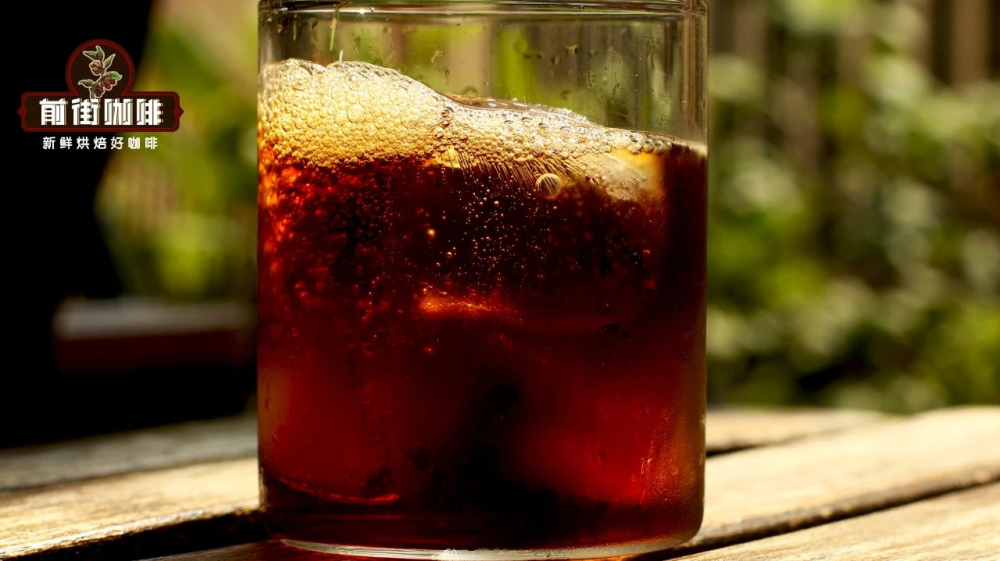
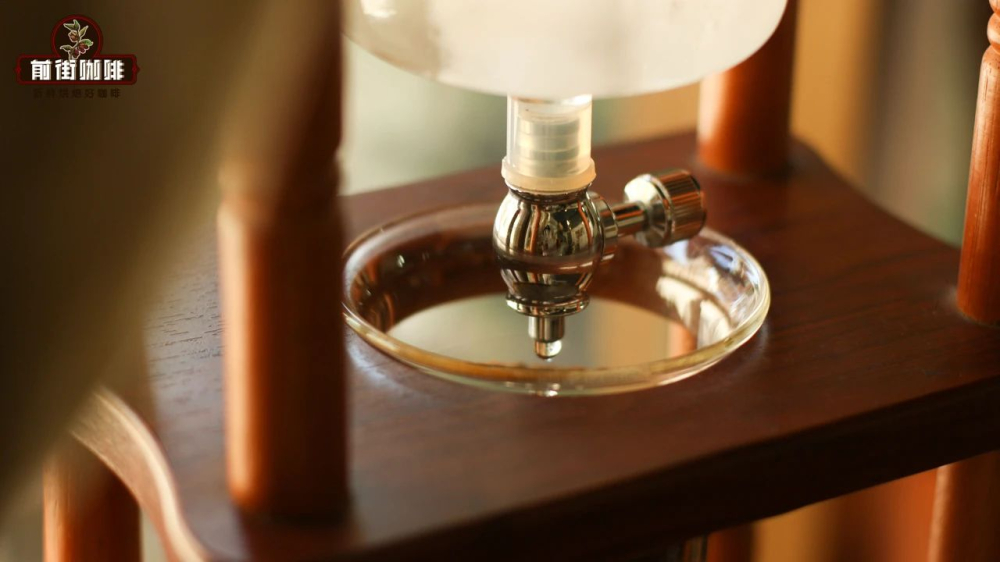
The method for making cold brew coffee is actually not complicated. Master a few core parameters, and you can make delicious iced coffee. Cold brew can be divided into immersion-style cold steep coffee and drip-style ice drip coffee. The specific method for ice drip has already been explained in detail by Front Street Coffee before. Friends who are interested can click "here" to review it, and this article will not repeat it.
The equipment for making cold steep coffee is very simple. A 600ml container is enough. You ask if a mineral water bottle works? Of course it works, as long as you don't mind it not being aesthetically pleasing! Cold steep coffee mainly focuses on three parameters: grind size, ratio, and time.
The grind size required for cold steep is generally a bit finer than for pour-over, roughly equivalent to a coarseness with a 20-mesh sieve passing rate of 82~85%, corresponding to 22~24 clicks on a C40 hand grinder.
The coffee-to-water ratio is usually 1:12, but it can also be adjusted according to your preference. If using a 600ml container, calculate about 40 grams of coffee with 480ml of cold water.
The steeping time is recommended to be controlled between 12 and 24 hours. The longer it steeps, the stronger the coffee. Simply pour the coffee grounds and water into the bottle, shake gently to wet all the grounds, then place it in the refrigerator (5-10°C) and refrigerate for 12-24 hours.
Finally, filter it. Use filter paper or a filter cloth to separate the coffee grounds from the coffee liquid, and it's ready to drink. You can also refrigerate it at low temperature for another 4 hours before drinking, which will give better aroma expression. It is recommended to taste it after letting it sit in the refrigerator for a period of time.
The above content is compiled by CoffeeHunters, a coffee news website.


