








What Coffee-to-Water Ratio Should Cold Brew Use?
Cold brew coffee is made by steeping grounds in cold water for hours rather than pouring hot water through them. Because the temperature stays low, bitter and astringent compounds are extracted slowly while acids and sugars come through fully, so the drink tastes sweeter, smoother, and more aromatic. A ratio of 1:13 suits a lighter everyday cup, while 1:10 gives a concentrate for milk or ice.
Using 30 grams of coffee as the example, grind medium-coarse; too fine a grind pulls woody notes and dulls cleanliness. Add ice and water to reach the target weight, soak for the stated time, then filter. Drink the filtered brew within its ideal window and store it chilled. Beans with bright acidity and sweetness work better than dark, bitter profiles.
The weather is gradually turning cooler, but the midday sun in the south still shows no less enthusiasm. In the dry season, drinking pour-over coffee easily makes the throat feel dry, so a glass of icy cold brew coffee has become the first choice for many people. Many friends are concerned about how to set the coffee-to-water ratio for cold brew, how fine the coffee beans should be ground, and which beans are suitable for cold brew. This article from Front Street Coffee will focus on these key points, first explaining the characteristics of low-temperature extraction for cold brew, then giving the usage scenarios for two coffee-to-water ratios, 1:13 and 1:10, followed by using 30g of coffee as an example to explain the grind size, the amount of ice and water, the soaking time, and the filtering method, and reminding that grinding too fine will bring out a woody taste and reduce cleanliness. The article will also explain the best drinking period and storage suggestions after cold brew is filtered, and recommend four Front Street Coffee beans suitable for cold brew, helping you make a cup of cold brew with full acidity and sweetness and a smooth mouthfeel at home.
As soon as autumn arrives, the originally muggy weather gradually cools down, but many friends in the south can still feel the sun's fire at noon. In this dry season, drinking pour-over coffee often brings a dry, astringent feeling to the throat, so icy and refreshing cold brew coffee has become the favorite of many people. Recently, some friends have also asked what ratio of coffee to water should be used for cold brew, and they also hope for recommendations of several coffee beans suitable for cold brew~ So here it is! Next, Front Street Coffee will talk about a few small points worth noting when making cold brew coffee!
What is cold brew coffee?
Cold brew coffee relies on long extraction in a low-temperature environment. Because the temperature is low, the bitter and astringent flavor substances in the coffee grounds are not easily brought out, while the acidic and sweet substances can actually be released relatively completely after long soaking, so the finished product's aroma is more concentrated, the acidity and sweetness are fuller, and the entry is smooth and mellow.
The coffee-to-water ratio for making cold brew coffee
Front Street Coffee generally recommends setting the coffee-to-water ratio for cold brew at 1:13. Cold brew made at this ratio has just the right concentration and can be drunk directly without additional dilution. Some friends also like to add milk, soda water, or use it to make fancy coffee. In that case, the concentration needs to be increased. Front Street Coffee recommends that for cold brew used to make specialty coffee drinks, the coffee-to-water ratio can be adjusted to 1:10.

How to make cold brew coffee?
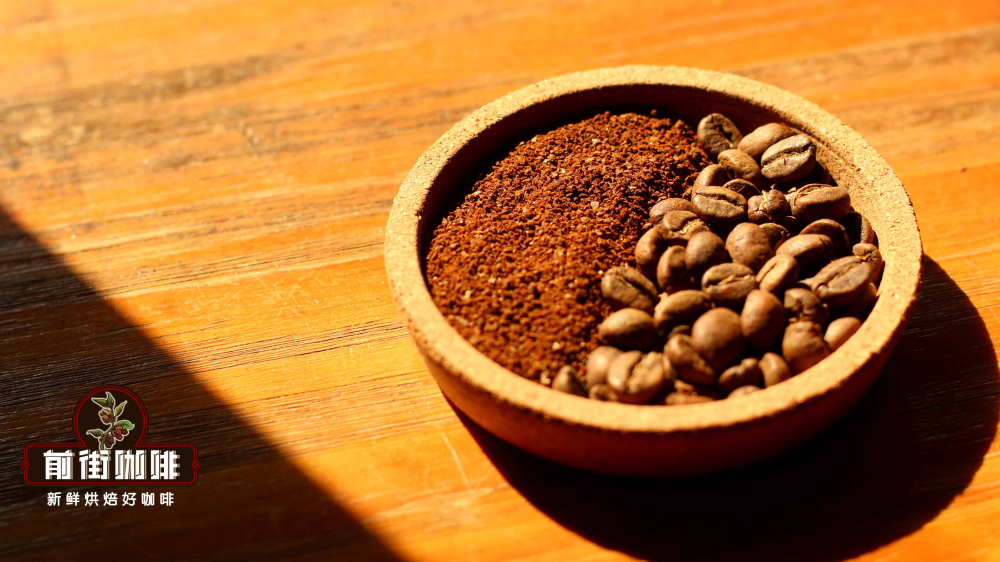
Taking a coffee-to-water ratio of 1:13 as an example, Front Street Coffee will use 30g of coffee beans, with the grind size controlled to about 80-85% passing through a 0.85mm standard sieve, that is, medium-fine grinding. "It should be noted that although low-temperature extraction can reduce the appearance of bitter and astringent substances, it does not completely eliminate them. If ground too fine, after the acidic and sweet substances in the coffee grounds are quickly extracted, the mellow substances will also be released along with them. An appropriate amount of mellow substances can enhance the body of the coffee, but once the soaking time is too long, a woody taste will emerge, and the cleanliness of the whole cup of coffee will also be lowered."
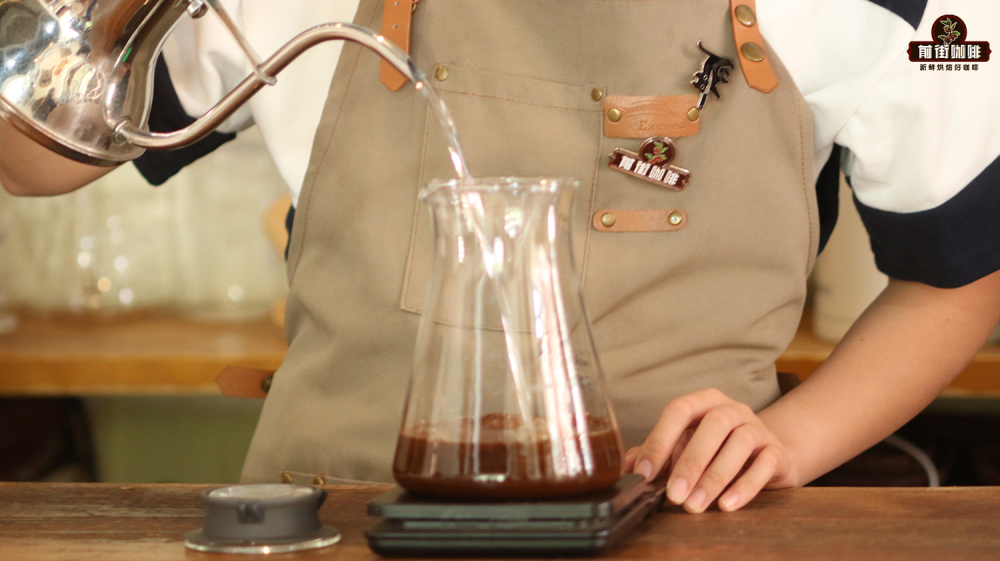
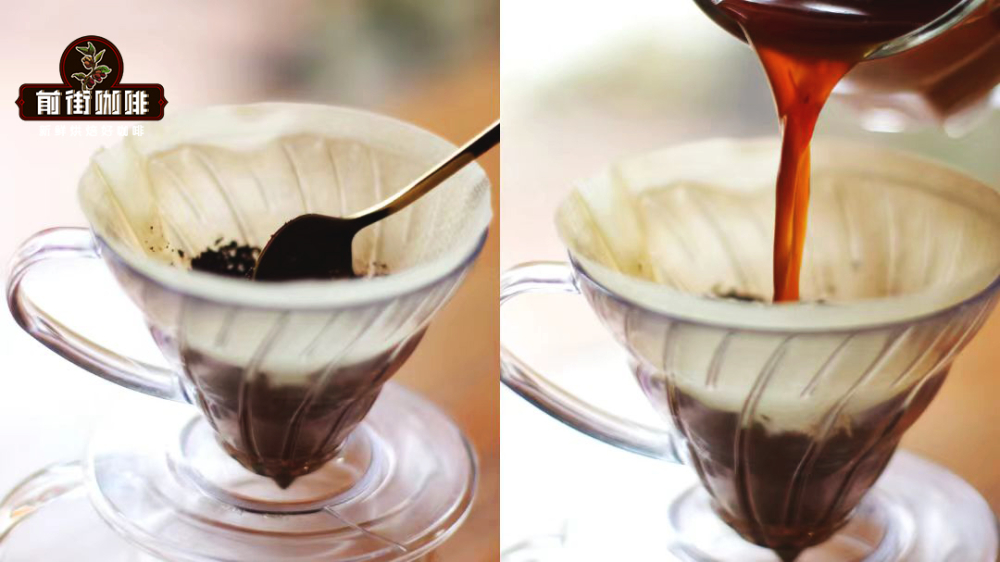
After the coffee beans are ground, put them into a clean, oil-free sealed container, pour in 150g of ice cubes and 240ml of purified water, close the lid tightly and shake gently so that the coffee grounds and ice water fully contact, then put it in the refrigerator and let it sit for 12-24 hours. After extraction is complete, filter out the coffee grounds with filter paper or a fine mesh strainer, and it is ready to drink.
How long can cold brew coffee be stored after filtering?
Theoretically speaking, the longer cold brew is stored, the stronger the fermented flavor becomes. But once it over-ferments, the coffee's original flavor will be covered up. If you do not particularly like a too-heavy fermented note, Front Street Coffee does not recommend trying it lightly. The stage when cold brew coffee has the best flavor is 2-3 days after filtering out the coffee grounds, and the storage time should preferably not exceed 7 days.
Recommended coffee beans suitable for making cold brew coffee
Because low-temperature extraction does not easily bring out mellow substances, using medium-dark roasted beans to make cold brew often tastes rather thin, lacking substance and body. Therefore, Front Street Coffee more strongly recommends choosing light-medium or medium roasted coffee beans, especially beans with prominent acidity and sweetness or outstanding aroma performance.
FrontStreet Coffee Ethiopia Natural Red Cherry coffee beans, the cold brew made from them has a full complex fruity juice feel, as well as a tea-like feel similar to black tea;
FrontStreet Coffee Panama Butterfly Geisha Blend coffee beans, the cold brew coffee made from them has citrus-like acidity, white floral fragrance, and a green tea-like feel;
FrontStreet Coffee Costa Rica Musician Series Mozart coffee beans, the cold brew coffee made from them has raisin aroma, obvious fermented feel, and a solid, mellow mouthfeel;
FrontStreet Coffee Honduras Barrel-Fermented Sherry coffee beans, the cold brew coffee made from them has whiskey-like aroma, vanilla cream-like smoothness, and caramel-like sweetness.
The above content is compiled by CoffeeHunters, a coffee news website.


