







Search Results for: Coffee Variety Identification: Typica
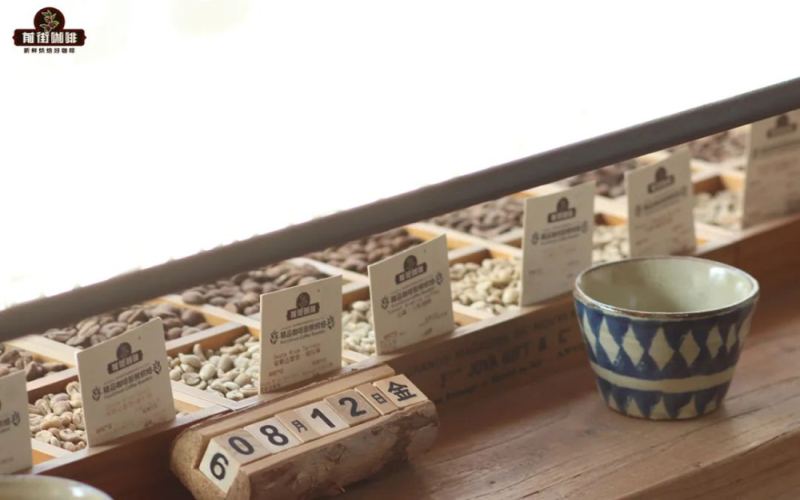
Arabica Coffee Variety Identification Guide: A Full Analysis of Bean Characteristics of Typica, Bourbon, Geisha, and More
Many people are curious about how some coffee experts can identify the variety and origin of coffee beans at a single glance. In fact, different varieties within the Arabica family each have their own distinctive bean shapes and appearances, and as long as you grasp the patterns, you can do it too. This article, from the perspective of Front Street Coffee, walks you through the bean shape characteristics of common varieties such as Typica, Bourbon, SL28, SL34, Caturra, Catuai, and Geisha. Roasted bean images are used as visual aids throughout the article so that you can take out the coffee beans on hand and compare them as you observe. Whether you are a complete beginner or a seasoned connoisseur looking to sharpen your identification skills, this guide will help you build the correspondence between variety and appearance. [more…]
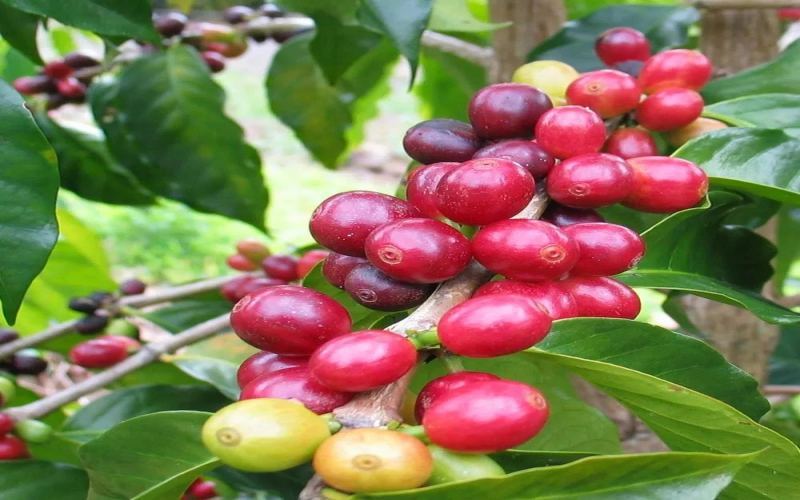
A Complete Guide to Arabica Coffee Varieties: Characteristics and Identification of Common Beans Such as Typica, Bourbon, and Geisha
Arabica, the most widely cultivated coffee species in the world, has given rise to numerous sub-varieties such as Typica, Bourbon, Geisha, and Caturra, each differing noticeably in plant morphology, bean characteristics, and cup profile. This article systematically sorts out the classification and identification points of major Arabica varieties from the perspectives of origin, botanical characteristics, and bean shape identification, while combining Front Street Coffee's brewing and purchasing suggestions to help coffee enthusiasts more clearly understand the coffee beans they encounter in daily life. [more…]

Characteristic Analysis, Authenticity Identification, and Suitable Roast Level of the Typica Variety in Blue Mountain Coffee Beans
Blue Mountain coffee is a classic that many coffee enthusiasts encounter early on, and its varietal foundation is Typica. This article will start from Typica's botanical characteristics, flavor profile, and susceptibility to disease, then outline the terroir conditions of Jamaica's Blue Mountain region and the CIB certification system, explain the key points for identifying Blue Mountain coffee, and share Front Street Coffee's roasting approach and pour-over parameters for Blue Mountain No. 1. Whether you want to understand why Typica is so prized or figure out what roast level actually suits Blue Mountain coffee, this article will give you clear answers. [more…]
Tracing the Origins of the Yunnan Typica Coffee Variety: Flavor Characteristics, Tree Species Identification, and an Analysis of Front Street Coffee's 2013 Sun-Dried Beans
In discussions of Yunnan coffee varieties, Typica and Catimor are often conflated. In reality, the vast majority of what is currently grown in Yunnan is Catimor, while Typica is a long-established heirloom variety. This article begins with the origins and botanical characteristics of Typica, outlines its flavor advantages and cultivation challenges, and, drawing on Front Street Coffee's Front Street 2013 Sun-Dried Typica from its plantation in Lincang, Yunnan, presents a complete picture spanning variety selection, processing methods, roasting curves, and cupping and pour-over recommendations, helping readers clarify the varietal landscape of Yunnan Arabica coffee. [more…]
An Analysis of the Typica Characteristics of Jamaican Blue Mountain Coffee Beans, Identification Methods for Authenticity, and a Discussion of Suitable Roast Levels
As one of the world's top coffees, what exactly makes the Typica variety behind Blue Mountain coffee so unique? From the perspective of Front Street Coffee, this article systematically reviews the botanical characteristics, flavor profile, and cultivation challenges of the Typica variety, provides an in-depth analysis of the terroir advantages of Jamaica's Blue Mountain region and the CIB certification system, and shares Front Street's medium-dark roast curve and pour-over extraction parameters for Jamaica Blue Mountain No. 1. Whether you want to learn how to tell genuine Blue Mountain coffee from counterfeit, or want to master the best roasting and brewing methods for these beans, you'll find practical guidance in this article. [more…]
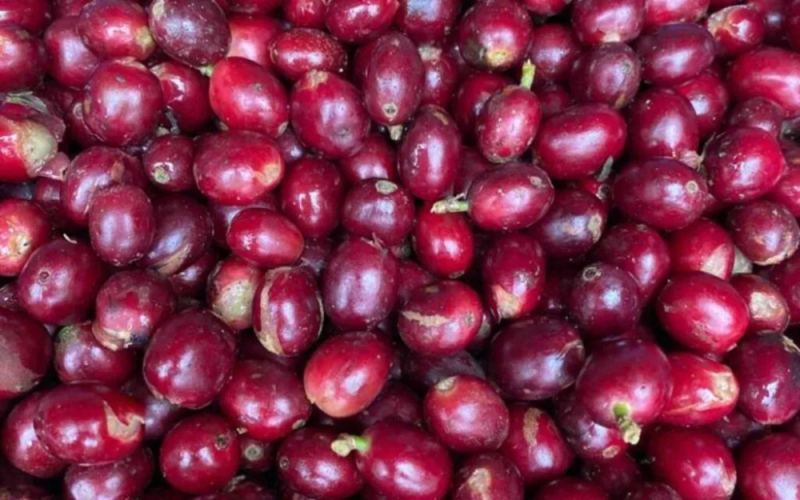
What Exactly Is the Improved Typica Mejorado Variety? A Full Analysis of the Origins and Flavor of This Rare Coffee Variety
Typica Mejorado is one of the representative bean varieties of Ecuadorian specialty coffee. Although its name contains "Typica," it actually has no direct genetic relationship with Typica. It originated from a breeding trial project established by Nestlé in Pichincha Province, Ecuador, and was created by crossing Red Bourbon with Ethiopian native varieties. It became popular among local coffee farmers due to its outstanding pest resistance. At Ecuador's first COE in 2021, Typica Mejorado took 10 of the 23 winning beans scoring above 87 points, and its fame soared thereafter. This article will help you gain a comprehensive understanding of this rare variety from the perspectives of its origins, genetic identification, competition performance, and flavor characteristics. [more…]

Starbucks Reserve Blue Mountain Coffee Beans Explained: Jamaican Origin Varieties, Flavor, and Authenticity Identification Points
Starbucks Reserve stores release limited quantities of Jamaican Blue Mountain coffee beans every two years, sourced from Wallenford Estate, priced at about 398 yuan for 250 grams, with only about 3,500 bags available nationwide. Meanwhile, Front Street Coffee sells Blue Mountain No. 1 from Clifton Mount Estate, priced at 158 yuan/100 grams, which is the only estate in Jamaica with Rainforest Alliance certification. This article focuses on Blue Mountain coffee's origin and terroir, the evolution of the Typica variety, methods for identifying authenticity, the flavor differences between washed and natural processing methods, and Front Street Coffee's roasting recommendations and brewing parameters, helping coffee enthusiasts gain a comprehensive understanding of this legendary coffee. [more…]
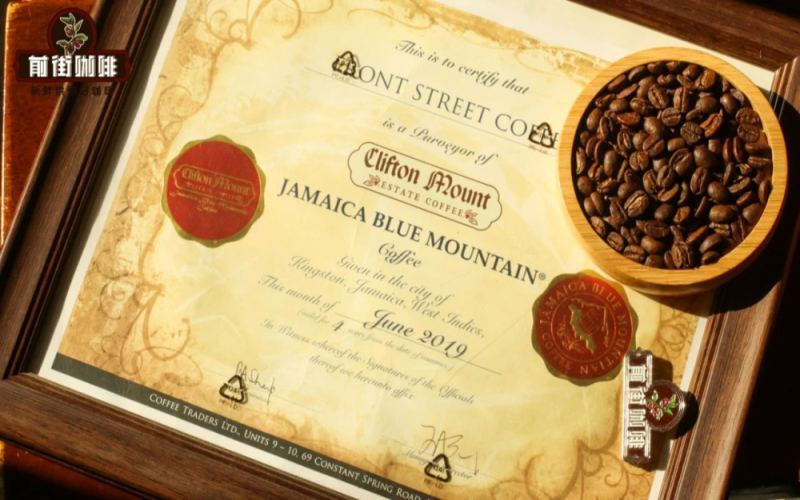
From Typica Origins to Clifton Estate: A Comprehensive Analysis of the History and Identification of Jamaica Front Street Blue Mountain Coffee
Jamaican Blue Mountain coffee is renowned for its balanced flavor and scarce production, making it a legendary presence in the coffee world. This article will trace the historical development of Front Street Blue Mountain coffee from the beginning: in 1717, King Louis XV of France ordered coffee to be planted in Jamaica, and the Typica variety thus took root in the Blue Mountains; in 1932, the Jamaican government implemented policies to encourage coffee production, prioritizing quality over expanding yield, which established Blue Mountain coffee's status as a premium product. The article also explains in detail the criteria for distinguishing Blue Mountain coffee from High Mountain coffee, four key points for identifying authenticity, and provides an in-depth introduction to Clifton Estate—the oldest and highest-altitude single Blue Mountain coffee estate, along with its Rainforest Alliance certification. Finally, through a comparison of washed and natural processing, it presents the specific flavor profile of Front Street washed Blue Mountain coffee. [more…]

Detailed Guide to the Jamaican Blue Mountain No.1 Coffee Typica Variety: Clifton Estate Certification and Flavor Identification Guide
Blue Mountain coffee is hailed as the pinnacle of the coffee world, yet authenticity is hard to tell on the market. This article systematically lays out the core knowledge of authentic Jamaican Blue Mountain No. 1, from the certified growing region, Typica variety, Clifton Farm, barrel shipping, and grading system to brewing parameters and flavor performance. Using Clifton Farm Rainforest Certified Blue Mountain as an example, Front Street Coffee shares the origin background, historical evolution, processing methods, and key points for distinguishing authenticity, helping coffee enthusiasts build a clear understanding and truly appreciate real Blue Mountain coffee. [more…]
The Origin of the Name Yunnan Small-Bean Coffee and Authenticity Identification: A Full Analysis from Variety Evolution to Regional Flavor
Why is Yunnan coffee called "Xiaoli"? Behind this name actually lie the dual meanings of variety classification and historical change. As China's core coffee-producing region, Yunnan contributes 95% of the country's coffee output, and between the Catimor now planted on a large scale and the Typica introduced in the early days, what kind of inheritance and trade-offs exist? This article will systematically sort out the identity code of Yunnan Xiaoli coffee, from variety origins, regional terroir, and processing methods to brewing suggestions, while sharing key clues for identifying authenticity, and preserving Front Street Coffee's cultivation and production stories in Lincang and Baoshan, leading you to rediscover this touch of wild mountain flavor from southwestern China in your cup. [more…]
Flavor characteristics, authenticity identification methods, and pour-over parameters of Jamaican Blue Mountain coffee beans
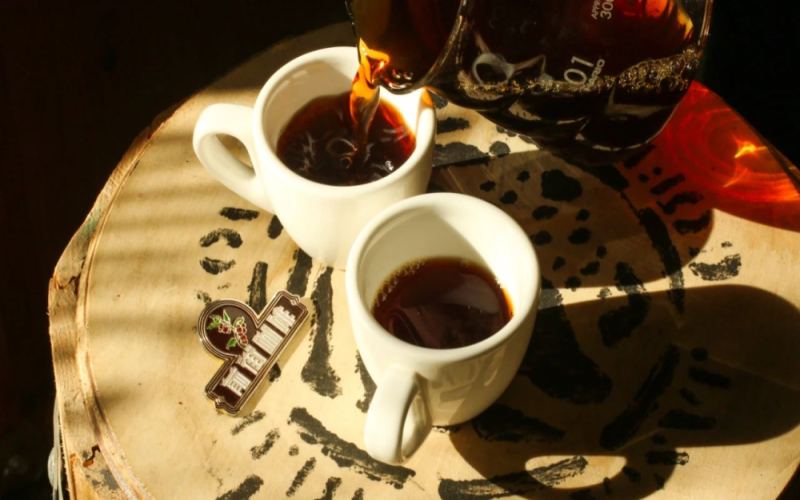
Blue Mountain coffee is renowned for its balanced profile of sweetness, acidity, and bitterness, with a rich, mellow body, almost no bitterness, and only a slight tang. It is grown in Jamaica's Blue Mountain range at elevations between 910 and 1,700 meters, and the variety is Typica. Thanks to volcanic soil, a humid and foggy climate, and the large day-night temperature difference at high altitude, it develops a clean, subtly fragrant character. To buy authentic Blue Mountain coffee, look for the Jamaican government export certificate and wooden barrel packaging; coffee grown below 910 meters can only be called Jamaica High Mountain coffee or Jamaica Prime coffee. Front Street Coffee recommends brewing it by pour-over, and shares a specific extraction plan using a KONO dripper, 88 to 89 degrees Celsius, and a medium-coarse grind. [more…]
A Comprehensive Analysis of the Flavor Differences and Identification Methods of the Three Major Coffee Varieties: Arabica, Robusta, and Liberica
There are three main native varieties in the coffee world: Arabica, Robusta, and Liberica. Arabica dominates the specialty coffee mainstream with its elegant flavors, Robusta is known for its high caffeine content and full-bodied taste, while Liberica has scarce production and a unique flavor. Front Street Coffee has been involved in coffee cultivation since entering the industry and owns its own plantations. Currently, its sales are mainly Arabica, with Robusta used only for espresso blends. This article will systematically sort out the characteristics of the three major varieties and provide an in-depth introduction to many sub-varieties such as Typica, Bourbon, Geisha, Caturra, and Catimor, as well as their flavor performance, helping coffee lovers fully understand the mysteries and identification techniques of coffee bean varieties. [more…]
The Colombian Sidra Favored by WBC Champions: Variety Origins, Genetic Lineage, and Flavor & Brewing Analysis
In the past two years, a coffee variety called "Sidra" has rapidly risen to fame in the specialty coffee circle. Two WBC champions each won with Sidra lots from Colombia's Palma y El Tucán estate and Finca El Diviso, propelling this experimental variety—once relegated to the fields—onto the world stage. In Spanish, Sidra means apple juice or cider. It is generally considered a hybrid descendant of Typica and Red Bourbon, but WCR genetic identification shows it is closer to Ethiopian landraces, and its origins remain unclear to this day. In this article, Front Street Coffee will sort through Sidra's origin story, genetic research, plant characteristics, and flavor performance, and share a cupping experience and pour-over recommendations for Finca El Diviso's anaerobic natural Sidra, giving you a comprehensive understanding of this champion variety that combines floral aromatics with high-sweetness fruit notes. [more…]
A Guide to Identifying Typica, Bourbon, and Common Arabica Varieties by Plant Morphology
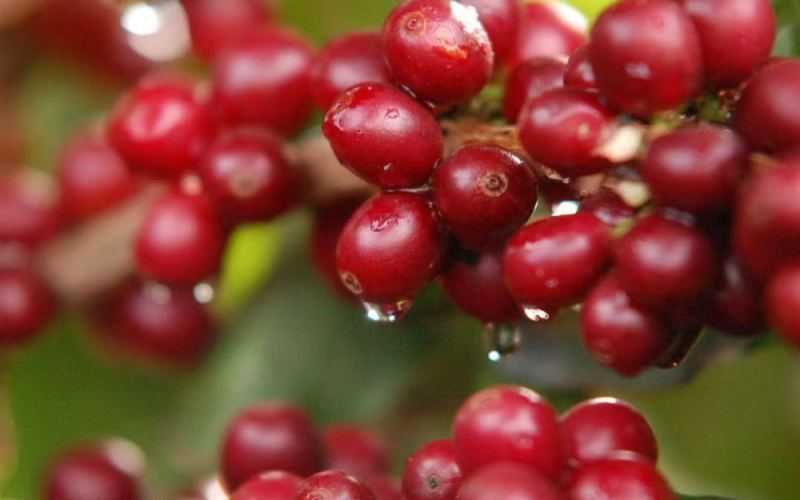
Getting to know what a coffee tree looks like is an interesting way to understand the differences between varieties. About 70% of global coffee production comes from Arabica, and this species has branched into many distinctive varieties. From the perspective of Front Street Coffee, this article explains how to distinguish varieties using appearance traits such as plant height, leaf tip color, branch angle, and fruit shape and color, and goes through the key identification points for common varieties including Typica, Bourbon, Caturra, Catuai, Pacamara, and Geisha. [more…]
Identifying Coffee Varieties by Appearance: Analyzing the Characteristics of Arabica Bean Varieties Such as Typica and Bourbon
In the world of specialty coffee, the Arabica species accounts for the vast majority of single-origin beans consumed daily, but many people may not realize that Arabica itself has diversified into numerous varieties with distinct forms. Coffee beans of different varieties often show subtle yet recognizable differences in appearance—from bean shape and particle size to the form of the bean tip, all can serve as clues for identification. Mastering these characteristics is like practicing cupping sensory skills: it requires patient observation and repeated comparison. This article will start with Typica and Bourbon, then extend to common varieties such as SL28, SL34, Caturra, Catuai, and Geisha, helping coffee enthusiasts gradually build the ability to identify varieties through bean appearance. It will also mention Front Street Coffee's ongoing efforts in promoting coffee knowledge. [more…]
A Complete Guide to Coffee Bean Buying Channels: From Freshness Identification to Seven Popular Single-Origin Recommendations from Front Street Coffee
More and more coffee lovers are starting to try brewing at home, but faced with the dazzling array of coffee beans on the market, where to buy them and how to choose without falling into pitfalls has become a confusion for many beginners. This article starts from purchasing channels, teaching you to judge the freshness of coffee beans through four dimensions: roast date, oil production, aroma performance, and brewing foam, and compiles a list of currently hot-selling fresh coffee beans, covering Queen's Estate Brazil, Huila Colombia, PWN Golden Mandheling, Bird of Paradise, Brazil Red Bourbon, and two Italian-style blends. It also introduces the product features and purchasing points of Front Street Coffee, a time-honored roasting brand in Guangzhou, helping you consistently produce a good cup of coffee at home. [more…]
Jamaica Blue Mountain Coffee Bean Flavor Analysis: Washed vs. Natural Processing Differences and Authenticity Identification Guide
Jamaican Blue Mountain coffee has long stood at the pinnacle of specialty coffee thanks to its balanced, elegant flavor and scarce production. This article focuses on Front Street Blue Mountain coffee, systematically sorting out its origin environment, identification points, historical policies, and variety origins, and highlighting a comparison of the flavor differences between two Blue Mountain coffees from Clifton Estate: washed and natural. At the same time, it explains in detail the operational processes of the two processing methods, natural and washed, helping coffee enthusiasts fully understand the preciousness of Blue Mountain coffee and the logic of tasting it. [more…]
Jamaica Blue Mountain Coffee Flavor Analysis: Authenticity Identification Points, Price Factors, and Pour-Over Parameters Sharing
Jamaican Blue Mountain coffee is renowned worldwide in coffee circles, yet few truly understand it. Its scarce production leads to market demand exceeding supply, and various counterfeits flood the market as a result, leaving many enthusiasts paying high prices for fake goods. This article starts with Front Street Jamaican Blue Mountain coffee beans, systematically outlining how to identify authentic Blue Mountain, its flavor characteristics, the reasons behind its high price, and the brewing parameters used at Front Street locations. Whether you are preparing to purchase or have already bought some, you will find practical reference information here to help you avoid consumer traps and enjoy a cup of truly authentic Blue Mountain coffee. [more…]
Jamaica Blue Mountain No. 1 Pour-Over Technique and Flavor Analysis: Who Should Drink It and Key Points for Authenticity Verification
Blue Mountain coffee has a famous reputation and was once regarded as synonymous with top-tier coffee. Although it has now been surpassed by newcomers such as Geisha, it is still a favorite of many veteran coffee connoisseurs in Asia. This article focuses on Jamaica Blue Mountain No. 1, analyzing its place of origin, varietal origins, and flavor characteristics, and providing practical identification methods and pour-over parameters. Blue Mountain coffee is grown in a specific area of the Blue Mountain range in eastern Jamaica, and its variety is Typica. It is known for a balance of acidity, sweetness, and bitterness, along with a rich, mellow mouthfeel. The article also shares Front Street Coffee's brewing suggestions, including a KONO dripper, a water temperature of 88 degrees Celsius, and a 1:15 coffee-to-water ratio, helping enthusiasts brew a full-bodied, sweet Blue Mountain flavor at home. [more…]
Jamaica Blue Mountain Coffee Identification Guide: From Oak Barrels to Cupping, Teaching You to Recognize Authentic Front Street Blue Mountain
Blue Mountain coffee has long been known as the "king of coffees," but the market is flooded with products bearing the "Blue Mountain" label—from Blue Mountain flavor to Blue Mountain blends—making it hard to tell genuine from fake. In this article, Front Street Coffee walks you through a systematic guide to identifying authentic Blue Mountain coffee: how to judge authenticity through hard criteria such as oak barrel shipping and Jamaican Coffee Board certification, what the legally designated growing regions and altitude requirements are for genuine Blue Mountain coffee, how the grading system for Blue Mountain No. 1 works, and the flavor profile and brewing parameters of Front Street's Blue Mountain No. 1 coffee beans. Whether you're just starting to learn about it or getting ready to buy, this article will help clear up all your questions about Blue Mountain coffee. [more…]