







Where Does Coffee Originated and How Yunnan Fits In
Yunnan coffee is called small bean mainly because of variety classification and historical change. The province supplies 95 percent of China's coffee output, with Catimor now widely planted and Typica introduced earlier. Growing areas sit in the golden belt between the Tropics, at roughly 1,000 to 2,000 meters, on mountain slopes with fertile soil.
The question of where does coffee originated points to Ethiopia, but Yunnan is mainland China's earliest coffee-cultivating region and its only base for quality raw materials. Hainan grows Robusta with a darker roast, while Yunnan focuses on high-quality Arabica. Regional terroir, processing method, and careful roasting all shape the final cup.
Why is Yunnan coffee called "small bean"? Behind this name actually lie the dual meanings of variety classification and historical change. As China's core coffee-producing region, Yunnan contributes 95% of the nation's coffee output, and between the Catimor now widely planted and the Typica introduced in earlier days, what kind of inheritance and trade-offs exist? This article will systematically sort out the identity code of Yunnan small-bean coffee, from variety origins, regional terroir, and processing methods to brewing suggestions, while sharing key clues for identifying authenticity, and preserving Front Street Coffee's planting and production stories in Lincang and Baoshan, to help you rediscover this touch of wild mountain flavor from southwestern China in your cup.
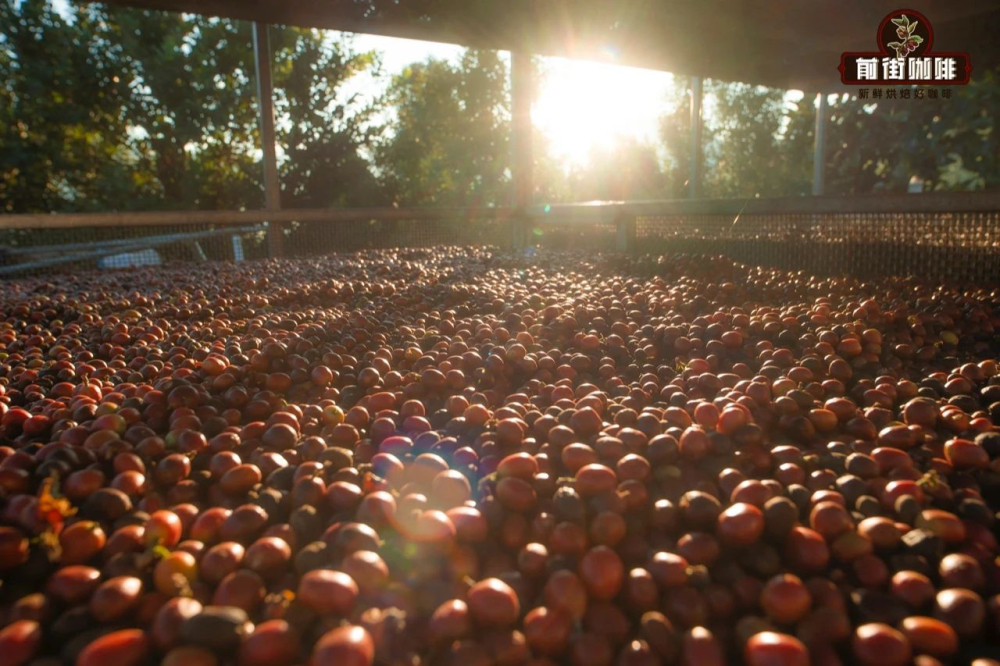
When discussing China's coffee landscape, one cannot avoid the two producing regions of Hainan and Yunnan. Hainan mainly cultivates Robusta varieties, often with a darker roast, delivering a strong impact and intense flavor on the palate. Yunnan is different: it is China's largest coffee-growing province, the country's only production base for high-quality coffee raw materials, and also the earliest place in mainland China to introduce coffee cultivation. Many Chinese people's understanding of Yunnan long remained stuck on Pu'er tea, with limited knowledge of coffee, but nowadays Yunnan beans can be found on the menu of almost every café. After the film "One Mile Above" was released, more people began to truly pay attention to Yunnan coffee.
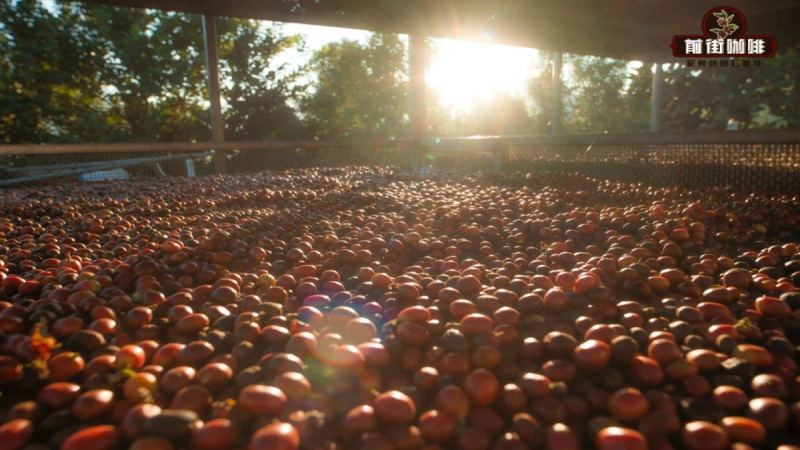
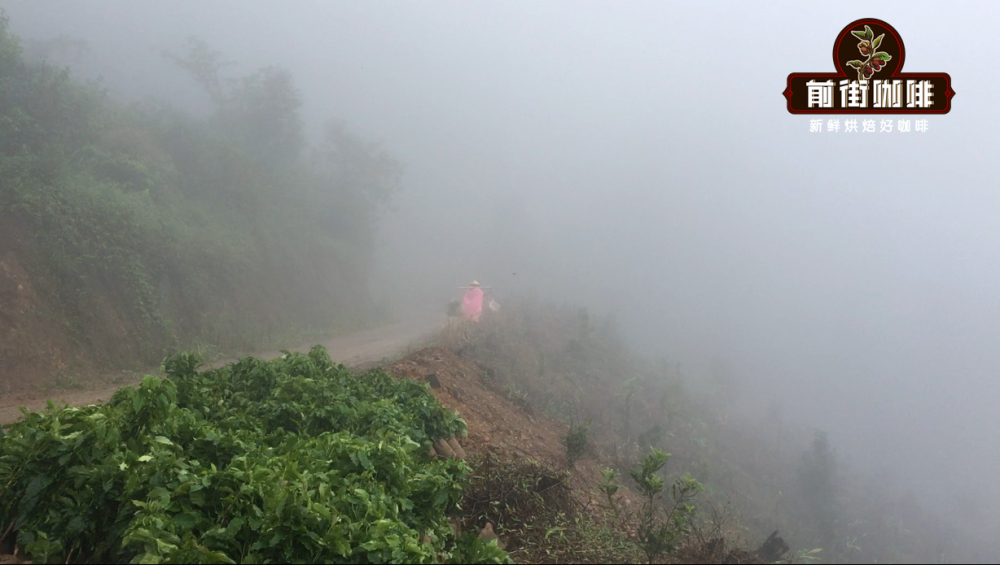
Yunnan's coffee output is slightly lower compared with neighboring countries, yet its quality is by no means inferior. One key figure: Yunnan coffee accounts for 95% of China's total coffee production, making it the main force in domestic coffee supply. The growing areas are concentrated in the southwestern part of the province, falling precisely within the coffee golden belt between the Tropic of Cancer and the Tropic of Capricorn. At an altitude of about 1,000 to 2,000 meters, the terrain is mainly mountainous, with steep slopes and fertile soil, and coffee farmers usually plant coffee trees on hillsides. Abundant rainfall, ample sunshine, and the significant temperature difference between day and night brought by high altitude together create extremely ideal terroir conditions for growing coffee trees. As consumer attitudes shift, Yunnan has been placing increasing importance on coffee quality and is gradually entering a stage of specialization.
Small-bean coffee is not unique to Yunnan; almost every coffee-producing region in the world grows it. Nowadays, signs for "small-bean coffee" can be seen everywhere on the streets, though merchants more often use its other name—Arabica. The "small-bean coffee" referred to in Yunnan is essentially the Arabica species commonly known on the market, with the only difference being naming habits. All Arabica originated in Africa, spread and flourished through the Arab world, and eventually expanded to the Americas and Asia. In terms of taste, Yunnan small-bean coffee belongs to a relatively neutral type, with neither acidity nor bitterness too prominent, slightly acidic yet comfortable—a flavor profile with high public acceptance.
Yunnan Small-Bean Coffee Varieties
Yunnan small-bean coffee was originally named after Typica, because Typica itself belongs to the Arabica small-bean species and is also Yunnan's oldest coffee variety. Later, when Nestlé entered Yunnan, Typica had weak disease resistance, and in order to increase coffee bean yields, farmers were guided to cut down the good-flavored Typica trees and plant varieties with slightly inferior flavor but strong disease resistance and higher yields. The first introduced was S288, resistant to leaf rust, followed by the higher-yielding Catimor. In other words, the coffee trees currently grown in Yunnan are mainly Catimor, and Yunnan small-bean coffee refers to Catimor variety coffee.
"Small bean" refers to the smaller-sized varieties within Arabica, in contrast to the medium-bean Robusta coffee beans produced in Hainan. The coffee trees first introduced to Yunnan were the two pure Arabica varieties, Typica and Bourbon, and the ancient Typica is recognized as a high-quality variety. The famous Jamaican Blue Mountain coffee belongs to the Typica variety, with rich aroma and delicate, diverse flavors, but extremely low yield and susceptibility to rust disease, requiring more labor for management. Coffee is, after all, a crop that Yunnan farmers rely on for their livelihood; if yields are too low, income cannot be guaranteed and cultivation becomes unsustainable, so most local farmers choose to switch to the higher-yielding Catimor.
Typica
The most classic high-quality Arabica variety, from which many commercial improved varieties are currently derived. It has excellent flavor performance and is recognized as a specialty coffee variety, but its yield is extremely low and it is susceptible to rust disease, requiring more labor for management. Typica coffee originated in Ethiopia and southeastern Sudan, and is the most widely cultivated coffee variety in the Western Hemisphere. The plant is relatively robust but not tolerant of light, and yields are higher in Hawaii. The top leaves of Typica are red-copper colored, hence the name "red-top coffee."
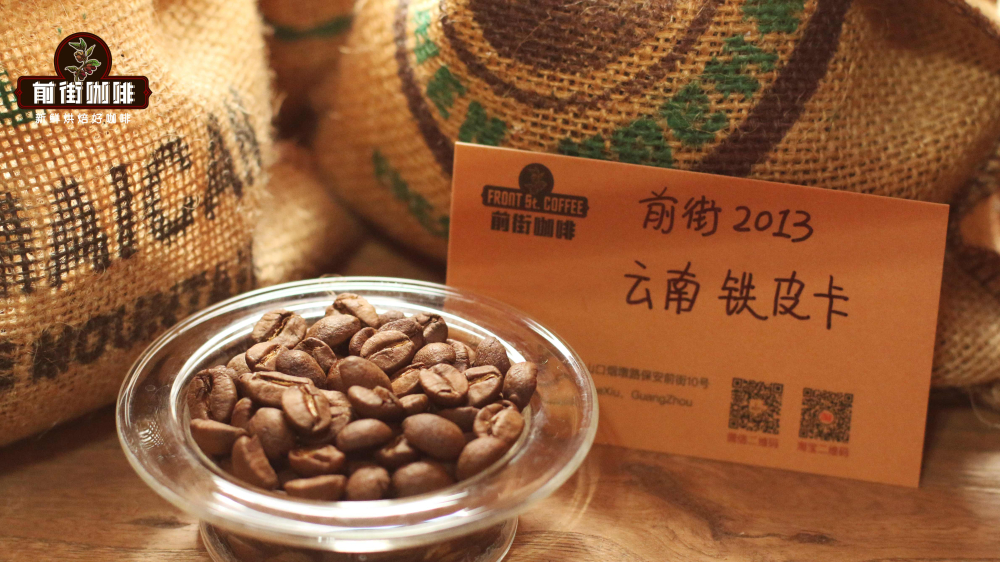
Many customers say they want to taste Chinese specialty coffee, and we usually recommend first and foremost the exclusive Front Street 2013 Yunnan Typica, medium-roasted, with Yunnan's characteristic soft nuts and plum acidity, along with the clean profile brought by ancient Arabica, as clear as black tea.
Catimor
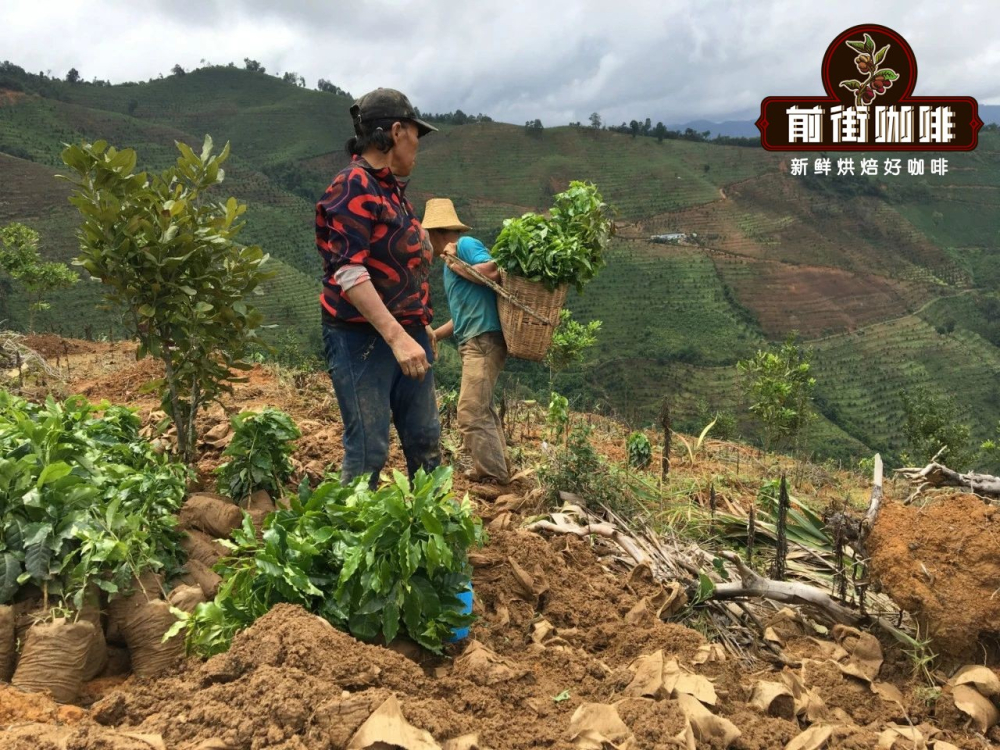
Most coffee varieties currently grown in Yunnan are Catimor. Typica coffee trees are susceptible to coffee leaf rust and have low yields, so local farmers have painfully cut down this elegant-flavored variety and switched to Catimor, which has higher yields and resistance to leaf rust.
In "Specialty Coffee Studies," Han Huaizong, when introducing China's coffee-producing regions, mentioned that in 1998, over 90% of Yunnan's coffee varieties were Catimor.
Catimor was developed in 1959 by the Portuguese Coffee Leaf Rust Research Center CIFC, a new variety hybridized from Timor and Caturra, characterized by high productivity, short plants suitable for dense planting, and good disease resistance. However, because Catimor carries Robusta genes, its bitterness and grassy notes are more pronounced than pure Arabica, and it is somewhat weaker in cleanliness, fruity notes, and richness. Robusta has good resistance to leaf rust and rich oils, with high yields and easy cultivation. After hybridizing with the Arabica Typica, Catimor obtained 25% Robusta genes, improving leaf rust resistance while retaining rich oils, and also inheriting some of the rich flavors of the original Typica species. Therefore, most Yunnan estates have begun large-scale planting of Catimor, while Typica's cultivation area has gradually shrunk.
Main Coffee-Producing Regions in Yunnan
Yunnan has no distinction of four seasons, only dry and rainy seasons, and most coffee-producing regions are similar, which is also the fundamental reason some regions adopt the natural sun-dried method. Entering June, the rainy season begins in the producing regions, and for the next three to four months it will rain, making it the most favorable period for planting coffee. Only by planting seedlings at this time, after months of rain nourishment, can developed root systems grow and survive the first half-year-long dry season.
Yunnan small-bean coffee trees bear fruit at 3-4 years old. Coffee is a short-day plant. Coffee exhibits multiple flowering and concentrated flowering periods. Small-bean coffee in Yunnan flowers from February to July, with peak flowering from March to May. Coffee flowering is greatly influenced by climate, especially rainfall and temperature. Coffee flowers are short-lived, lasting only 2-3 days. Small-bean coffee generally begins to open at 3-5 a.m. and is in full bloom at 5-7 a.m. Coffee fruit development takes a long time. Small-bean coffee fruit requires 8-10 months to mature, generally maturing from October to December of the same year. Rainfall has a great influence on fruit development, and climatic conditions directly affect the fruit.
The most famous coffee-growing areas in Yunnan are mainly these: Baoshan, Pu'er, Lincang, and Dehong.
Lincang City has a subtropical low-latitude plateau mountain monsoon climate, with complex terrain and topography, and is a region with multiple climate types. Mainly influenced by the warm, humid air currents of the Indian Ocean and the southwest monsoon, the distinction of four seasons is not obvious, but dry and rainy seasons are clearly divided, with abundant rain and long sunshine hours. The annual average sunshine is over 2,000 hours, the frost period is short, and some areas are frost-free year-round; the vertical climate is obvious, with the average annual temperature in mountainous areas at 13-15 degrees Celsius.
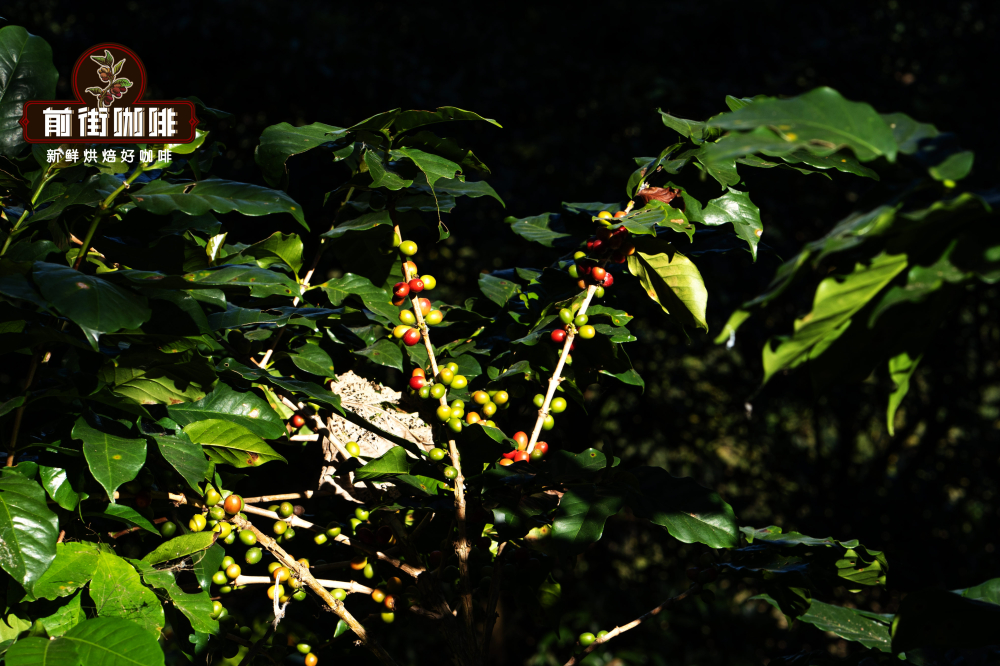
Front Street Coffee has established its own estate in Yunnan's Lincang producing region. Then in 2021, Front Street Coffee produced its first self-produced coffee bean—Front Street 2013 Sun-Dried Typica Coffee. Front Street Coffee took a fancy to this "green pearl on the border," and in its early days simultaneously established its own coffee estate in one of Yunnan's main coffee-producing regions—Lincang—planting the oldest Arabica variety—Typica.
Pu'er, the Tea Hometown has a 150-year history of coffee cultivation. In the early 1990s, Pu'er City began cultivating coffee as a superior backbone industry for adjusting the industrial structure and helping farmers increase income and become prosperous. Due to the influence of the subtropical monsoon climate, most areas here are frost-free year-round, with no severe cold in winter and no extreme heat in summer. Pu'er City has an average annual temperature of 15 to 20.3 degrees Celsius, a frost-free period of over 315 days per year, and annual rainfall of 1,100 to 2,780 millimeters.
Baoshan coffee cultivation began in the mid-1950s. The first coffee seedling was introduced from Southeast Asia by the late patriotic overseas Chinese Mr. Liang Jinshan. In recent years, with the expansion of international trade, the small-bean coffee of Lujiangba has become even more renowned. Baoshan has a low-latitude mountain subtropical monsoon climate. Because it is located on a low-latitude plateau with complex terrain and landforms, it forms a vertical climate of "one mountain, four seasons; ten miles, different weather." The Baoshan region has a long history of coffee cultivation and is recognized as the "best small-bean coffee producing area," and is one of the coffee-producing regions with relatively good coffee quality nationwide and even globally. Most of it also grows Catimor varieties.
Front Street's washed Yunnan small-bean coffee comes from Baoshan.
Dehong has no severe cold in winter, no extreme heat in summer, abundant rainfall, rain and heat in the same period, dry and cold in the same season, small annual temperature difference, large diurnal temperature difference, short frost period, and few frost days—these characteristics provide good growing and overwintering conditions for coffee trees. The entire prefecture is close to the Tropic of Cancer, at a low latitude, influenced by the southwest monsoon of the Indian Ocean, belonging to a southern subtropical monsoon climate.
Yunnan Coffee Bean Processing Methods
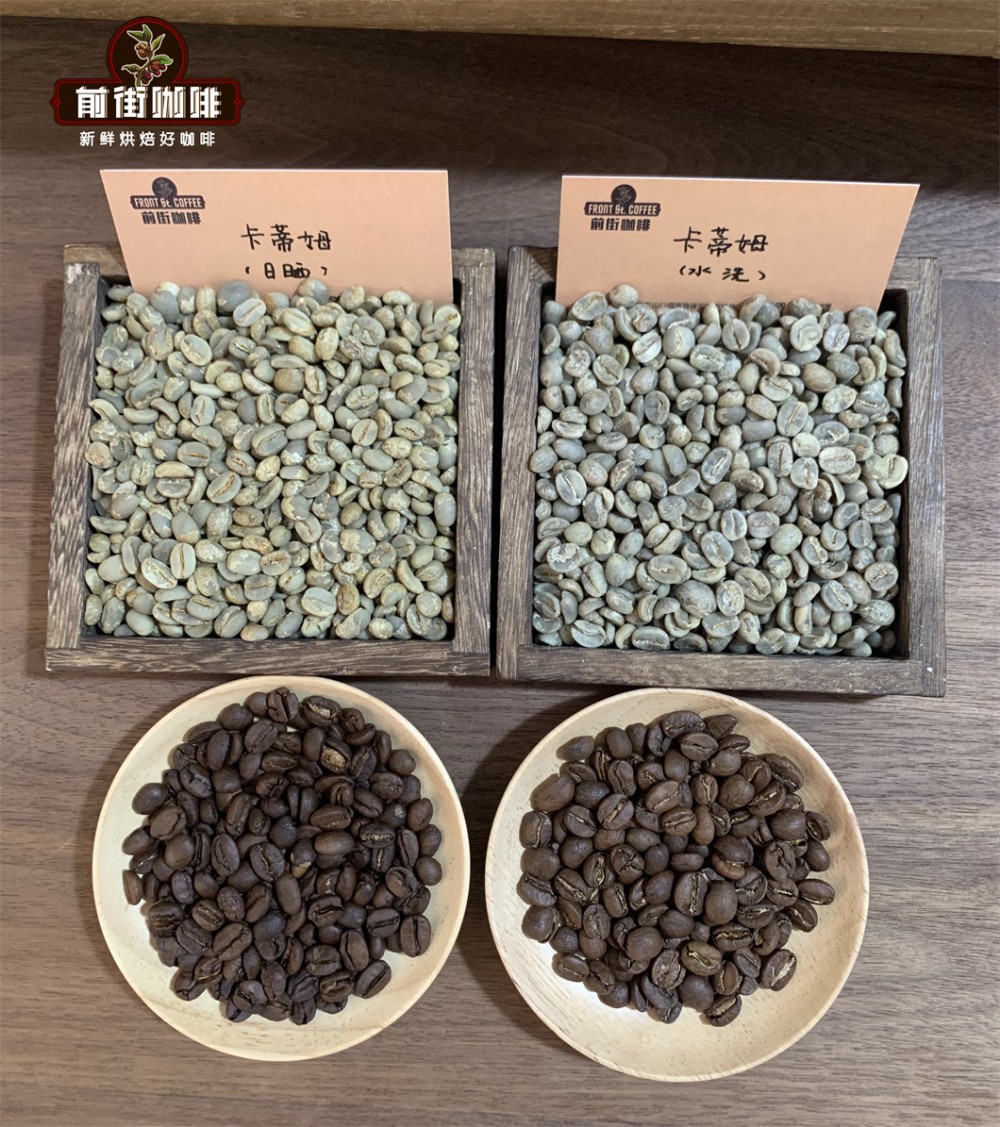
Due to the year-round rainy season and unstable climate, most Yunnan coffee beans are processed using the washed method. But there are also sun-dried processed coffee beans. Front Street's Catimor includes washed Yunnan small-bean coffee and sun-dried Catimor coffee, and of course, our Front Street Coffee Estate's Front Street 2013 Sun-Dried Typica Coffee.
Front Street Brewing Parameters for Yunnan Coffee:
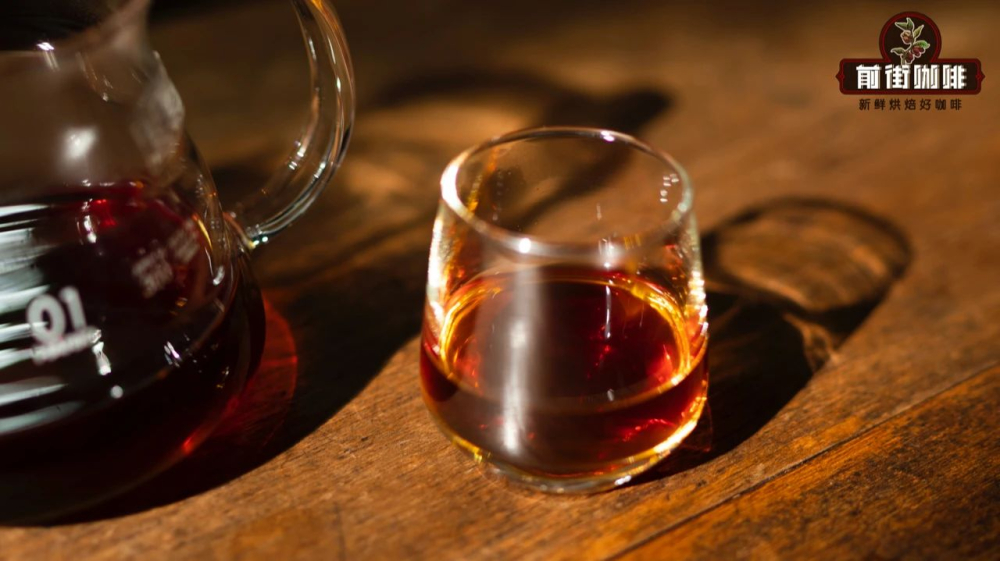
In order to preserve the sweet-and-sour sensation and tea-like characteristics of Yunnan coffee, Front Street Coffee roasts it at a medium level. When brewing, you can use a V60 dripper, a 1:15 coffee-to-water ratio, medium grind (about the size of coarse granulated sugar / 75% passing through a Chinese No. 20 standard sieve), and 88 degrees Celsius water temperature.
Use staged extraction, blooming with twice the amount of water as coffee powder, that is, 30 grams of water for a 30-second bloom. The reason a blooming process is needed is to allow the coffee powder to release its internal carbon dioxide gas, thereby making the later extraction more stable. Pour in a small stream in circles until 125 grams, then pause, continue pouring until 225 grams and stop. After the water in the dripper has dripped through, remove the dripper. Start timing from the beginning of pouring, with an extraction time of 2'00". Next, pick up the entire cup of coffee and swirl it to mix evenly, then pour it into a cup for tasting.
【Front Street Washed Yunnan Small-Bean Coffee Flavor】 Herbal, nutty aroma, chocolate, caramel, with a hint of light fruity acidity in the finish.
【Front Street Yunnan Sun-Dried Catimor Coffee Flavor】 Performance: nuts, chocolate, spices, caramel, plum.
Front Street Coffee Brewing Suggestions:
To brew a delicious cup of coffee, you still need to pay attention to the freshness of the coffee beans. Front Street has always believed that the freshness of coffee beans has a great relationship with coffee flavor, so the coffee beans shipped by Front Street Coffee are all within 5 days of the roast date. Front Street's roasting philosophy is "freshly roasted good coffee," so that every customer who places an order receives the freshest coffee when they get it. The resting period for coffee is about 4-7 days, so when customers receive it, it is exactly at its best flavor.
The above content is compiled by CoffeeHunters, a coffee news website.


