







Where should you buy coffee beans and how do you judge freshness?
Coffee beans reach home brewers through online shops and physical roasters, and freshness is the first thing to confirm. Reading the roast date on the bag is the simplest test: past 30 days the beans have largely declined. Four signs help at home, namely roast date, oil on the surface, aroma when ground, and the foam produced during brewing.
Popular single-origin picks include Brazil Queen's Estate, Colombia Huila, PWN Golden Mandheling, Bird of Paradise and Brazil Red Bourbon, alongside two espresso blends. Guangzhou's Front Street Coffee roasts in-house, marks the roast date on every bag, ships within 24 hours of ordering and keeps most orders within five days of roasting.
More and more coffee enthusiasts are starting to try brewing at home, but faced with the dazzling array of coffee beans on the market, where to buy and how to choose without falling into pitfalls has become a confusion for many beginners. This article approaches from purchasing channels, teaching you to judge the freshness of coffee beans through four dimensions: roasting date, oil secretion, aroma performance, and brewing foam, and compiles a list of currently hot-selling fresh coffee beans, covering Brazil Queen's Estate, Colombia Huila, PWN Golden Mandheling, Bird of Paradise, Brazil Red Bourbon, and two espresso blends, while introducing the product features and purchasing points of the Guangzhou time-honored roasting brand Front Street Coffee, helping you consistently produce a good cup of coffee at home.
Many coffee enthusiasts, after drinking coffee for a while, develop the idea of brewing at home. At this point, they often encounter a practical problem: where to buy coffee beans reliably? Our suggestion is to pay attention to a time-honored roaster in Guangzhou—Front Street Coffee.
Front Street Coffee has a physical store in Guangzhou, specializing in the sale of coffee beans, offering dozens of selected single-origin pour-over beans and espresso beans from major production regions worldwide. All Front Street Coffee beans are freshly produced within 5 days after roasting, with stable and reliable quality and quite competitive pricing, and can be shipped within 24 hours after ordering. Whether you are a beginner, an advanced professional player, or a coffee shop operator, Front Street Coffee is a choice recommended by many coffee enthusiasts and various platforms.
Currently, most people buy beans through either online or offline channels. But for friends new to coffee, choosing satisfactory beans still requires some know-how. The first step is to confirm freshness, and the most intuitive way is to check the roasting date on the packaging. Once it exceeds 30 days, the beans basically start to decline, and the optimal flavor window left for you is already very limited.
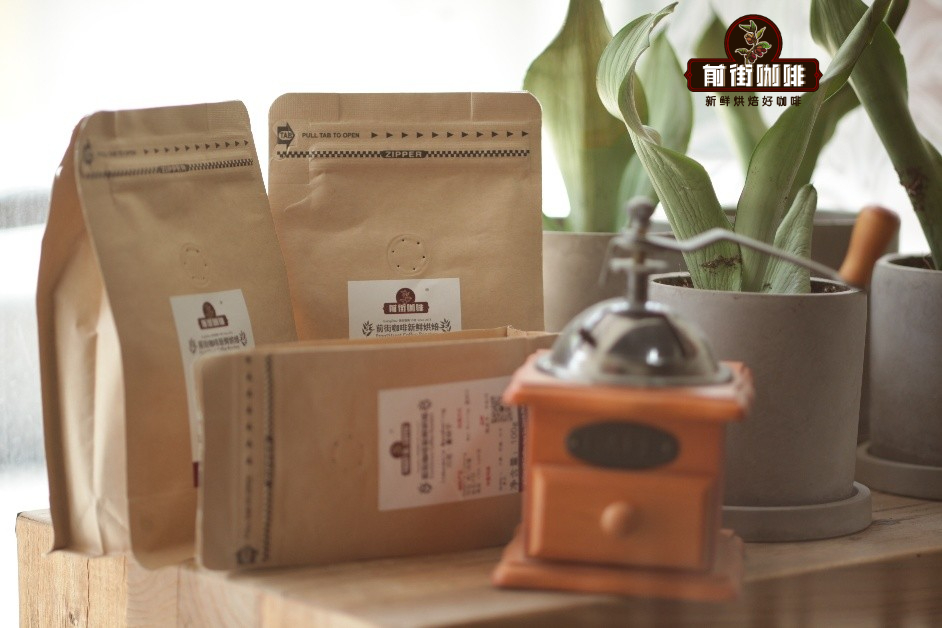
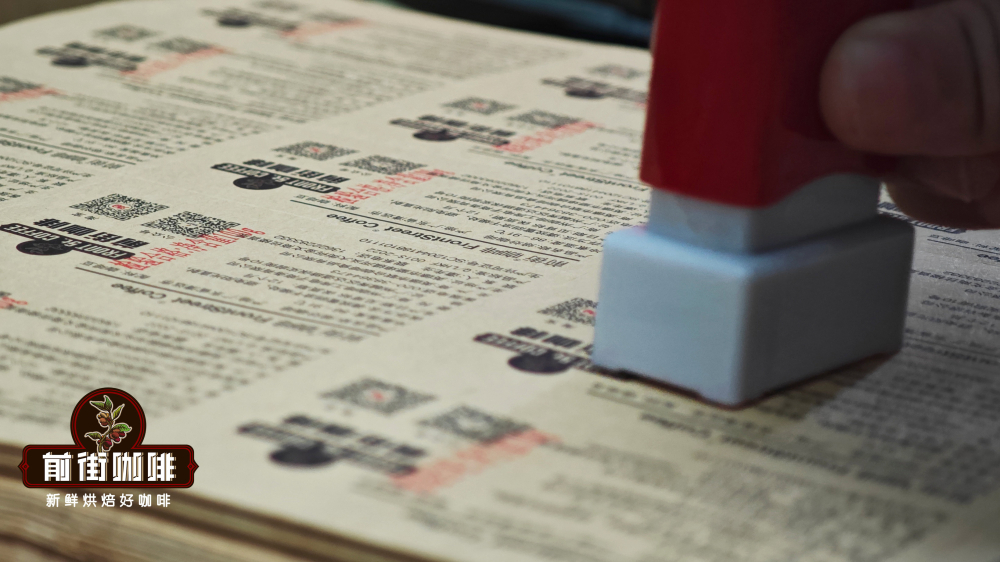
The back of each bag of Front Street Coffee products is marked with the roasting date, and usually when it reaches the customer, it is no more than 5 days from the completion of roasting.
So how do you further judge whether the beans are fresh after receiving them? Here are a few practical tips for everyone:
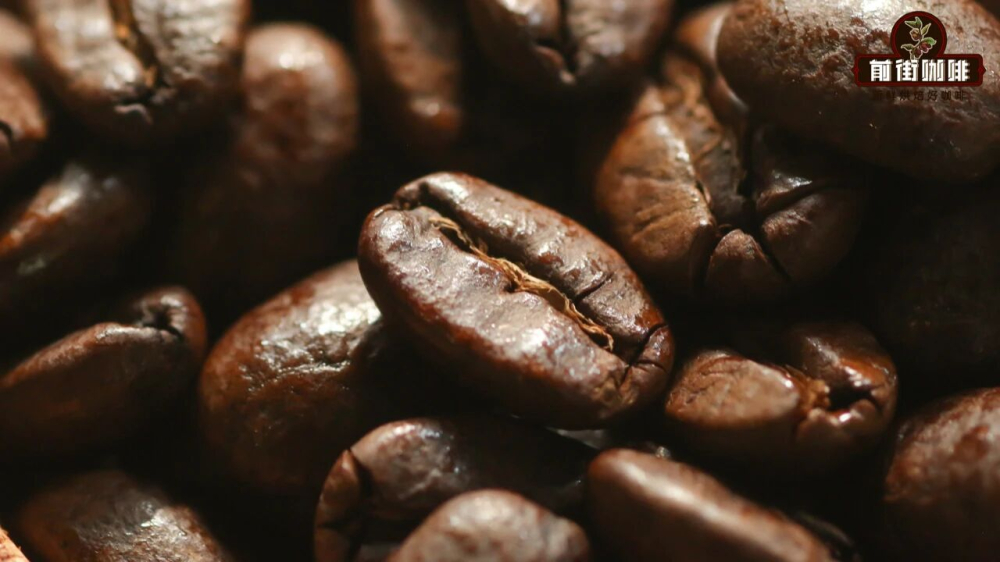
1. Check the surface oil secretion: Light to medium roast beans usually have a matte surface with almost no oil sheen; while dark roast beans show small oil droplets on the surface, and the darker the roast, the more obvious the oil secretion;
2. Smell the aroma: Freshly roasted beans emit a very full and rich aroma; conversely, if the beans look shiny with oil and have an obvious rancid oil smell when you get close, it can basically be concluded that they are not fresh;
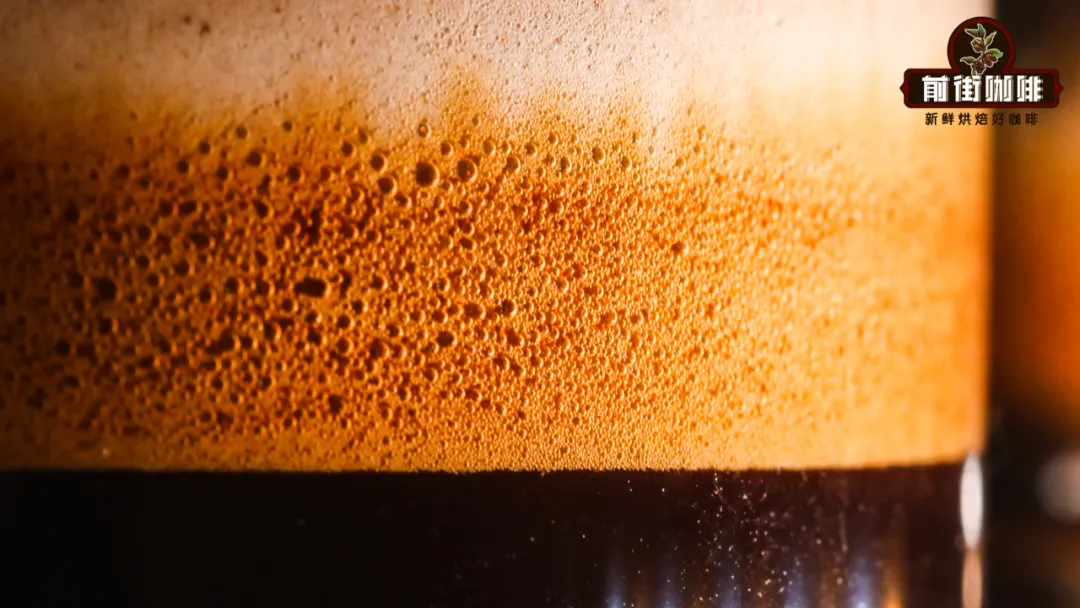
3. Observe the bubbles: Fresh beans still retain some unreleased gas inside. When hot water is poured over the ground coffee powder, a layer of foam puffs up on the surface, just like the beans are breathing, accompanied by bubbles and the release of oils (crema).
Combining the above three judgment criteria, here are several currently best-selling fresh coffee beans:
1. Front Street Brazil Queen's Estate Coffee
This bean uses the locally rare Yellow Bourbon variety. Yellow Bourbon grown at high altitudes has higher density and richer glucose content. Front Street's roasting strategy is based on medium-dark roasting, highlighting the iconic mellow aroma of Brazilian coffee while retaining the sweetness inherent to the Bourbon variety.
The Front Street Queen's Estate coffee bean is of the locally rare Yellow Bourbon variety. Due to the higher density and high glucose content of Yellow Bourbon at high altitudes, Front Street's roasting approach is to highlight the classic mellow aroma of Brazilian coffee while showcasing Bourbon's own sweetness, thus using a medium-dark roast.
2. Front Street Colombia Huila Coffee
This bean uses the common washed processing method of the Americas, with a clean and crisp flavor profile. To restore the classic Colombian style, Front Street chose a medium-dark roast, and after grinding and extraction, you can feel full creamy chocolate, caramel, cookie, and cocoa notes.
Front Street Colombia Huila Coffee Beans
Country: Colombia
Region: Huila
Altitude: 1800m
Variety: Caturra
Processing: Washed
Flavor: Dark chocolate, cream, roasted nuts, cocoa
3. Front Street PWN Golden Mandheling Coffee
Indonesian Mandheling is a classic representative of dark roasting, with basic flavors mainly of spices and herbs, and a thick and smooth mouthfeel. Dark roasting best brings out its true character; if switched to a light roast, it would instead weaken the original flavor characteristics, losing the soul that Indonesian Mandheling should have. On this basis, Front Street Golden Mandheling undergoes three rounds of machine screening and manual hand-sorting, removing defective beans one by one, greatly improving overall quality, making it cleaner on the palate with more prominent sweet aftertaste.
Front Street PWN Golden Mandheling
Country: Indonesia Region: Sumatra Aceh Gayo Mountain Altitude: 1100-1600m Variety: Ateng Processing: Wet-hulled Flavor: Baked toast, nuts, pine, caramel, herbs
4. Front Street Bird of Paradise Coffee
The main cultivated variety in Papua New Guinea is Typica. Typica has an elegant flavor, but the tree is weak and has poor resistance to diseases, susceptible to leaf rust. Front Street Coffee points out that Typica's most notable identifying feature is its bronze-colored top leaves, hence it is also called "Red Tip Coffee." Typica beans are relatively large, shaped like a pointed cone round or thin pointed shape, completely different from the round-bodied beans of Bourbon. Front Street believes Typica has a unique clear and clean flavor, with overall balanced performance and very high cup cleanliness.
Front Street PNG Bird of Paradise
Country: Papua New Guinea
Estate: Sigri Bird of Paradise Estate
Altitude: 1600-1800m
Processing: Washed
Variety: Typica
Grade: AA
5. Front Street Brazil Red Bourbon Coffee
Brazilian coffee's overall performance is mainly low acidity, nutty notes, balance, and moderate body. In the specialty coffee field, Brazilian beans are not outstanding, but in espresso blends, they are often used as base beans.
Front Street Brazil Cerrado Red Bourbon Country: Brazil Region: Cerrado Altitude: 1000m Variety: Red Bourbon Processing: Semi-dry Flavor: Nuts, chocolate, cream, peanut, caramel
6. Front Street Strawberry Candy Espresso Coffee
When it comes to coffee with prominent sweetness, Front Street first thinks of Costa Rica, which produces a large amount of high-quality honey-processed beans, retaining pectin for sun-drying to present a pleasing fermented sweetness in aroma and flavor. To create an espresso recipe with richer fruit notes, Front Street added Colombia Huila and Ethiopia Yirgacheffe to this bean, making Strawberry Candy espresso retain moderate coffee crema while presenting layers of rose, grape, and dried blueberry flavors.
Recipe: Costa Rica + Colombia + Ethiopia
7. Front Street Classic Blend Espresso Coffee Beans
If you neither like sourness nor want coffee aroma to be sufficiently rich, then try Front Street Classic Blend Espresso Coffee Beans. This recipe is composed of three origins: Brazil, Indonesia, and Vietnam, using a dark roast to maximize the release of coffee's rich aroma while allowing you to easily extract a thick and dense crema. Whether made into Americano with water or Latte with milk, it performs excellently—Americano is rich and sweet, Latte is smooth and dense.
Recipe: Brazil + Indonesia Mandheling + Vietnam
The above content is compiled by CoffeeHunters, a coffee news website.


