








How Does Jamaica's Coffee Grading System Define Blue Mountain?
Authentic Jamaican Blue Mountain must be Typica variety grown above 1,000 meters, so the name is not open to every Jamaican lot. Only coffee from certified zones qualifies, and Jamaica is one of the few origins that ships green beans in wooden barrels. Genuine cups show a full aroma and a balanced mouthfeel.
The grading rules depend on altitude, variety, and growing region rather than marketing claims. Clifton Farm, a 250-acre estate near Newcastle at an average 1,310 meters, holds Rainforest Alliance certification and grows 100 percent Arabica Typica. Its washed processing and new volcanic soil in the Blue Mountains underpin the flavor, and rainforest alliance certified organic coffee labels add a second check.
Blue Mountain coffee is hailed as the pinnacle of the coffee world, yet genuine and fake versions are hard to tell apart on the market. This article systematically sorts out the core knowledge of authentic Jamaican Blue Mountain No. 1, from certified growing regions, Typica variety, Clifton Farm, barrel shipping, and the grading system to brewing parameters and flavor performance. Front Street Coffee takes the Rainforest Alliance Certified Blue Mountain from Clifton Farm as an example to share the origin background, historical evolution, processing methods, and key points for distinguishing authenticity, helping coffee lovers build a clear understanding and truly appreciate real Blue Mountain coffee.
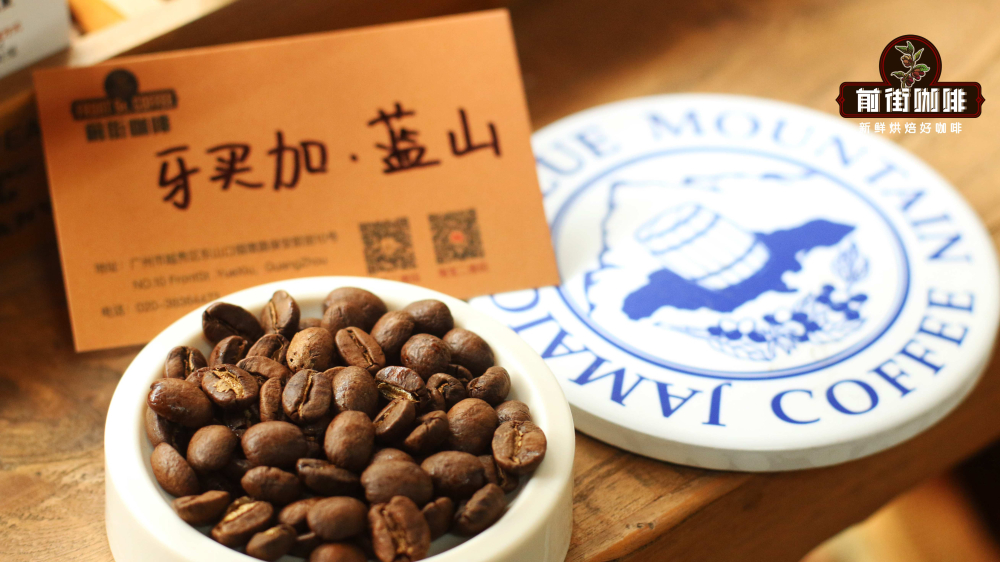
In the global specialty coffee landscape, Jamaican Blue Mountain has always held an iconic position. However, today's market is flooded with a mix of coffees bearing the Blue Mountain name, and consumers often find it hard to tell them apart. Front Street Coffee has compiled several criteria for reference. Front Street Coffee has specifically selected a Jamaican Blue Mountain coffee estate with Rainforest Alliance certification, namely Clifton Farm. Jamaica is also the only origin in the world that uses wooden barrels to pack green beans. From a flavor perspective, it is equally easy to identify: authentic Blue Mountain has a very full aroma and a balanced mouthfeel, with acidity, sweetness, and bitterness in harmony. Front Street Coffee adds one more point: Jamaica's coffee grading system is quite strict, and not all coffee produced in Jamaica can bear the Blue Mountain name—only Typica grown above 1,000 meters above sea level qualifies as Blue Mountain coffee.
Front Street Coffee: Jamaica · Blue Mountain No. 1 Coffee Beans
Estate: Clifton Farm Certification: Rainforest Alliance Certified Location: Newcastle area Total area: 250 acres Average elevation: 1,310 meters Processing method: washed Variety: 100% Arabica Typica
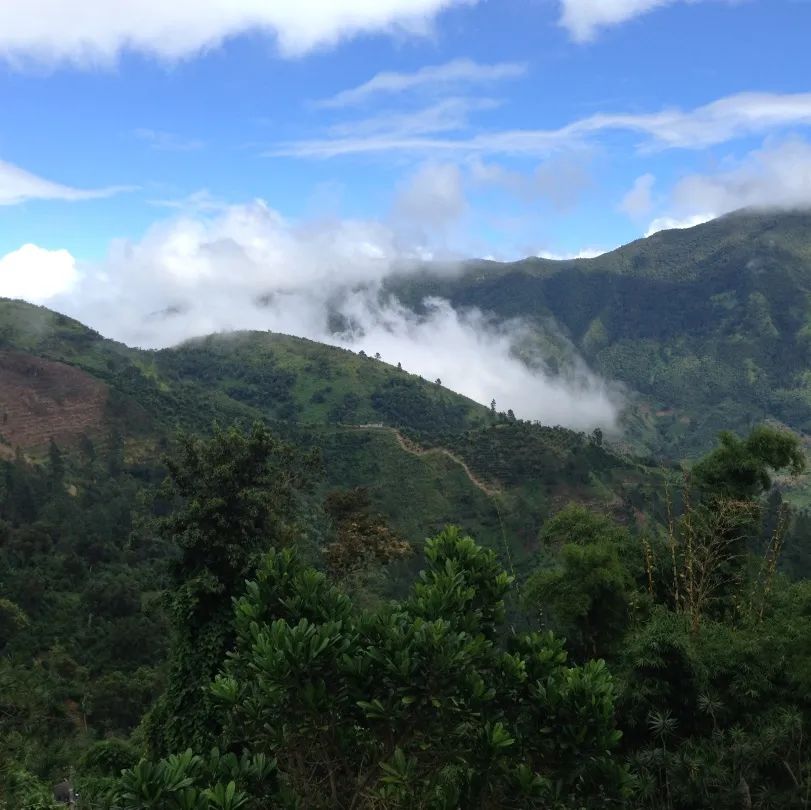
Geographical Conditions Jamaica is an island nation in the Caribbean Sea. The Blue Mountains within its territory are the highest mountain range in the western Caribbean, with a peak reaching 2,256 meters. The unique flavor of Blue Mountain coffee is inseparable from the geographical environment and climatic characteristics of its location.
The Blue Mountains lie within the coffee-growing belt at 25 degrees north latitude, with fertile new volcanic soil, clean and pollution-free air, abundant rainfall year-round, high humidity, and a marked temperature difference between day and night. The soil here is rich in nitrogen and phosphorus, providing superior conditions for coffee growth. Fertile volcanic soil, stable rainfall, and the mist and clouds lingering over the island that shield the coffee from the scorching sun—all these favorable factors combined are what created Blue Mountain coffee.
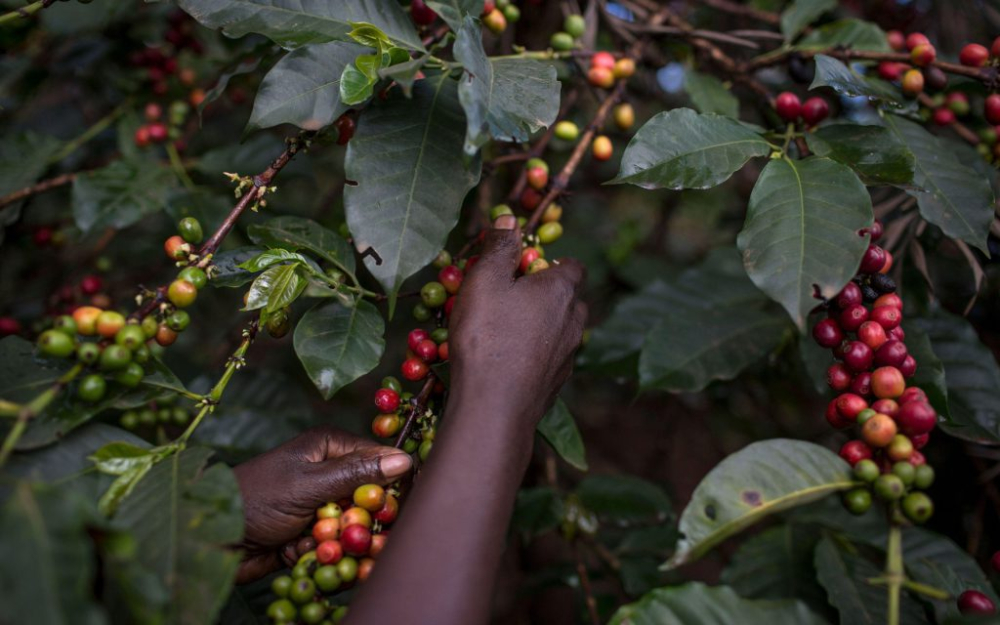
The harvest period for Jamaican Blue Mountain coffee usually lasts from June to November each year, with picking mainly done by hand. Because the coffee trees all grow on steep slopes, harvesting is extremely difficult and can hardly be completed without experienced local female workers. During picking, coffee cherries must be selected at just the right ripeness; underripe or overripe fruit will adversely affect coffee quality.
Planting History In 1725, Sir Nicholas Lawes, then Governor of Jamaica, introduced coffee trees from Haiti to Jamaica and conducted trial planting at his private estate, Temple Hall, in St. Andrew. After that, coffee trees were gradually extended to the more fertile Blue Mountain area, and large-scale cultivation began.
The Jamaica Blue Mountain range has unique soil and climatic conditions. In particular, the high-altitude areas are shrouded in mist and clouds year-round, creating an ideal ecological environment for coffee growth. With its outstanding quality and balanced taste and flavor, Blue Mountain coffee drove the rapid development of coffee cultivation into Jamaica's pillar industry and soon became another important cash crop after sugarcane and bananas.
By 1800, there were already 686 plantations in the Blue Mountain area alone, varying in size. By 1814, Jamaica's coffee export volume had climbed to 15,199 tons, making it one of the most important coffee-producing countries in the Western Hemisphere at the time.
After the slave trade was abolished in 1807, Jamaica's main labor force shifted to the Black population, and the source of labor for coffee plantations was completely cut off, causing production to decline year by year. In 1838, Black slaves in Jamaica gained full emancipation. Large numbers of Black slaves who had worked on coffee estates left and went to other plots in the Blue Mountains to cultivate wasteland, settling down and growing various crops to make a living.
By 1850, Jamaica's coffee plantations had plummeted from 686 to 186, and coffee exports had also sharply fallen to 1,486 tons. Over the following hundred years, the business model in the Blue Mountains underwent a fundamental change, gradually evolving from large plantations into smallholder farming. Disorderly cultivation brought disastrous consequences, and the export quality of Jamaican coffee continued to deteriorate. Eventually, in 1943, Canada, one of the largest importers of Jamaican coffee, was the first to announce that it would refuse Jamaican coffee, and the neighboring United States immediately stopped imports as well.
In 1944, the Central Washing Station was established. A.J. Wakefield, then Agricultural Inspector for the British West Indies, actively pushed the Jamaican government to form the Central Coffee Clearing House, stipulating that all exported coffee had to be uniformly purchased, processed, and graded by this institution before export.
The officially recognized authentic Blue Mountain coffee growing region in Jamaica covers four eastern administrative parishes: St. Andrew, St. Thomas, St. Mary, and Portland, which are exactly the foothill areas crossed by the Blue Mountains. The elevation range is between 1,000 and 1,700 meters, with a total area of only about 6,100 hectares. Only coffee planted within this region and at an elevation of 1,000 to 1,700 meters can be called authentic Blue Mountain. Even if grown in the above four administrative parishes, coffee at only 500 to 1,000 meters must be downgraded to Jamaica High Mountain coffee; coffee below 500 meters belongs to the lower grade Jamaica Prime coffee; and coffee produced on the other 1.21 hectares outside this region certainly cannot bear the Blue Mountain name. Jamaican authorities have strict regulations for Blue Mountain coffee, and at most only 25% of Jamaican coffee qualifies as Blue Mountain.
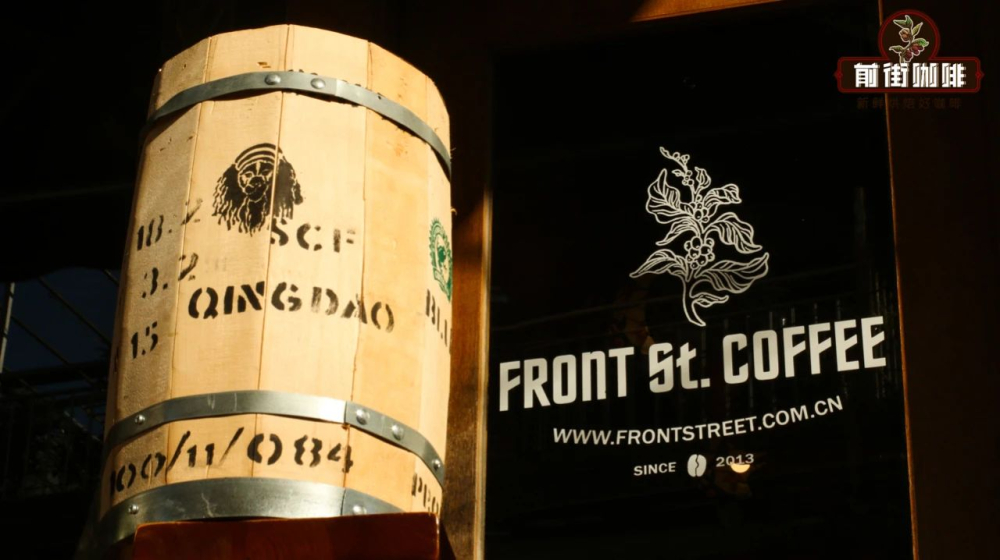
Blue Mountain coffee is the only origin so far that uses wooden barrels to pack green beans; all other coffee exports use burlap sacks.
Why did Japan once have priority purchasing rights? The Jamaican government established the Jamaica Coffee Industry Board in 1950 to set coffee quality standards and supervise their implementation in order to safeguard the quality of Jamaican coffee. The board issues special official seals for Jamaican exported green coffee and roasted coffee. Because Japanese loans helped improve production quality, the market was stabilized.
Jamaica is the only country in the world with a government-level coffee management agency—the Jamaica Coffee Industry Board (CIB for short), under Jamaica's Ministry of Agriculture and Fisheries. CIB's functions cover planting technical guidance, processing training, fair trade, quality supervision, and a series of other matters related to the quality and brand of Jamaican Blue Mountain. CIB's board members are all estate owners in Jamaica with plantations above a certain scale (due to industrial shifts, newly certified Jamaican Blue Mountain estates now require an area of more than 50 hectares).
Coffee Grading Coffee from Jamaica's Blue Mountain region is divided into three grades: Blue Mountain Coffee, Jamaica High Mountain Supreme Coffee Beans, and Jamaica Prime Coffee Beans.
Among them, Blue Mountain coffee and High Mountain coffee are each further divided into two levels. From highest to lowest quality, they are: Blue Mountain No. 1, Blue Mountain No. 2, High Mountain No. 1, High Mountain No. 2, and Jamaica coffee.
In terms of quality from high to low, they are: NO.1, NO.2, NO.3, and PB, with PB meaning peaberry. According to CIB standards, the basic requirements for NO.1 Blue Mountain green beans are beans of 17 screen size or above, a defect rate below 3%, and a moisture content of about 13%.
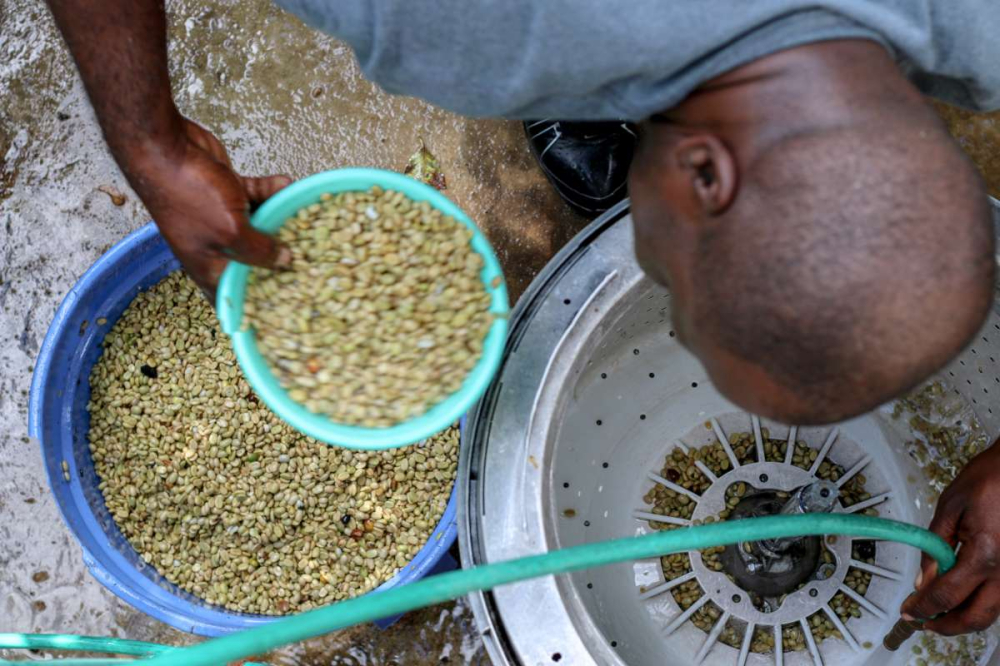
Processing Method Before this year, Blue Mountain had only one processing method: washed. The peel, pulp, and mucilage are removed through washing and fermentation. Farms using the washed method must build washing tanks and be able to introduce a continuous flow of fresh water. During processing, the peel and pulp are first removed, then the beans are fermented for 12 to 18 hours. After fermentation, the beans are placed in a tank and moved back and forth, using friction between the beans and the force of running water to wash the coffee beans until they are smooth and clean. After washing, the coffee beans are still wrapped in parchment and have a moisture content of about 50%. They must be sun-dried to reduce the moisture content to 12% to 14%, otherwise they will continue to ferment and become moldy and spoiled. The coffee beans are then sorted and stored in dedicated warehouse bins. These steps must be strictly controlled, otherwise coffee quality will be affected.
The reason it was said earlier that Blue Mountain had only the washed processing method before this year is that not long from now, Front Street Coffee will introduce a batch of naturally processed Blue Mountain coffee.
Typica Typica has bronze-colored top leaves, oval or slender-pointed beans, a tall tree body, and slightly sloping branches at an angle of about 50 to 70 degrees. Its flavor is elegant, but the plant is relatively weak, has poor disease resistance, and produces very low yields per tree with few cherries.
The Typica variety has a notable feature at the leaf tip: it is copper-red, which is why it is also called red-top coffee. The opposite leaves of the coffee tree are oblong, with smooth surfaces, longer terminal branches, and fewer branches. The flowers are white and bloom at the base where the leaf stalk connects to the branch. Ripe coffee cherries resemble cherries in shape and are bright red.
Clifton Farm The planted area in the Blue Mountain region is only 6,000 hectares, so it is impossible for all coffee labeled "Blue Mountain" to come from there. Today, Clifton Farm is the largest estate in the region, yet by international standards it still counts as small-scale cultivation. Many of the estate owners are small landholders whose families have worked this land for two centuries.
Clifton Mountain is an ancient coffee-producing area in Jamaica that is still in normal operation today, and in Jamaica, only Clifton Farm bears the "Rainforest Alliance" mark. This mark can only be certified if it meets the standards of a sustainable agricultural system, and its wooden barrels are printed with the Rainforest Alliance certification logo.
As early as the mid-eighteenth century (around 1750), Clifton Farm had already begun cultivating and producing coffee. Its coffee cultivation and processing areas are located at an average elevation of 4,300 feet (about 1,310.64 meters). The ample elevation, mild afternoon mist and cloud cover shading the mountain forests, abundant sunlight, and mineral-rich planting soil provide good growing conditions for coffee trees and also prolong the ripening time of the coffee cherries.
Brewing Parameters Front Street Coffee recommends the following brewing parameters: 15 grams of coffee grounds, KONO dripper, 1:15 coffee-to-water ratio, BG#6W grind size, and 86°C water temperature. Brewing Method Front Street Coffee uses staged extraction: first bloom with 30 grams of water for 30 seconds, then pour in a thin stream at the center up to 125 grams for the first stage. When the water level drops and is about to expose the coffee bed, continue pouring to 225 grams and stop. When the water level drops and is about to expose the coffee bed, remove the dripper. The extraction time is 2 minutes.
Flavor Description Dark chocolate, nuts, cream, balanced acidity, sweetness, and bitterness
How to Tell Real Blue Mountain from Fake Blue Mountain coffee holds an extremely high status in the coffee world, so a large amount of counterfeit Blue Mountain-style coffee has appeared on the market. You may have drunk Blue Mountain coffee, but true Blue Mountain coffee is actually very hard to identify.
1. Appearance: Blue Mountain green beans are bluish-green, neat in appearance, medium to small in size, with slightly raised ends, and they expand noticeably after roasting, becoming very plump. 2. Grinding: Real Blue Mountain coffee beans grow at high altitude, and their cell structure is relatively loose. When hand-grinding, they feel crisp and continuous, without a sense of resistance. 3. Aroma: The aroma is very rich and dense; so-called blended Blue Mountain coffee does not have this aroma. 4. Taste: Real Blue Mountain coffee has a balanced, rich mouthfeel, with no single flavor standing out or missing. This is also something no other coffee bean can match, and it is the most crucial point for identification.
You can also identify whether it is real Blue Mountain through the following three points: (the export company designated by the national coffee board), (the only origin that packs green beans in wooden barrels), and (the frog Rainforest Alliance certification on the barrel lid).
For more specialty coffee beans, please add the private WeChat of Front Street Coffee, WeChat ID: kaixinguoguo0925
The above content is compiled by CoffeeHunters, a coffee news website.


