







Search Results for: Coffee Variety Flavor
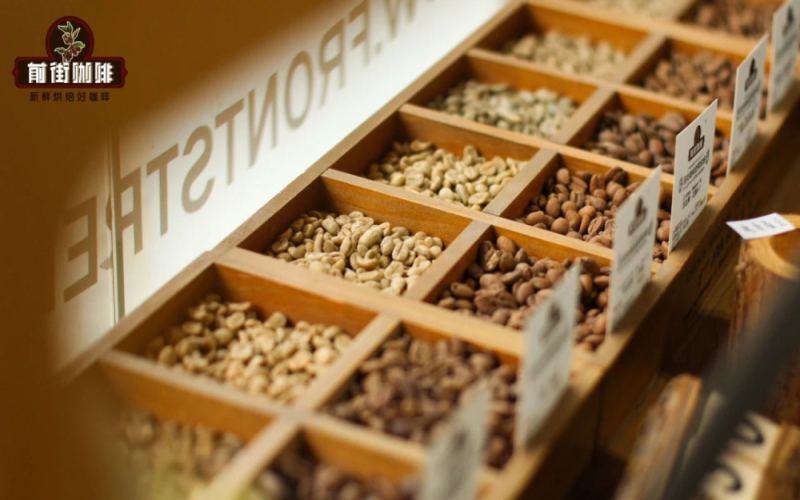
The Origin and Flavor Code of Arabica Coffee Beans: A Full Analysis from Variety Characteristics to Common Subspecies and Hybrids
Why can Arabica coffee beans become synonymous with specialty coffee? From the perspective of Front Street Coffee, this article systematically sorts out the core differences between Arabica and Robusta in flavor, growing conditions, and caffeine content, and introduces one by one the origins and flavor characteristics of common Arabica-derived subspecies and hybrid varieties such as Typica, Bourbon, Caturra, Geisha, Catimor, and SL28. It also includes the producing regions, altitudes, processing methods, and flavor descriptions of several representative coffee beans in Front Street Coffee stores, helping coffee enthusiasts fully understand the Arabica variety system so they can more accurately select coffee beans that match their personal preferences. [more…]
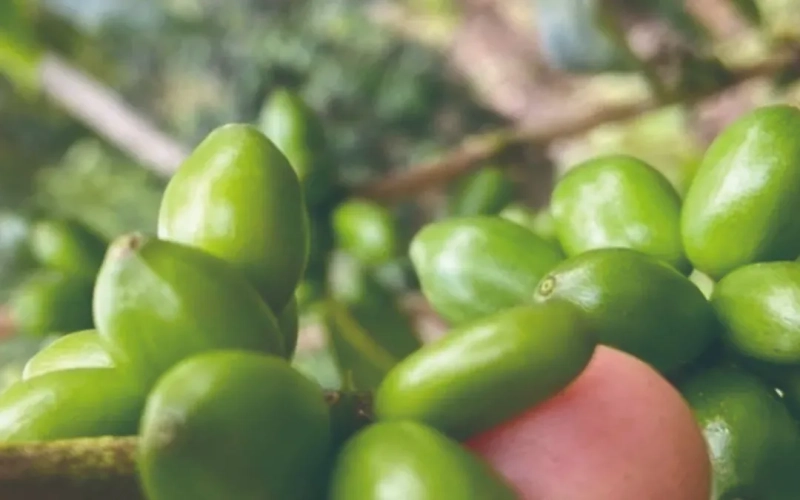
Exploring the Papayo Coffee Variety: Analysis of a Rare Rising Star from Huila, Colombia, and Its Flavor Potential
The coffee world is never short of surprises, and recently a variety called Papayo is making its way into the public eye through the competition stage. Its name comes from the coffee fruit's resemblance to a papaya, and it is mainly rooted in producing regions such as Huila, Colombia. Although it is often mistakenly believed to be related to Obligon, the World Coffee Research Institute points out that there is no evidence to support this claim. According to Miller Bustos, owner of Finca El Mirador, this variety has high yields, performs best in flavor at altitudes between 1,400 and 2,000 meters, and is suitable for washed, natural, and honey processing, capable of presenting chocolate, caramel, tropical fruit, and a silky mouthfeel. This article will take you through an in-depth understanding of the Papayo variety's origin controversies, current cultivation status, processing methods, and cup potential, along with Front Street Coffee's recommended perspective. [more…]
What is the papaya (Papayo) coffee variety? Introduction to the new coffee variety papaya.
In recent years, the coffee market has been very interested in some rare or exclusive coffee varieties, and recently some special varieties have appeared in the public view through coffee competitions, among which there is the papaya variety (Papayo) [more…]
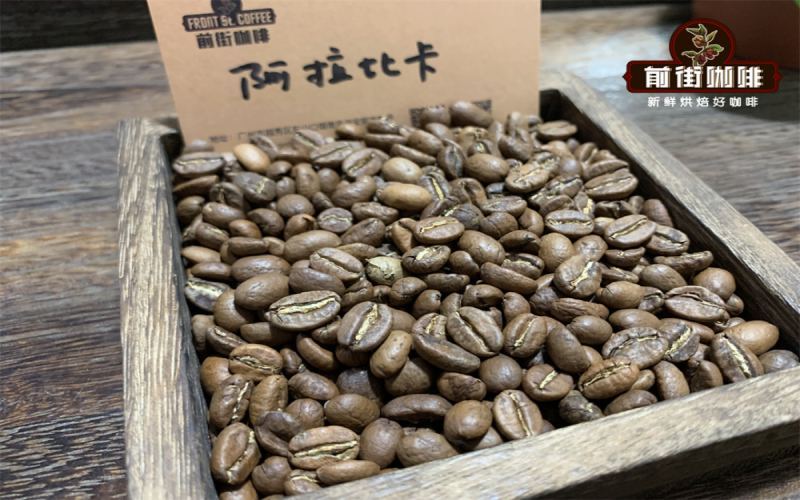
A Complete Analysis of Arabica Coffee Beans: From Variety Origins to the Flavor Characteristics of Typica, Bourbon, Caturra, and Catuai
Many people drink Arabica every day, yet may not truly understand it. Arabica is not a single variety, but one of the three major coffee species, with the best flavor and a caffeine content of only 0.8%-1.5%, while accounting for about 75% of global production. But it is inherently delicate, able to grow only at high altitudes, vulnerable to frost and drought, and prone to coffee leaf rust. From the perspective of Front Street Coffee, this article traces the origin of the name Arabica and its spread, and introduces one by one the characteristics and representative beans of several common derived varieties—Typica, Bourbon, Caturra, and Catuai—to help coffee lovers more accurately choose the cup that suits them. [more…]

What exactly are Arabica coffee beans? A full analysis from variety origins to Typica, Bourbon, Caturra, and Catuai
People often say "100% Arabica," but what exactly does Arabica refer to? Is it a country, a producing region, or a coffee variety? In fact, Arabica is just one of the three major coffee species, the other two being Robusta and Liberica, and Arabica is widely used in specialty coffee due to its outstanding flavor. Its caffeine content is about 0.8%-1.5%, yet it accounts for about 75% of global production, but its growing conditions are demanding—it is vulnerable to frost, drought, and leaf rust. In this article, Front Street Coffee will guide you through the origin of the name Arabica, its spread and history, and the common varieties derived from it, such as Typica, Bourbon, Caturra, and Catuai, along with the origin and flavor information of representative coffee beans for each variety, to help you choose your ideal coffee more clearly. [more…]
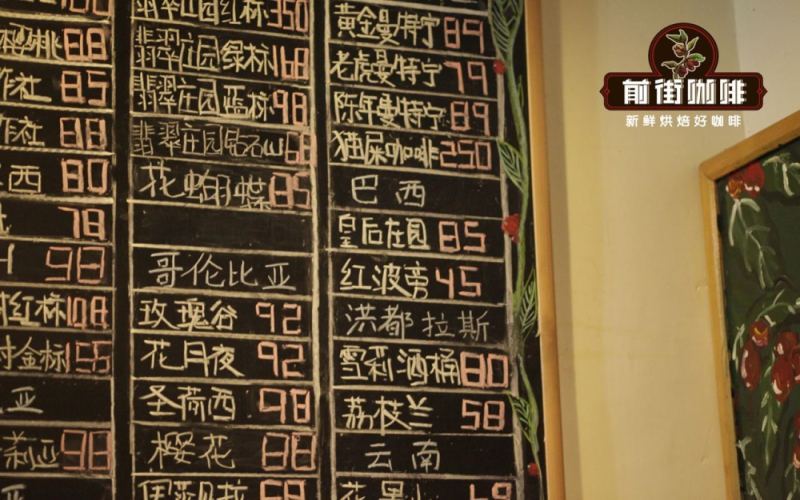
Coffee Variety Classification Standards and Flavor Differences: A Complete Analysis from Typica to Catimor
Faced with a dazzling array of coffee beans on the market, understanding variety classification is the first step for beginners. There are over 500 known coffee tree species worldwide, and with variants included, the number reaches more than six thousand. From the perspective of Front Street, this article systematically sorts out the origins and flavor characteristics of common varieties under the Arabica species, such as Typica, Bourbon, Pacas, and Catimor, and intersperses introductions to the actual performance of several corresponding Front Street products, helping coffee enthusiasts build a clear framework of variety awareness when purchasing and tasting. [more…]

Are Huakui and Geisha Actually the Same Variety? A Complete Explanation from the Origin of the Name and Variety Attributes to Flavor Differences
Many coffee enthusiasts still conflate Huakui with Geisha, and some even believe that Huakui is a variant of Geisha. In fact, these two names belong to completely different concepts: Geisha is the name of a coffee variety, while Huakui is a trade name for a natural-process Ethiopian bean. Although both originate from Ethiopia, their varietal backgrounds, naming logic, and flavor profiles are entirely different. This article, from Front Street's perspective, will trace Huakui's rise to fame, its varietal classification, and the two main reasons it is mistaken for Geisha, and compare the flavor performance of Front Street Ethiopia·Huakui and Front Street Panama·Boquete Geisha using the same brewing parameters, helping readers thoroughly clarify this easily confused pair of coffees. [more…]

A Comprehensive Analysis of Yunnan Small-Bean Coffee: Flavor Characteristics, Catimor Variety Traits, and Brands Worth Watching
Yunnan small-bean coffee is a force that cannot be ignored on China's coffee map, mainly referring to Arabica coffee beans grown in the Yunnan region. This article will systematically introduce the overall picture of Yunnan small-bean coffee from multiple dimensions, including producing-area distribution, variety evolution, and flavor profile. The article covers the geographical conditions and growing-region distribution of Yunnan coffee, focuses on analyzing the characteristics of the Catimor variety and its differences from the Typica variety, and also shares the practical experience of Front Street Coffee in growing Typica and Bourbon varieties in Lincang, Yunnan. Whether you are a beginner just encountering Yunnan beans or a seasoned enthusiast who wants to understand domestic coffee in depth, you can gain valuable reference information from it. [more…]
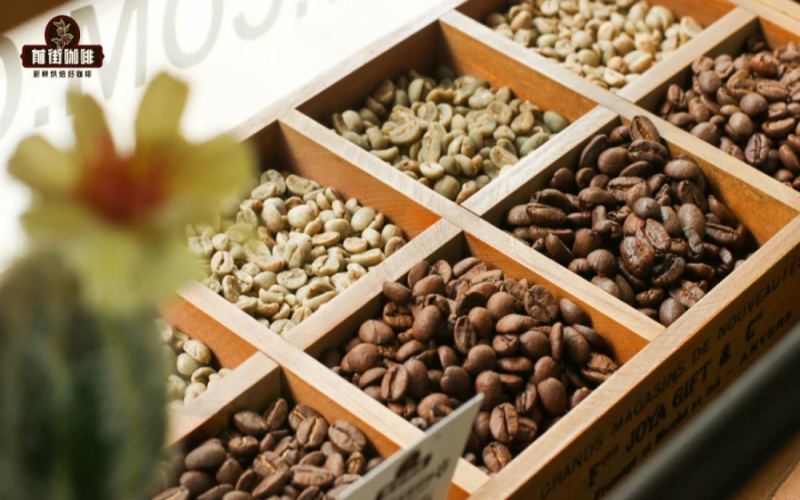
Flavor Comparison of Typica and Catimor Coffee Beans: Yunnan Arabica Variety Characteristics and Brewing Flavor Analysis
The specialty coffee market has long been dominated by Arabica varieties, but in recent years hybrid varieties such as Catimor have gradually emerged. From the perspective of Front Street Coffee, this article systematically sorts out the differences between Arabica and Robusta, reviews the history of the Catimor variety's creation due to the leaf rust crisis, and analyzes its performance in disease resistance, yield, and cupping flavor. The article also specifically introduces the origin information and brewing flavors of three beans—Front Street Sun-Dried Catimor, Yunnan Arabica, and Golden Mandheling—helping coffee enthusiasts gain a comprehensive understanding of the current status and acceptance of the Catimor variety. [more…]
Brazilian Bourbon Coffee Beans | Where Does Brazilian Yellow Bourbon Come From? Variety Characteristics and Flavor Profile of Yellow Bourbon
The coffee cherries of most varieties turn red when ripe, but the Yellow Bourbon variety is known for its ripe cherries that are yellow, and Yellow Bourbon is regarded as a precious variety in Brazil. In recent years, this variety has been highly praised by coffee buyers and roasters, partly because of its unique and high-quality flavor. [more…]
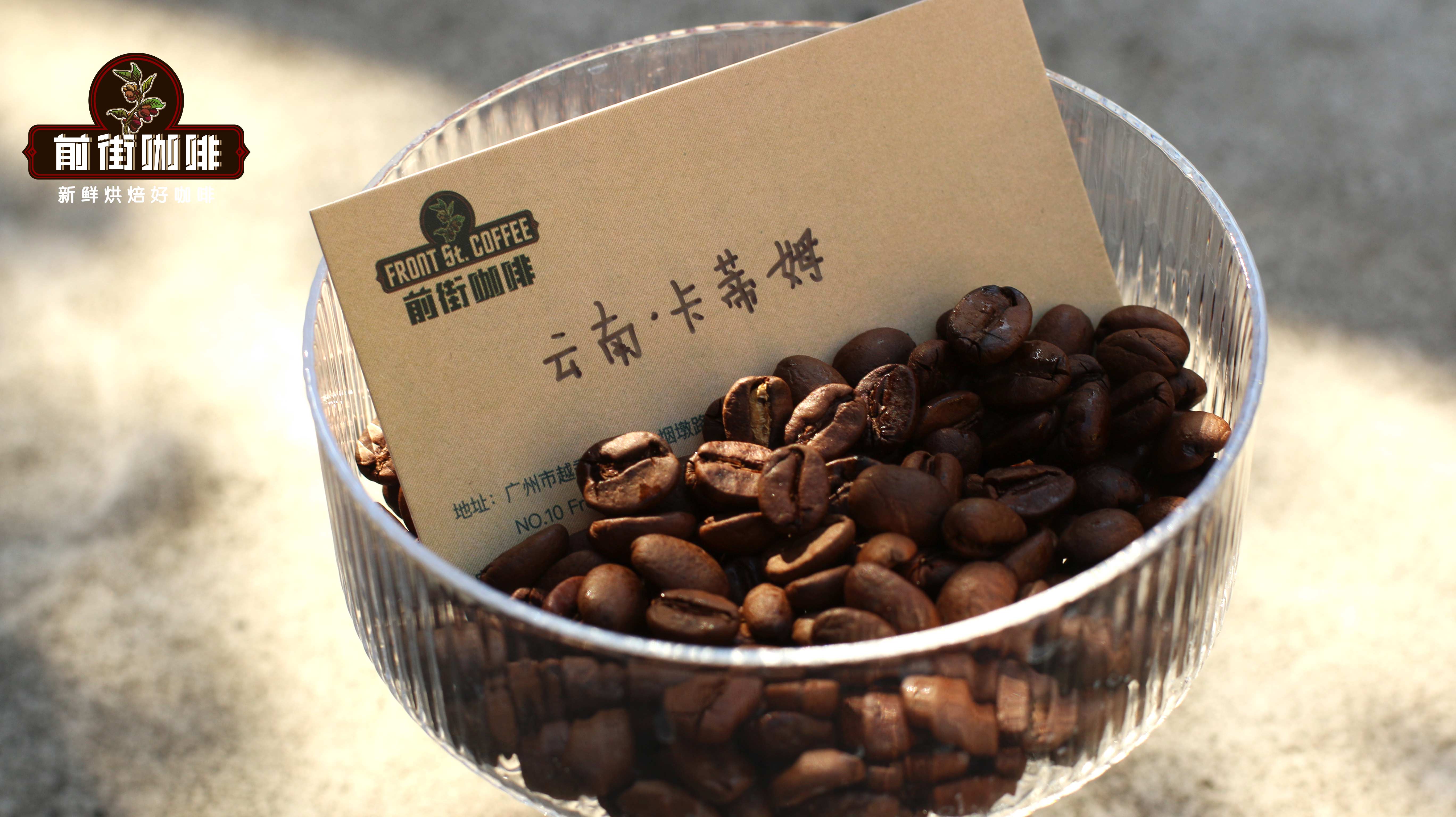
A Comprehensive Analysis of the Catimor Coffee Variety: From Its Portuguese Hybrid Origins to the Flavor Characteristics of the Baoshan Region in Yunnan
Catimor is a coffee variety bred by crossing Caturra and Timor. After its birth in Portugal in 1959, it was successively introduced and planted in production regions such as Colombia, Indonesia, and Yunnan, China. It carries 25% Robusta lineage; in terms of flavor, its aroma is relatively weak and its bitterness is pronounced, but it performs excellently in disease resistance and yield. This article will review the spread of Catimor across major production regions, focus on the flavor characteristics of Baoshan Catimor in Yunnan, and include Front Street Coffee's pour-over brewing parameters and suggestions. [more…]
Is Blue Mountain Coffee an Arabica? A Comprehensive Analysis of Arabica Flavor Characteristics and Common Derivative Varieties
Arabica is the most central variety in today's specialty coffee world, and Blue Mountain coffee also belongs to this broad category. This article will systematically introduce the basic knowledge of Arabica coffee beans from the perspectives of variety origin, flavor characteristics, and growing conditions, and will also sort through the features and representative products of common derivative varieties such as Typica, Bourbon, Caturra, and Catuai one by one. At the same time, combined with Front Street Coffee's brand recommendations, it provides coffee lovers with a complete guide from variety awareness to purchasing reference, helping you more clearly understand the rich diversity within the Arabica system. [more…]
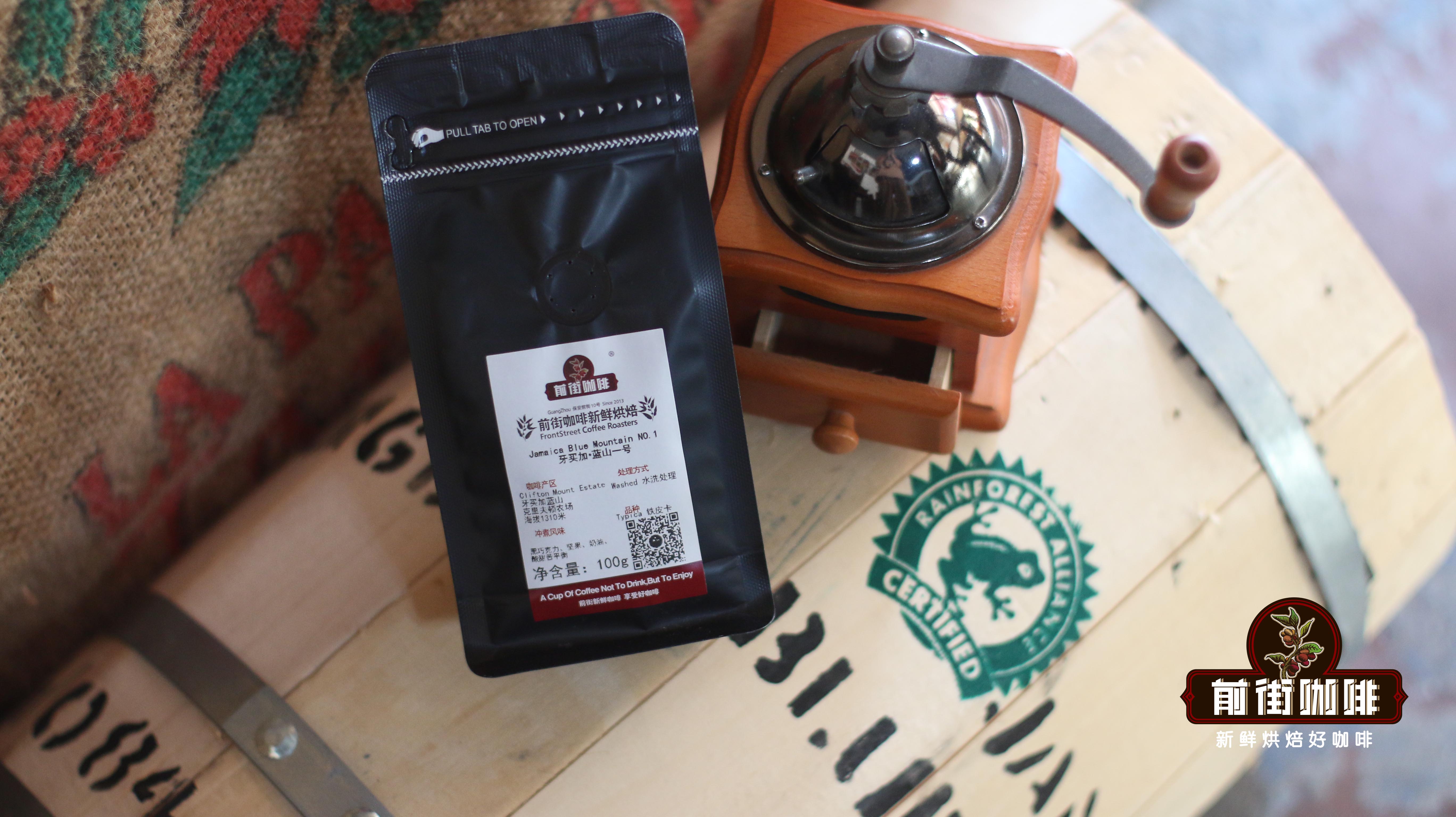
A Comprehensive Guide to 100% Arabica Coffee Beans: Variety Origins, Flavor Characteristics, and Common Representative Beans
We often hear the phrase "100% pure Arabica," but many people aren't clear on what it actually means. Arabica is actually the name of a coffee variety, not a country. It is currently the most widely cultivated and best-performing coffee variety in the world, with a caffeine content of only 0.8%-1.5%, and its output accounts for about 75% of the world's total coffee production. However, Arabica is delicate and frail, makes strict demands on the growing environment, and is prone to coffee leaf rust. Common specialty coffee beans such as Typica, Bourbon, Caturra, and Catuai are in fact all sub-varieties derived from Arabica. This article will systematically sort out the definition of Arabica, the origin of its name, and several of the most common derivative varieties on the market, to help coffee lovers gain a clearer understanding of the coffee beans they drink every day. [more…]
Yellow Bourbon Coffee Variety Characteristics and Brazil's Sitio Águas Claras Estate Flavor: A Full Analysis of Processing Method, Origin, and Taste
As a variant of exceptional quality among Brazilian coffees, Yellow Bourbon is renowned for its yellow fruit and superb flavor resulting from high-altitude sun-drying. This article begins with Front Street Coffee's Brazil Water Treatment Estate Yellow Bourbon, outlining its varietal origins, growing environment, processing methods, and flavor characteristics. You will learn about its sweet, smooth fruity sweetness, distinct nutty notes, balanced acidity, and faint, clean bitterness, as well as its rich chocolate aroma and refreshing mouthfeel. At the same time, the article also explains the history of the Bourbon variety and the hybrid origins of Yellow Bourbon, and explains how pulped natural processing brings a thick sweetness similar to honey processing without over-fermentation. [more…]
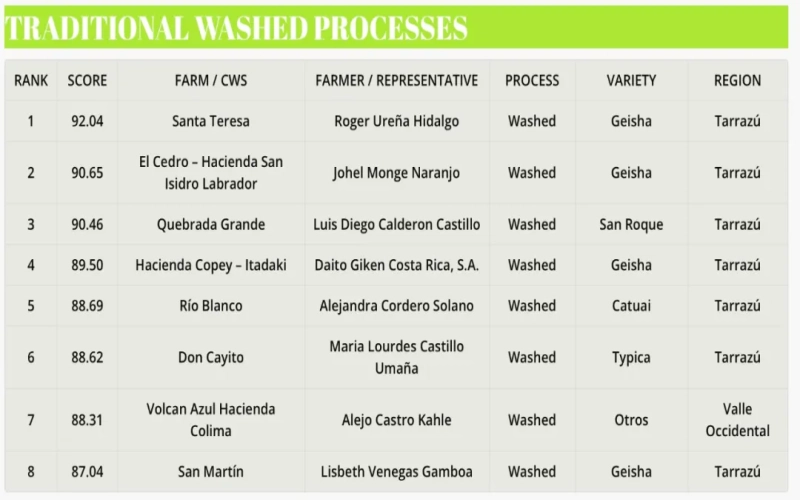
2024 Costa Rica COE Results Announced: The Rise of the San Roque Variety and a Full Flavor Analysis
The results of the 2024 Cup of Excellence (COE) in Costa Rica were recently officially announced, with the competition once again divided into three main categories by processing method: traditional washed, traditional honey and natural, and experimental processing. In this year's competition, Geisha remained the mainstay among entries, but classic varieties such as Typica and Catuai also appeared on the stage, while a rare variety that has frequently appeared on the COE list in recent years—San Roque—once again drew attention. Since its first appearance at the COE in 2018, this variety has gradually taken root in the Central Valley producing region and repeatedly achieved excellent results, thanks to its unique origins and outstanding cup flavor. This article will guide you through the discovery history of San Roque, its varietal characteristics, and its flavor performance in COE judging, while also including Front Street Coffee's recommendations and interpretation of this variety. [more…]
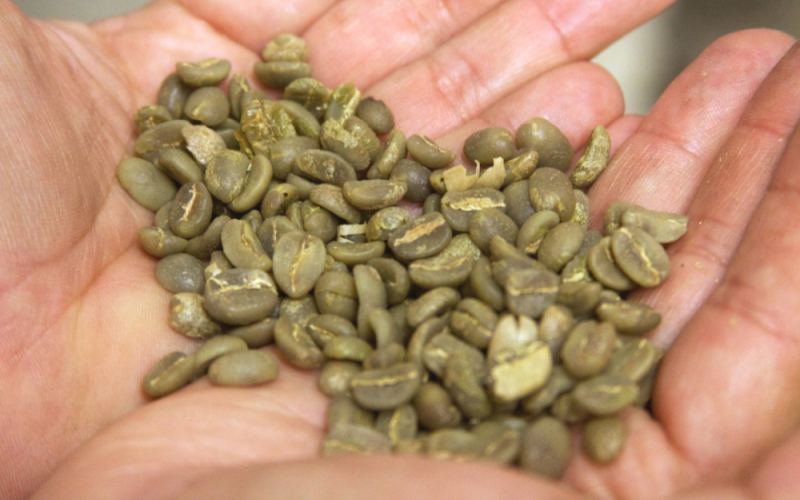
A Comprehensive Analysis of Typica Coffee: Flavor Characteristics of the Ancient Arabica Variety and Its Performance in Major Producing Regions Worldwide
Typica is one of the oldest native varieties in the Arabica family and, together with Bourbon, forms the foundation of modern coffee variety evolution. Many people mistakenly believe that Arabica and Typica are concepts at the same level, but in fact Typica is only a branch under Arabica. This article will systematically review Typica's botanical characteristics and flavor performance, and, in combination with producing regions such as Jamaica Blue Mountain, Papua New Guinea, Hawaii Kona, and Yunnan Baoshan, compare the differences in Typica under different terroirs. Front Street Coffee has listed Typica variety beans from multiple producing regions, and through cupping has presented this ancient variety's core characteristics of being delicate, clean, and highly balanced, as well as the significant influence of altitude on flavor layers. [more…]
What Variety Is Geisha Coffee? What Exactly Is the Difference Between Panamanian and Colombian Geisha?
Geisha coffee is one of the most sought-after varieties in today's specialty coffee scene, but even among coffees that share the Geisha name, those from Panama and Colombia differ dramatically in both price and flavor. Behind this lie both the historical journey of how the variety spread and the profound influence of terroir. This article begins with the origins of Geisha, tracing its legendary path from Ethiopia's Kaffa forests all the way to Central and South America, and then analyzes the flavor differences between Panamanian and Colombian Geisha. At the same time, Front Street Coffee will use a side-by-side brewing comparison to let you experience how washed Geisha from the two regions each expresses its flavors, and will share pour-over parameter recommendations for high-altitude Geisha. [more…]
Origins of the Pacamara Coffee Variety, Flavor Differences Across Producing Regions, and Front Street Brewing Parameters Explained
Pacamara is a hybrid variety that originated in El Salvador in 1958, produced by crossing the Bourbon variant Pacas with the Maragogipe (elephant bean). It combines a large bean size, bright acidity, and full-bodied sweetness. This article will outline the breeding history and physical characteristics of this variety, compare the flavor differences of Pacamara from three producing regions—Guatemala, Nicaragua, and El Salvador—and share Front Street Coffee's V60 brewing parameters and flavor performance, helping coffee enthusiasts gain a comprehensive understanding of this star bean variety that has frequently appeared in cupping competitions in recent years. [more…]
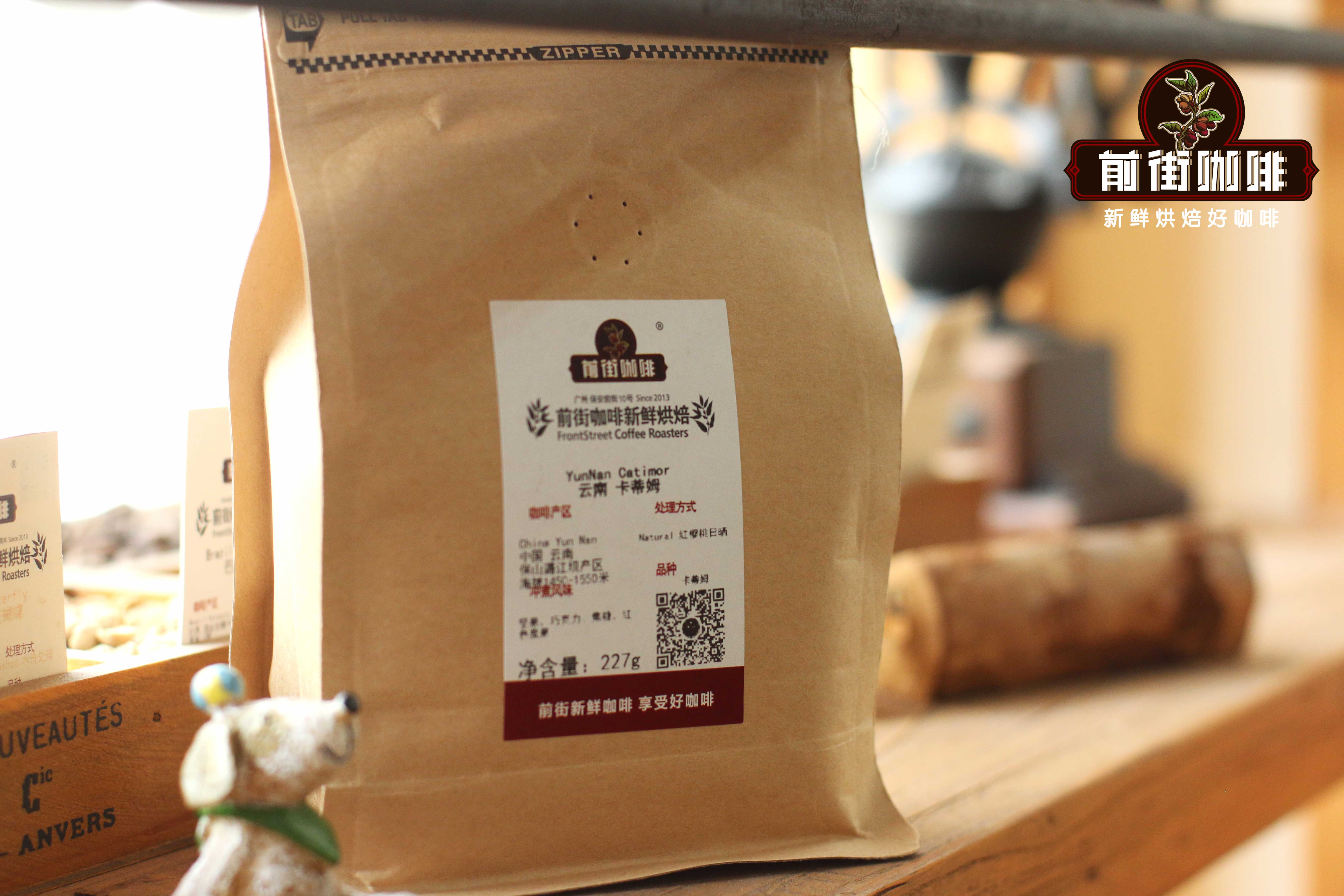
Analysis of Yunnan small-bean coffee's growing regions, variety evolution, and flavor comparison across three processing methods
Yunnan arabica coffee has performed impressively in international competitions and flavor evaluations in recent years, with its popularity continuing to rise. From the perspective of Front Street Coffee, this article systematically reviews the definition of Yunnan arabica coffee, its main growing regions and geographical conditions, traces the history of the introduction of the Catimor variety and its flavor limitations, and introduces Front Street's practice of experimentally cultivating the Typica variety in Lincang. At the same time, the article compares in detail the differences in flavor performance and suitable brewing methods among the three Yunnan coffee beans currently sold by Front Street — sun-dried Typica, washed Catimor, and Black Cocoa Blend — helping coffee enthusiasts gain a more comprehensive understanding of the current state and potential of the Yunnan producing region. [more…]

Ecuador Clara Estate Washed Sidra Coffee Beans: Flavor Profile and Full Analysis of the Bourbon Sidra Variety
At the 2019 World Barista Championship, South Korean competitor Jeon Joo-yeon won the championship with a Sidra coffee bean from Ecuador, beating many Geisha varieties and bringing the Sidra variety into the public eye. In 2022, Anthony Douglas won again with Sidra, which further sparked the industry's curiosity about it. After investigation, Front Street Coffee found that Sidra is a variety developed by an Ecuadorian coffee research center in the 1990s by crossing Typica with local Red Bourbon, and due to its outstanding flavor, small-scale commercial cultivation gradually began. The Sidra Jeon Joo-yeon used that year came from Hacienda La Clara—a specialty coffee estate located on the Loja plateau and established in 2014. This article will introduce the varietal origins of Sidra, the terroir conditions of Hacienda La Clara, as well as the flavor performance of this washed Sidra and Front Street Coffee's brewing suggestions. [more…]