







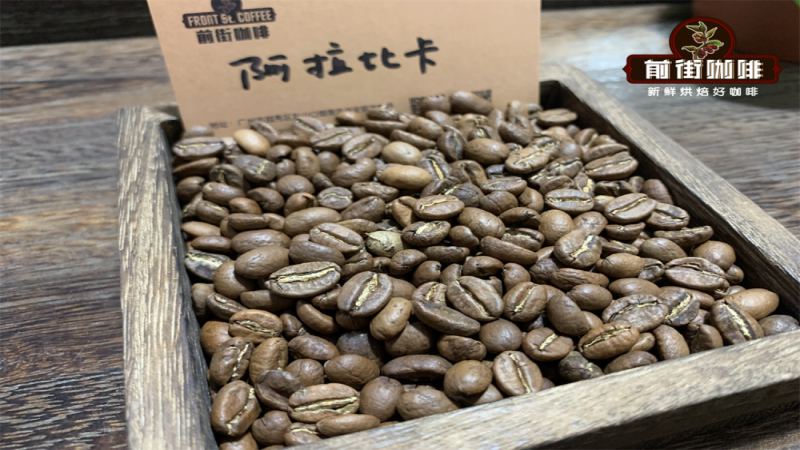
Which Coffee Varieties Fall Under the Arabica Bean Family?
Blue Mountain coffee is an Arabica, and so are the many named varieties sold in specialty shops. Arabica is one of three main coffee species alongside Robusta and Liberica, and it accounts for roughly 75 percent of global production. Its caffeine content runs about 0.8 to 1.5 percent, lower than Robusta.
Typica, Bourbon, Caturra, and Catuai are all secondary varieties derived from the Arabica bean line, which is why a bag labeled 100 percent Arabica usually signals higher quality. The species is delicate: it prefers high altitudes, cannot handle frost, and has limited drought resistance, so leaf rust disease has pushed breeders toward Arabica-Robusta hybrids.
Arabica is the most central variety in today's specialty coffee scene, and Blue Mountain coffee also belongs to this broad category. This article will systematically introduce the basic knowledge of Arabica coffee beans from the perspectives of variety origin, flavor characteristics, and growing conditions, and will also sort through the features and representative products of common derived varieties such as Typica, Bourbon, Caturra, and Catuai one by one. At the same time, combined with Front Street Coffee's brand recommendations, it provides coffee lovers with a complete guide from variety awareness to purchasing reference, helping you more clearly understand the rich diversity within the Arabica system.
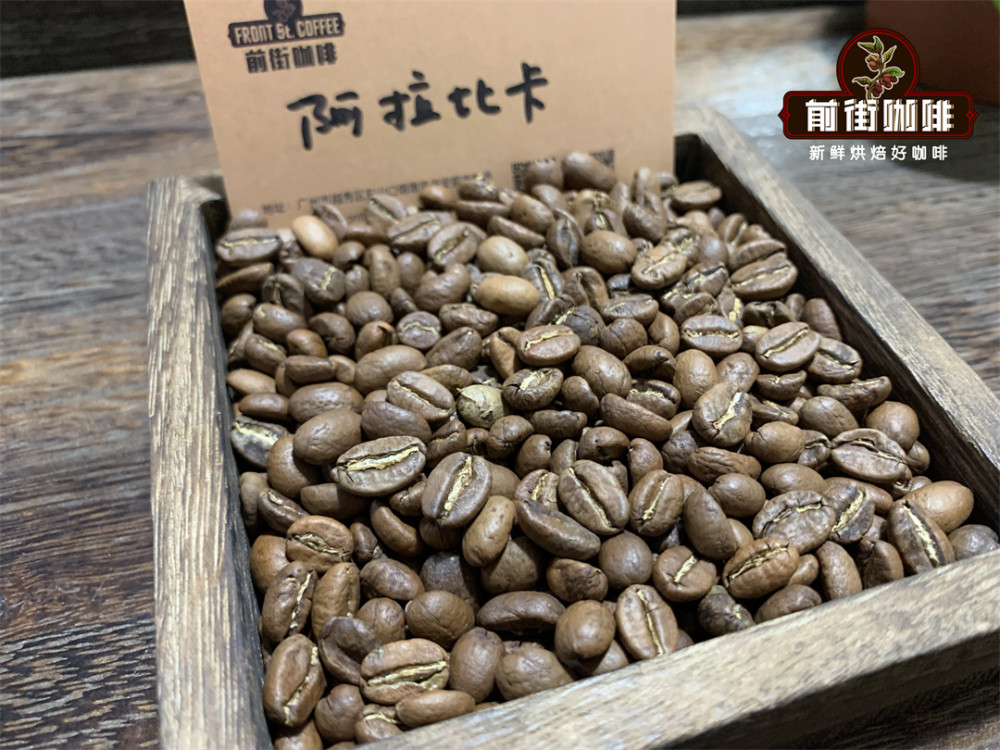
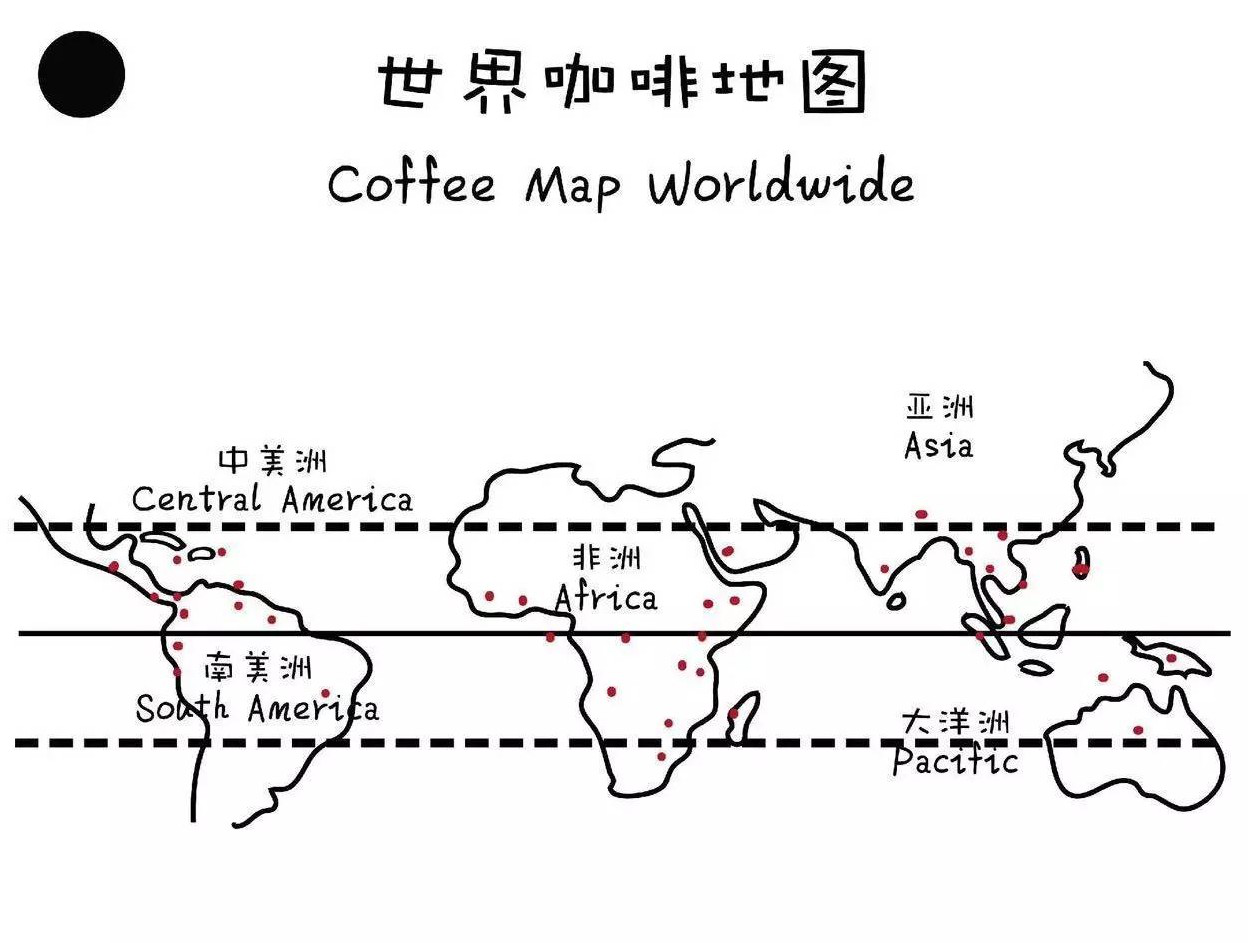
Arabica, that is, Arabica, belongs to an independent variety category in coffee classification. According to Front Street Coffee, global coffee is mainly divided into three major varieties: Arabica, Robusta, and Liberica. Among these three, Arabica has the most outstanding flavor performance and is therefore widely used in the production of specialty coffee. Its caffeine content is relatively low, at about 0.8% to 1.5%. At present, Arabica is also the most widely grown coffee variety in the world, with large-scale production in Central and South America, Africa, and Asia.
Because it has the best flavor among the three major varieties, Arabica accounts for about 75% of total global coffee production, followed by Robusta at about 20%, while Liberica accounts for only about 2%.
Although Arabica seems to have many advantages, it is actually quite delicate and usually can only grow at high altitudes. Although it can endure a certain degree of low temperature, it cannot withstand frost, and its drought resistance is also limited, making it susceptible to pests and diseases. For example, coffee tree "rust disease" once caused heavy losses for many coffee farmers, which also prompted the later development of hybrid varieties between Arabica and Robusta. In addition, Arabica is only a general term. The coffee varieties commonly seen in Front Street Coffee (FrontStreet Coffee) stores are actually all secondary varieties derived from Arabica, such as Typica, Bourbon, Caturra, and others, all of which belong to the authentic Arabica family.
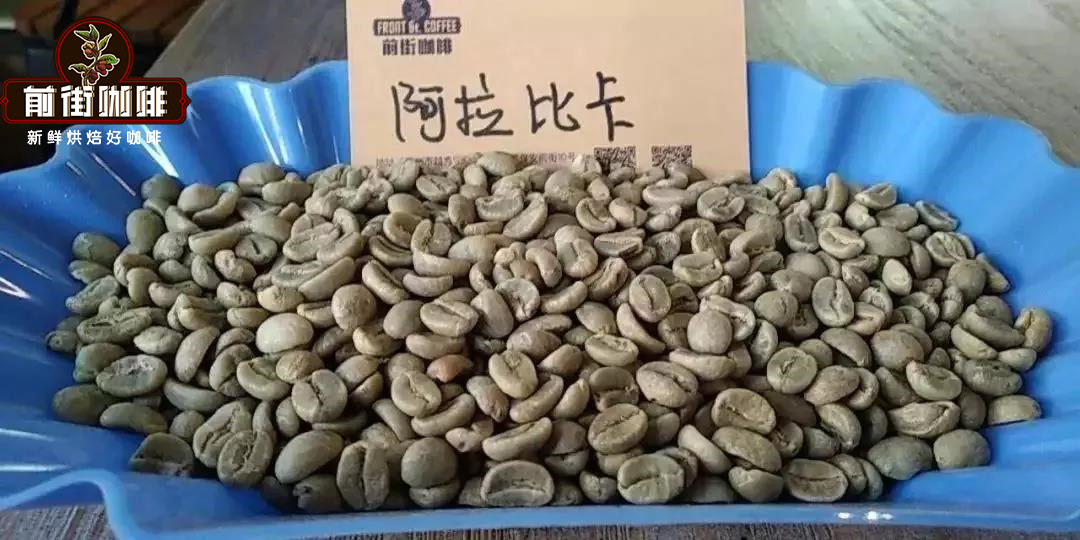
The so-called 100% pure Arabica coffee beans usually also represent high-quality coffee beans and are synonymous with specialty coffee. This is because only coffee beans from Arabica-derived varieties can score 80 points or above in cupping, while Robusta varieties are far from reaching this level.
So how did the name Arabica come about?
The name Arabica coffee bean originates from the Arab world. Anyone familiar with coffee history knows that coffee's place of origin is Africa. Local tribes first chewed coffee leaves to stay alert, and later, after research by Arab scholars, the seeds were roasted and made into a beverage. For religious reasons, coffee once replaced alcoholic beverages that were prohibited, and thus became widely popular in the Arab world. This is also the origin of the name "Arabica."
After that, coffee spread from the Arab world to Europe through the Ottoman Empire, and then further to the New World of the Americas, continuously spreading along the routes of trade and colonial expansion. Therefore, Western countries generally believe that coffee came from the Arab world, and over time, this type of coffee bean came to be collectively called Arabica coffee beans.
The above is the related knowledge about Arabica coffee beans compiled by Front Street Coffee (FrontStreet Coffee). So what are the common Arabica-derived varieties currently on the market? And which coffee bean brands among them are relatively famous? Below, Front Street Coffee (FrontStreet Coffee) will introduce several of the most common Arabica variety coffee beans on the market.
Typica
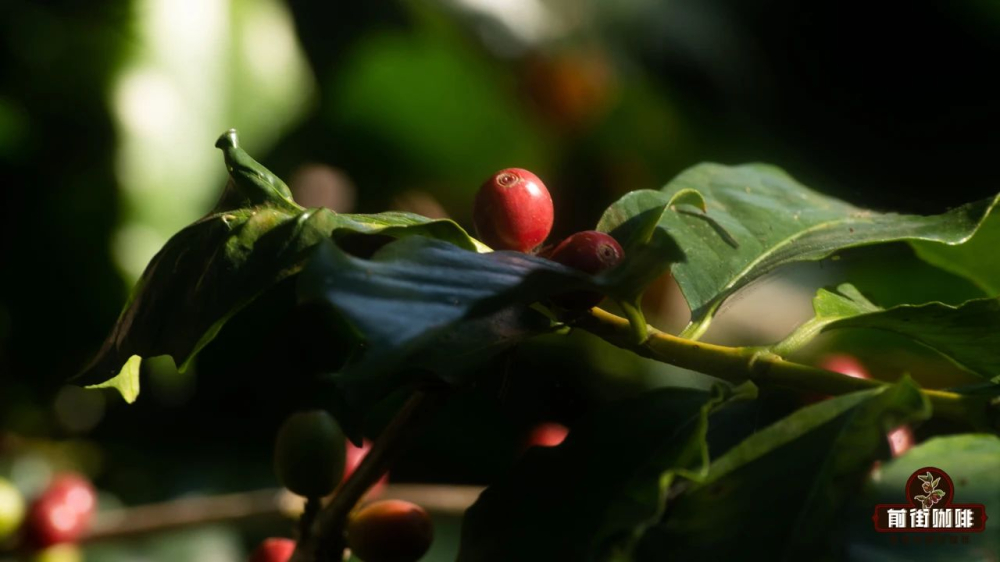
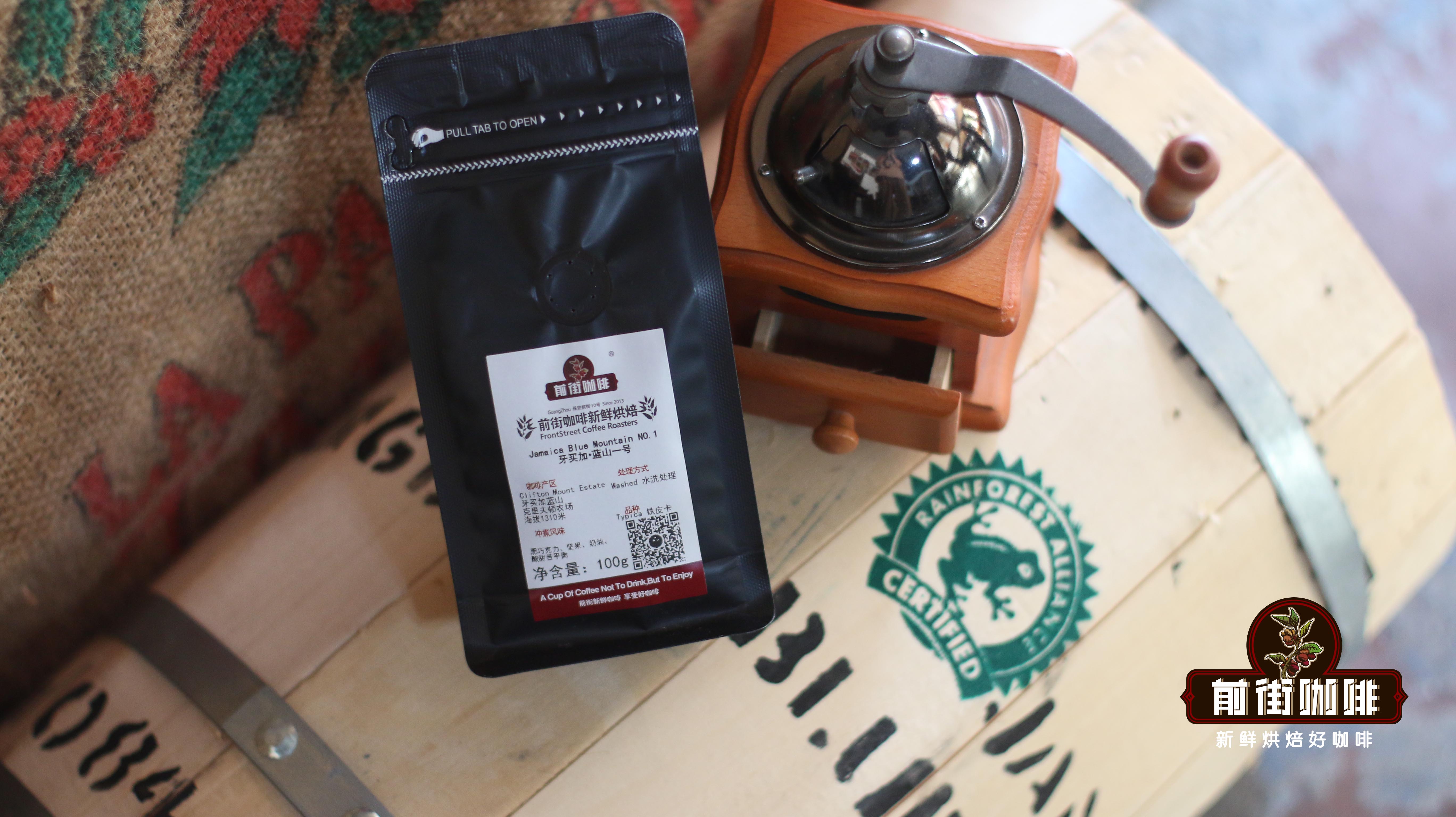
According to Front Street, Typica is the oldest variety in the Arabica branch and also the oldest native variety in Ethiopia. Today, almost all Arabica coffee bean varieties are derived from Typica. Typica has an elegant flavor, but its constitution is weak, its disease resistance is low, and it is prone to leaf rust, so its yield is relatively small and it is difficult to meet economic benefits. In recent years, Typica in Central and South America has gradually been replaced by Caturra and Catuai, so Typica is becoming increasingly rare. If you want to taste the elegant flavor of Typica, Front Street Yunnan Small-Bean Typica, Front Street Jamaica Blue Mountain, and Front Street Bird of Paradise are recommended.
Representative Typica coffee variety---Front Street Bird of Paradise Coffee Beans
Country: Papua New Guinea
Region: Sigri Estate Altitude: 1600~1800m Variety: Typica Processing Method: Washed Flavor: Nuts, dark cocoa, cream, citrus, balanced
Bourbon
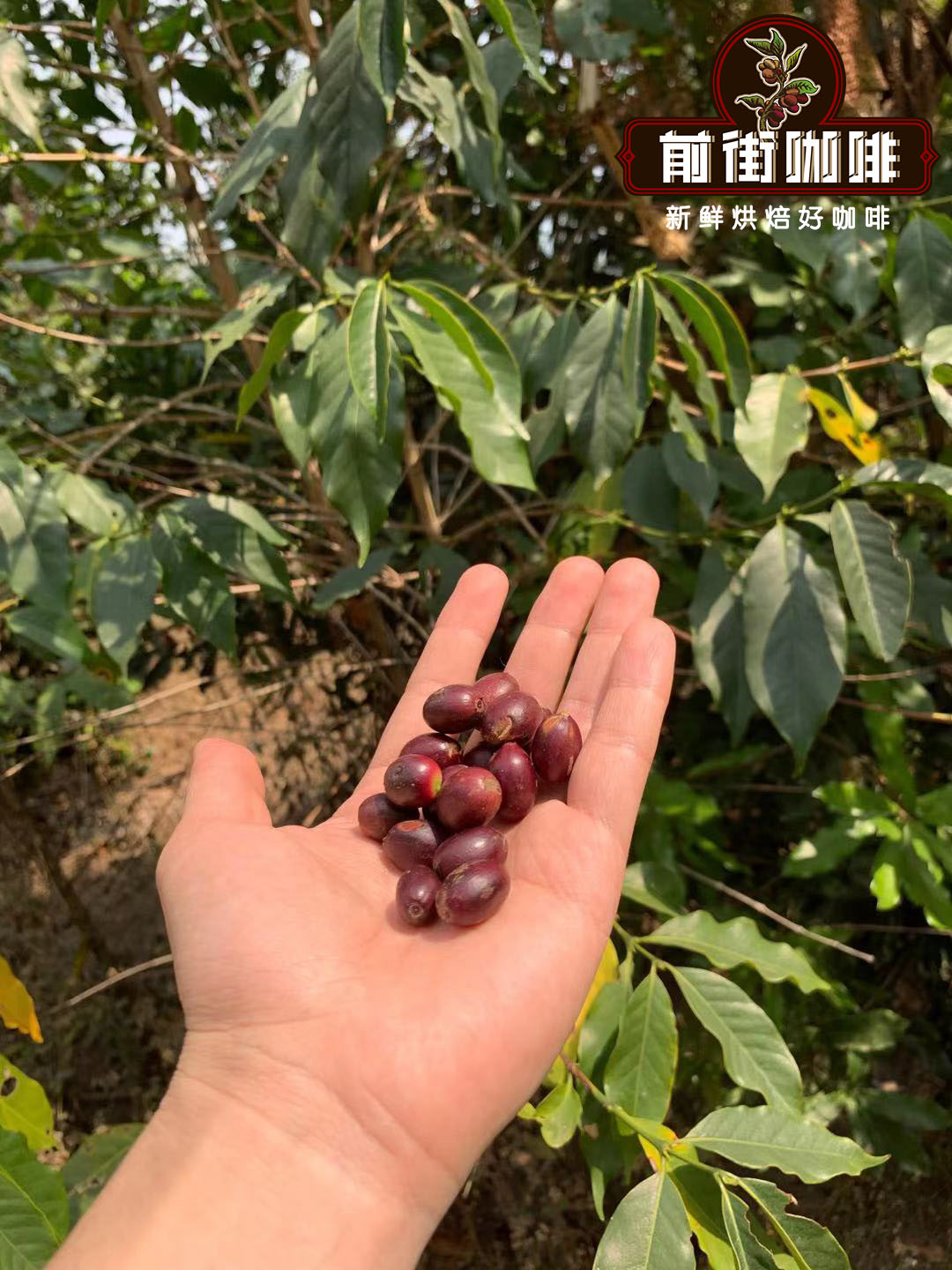
Bourbon is a secondary variety produced by a mutation of Typica. It was discovered on Bourbon Island, hence the name Bourbon coffee, and together with Typica it is among the oldest existing coffee varieties. The green fruit turns bright red when ripe. Compared with Typica, Bourbon has broader leaves and denser growth. Although its yield is higher than Typica, its harvest period is also two years, and it is also a relatively low-yield variety, yet it has a high-quality mouthfeel with a red-wine-like acidity and sweet finish.
Representative Bourbon variety coffee beans---Front Street Brazil Queen Estate Yellow Bourbon Coffee Beans
Country: Brazil Region: São Paulo State (Queen Estate) Altitude: 1400-1950m Variety: Yellow Bourbon Processing Method: Pulped natural / natural Flavor: Nuts, cream, peanut, fermented fruit, sucrose
Caturra
Caturra is a single-gene mutation of Bourbon, discovered in Brazil in 1937. Its productivity and disease resistance are both better than Bourbon, and the tree is shorter, making harvesting easier. However, like Bourbon, Caturra also has the cyclical problem of fluctuating productivity every two years. In flavor, it is comparable to Bourbon or slightly inferior. More importantly, it has extremely strong adaptability and does not need shade trees; it can grow vigorously even when directly exposed to the sun, commonly known as sun-grown coffee. It can adapt to high-density planting, but it must be fertilized more, increasing costs, so early acceptance by coffee farmers was not high.
Representative Caturra coffee variety---Front Street Panama Hacienda La Esmeralda Diamond Mountain Coffee Beans
Country: Panama Region: Boquete Estate: Hacienda La Esmeralda Altitude: 1400-1700m Variety: Catuai, Caturra Processing Method: Natural process Flavor: Citrus, bright acidity, nuts, honey, fermentation, cocoa
Catuai
Catuai is a hybrid Arabica variety, produced by crossing Mundo Novo (New World) with Caturra. It has strong resistance to natural disasters, especially wind and rain. It inherits the advantage of Caturra's low tree height and improves on the shortcomings of Mundo Novo; another advantage is that the fruit holds firmly and is not easy to fall off when strong winds blow, making up for the fragile Arabica fruit's weakness. However, its overall flavor performance is more monotonous than Caturra, and also more monotonous than Mundo Novo and lacking in body. This is the greatest regret. In addition, its fruit growth and harvest lifespan is only about ten years, and short lifespan is also one of its weaknesses.
Representative Catuai coffee variety---Front Street Costa Rica Beethoven Coffee Beans
Country: Costa Rica Region: Tarrazu Region (Canet Estate) Altitude: 1900m Variety: Catuai Processing Method: Washed process Flavor: Citrus, berries, floral fragrance, light fermented wine aroma
The above are some of the common Arabica bean varieties on the market. It is hoped that this can help coffee fans understand what Arabica coffee beans are, so they can choose coffee beans that suit their own taste.
The above content is compiled by CoffeeHunters, a coffee news website.


