








People often say "100% Arabica," but what exactly does Arabica refer to? Is it a country, a place of origin, or a coffee variety? In fact, Arabica is just one of the three major coffee varieties, the other two being Robusta and Liberica, and Arabica is widely used in specialty coffee due to its outstanding flavor. Its caffeine content is about 0.8%-1.5%, yet it accounts for about 75% of global production, but its growing conditions are demanding—it is vulnerable to frost, drought, and leaf rust. In this article, Front Street Coffee will walk you through the origin of the name Arabica, its spread throughout history, and the common varieties derived from it, such as Typica, Bourbon, Caturra, and Catuai, along with the origins and flavor information of representative coffee beans for each variety, to help you choose your ideal coffee more clearly.
For more specialty coffee knowledge, please follow our WeChat official account: FrontStreet Coffee
Those who are new to specialty coffee have mostly heard the phrase "100% pure Arabica," but at first they are often confused: it sounds like a country—so is Arabica a country? Actually, no, it refers to a coffee variety. Below, Front Street Coffee will explain Arabica-related knowledge clearly.
What is Arabica?
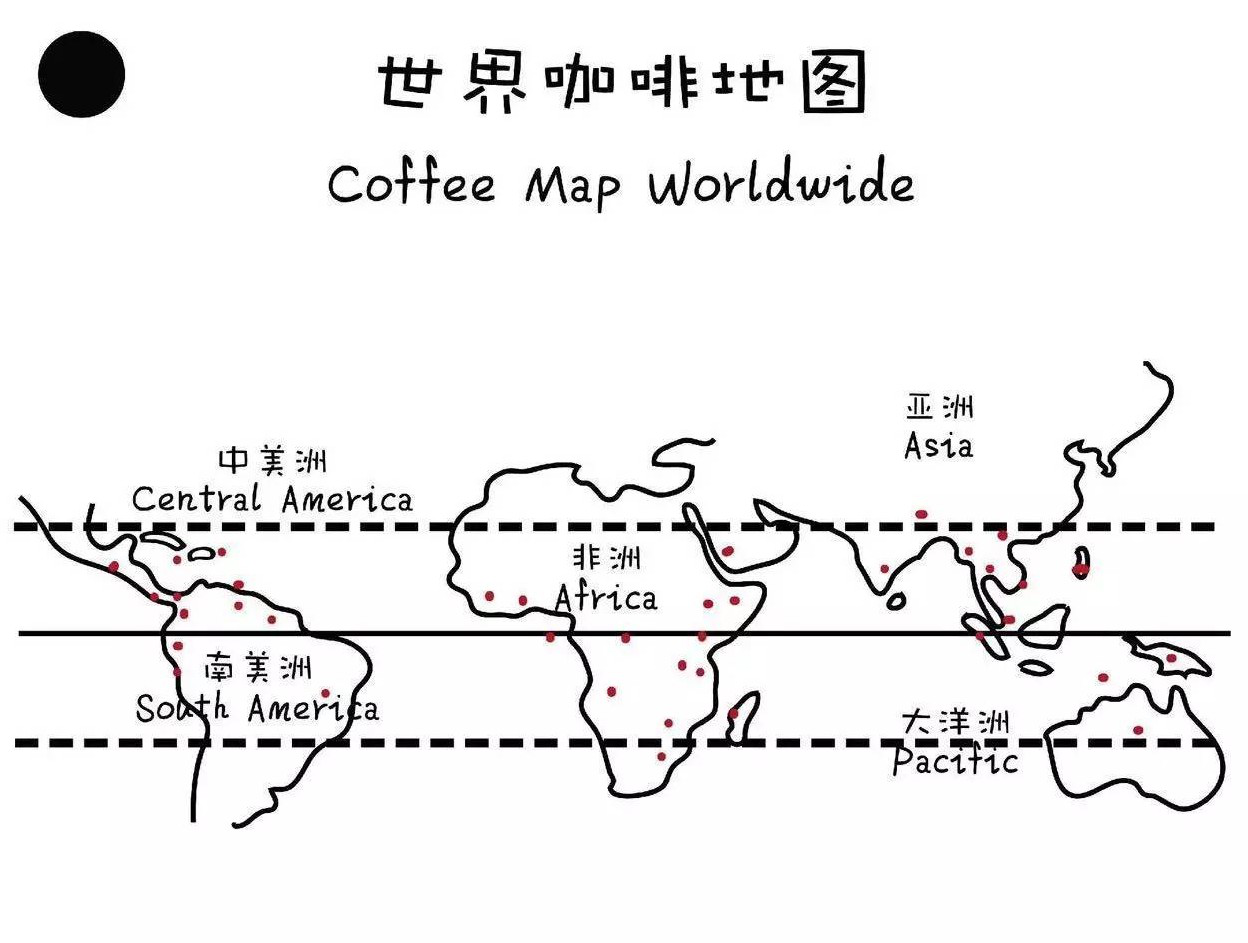
Arabica is a coffee variety. According to Front Street Coffee, there are currently three major coffee varieties cultivated worldwide: Arabica, Robusta, and Liberica. Among the three, Arabica has the best flavor performance, so it is often used to make specialty coffee, and its caffeine content is only between 0.8%-1.5%. It is also the most widely grown coffee variety today, with Arabica coffee beans produced in Central and South America, Africa, Asia, and other regions.
Because its flavor is the best among the three, Arabica accounts for about 75% of the world's total coffee production, while Robusta accounts for about 20%, and Liberica only about 2%.
However, although Arabica has many advantages, it is actually quite delicate. It can only be grown at high altitudes, can tolerate low temperatures but not frost, has weak drought resistance, and is also susceptible to pests and diseases. The coffee tree's "rust disease" once caused coffee farmers immense suffering, and only later were hybrids of Arabica and Robusta developed. Moreover, Arabica is only a general term for a variety; for example, the common coffee varieties in Front Street Coffee's shop are actually subspecies derived from Arabica, such as Typica, Bourbon, Caturra, and others—all of which are coffee beans of pure Arabica varieties.
The so-called "100% pure Arabica coffee beans" also refers to high-quality coffee beans and is synonymous with specialty coffee, because only coffee varieties derived from Arabica can score 80 points or above in cupping, while the flavor of Robusta varieties falls far short of this level.
So how did the name Arabica coffee bean come about?
The name Arabica coffee bean comes from the Arab world. Enthusiasts familiar with coffee history know that coffee originated in Africa, where local tribes first chewed coffee leaves for refreshment, and later, after research by Arab scholars, the seeds were roasted and made into a beverage. For religious reasons, coffee once replaced alcohol, which was prohibited, and thus became widely popular in the Arab world—this is also the origin of the name "Arabica."
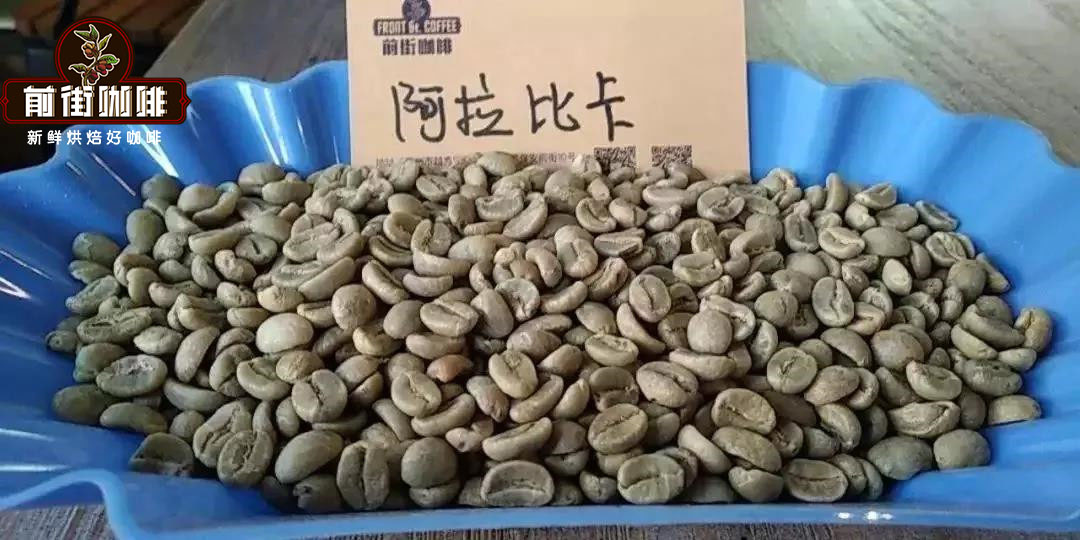
Afterward, coffee spread from the Arab world through the Ottoman Empire to Europe, and then to the New World of the Americas, spreading along the routes of trade and colonial expansion. Therefore, Western countries all called coffee beans "coffee from the Arab world," and over time this evolved into Arabica coffee beans.
The above is the Arabica coffee bean knowledge compiled by Front Street Coffee. So what are the common Arabica-derived varieties on the market today? And which coffee beans are the more famous ones? Below, Front Street Coffee will introduce the most common Arabica variety coffee beans on the market.
Typica
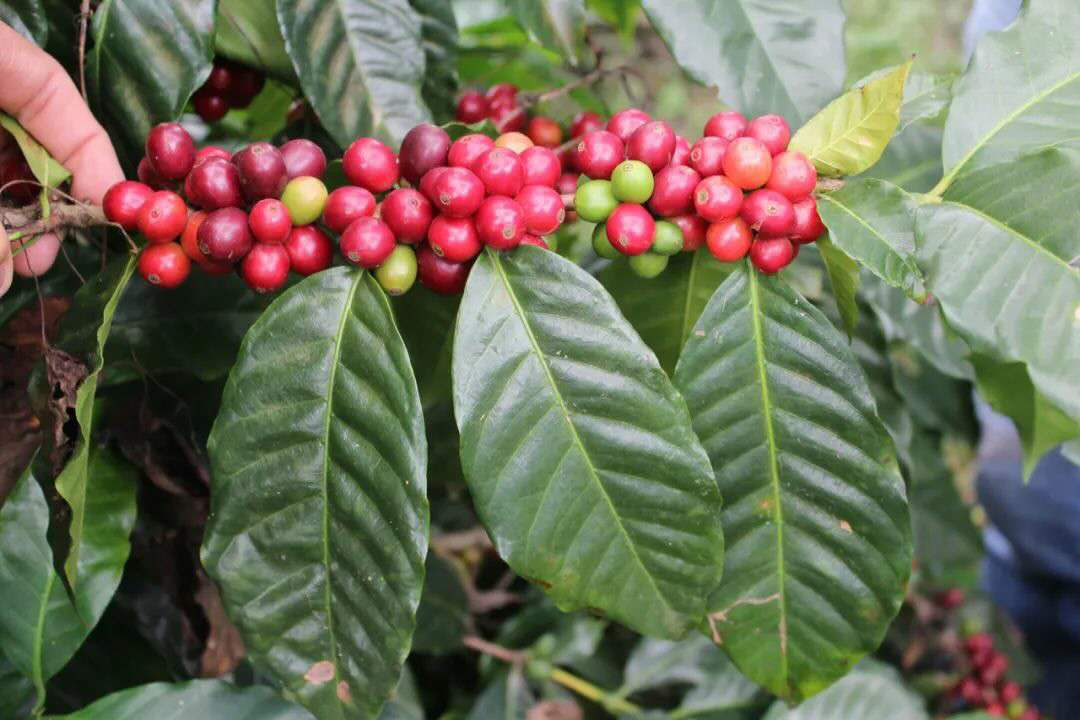
According to Front Street, Typica is the oldest variety in the Arabica lineage and also the oldest native variety in Ethiopia. Today, almost all coffee bean varieties belonging to Arabica are derived from Typica. Typica has an elegant flavor but is physically weak, with low disease resistance, and is prone to leaf rust, so its coffee bean yield is low and difficult to make economically viable. In recent years, Typica in Central and South America has gradually been replaced by Caturra and Catuai, so it is becoming increasingly rare. Although Typica has an elegant flavor, its popularity is not as great as Bourbon.
Representative Typica coffee variety—Front Street Coffee Jamaica Blue Mountain coffee beans
Country: Jamaica
Region: Blue Mountain Altitude: 1310m Variety: Typica Processing method: Natural Flavor: berry, dark cocoa, cream, nut, brown sugar
Bourbon
Bourbon is a subspecies produced by a mutation of Typica, discovered on the island of Bourbon, hence the name Bourbon coffee. It is one of the oldest existing coffee varieties along with Typica, and its green fruit turns bright red when ripe. Compared with Typica, Bourbon has broader leaves and denser growth. Although its yield is higher than Typica, its harvest period is also 2 years, so it is still considered a low-yield variety, but it has a high-quality mouthfeel, with a red-wine-like acidity and a sweet aftertaste.
Representative Bourbon variety coffee bean—Front Street Coffee Brazil Queen Estate Yellow Bourbon coffee beans
Country: Brazil Region: São Paulo (Queen Estate) Altitude: 1400-1950m Variety: Yellow Bourbon Processing method: Semi-washed / Natural Flavor: nut, cream, peanut, fermented fruit, cane sugar
Caturra
Caturra is a single-gene mutation of Bourbon, discovered in Brazil in 1937. Its productivity and disease resistance are both better than Bourbon, and the tree is shorter, making harvesting easier. Unfortunately, like Bourbon, it has a cycle of fluctuating productivity every two years. Its flavor is comparable to or slightly inferior to Bourbon beans; more importantly, it has extremely strong adaptability, does not need shade trees, and can thrive directly under full sun—commonly known as sun-grown coffee. It can adapt to high-density planting, but requires more fertilizer, increasing costs, so early coffee farmers were not very accepting of it.
Representative Caturra coffee variety—Front Street Coffee Panama Hacienda La Esmeralda Diamond Mountain coffee beans
Country: Panama Region: Boquete, Hacienda La Esmeralda Estate: Hacienda La Esmeralda Altitude: 1400-1700m Variety: Catuai, Caturra Processing method: Natural Flavor: citrus, bright acidity, nut, honey, fermented note, cocoa
Catuai
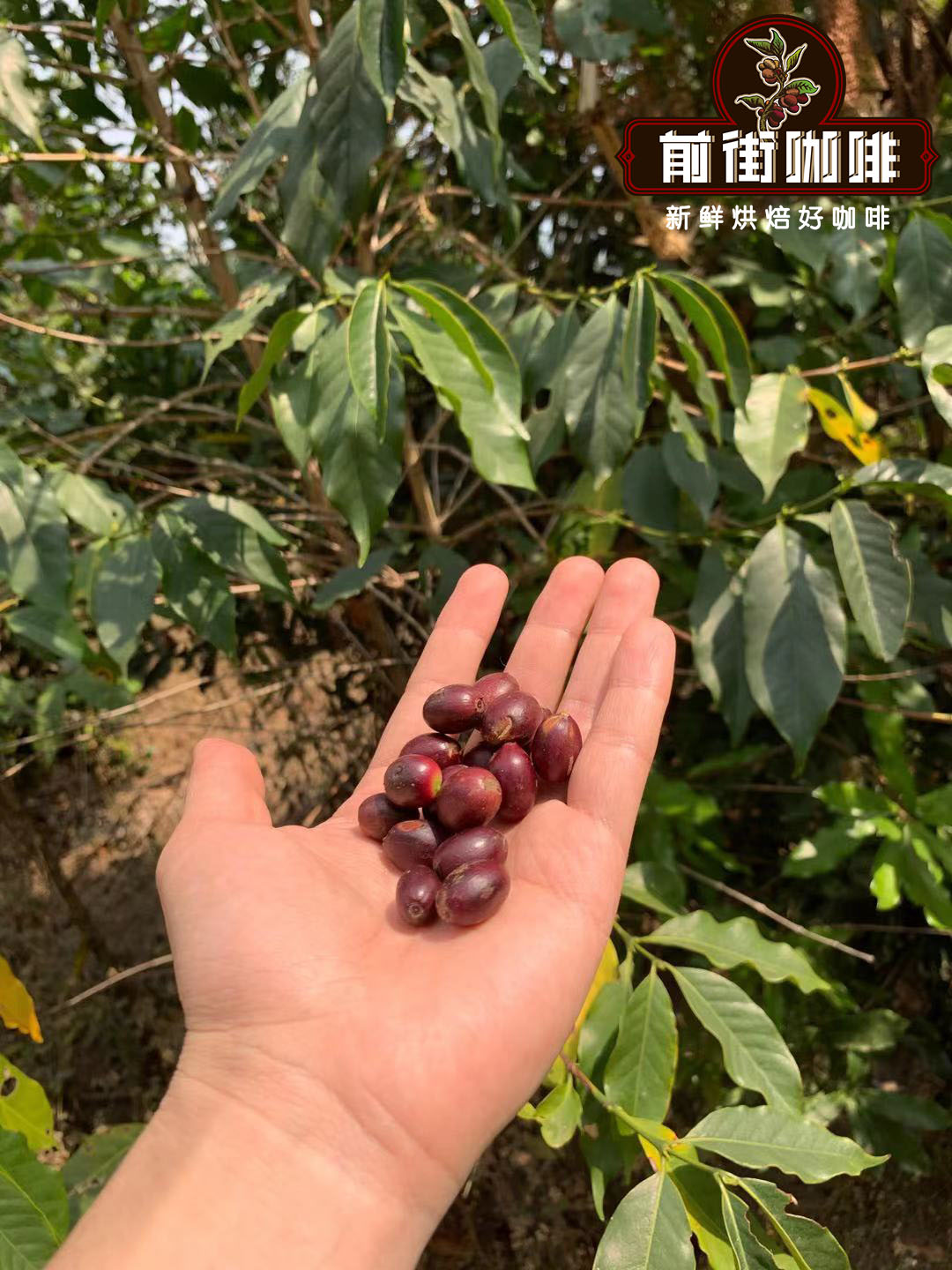
Catuai is a hybrid Arabica variety, produced by crossing Mundo Novo with Caturra. It has good resistance to natural disasters, especially wind and rain. It inherits the advantage of Caturra's low tree height and improves on Mundo Novo's shortcomings; another advantage is that its fruit is firmly attached and not easily shaken off by strong winds, making up for Arabica's fragile fruit. However, its overall flavor performance is more monotonous than Caturra, and also more monotonous than Mundo Novo and lacking in body—this is its greatest regret. In addition, its fruit's growth and harvest lifespan is only about ten years, and its short lifespan is also one of its weaknesses.
Representative Catuai coffee variety—Front Street Coffee Costa Rica Beethoven coffee beans
Country: Costa Rica Region: Tarrazu (Canet Estate) Altitude: 1900m Variety: Catuai Processing method: Washed Flavor: citrus, berry, floral, light fermented wine aroma
The above are some common Arabica bean varieties on the market. We hope this helps coffee enthusiasts understand what Arabica coffee beans are, so they can choose coffee beans that suit their taste.
The above content is compiled by CoffeeHunters, a coffee news website.


