







Search Results for: Coffee Shop Stories
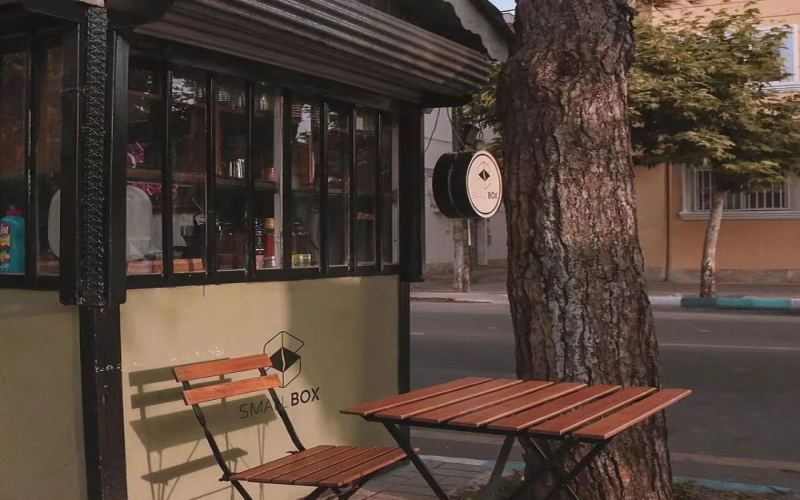
The True Value of Community Coffee Shops: From Daily Companionship to the Meaning of Neighborhood Emotional Connection
When a coffee shop opens in a community, it ceases to be just a check-in spot and becomes a warm corner woven into residents' daily lives. Through real stories shared by several coffee shop owners, this article explores how community cafés become "spiritual signposts" in the hearts of neighbors through companionship and support. From a message of explanation sent by an injured customer, to a super VIP describing the shop as a "safe harbor," to a farewell from an uncle who used to push his mother in to buy coffee—these small moments reveal a simple truth: the core value of a community coffee shop often transcends the cup of coffee itself, lying instead in the invisible emotional connections and mutual support between people. [more…]
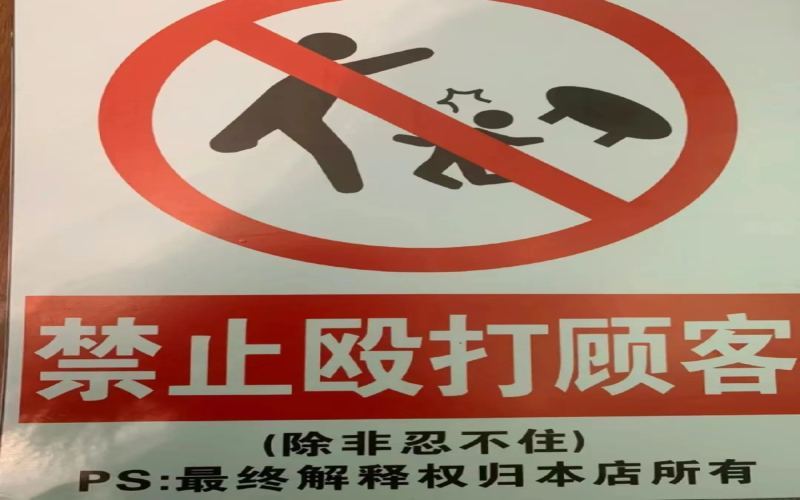
Why Are Coffee Shop Rules Increasing? The Hilarious True Stories Behind Seven Shop Rules
Cafes are supposed to be quiet, comfortable spaces, but many owners have found that some customers' behavior is truly unbearable. So one seemingly "unreasonable" rule after another has emerged—from banning diaper changes to prohibiting stinky tofu, each rule hides a real story. This article rounds up the bizarre experiences of cafe owners in various places, and how they use humor and gentleness to set rules that both preserve the in-store environment and retain a human touch. Amid fierce competition, how can independent cafes balance personal expression with customer relationships? This may be a question every industry professional needs to think about. [more…]
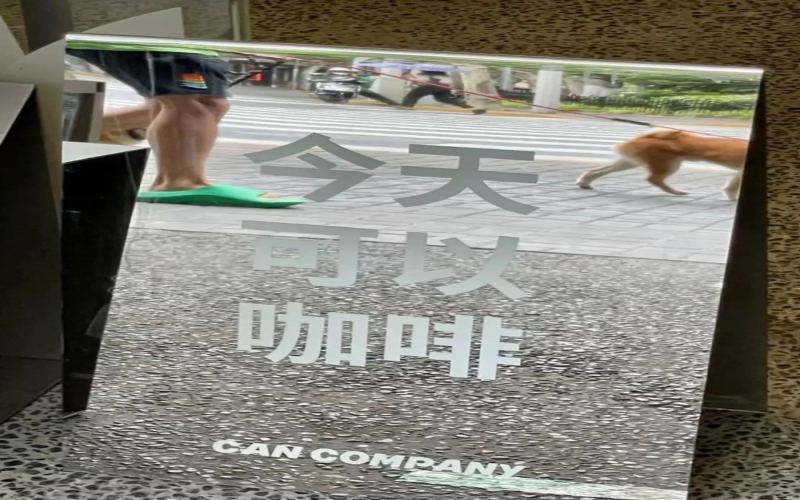
A firsthand account of Shanghai coffee shops resuming dine-in service: Owners share heartwarming stories of perseverance and reunion
After more than three months of waiting, Shanghai's restaurant industry has finally seen the return of dine-in service. Starting June 29, streets and towns within their jurisdictions that have no medium-risk areas and no community transmission in the past week have been reopening dine-in service in an orderly manner. As soon as the news broke, phones at major coffee shops would not stop ringing, and owners rushed to share moments from this extraordinary period: some customers arrived to wait before the staff did, some owners drank through an entire batch of limited-edition beans by themselves, some worked around the clock living at their shops, and others are still waiting for approval. This article documents the real experiences of Shanghai coffee shop owners, as well as the procedures and current situation behind the resumption of dine-in service, while also keeping its focus on and recommendations for specialty coffee beans. [more…]
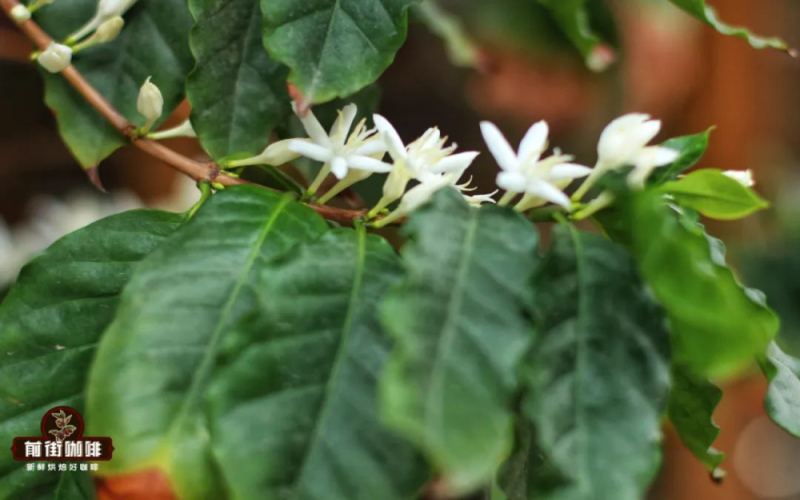
Coffee flowers come in pink as well as white? Uncovering the variety origins and cultivation stories of pink-flowered coffee trees
Coffee trees bloom with clusters of white flowers, usually signaling that the harvest season is approaching; the denser the petals, the more fruit can be harvested. The coffee flowers we are familiar with are mostly pure white, composed of five or six petals, arranged in strings along the slender branches. Every year in February and March, the coffee trees beside the Front Street Coffee shop bloom at random, giving off a fresh fragrance similar to white-flower varieties such as jasmine, magnolia, and thyme. But did you know that in extremely rare cases, coffee trees can actually produce pink flowers? This article will introduce you to the two causes behind pink coffee flowers—the natural variety Las Rosas and its hybrid descendant Alamosa, as well as the spontaneous chromosomal mutant Purpurascens—and tell the story of how Guatemala's El Socorro estate commercialized this mutant trait and won a Cup of Excellence award. [more…]
A Complete Analysis of the Origins of Espresso Drink Names: The Stories and Differences Behind Cappuccino, Latte, and Americano
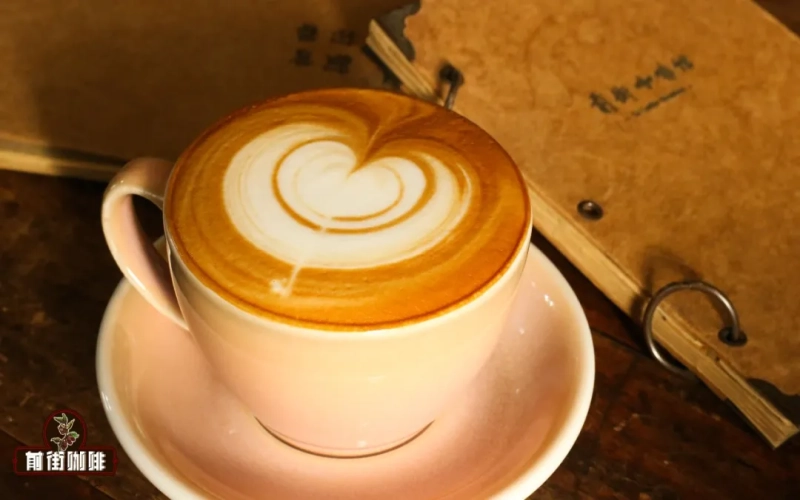
Cappuccino, latte, Americano—where exactly do these familiar Italian coffee names come from? And what are the essential differences between them? Starting from Front Street's production practices, this article provides a detailed breakdown of the recipe ratios, flavor characteristics, and naming origins of these three classic coffees. You'll learn how cappuccino got its name from monks' attire, why ordering a latte in Italy can lead to an embarrassing misunderstanding, and how Americano was born from the drinking habits of American soldiers. The article also includes the specific parameters and flavor performance of Front Street's classic blend and Huakui beans when making different coffees, making it suitable for coffee enthusiasts who want to gain a deeper understanding of Italian coffee culture. [more…]
A Global Roundup of Top Specialty Coffee Beans: Origins, Prices, and Flavor Stories of Six Expensive Varieties
In the world of coffee lovers, there are always some beans that command high prices due to their rarity, legendary status, or exceptional flavor. This article reviews six recognized expensive specialty coffee beans, from Indonesia's Kopi Luwak to Panama's Hacienda La Esmeralda Geisha, and Jamaica Blue Mountain, introducing their origins, reference prices, and the stories behind them one by one. Details covered include the COE competition results of El Injerto and Santa Ines estates, the connection between Saint Helena Island and Napoleon, and the production and marketing structure of Blue Mountain coffee. By reading this article, you can quickly understand why these top coffee beans are expensive, as well as their unique flavors and historical highlights. [more…]
A Complete Guide to Kenya's Coffee Regions: Flavor Profiles, Varieties, Grading, and Brewing Parameters
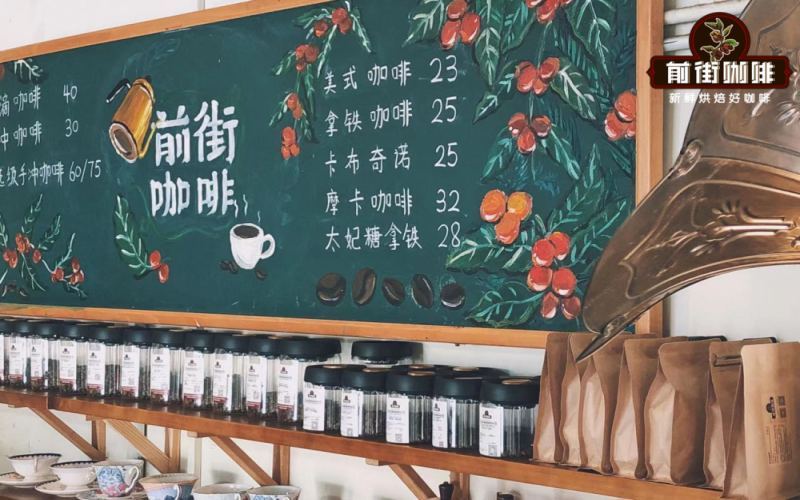
Kenyan coffee is almost a staple on the bean list of every specialty coffee shop, known for its bright, full-bodied acidity and distinctive notes of berries and cherry tomatoes. But do you know about the production regions, variety stories, and grading system behind this major coffee-producing country? This article will go through Kenya's main producing regions one by one, from Nyeri to Kiambu, unravel the origins and development of classic varieties such as SL-28 and SL-34, explain the grading standards for Kenyan coffee beans, and share Front Street Coffee's complete brewing recipe for Kenyan beans, covering grind size, water temperature, coffee-to-water ratio, and pouring technique, to help you gain a more comprehensive understanding of this "most familiar yet unfamiliar bean." [more…]
Analysis of the Differences Between Indonesian Kopi Luwak and Yunnan Kopi Luwak Coffee Beans, Plus Flavor, Taste, and Stories
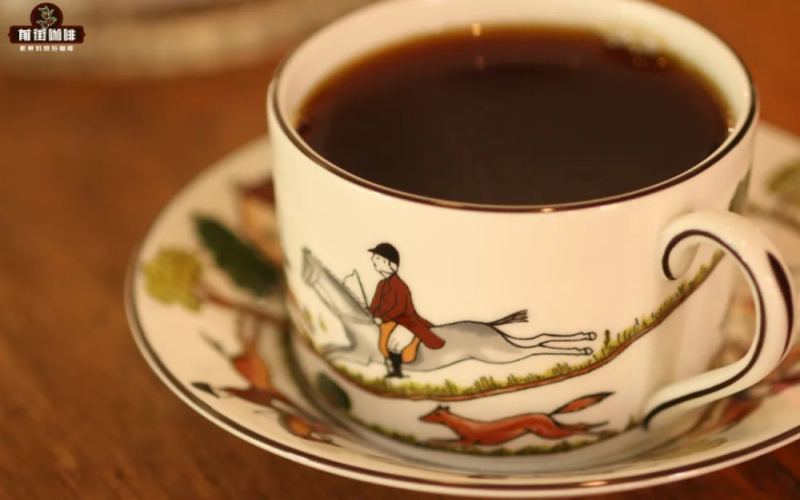
Indonesian kopi luwak has long been known as the "Hermès" of the specialty coffee world. As early as 2002, a pound sold on the New York market for more than US$500, and its extremely scarce production is the main reason for the high price. This coffee's flavor carries Indonesia's distinctive herbal notes, has a prominent full body, and is accompanied by an indescribable sweetness. In this article, Front Street Coffee will sort out the origin story of kopi luwak, its flavor characteristics, and the real impact of the civet's internal fermentation processing method on coffee beans, while also sharing the roasting and brewing parameters for this Indonesian kopi luwak at Front Street's store. [more…]
Indonesian Mandheling Coffee Beans: Flavor Characteristics, Processing Methods, History and Stories — Are Indonesian Specialty Single-Origin Beans Good?
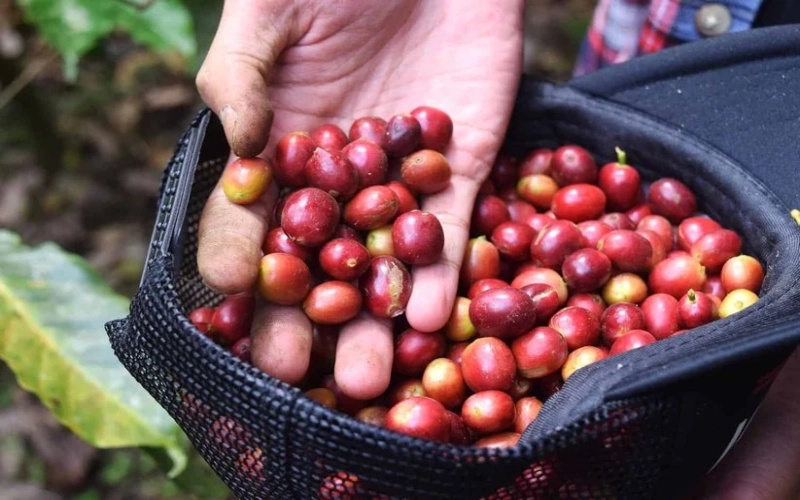
Mandheling is one of the coffee categories most familiar to Chinese people, but not everyone may be clear about the origin of its name, Sumatra's unique wet-hulling process, or the differences among Lindong, Golden, Tiger, Aged, and other Mandheling coffees. From the perspective of Front Street Coffee, this article sorts out the historical stories and processing techniques of Mandheling, analyzes the reasons behind its rich, full-bodied, slightly acidic, and sweet flavor, and introduces one by one the four Mandheling coffee beans currently sold by Front Street along with their brewing parameters, helping coffee lovers gain a more comprehensive understanding of this Indonesian specialty single-origin bean. [more…]
Florena Coffee Class: An Italian-Style Bean Selection Guide and Espresso Flavor Stories
To understand how to choose espresso beans, you first need to grasp the relationship between espresso, blends, and SOE. This article begins with the romantic naming of Starbucks Verona, then sorts out the respective pros and cons of single-origin espresso and blended beans, explains the difficulties SOE presents in bean selection and roasting, and why blended beans can deliver greater consistency. The article also draws on Front Street Coffee's own Sunflower Warm Sun blend to provide extraction parameters and flavor performance for iced lattes, helping coffee lovers find an espresso solution that suits them in their daily brewing. [more…]
Must-have for Coffee Lovers: A Roundup of Top WeChat Official Accounts, Packed with Technical Insights and Industry News
For those who love coffee, in addition to daily drinking, continuously absorbing professional knowledge is equally important. This article compiles a group of WeChat public accounts with good reputations in the coffee circle, covering multiple directions such as industry news, technical sharing, cultural communication, shop visits and interviews, and latte art teaching. There is both substantive content with a relatively low commercial flavor and light, interesting coffee stories. Whether you are a barista, roaster, or ordinary enthusiast, you can find learning resources that suit you. The article also mentions recommendations related to the "Front Street" brand, which is worth noting. [more…]
When the Coffee Startup Dream Fades: The Industry Truth and Survival Rules Behind the Surge in Second-Hand Equipment Recovery
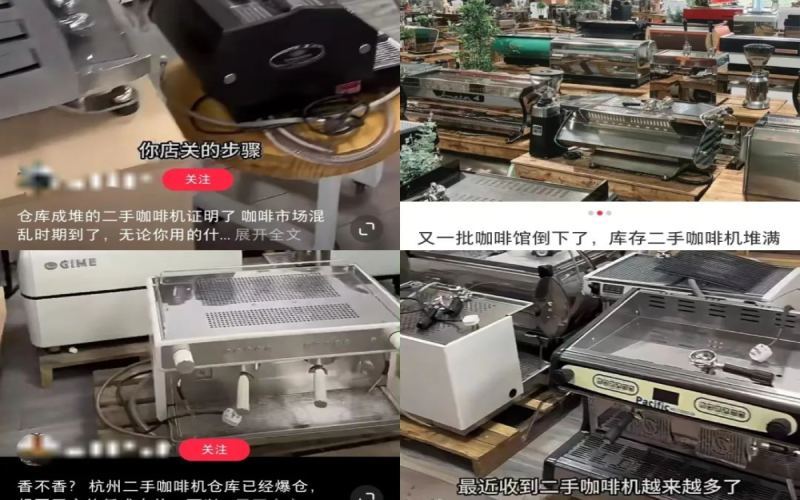
Once upon a time, opening a coffee shop was seen by countless people as the ideal path to escape the 996 work grind and embrace poetry and distant lands. Reality, however, is like an unsweetened espresso—bitter enough to catch you off guard. In recent months, warehouses of second-hand coffee equipment recyclers have been bursting at the seams, and self-deprecating posts about "money-losing cafés" have proliferated on social media. From the vengeful wave of shop openings at the start of the year to the current wave of closures, the coffee industry is undergoing a brutal shakeout. Some are cutting their losses helplessly, others are struggling to hang on, and surprisingly, many entrepreneurs' first pot of gold has come from selling off the coffee machines they once bought at great expense. This article takes you deep into this phenomenon, dissecting the business logic and survival challenges behind coffee entrepreneurship—if you're also preparing to open a shop, perhaps you should first read these real stories. [more…]
Behind the college dorm coffee startup boom: overpriced instant drinks, unlicensed operation risks, and chaotic apprentice recruitment draw concern
In recent years, more and more Gen Z college students have started opening cafés in their dormitories, earning living expenses or even nearly ten thousand yuan a month by selling coffee. A large number of dorm coffee startup stories have appeared on platforms like Xiaohongshu, and some people even charge tuition to run classes teaching it. However, these dorm cafés generally use instant coffee yet sell it for a dozen yuan a cup, and they also involve issues such as operating without a license and unguaranteed food safety. This article takes you through the controversy and hidden risks behind this dorm coffee startup trend, while also providing a professional coffee knowledge exchange channel for friends who truly love coffee. [more…]
The Three Musketeers of Italian Milk Coffee: A Comprehensive Comparison and Professional Guide to Distinguishing Cappuccino, Latte, and Flat White
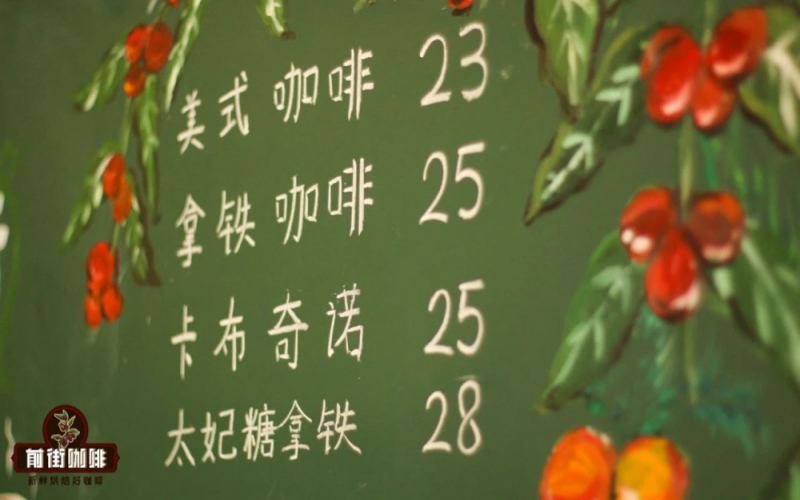
On coffee shop menus, cappuccino, latte, and flat white are almost always the three essential milk coffees. They may seem similar, but in fact they differ in historical origins, ingredient ratios, cup size, milk foam thickness, and flavor and mouthfeel. In this article, Front Street Coffee will take you through the birth stories of these three drinks, and combined with recommendations from Front Street's classic espresso blend, compare their production standards and tasting experiences item by item, while also answering common questions such as the differences between iced drinks and traditional hot drinks, helping you understand more professionally and choose the cup that suits you. [more…]
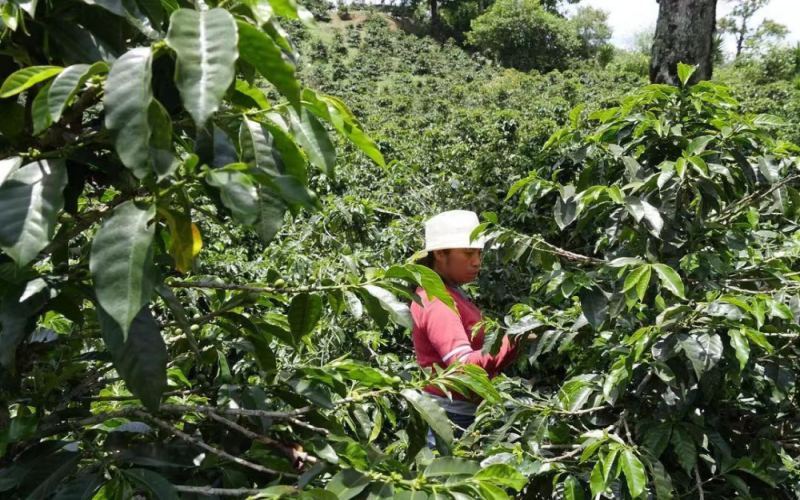
Flavor Characteristics and Regional Stories of Honduran Specialty Coffee Beans, with a Discussion of Front Street Coffee's Sherry Barrel Fermented Beans
Honduras is one of the largest coffee-producing countries in Central America, yet it has long been overlooked by coffee enthusiasts. This article begins with a cup of hot Americano with a vinous aroma from a Front Street Coffee shop, then outlines Honduras's geography and climate, its coffee-growing history, the distribution of its six major producing regions and their common flavor characteristics, and focuses on the barrel-fermented processing method that has gained considerable attention in recent years. The article also provides a detailed analysis of the origin background, processing technique, and brewing parameters of Front Street Honduras Sherry coffee beans, helping readers gain a comprehensive understanding of the coffee charm of this "country of the abyss." [more…]
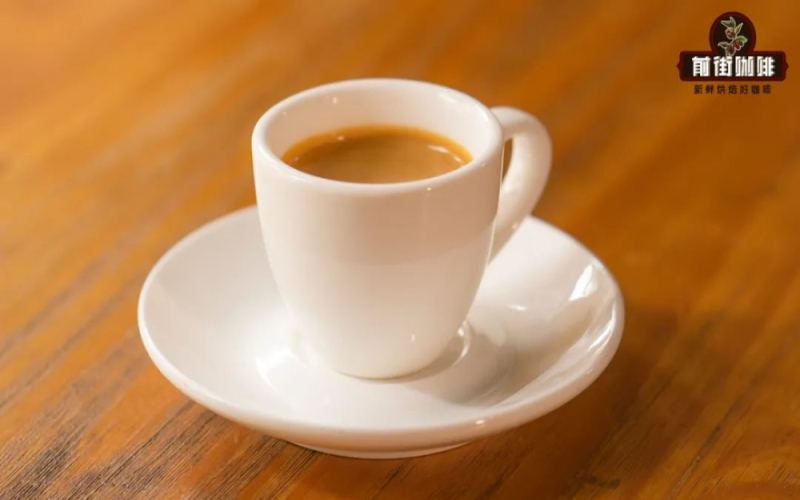
From Espresso to Dirty Coffee: A Full Analysis of the Origins and Evolution of Common Italian Coffees on Coffee Shop Menus
Walk into any coffee shop, and those familiar names on the menu—latte, cappuccino, flat white, americano—all actually stem from the same base: espresso. But have you ever wondered why these coffees are called what they are? And what origins do they each have? This article will take you through the birth stories of espresso, americano, cappuccino, latte, mocha, macchiato, caramel macchiato, flat white, and Dirty one by one, from Italian coffee houses to Australian coffee culture, and then to Japanese creative inspiration, to understand the historical threads behind each cup of coffee. After learning about these origins, perhaps you'll taste more the next time you savor them. [more…]
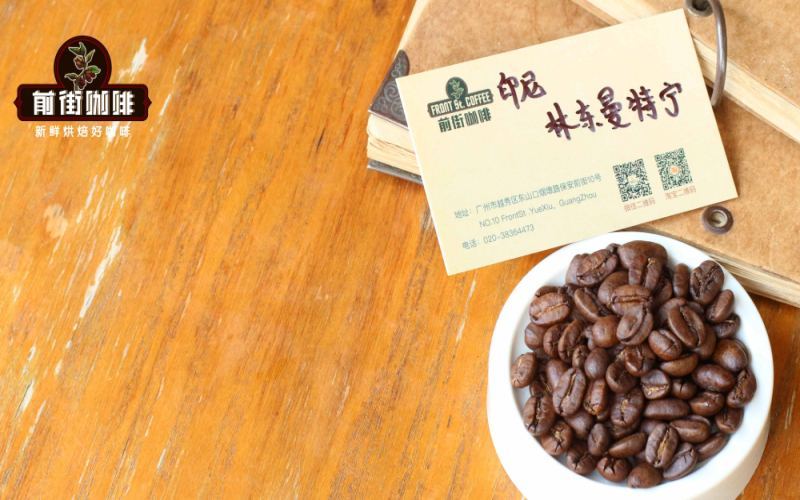
Which Indonesian coffee brands are worth drinking? Mandheling origin stories, processing methods, and a detailed look at four Front Street beans
Indonesia is one of the most important coffee-producing countries in Asia, and Sumatra Mandheling is a foundational memory for countless coffee lovers. Starting from the bean-selection questions commonly encountered in Front Street Coffee's daily service, this article sorts out the origin legends of Mandheling, Sumatra's unique wet-hulling process and three-stage drying method, and introduces one by one the growing regions, varieties, processing methods and brewing suggestions of four common beans—Front Street Lintong Mandheling, Front Street Golden Mandheling, Front Street Tiger Mandheling and Front Street Aged Mandheling—to help readers understand the flavor logic of Indonesian coffee more systematically. [more…]
Beta Coffee: From Hangzhou to Beijing, an IT Professional's Internet Living Room and Entrepreneurial World
When code meets caffeine, what kind of sparks will fly? Beta Coffee started in Hangzhou, founded by IT entrepreneur Bai Ya and his partners, and quickly became a public living room for the internet circle. This trend then swept through Beijing's Zhongguancun, with Garage Coffee, 3W Coffee, and others springing up, ushering in the "internet coffee era." These places are not just for drinking coffee, but also a arena for IT people to network, recruit, and seek investment. This article will take you through the founding journey of Beta Coffee, its unique rules, and those warm yet persistent entrepreneurial stories, to feel the internet spirit that connects infinite possibilities behind a cup of coffee. If you also enjoy exploring coffee culture, please follow Front Street Coffee, where we continue to bring you heartwarming coffee stories. [more…]
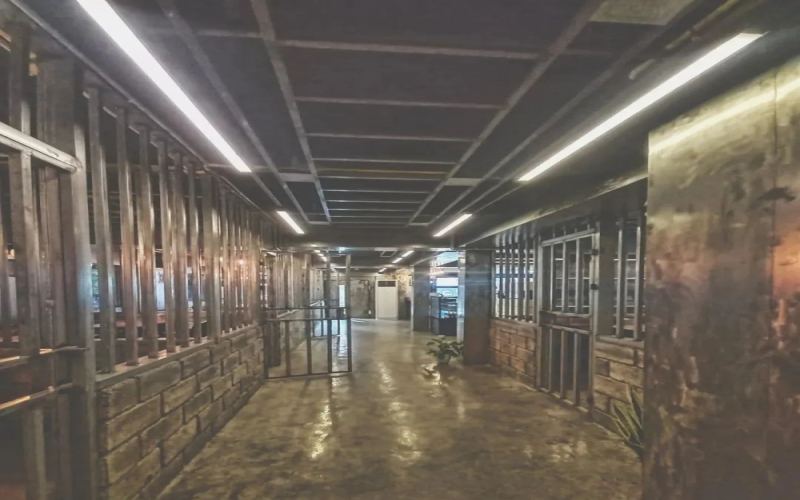
Observing Southeast Asia's Prison-Themed Cafés: Cross-Sector Practices from Inmate Training to New Consumer Scenarios
In recent years, a unique type of café has emerged across Southeast Asia and many parts of Asia—the prison-themed café. Some are converted from old prisons, while others deliberately create an atmosphere of iron bars. Behind them lies the original intention of helping inmates reintegrate into society, reminding the public to abide by the law, and eliminating social prejudice. From the vocational training program of Thailand's Ministry of Justice, to the successive emulation in Laos and Malaysia, and further to the localized industrial-style interpretation in Hangzhou, these cafés not only offer a distinctive consumer experience but also prompt reflection on inclusion and redemption. Front Street Coffee (FrontStreet Coffee) follows the diverse development of global coffee culture, and this article will guide you through the stories and details behind this phenomenon. [more…]
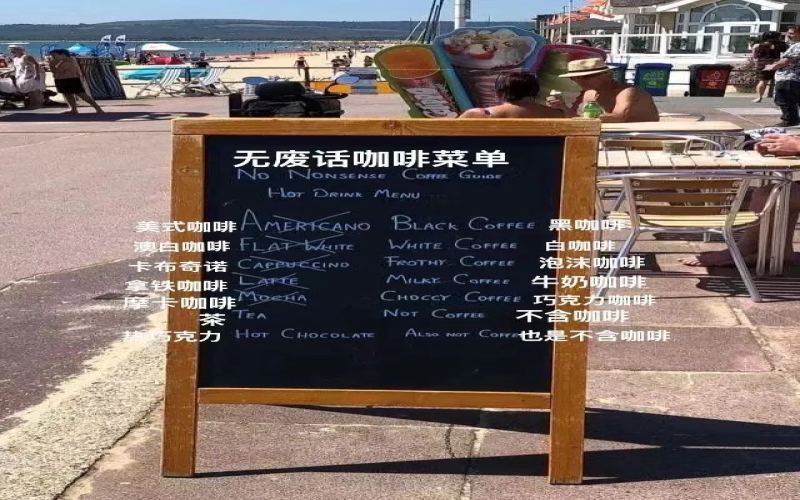
Which One to Choose on Your First Visit to a Café? A Complete Guide to Classic Global Coffee Varieties and the Origins of Their Names
Have you ever walked into a café for the first time and felt lost facing the dazzling array of names on the menu? Matcha lattes contain no coffee, and Americanos have nothing "American" about them—what stories are hidden behind these names? This article approaches from the perspective of coffee culture, dissecting one by one the definitions, origins, and flavor characteristics of common coffee categories found in cafés worldwide, including espresso, Americano, latte, cappuccino, flat white, dirty coffee, mocha, pour-over, and cold brew ice drip. Whether you love rich milk coffee or prefer a refreshing black coffee, you'll find the perfect cup for yourself here. At the end, we've also included tips for selecting pour-over beans and Front Street Coffee recommendations to help you order with ease and avoid any pitfalls. [more…]