







Why Do Prison-Themed Cafes Use Laos Coffee Beans?
Prison-themed cafes have spread across Southeast Asia and parts of Asia, with some shops converted from old prisons and others styled with barred windows. The goals are inmate rehabilitation, public legal awareness, and reducing stigma against former offenders. Thailand's Ministry of Justice launched a vocational training program in early 2018, teaching inmates coffee brewing, food preparation, and customer service.
Similar efforts have appeared in Laos and Malaysia, and Hangzhou has adapted the concept with an industrial look. Laos coffee beans and other local beans often feature in these programs because sourcing close to home keeps costs manageable and ties the menu to the region. Staffed by inmates with short remaining terms, the cafes also report calmer behavior after regular public interaction.
In recent years, a special form of café has emerged in many parts of Southeast Asia and Asia—prison-themed cafés. Some are converted from old prisons, while others deliberately create a barred-window atmosphere. Behind them lies the original intention of helping inmates reintegrate into society, reminding the public to obey the law, and eliminating social prejudice. From the vocational training program of Thailand's Ministry of Justice, to similar efforts in Laos and Malaysia, and to the localized industrial-style interpretation in Hangzhou, these cafés not only provide a unique consumer experience but also prompt reflection on inclusion and redemption. Front Street Coffee follows the diverse development of global coffee culture, and this article will take you through the stories and details behind this phenomenon.
In recent years, a genuine "prison-style" café trend has begun to take hold in Southeast Asia and many parts of Asia. That's right—some of these shops are directly converted from old local prisons, while others deliberately imitate a prison environment in their décor.
Why choose this "prison style" instead of other styles?
There are three main reasons: first, to encourage inmates to actively reform; second, to let customers experience what it feels like behind bars, thereby reminding everyone to obey the law; and third, to hope the public will be less prejudiced against those who once went astray but sincerely repent.
Thailand was the first to launch prison-themed cafés. At first, these cafés were not opened inside prisons; instead, they were staffed by inmates serving sentences—all of whom had already served for some time, had relatively short remaining terms, and showed no inclination to escape. In early 2018, Thailand's Ministry of Justice launched this vocational training program, aiming to let inmates learn professional coffee brewing, meal preparation, and customer service skills so they could return to society with a trade. Prison authorities also found that after interacting with the public, these inmates became gentler in their behavior and demeanor.
Although bad people are not necessarily bad forever as long as they have a repentant heart, people still more or less harbor reservations about those with criminal records. To help the public better understand these people willing to turn over a new leaf, Thailand's Ministry of Justice decided in 2020 to develop half of the country's 143 prisons into tourist attractions and add cafés, restaurants, or handicraft shops, helping more inmates who once went astray better connect with society.
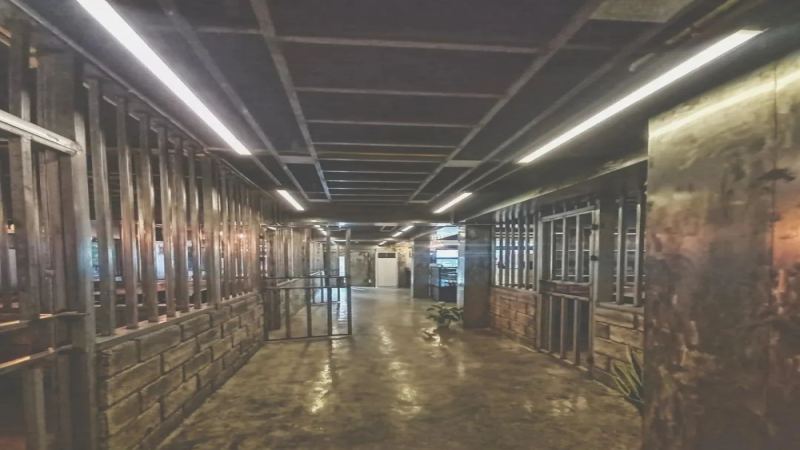
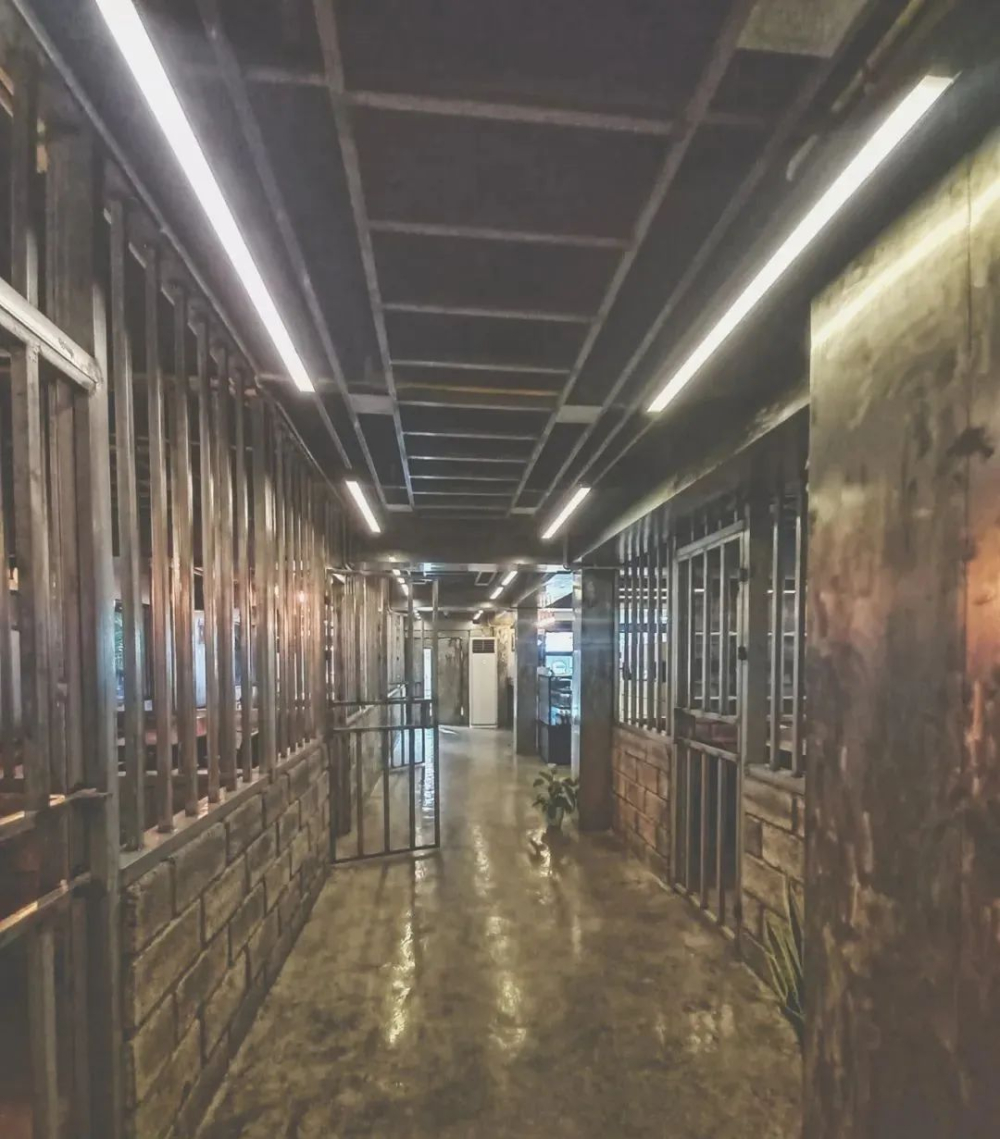
Inspired by Thailand, Laos also opened a prison-themed café in 2021. Although it was not directly converted from a prison, its interior décor looks even more like a prison than a prison does. At a glance, it is full of cold iron bars, with dim lighting. Though the furnishings are neat and clean, the visual impact still conveys an invisible pressure.
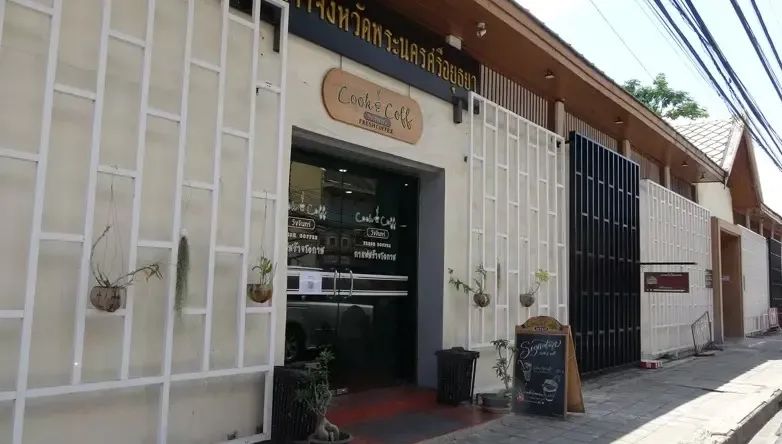
Besides Thailand and Laos, in February this year Malaysia also opened its first prison café in the country, located next to the Melaka Alor Gajah Prison Museum. This place was once part of the local prison and was later converted into a prison museum. After being turned into a café, the shop still retains the original cells and the final message room of death-row inmates, allowing people to understand more intuitively what a "real" prison looks like.
The cells have been converted into a bar and reception area, while the message room retains its original appearance and has become a VIP reception room. Its worn walls are covered with visitors' "confessions" and wishes, and the invisible sense of oppression once again strikes the heart.
The owner of this prison café said his father was the director of a reformatory, and since childhood he has had some understanding of the people there. He believes that most people, with proper guidance, can certainly reform and become good people again, but the general public does not see them that way. Therefore, he wanted to open a prison café to help more members of society change their views about these people who once went astray. The shop's décor was conceived and arranged in close cooperation with the Henry Gurney Reformatory in Melaka. The biscuits and handicrafts sold are also handmade by people in the reformatory.
At the same time, the owner also said that in the future they will hire former inmates and provide them with training so they can get a chance at rebirth and gain a foothold in society.
Perhaps these prison cafés seem to many people like nothing more than a gimmick, but they have indeed helped quite a few people who once went astray, giving them a chance to reform. Most of the servers who worked at the prison café in Thailand were imprisoned for drug trafficking. Before prison, they had no proper jobs and lived aimless lives. It was only after they came to the café and began learning a skill that they felt their future held hope. At the same time, they also said that during their time in prison they had time to reflect on the wrong things they had done, and after getting out they would turn over a new leaf, not repeat their past mistakes, and not disappoint those who care about them.
Last January, a prison-style café also opened in Hangzhou. Unlike the prison cafés in Southeast Asia, the domestic one looks less "hardcore," extending more from a modern industrial style and installing iron doors and barred windows to give the overall look a prison feel. These distinctive coffee shops provide consumers with a more interesting and entertaining new-scene consumption experience.
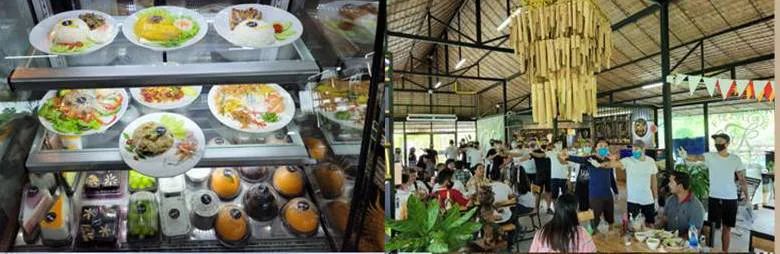
Because of its personalized design, it also attracted a large wave of consumers to check in and take photos, so much so that the shop eventually had to issue a hard-and-fast rule: "Entering the shop to take photos requires a ticket, 50 yuan per person." At the time, the shop said issuing this rule was "truly a last resort," because too many people were entering the shop to "group order" and "freeload photos," and only by adopting a "ticket system" could they ensure the café's normal operation and most customers' user experience.
Image source: Internet kinkab bud Eastday
For professional coffee knowledge exchange and more coffee bean information, please follow Coffee Workshop (WeChat public account cafe_style)
For more specialty coffee beans, please add the private WeChat of Front Street Coffee: kaixinguoguo0925
The above content is compiled by CoffeeHunters, a coffee news website.


