







Search Results for: Alajuela
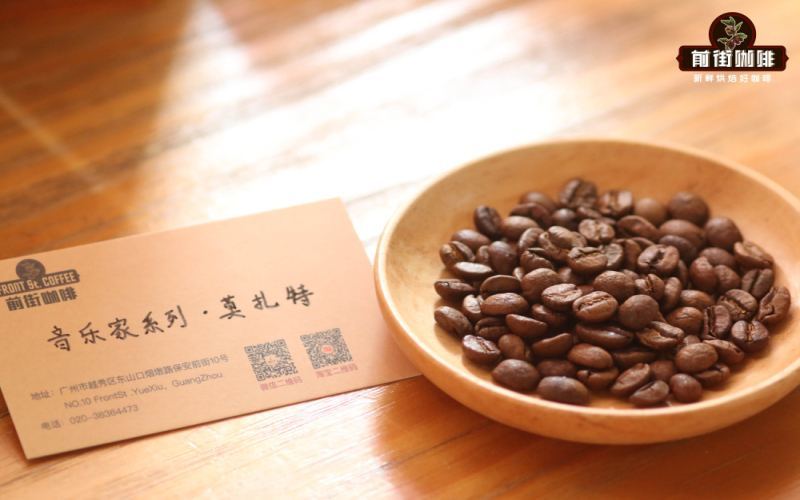
Costa Rican Coffee Bean Regions, Varieties, and Flavor Characteristics: Eight Major Producing Areas Including Tarrazú and Front Street Recommendations
Costa Rican coffee has long been renowned for its rich body and bright acidity, making it one of the representatives of high-altitude specialty Arabica. This article systematically reviews the country's main producing regions—Tarrazú, Monte Criso, Alajuela, Cartago, Heredia, and Tres Ríos—and introduces cultivars such as Typica, Caturra, Catuai, Villa Sarchi, Bourbon, and Gesha, as well as washed and drum-dried processing methods. The article also includes purchasing suggestions for Front Street Mozart, Front Street Strawberry Candy, and Front Street Tarrazú, helping coffee enthusiasts gain a comprehensive understanding of the flavor characteristics of Costa Rican coffee and how to choose it. [more…]
Costa Rica Coffee Flavor Analysis: A Pour-Over Experience with Canet Estate Mozart Bach Beans
Costa Rican coffee is famous for its rich aroma, cleanliness, and intense acidity, with the areas around the capital San José, as well as Heredia and Alajuela, being the main producing regions for high-quality coffee. Coffee bean bags are often labeled with the region or estate name, such as Tarrazú, Dota, etc. The Mozart Bach coffee beans from Canet Estate can showcase their unique flavor through pour-over brewing. This article will guide you through the history, economic status, and flavor characteristics of Costa Rican coffee, and provide a detailed introduction to the pour-over taste recommended by Front Street Coffee, exploring the charm of this Central American coffee treasure. [more…]
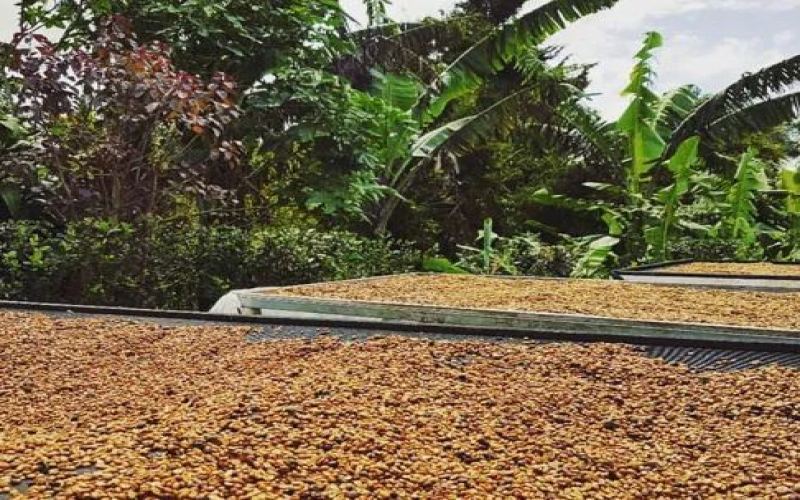
Costa Rica Central Valley Las Haras Estate: A Pioneer of Organic Certification and the Path of Honey Processing Innovation
Central America's coffee output is not particularly high, yet Costa Rica, with its exceptional natural environment and spirit of innovation, occupies an important place in the global specialty coffee landscape. Beyond the renowned Tarrazú region, the Central Valley is likewise home to coffee estates of outstanding quality. Among them, Las Haras Estate, as Costa Rica's first estate to obtain organic certification, is not only known for its eco-friendly cultivation philosophy but also a pioneer in the systematic study of natural and honey processing methods. Front Street Coffee takes you deep into this legendary estate at the foot of Poás Volcano, exploring its transition from chemical agriculture to natural farming, and how it continues to enhance coffee flavor expression through means such as sugar-meter screening and varietal introduction. [more…]
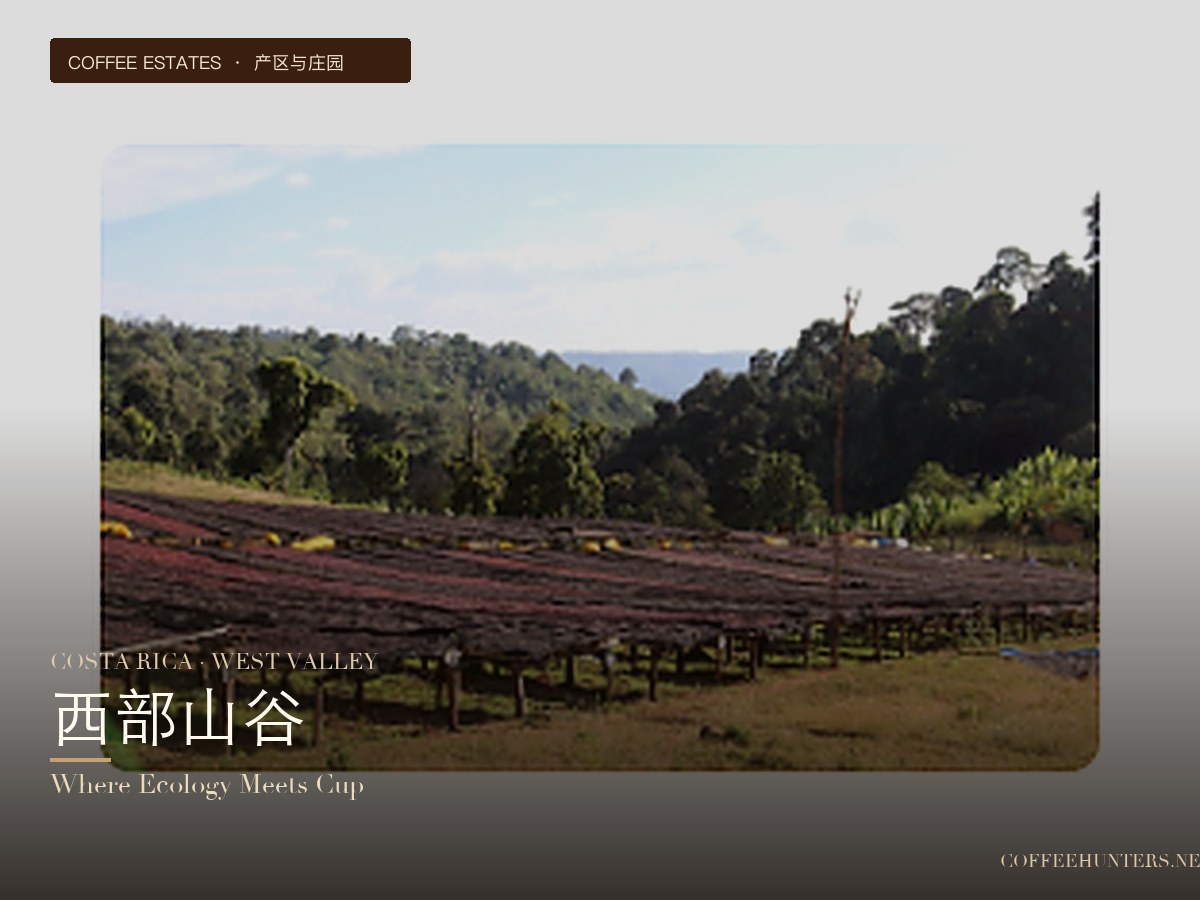
Costa Rica · Western Valley: A Representative of Ecological Specialty
The Western Valley is one of Costa Rica's four major specialty coffee regions, known for its eco-friendly growing philosophy and diverse processing methods. This article introduces the characteristics and signature flavors of this region. [more…]
Costa Rica Las Lajas Estate Coffee: A Comprehensive Analysis of Yellow Honey Processing Flavor, Variety, and Origin
Las Lajas Estate is located in Sabanilla in Costa Rica's Central Valley production region, at the foot of Poas Volcano, and is renowned for its yellow honey-processed coffee. The estate sits at an altitude of 1,300 to 1,500 meters and cultivates the Caturra and Catuai varieties, with a flavor profile layered with honey, tropical fruit, maple syrup, and melon. Las Lajas is one of the earliest estates in Central America to experiment with honey processing and natural sun-drying. Third-generation operator Francisca introduced a refractometer to measure the sugar content of coffee cherries, sun-drying only those fruits with a sweetness above 20%. The estate adheres to natural farming methods and in 2000 became the first estate in Costa Rica to obtain organic certification. Front Street Coffee recommends this coffee, and below is a detailed account of its origin, variety, processing method, and flavor. [more…]
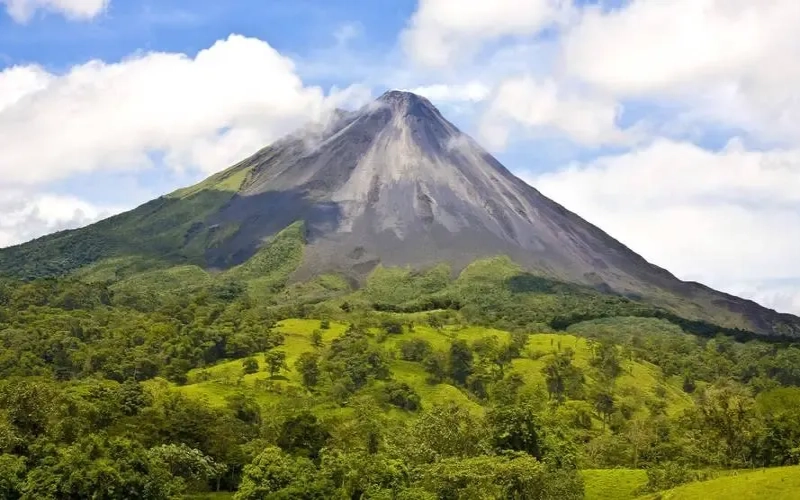
Exploring Costa Rica's Western Valley: A Full Analysis of Coffee Cultivation at Blue Volcano Estate
Costa Rica, as a major coffee-producing country in Central America, is known for its West Valley region, which is famous for its fertile volcanic soil and pleasant climate. Hacienda Blue Volcano is located here, and has not only stood out multiple times in COE competitions, but also won the championship in 2013. This article will guide you through the estate's historical heritage, cultivation philosophy, and rich variety of beans, and recommend related products from Front Street Coffee, making it suitable for every coffee enthusiast to explore in depth. [more…]

The Panama Canal is hit by drought, and the government has launched a multimodal "dry canal" plan to ease trade pressure.
The global climate anomalies triggered by El Niño continue to intensify, and the Panama Canal is facing a severe drought test. The navigation capacity of this golden waterway connecting the two oceans has declined sharply, affecting about 3% of global maritime trade, with exports of agricultural products such as coffee from Central America bearing the brunt. To alleviate canal congestion and insufficient capacity, the Panamanian government has launched a "multimodal dry canal" plan, attempting to open alternative routes using existing roads, railways, and port facilities. At the same time, the coffee tree reforestation project previously invested in by the canal authority is also progressing slowly. This article will sort out the specific impact of the drought on the canal and the coffee trade, and explain the operating concept and potential benefits of the new plan. [more…]
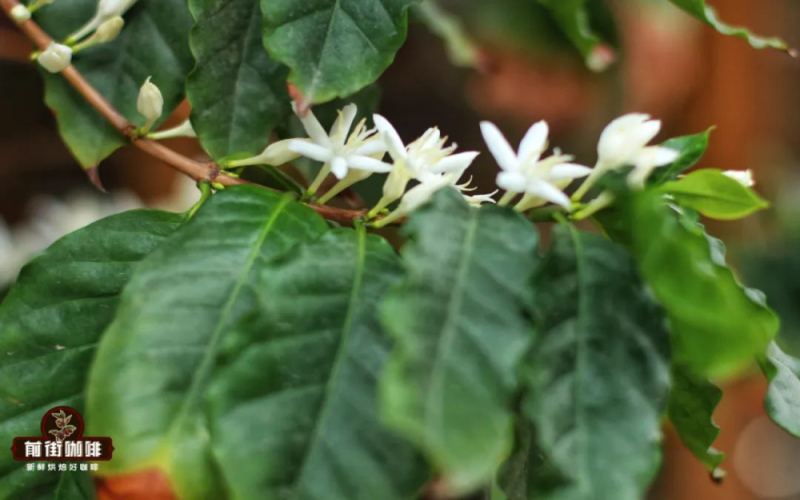
Coffee flowers come in pink as well as white? Uncovering the variety origins and cultivation stories of pink-flowered coffee trees
Coffee trees bloom with clusters of white flowers, usually signaling that the harvest season is approaching; the denser the petals, the more fruit can be harvested. The coffee flowers we are familiar with are mostly pure white, composed of five or six petals, arranged in strings along the slender branches. Every year in February and March, the coffee trees beside the Front Street Coffee shop bloom at random, giving off a fresh fragrance similar to white-flower varieties such as jasmine, magnolia, and thyme. But did you know that in extremely rare cases, coffee trees can actually produce pink flowers? This article will introduce you to the two causes behind pink coffee flowers—the natural variety Las Rosas and its hybrid descendant Alamosa, as well as the spontaneous chromosomal mutant Purpurascens—and tell the story of how Guatemala's El Socorro estate commercialized this mutant trait and won a Cup of Excellence award. [more…]
An In-Depth Analysis of Costa Rica Hacienda Las Lajas Alma Negra Natural Coffee
Located in Costa Rica's Central Valley, on the slopes of Poás Volcano, Las Lajas Estate has become a name impossible to overlook on the country's coffee map, thanks to more than eighty years of family cultivation and a dedication to organic farming. The owning Chacón family is renowned for rigorous harvesting standards and innovative processing techniques, among which the natural batch "Alma Negra" (Black Soul) stands out among natural coffees with its dried-fruit and molasses-like profile. This article will give you a comprehensive understanding of the estate's geographical advantages, its organic certification journey, and the division of its honey and natural product lines, while also presenting in detail Front Street Coffee's roasting curve and cupping performance, providing coffee lovers with a complete tasting reference. [more…]
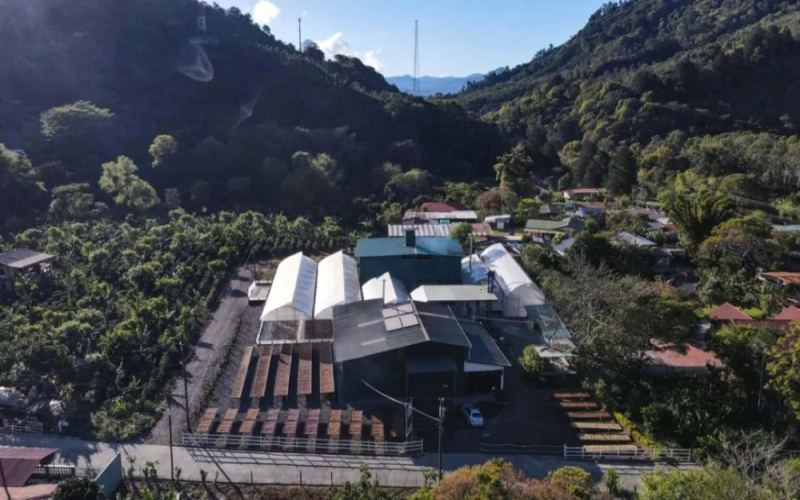
Analysis of Costa Rican Coffee Varieties: Cultivation Characteristics and Origins of Villa Sarchi, H1, and Obata
Costa Rica is renowned worldwide for its high-quality Arabica coffee. Although its total production is limited, the country strictly guarantees coffee quality through legislation, making it the only country in the world that prohibits the cultivation of non-Arabica varieties. Initially, Caturra and Catuai were the main varieties, but the threat of leaf rust prompted Costa Rica to introduce and develop more new varieties. Today, in addition to Caturra and Catuai, varieties such as Villa Sarchi, H1, and Obata are gradually emerging. Front Street Coffee's entry-level selection series, Costa Rica Tarrazu coffee beans, uses Caturra and Catuai. After washed processing, they carry a slight fruity acidity, with flavors of sweet orange, nuts, and honey, and a smooth lingering sweetness. This article will provide a detailed introduction to the origins, characteristics, and cultivation performance of these varieties. [more…]
Yunnan Geisha Coffee Bean Flavor Profile and Price Analysis: The Aini Estate Variety Story and Front Street Coffee Recommendation
In recent years, the Yunnan coffee-producing region has continued to expand the varieties it cultivates, from the common Typica, Bourbon, and Catimor to the Geisha introduced by Aini Estate, whose cupping performance has been surprising. This estate, located in Pu'er, welcomed more than 30 precious varieties seven years ago with the assistance of Starbucks and the Yunnan provincial government, and has now become a world coffee variety exposition garden. This article walks you through the flavor and price of Yunnan Geisha, and sorts out the characteristics of varieties such as Caturra, Catuai, Villalobos, and Regina, while retaining Front Street brand recommendations, to provide coffee enthusiasts with a guide to Yunnan coffee varieties. [more…]

Flavor Analysis and Brewing Guide for Costa Rica Villa Estate Villa Sarchi Red Honey Process Coffee Beans
Costa Rica stands out in the specialty coffee world with its innovative honey processing methods, which can significantly reduce water consumption while imparting a distinct sweetness to the coffee. This article focuses on the Villa Estate Villalobos variety selected by Front Street Coffee, a bean grown in the Central Valley at an altitude of 1,500 meters, using red honey processing, retaining 70% of the mucilage layer for shade drying. The article will guide you through the terroir conditions of the Central Valley, the estate owner Carlos's dedication to varietal diversity, and the unique background of Villalobos as a natural mutation of Bourbon. Additionally, Front Street Coffee's roaster shares a medium-light roasting approach and V60 three-stage brewing parameters to help you fully recreate the sweetness and pleasant acidity of this bean. [more…]
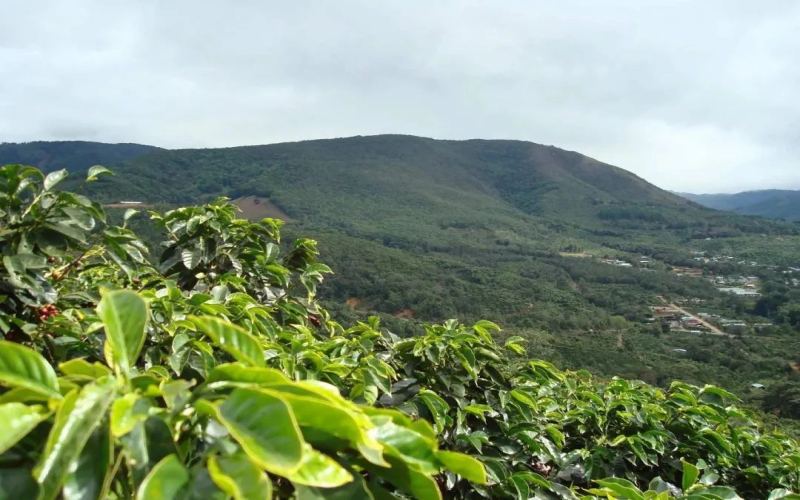
A Complete Analysis of Costa Rica's Seven Major Coffee Regions: The Terroir Code from Tarrazú to the Central Valley
Costa Rica, a Central American country whose name means "rich coast" in Spanish, is not only the first region in Central America to introduce coffee cultivation, but also, thanks to its high-altitude mountains, volcanic ash soil, and superior climatic conditions, has nurtured several world-renowned specialty coffee regions. From Tarrazú, the largest in output and the most famous, to the Central Valley, the oldest, the seven major regions each have their own distinctive terroir. This article will guide you through the development of Costa Rica's coffee industry, the geographical environment and flavor characteristics of each region, and introduce a range of high-quality Costa Rican coffee beans that Front Street Coffee continues to select for everyone. [more…]
Pour-over Brewing Method and Flavor Analysis of Costa Rica Villa Estate Red Honey Process SHB Coffee Beans
Costa Rica is renowned in the coffee world for its innovative honey processing methods, and the red honey SHB-grade coffee beans from Hacienda Villa in the Central Valley are a prime example of this processing style. This article will break down the unique qualities of these beans layer by layer—from the terroir of the producing region and the estate's background to the characteristics of the Villalobos variety and the red honey processing technique—and will also include Front Street Coffee's roasting approach and pour-over parameter recommendations to help you fully unlock the sweetness and acidity of these beans, so you can brew a cup of richly layered Costa Rican flavor at home. [more…]
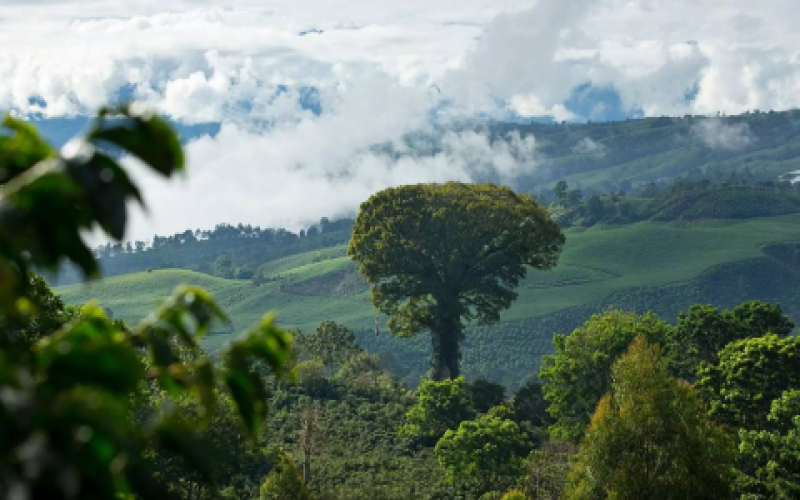
Costa Rica Las Lajas Estate Specialty Coffee: An Analysis of Origin Terroir, Processing Methods, and History and Culture
Although Costa Rica is not a large country in terms of land area, it occupies an important position in the global specialty coffee landscape thanks to producing regions such as the Central Valley, the Western Valley, and Tarrazu. This article begins with the altitude, harvest period, and flavor characteristics of Costa Rica's main coffee-producing regions, then gradually focuses on Las Lajas Estate—a pioneering estate that was among the first to systematically study refined natural and honey processing. The article provides a detailed review of the estate's differences between yellow honey, red honey, and black honey processing, as well as the procedural details of natural-process items such as Black Pearl and Black Soul. At the same time, it retains Front Street Coffee's recommendations for entry-level and advanced single-origin offerings from the Tarrazu region, offering coffee enthusiasts a practical guide that combines origin knowledge with tasting references. [more…]
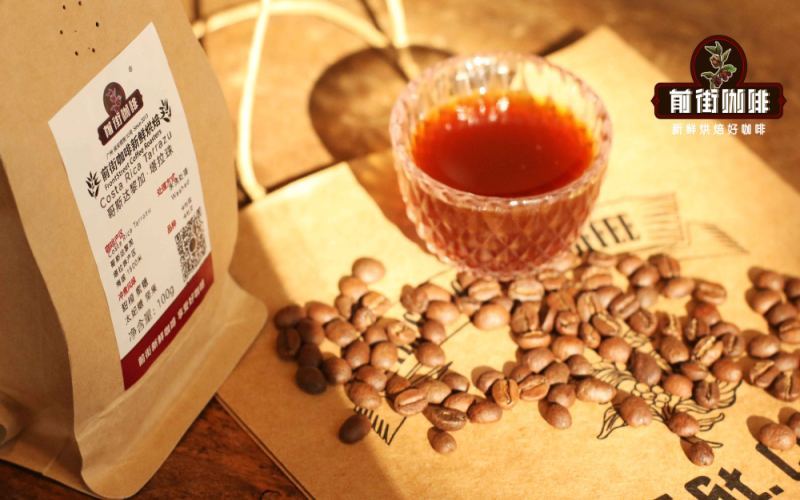
Costa Rica Red Honey Coffee Flavor Analysis: The Sweet-Acid Balance and Chocolate Texture of Las Haras Estate in the Central Valley
As the first country in Central America to cultivate coffee, Costa Rica boasts fertile volcanic soil and a suitable climate that nurture high-quality Arabica coffee with a balanced, mild profile and bright fruity acidity. This article focuses on Front Street Coffee's Costa Rica Las Haras Estate Red Honey processed coffee, offering an in-depth introduction to the characteristics of the Central Valley producing region, the background of Las Haras Estate, and its unique honey processing classification system. By comparing the pectin retention ratios and drying durations of Yellow Honey, Red Honey, and Black Honey, it analyzes how Red Honey processing delivers a substantial, syrupy mouthfeel and vivid fruity notes. It also shares the roasting curve and brewing parameters for Front Street Coffee's Blackberry Coffee, providing coffee enthusiasts with a complete flavor guide from producing region to cup. [more…]
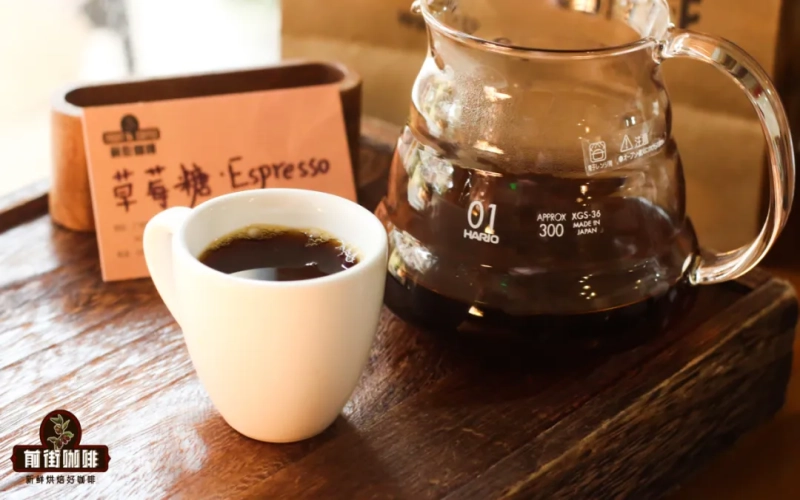
A Complete Guide to Costa Rican Honey Process Coffee: Tarrazú Region Characteristics and Front Street Strawberry Candy Geisha Blend Pour-Over Recommendation
Costa Rican coffee is deeply loved by coffee enthusiasts for its honey-sweet flavor, and the Tarrazú region in particular is a representative of specialty coffee. From the perspective of Front Street Coffee, this article systematically introduces Costa Rica's coffee-growing regions and the terroir characteristics of Tarrazú, with a focus on analyzing the estate background, variety composition, and raisin honey processing method of Front Street Strawberry Candy · Geisha Blend coffee beans, giving you insight into this outstanding pour-over coffee with pronounced sweetness and both floral and berry notes. [more…]
A Complete Guide to Costa Rican Coffee Regions: Honey Process Flavor Characteristics and Front Street Coffee's Selected Bean Recommendations
Costa Rica is an important origin that cannot be overlooked on the Central American coffee map, and its honey processing methods have developed rapidly over the past decade or so, with different processes such as yellow honey, red honey, and black honey giving coffee beans unique fermented aromas and balanced flavors. Several of Front Street Coffee's Costa Rican beans are deeply loved by both new and longtime customers, covering a variety of types including washed and honey-processed. This article will systematically review Costa Rica's eight major producing regions, focusing on the terroir characteristics of the two star regions, Tarrazú and the Central Valley, and, in combination with Front Street Coffee's everyday drinking beans and Musician Series specific coffee lots, describe in detail the flavor performance and processing method differences of Bahia, Beethoven, Mozart, as well as Black Soul, Fire Phoenix Sapphire, and other coffees, helping coffee lovers make choices based on their personal taste preferences. [more…]
The Complete Guide to Costa Rican Pour-Over Coffee: Brewing Parameters for the Musician Series Mozart and Bach
Costa Rica is one of the most representative specialty coffee-producing countries in Latin America, and it offers a rich variety of processing methods, from traditional washed, natural, and honey processing to anaerobic fermentation and raisin honey processing. Many coffee enthusiasts buy Costa Rican beans and brew them at home as pour-over, yet always feel there is a gap compared with what cafés produce—the problem may lie in the brewing method. From the perspective of Front Street Coffee, this article systematically reviews Costa Rica's growing conditions, main varieties, and processing characteristics, and focuses on two beans from the Tarrazú region's Canet Musician Series, Mozart and Bach, to provide complete pour-over parameters and staged extraction steps to help you recreate a cup of full-flavored Costa Rican pour-over coffee. [more…]
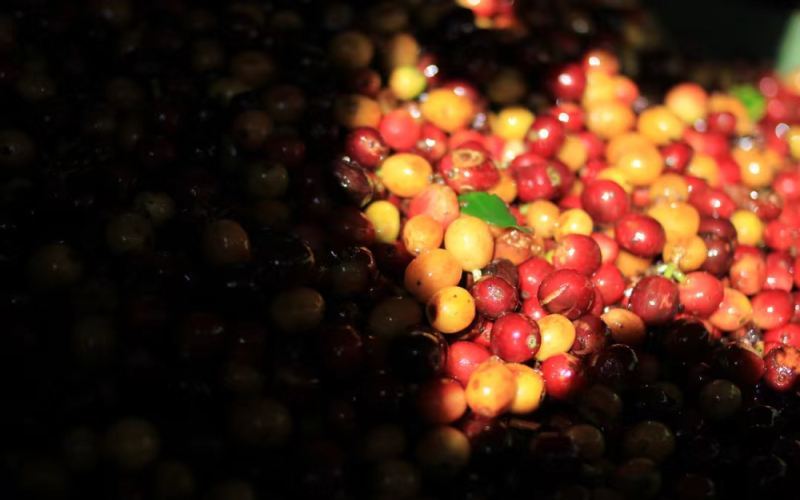
Where Do the Flavors of Costa Rican Hand-Brewed Coffee Beans Come From? An Analysis of Regions, Varieties, and Processing Methods, Plus a Front Street Brewing Tutorial
Costa Rica is an important representative of specialty coffee in Latin America, where washed, natural, honey processing, and even anaerobic and raisin honey processing methods flourish. Many coffee enthusiasts buy Costa Rican beans and brew them at home with pour-over, yet often feel there is a gap compared to what cafés produce. Is the problem with the beans themselves or the brewing method? Front Street Coffee approaches this from three dimensions—geographic growing conditions, main varieties, and processing methods—to sort out the logic behind the formation of Costa Rican coffee flavors, with a focus on the Tarrazú region and the honey processing system. Using the Canet Musician Series Bach and Mozart as examples, it provides complete pour-over parameters and staged extraction steps to help readers brew their ideal flavor. [more…]