







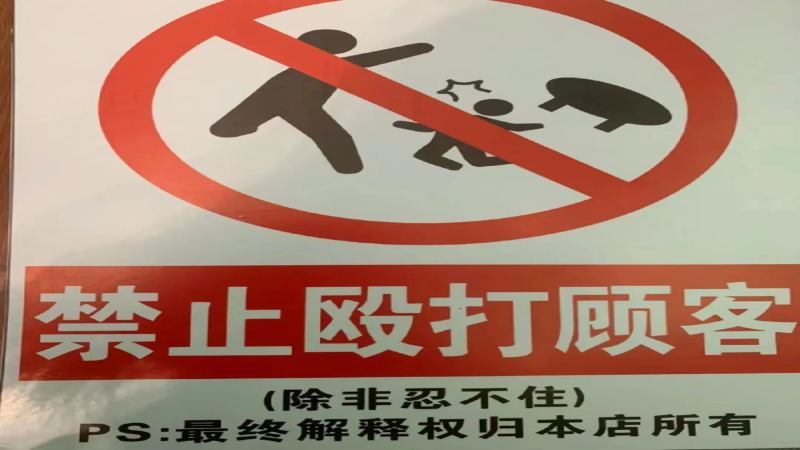
Why do coffee shops write about coffee rules for customers?
Café house rules usually trace back to specific incidents rather than arbitrary strictness. Owners report diaper changes in the seating area, spitting on the floor, customers bringing drinks from other shops to use the chairs, requests to turn off the music for a phone call, and stinky tofu eaten indoors. Each posted rule, from no diaper changes to no strong-smelling food, answers something that already happened.
Competition leaves independent cafés balancing personal expression against customer relationships, and rules are one tool for reserving limited space for people who value the atmosphere. Owners often word them with humor and gentleness rather than confrontation. Complaints still appear, including bad reviews left after card playing was refused, but the rules persist because similar behavior keeps recurring.
Cafes are supposed to be quiet, comfortable spaces, but many owners have found that some customers' behavior is truly unbearable. Thus, seemingly "unreasonable" house rules have emerged—from no diaper changes to no stinky tofu, each rule hides a real story. This article rounds up the bizarre experiences of cafe owners in various places and how they set rules with humor and gentleness, maintaining the shop's environment without losing human warmth. Amid fierce competition, how can independent cafes balance personal expression with customer relationships? This may be a question every practitioner needs to consider.
▲
Click to follow | Daily specialty coffee culture magazine Coffee Workshop
In many people's eyes, a cafe should be a quiet and cozy place. Owners want to reasonably protect the rights of both sides and reserve the limited space for those who truly love this environment—this starting point itself is not a problem. For this reason, many independent cafes have established their own "little rules," using regulations to safeguard the atmosphere inside the shop.
Ultimately, those slightly "strict" terms at each shop often correspond to unpleasant experiences that once happened. Only when individual customers ignore repeated persuasion do owners have to set these seemingly "unreasonable" rules.
On social platforms, cafe owners from various places can often be seen gathering to vent about outrageous behavior encountered in their shops, each story jaw-dropping.
"I've encountered someone changing a baby's diaper in a cafe, and it was a big one" "Spitting on the floor" "Bringing coffee from another shop to sit in your store just because your chairs are comfortable" "Turn off the music, I need to take a call" "Giving a bad review on Dianping just because they're not allowed to play cards" "Bringing stinky tofu into the shop to eat, and saying this stinky tofu isn't stinky so it won't affect others"...
After reading these real experiences from owners, it's both heartbreaking and funny. Perhaps precisely because such unpleasant behavior is not rare in cafes, it resonates widely every time. As similar incidents keep increasing, owners can no longer tolerate it and ultimately can only "filter customers" by setting reasonable rules, hoping to avoid these headaches. And how to set rules has become another subject of study in running a shop.
It must be admitted that some "rules" are understandable to everyone; what truly dissatisfies consumers may lie in "rigid enforcement" or "too harsh a tone." So rather than risk offending customers, it's better to phrase the rules more gently and interestingly, expressing "refusal" in a way customers find easier to accept.
Not long ago, a cafe owner posted: "Can't persuade them, really can't persuade them, the owner has started writing shop rules." Although the shop isn't large, since persuasion doesn't work, it's better to establish the rules before customers enter, achieving mutual selection between merchant and consumer.
At first glance, this owner indeed wrote quite a few rules—seven in total. But reading through this "Shop Rules 1.0" carefully, you can feel between the lines that the owner is a very interesting person, and the rules themselves don't make people uncomfortable. For example, the owner asks everyone not to question the taste of the shop's playlist, while also actively inviting customers to write down songs they'd like to hear.
Also addressing the issue of "no smoking indoors," another owner used a humorous and quirky tone to set constraints for entering customers: "If you want to smoke, smoke me first; if you want to play cards, hit me first."
Facing issues like randomly moving shop furnishings and commercial photography, another owner chose "bold red font" paired with soulful memes, using magic to defeat magic.
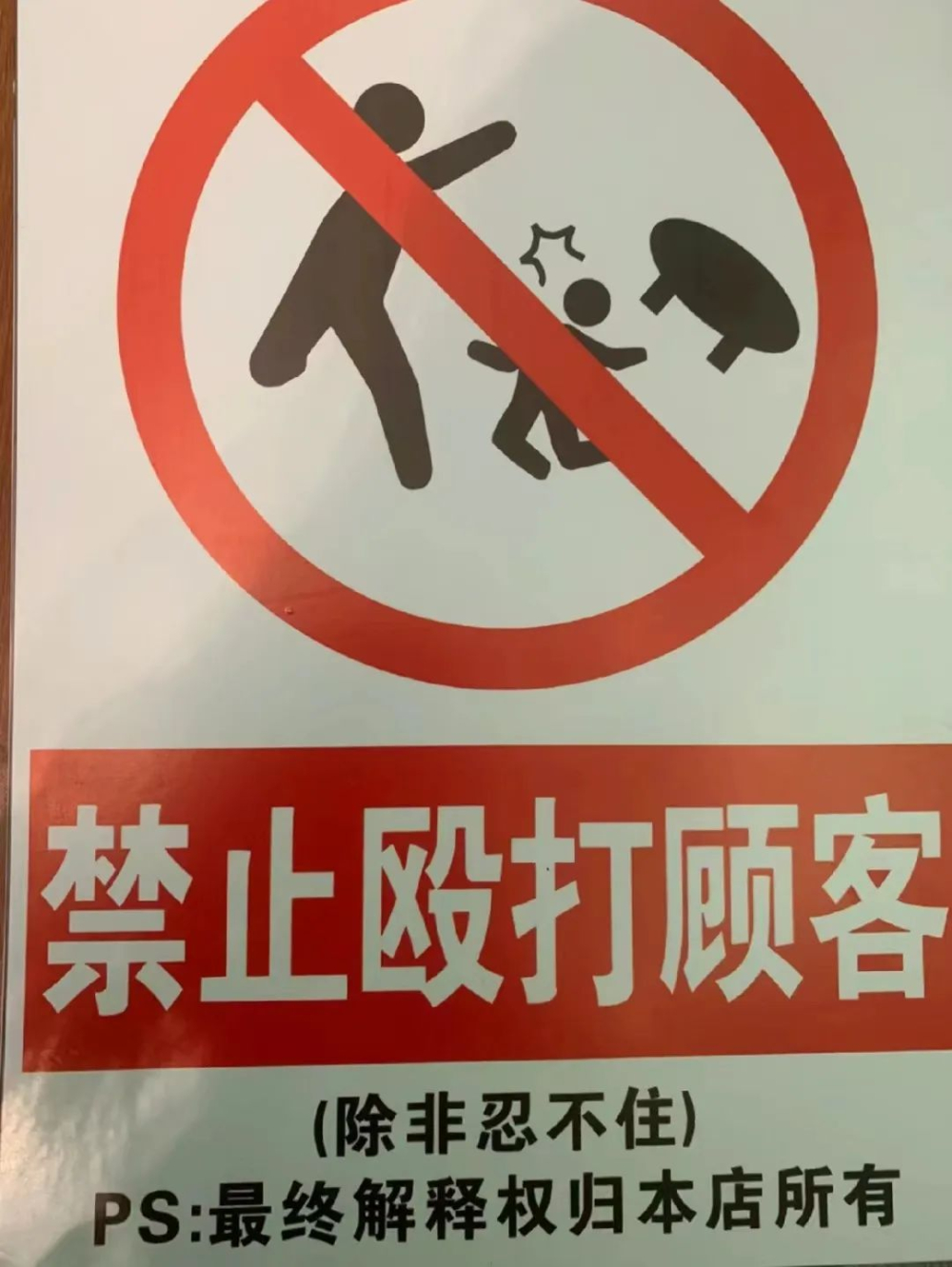
Choice is ultimately mutual. Shops have the right to choose customers, and customers who are dissatisfied can choose not to spend there. For the atmosphere each cafe carefully creates and meticulously polishes, we might as well be a bit more tolerant.
Under fierce competition, if a cafe wants to stand firm, just making the cup of coffee in front of you well is far from enough—it's more about managing relationships between people. While showing personality, how to get along with customers is likewise a proposition independent cafes must always ponder.
Image source: Internet
Disclaimer: Some images in this article are from the Internet; for some content on the website such as images, we will respect the original copyright and indicate the source, but due to the large quantity, a few images and texts may not have been credited in time—please forgive us. If the original author has any disputes, they can contact the website for handling; once verified, we will correct it immediately. Compiled and edited by "Coffee Workshop"; please indicate the source when reposting. If there is infringement, please inform us for deletion. Thank you~!
The above content is compiled by CoffeeHunters, a coffee news website.


