







Search Results for: Coffee Second Brew
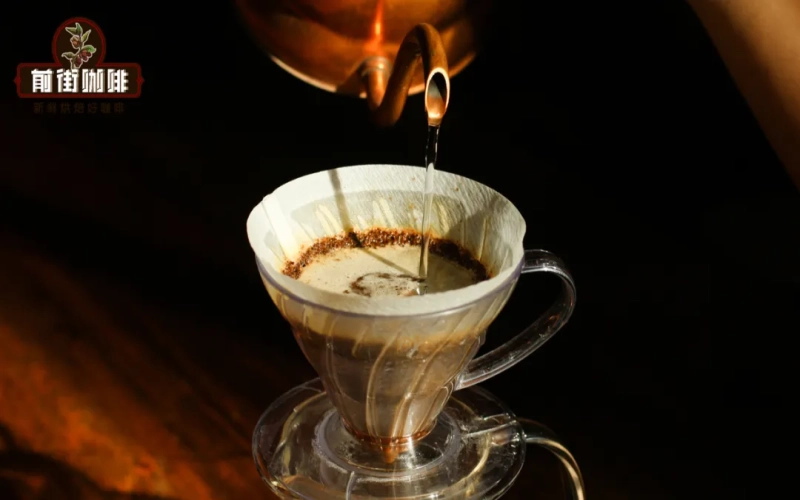
Can coffee grounds be brewed a second time? Analyzing why coffee, unlike tea leaves, cannot be repeatedly re-steeped from the perspective of extraction yield and flavor balance
A friend once asked while buying beans at the Front Street store: can coffee grounds that have already been brewed once be used again for a second cup? Some bloggers online have also demonstrated that a second brew can still yield decent flavor. From a practical standpoint, of course coffee grounds can be brewed again—even a third or fourth time. But "can be brewed" and "tastes good" are two entirely different matters. This article starts from actual tests on Front Street's Sidra, and combines the proportion of soluble matter, extraction yield control, and the differences in dissolution rates of acidity, sweetness, and bitterness to explain why coffee is usually brewed only once, and the fundamental reasons why a second brew tastes thin and lacks layering, before offering a conclusion that better suits the general palate. [more…]
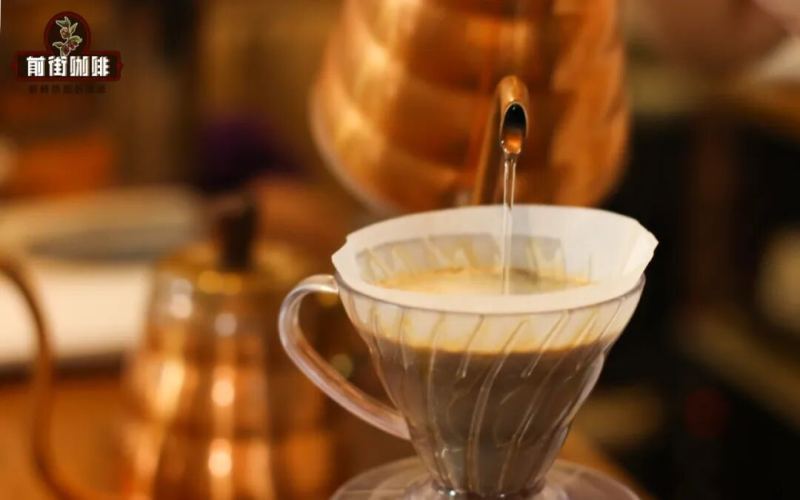
Pour-Over Coffee Tutorial | Why Do Some Coffee Beans Have Floral Aromas? How to Brew the Floral Flavors in Ethiopian Gedeb G1 Coffee?
Although floral aromas are not uncommon in coffee, they are undoubtedly one of the most appealing flavors among the many. After all, quite a few friends became fascinated with coffee precisely because they tasted floral notes in it. But brewing floral notes out of coffee is not a simple matter, because friends often tell Front Street that they [more…]
The Correct Brewing Method for Filter Coffee Bags: Can You Brew Yirgacheffe Drip Coffee Bags a Second Time? How Can Coffee Beginners Make Their Own Drip Coffee Bags at Home?
For more specialty coffee knowledge, please follow our WeChat official account: Front Street Coffee (FrontStreet Coffee). As more and more people join the coffee-drinking ranks, many white-collar workers and university students around Front Street are doing the same—even high schoolers have started drinking pour-over. Compared with the one-dimensional taste of instant coffee, [more…]
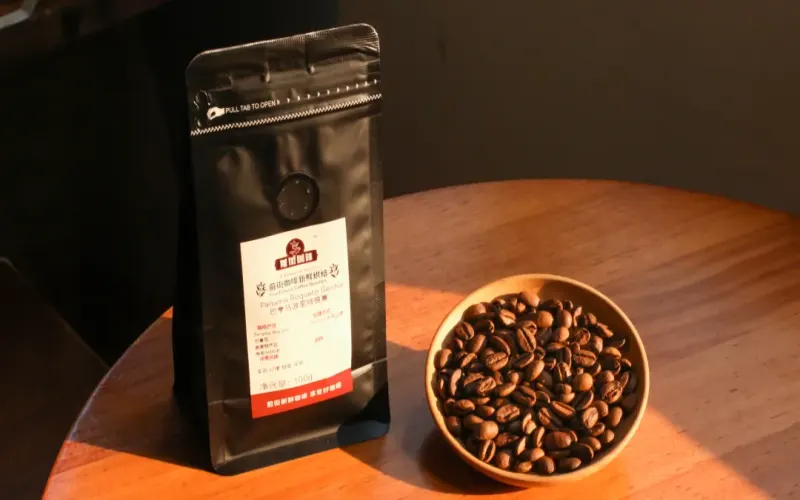
How to brew Geisha coffee for the best taste? A detailed guide to Hacienda La Esmeralda brewing parameters, water temperature, and grind settings
Geisha has outstanding flavors but limited production, so its price is naturally much higher than ordinary beans. As a result, many enthusiasts become hesitant to brew it boldly once they get their hands on it, fearing they will waste such good beans. In fact, as long as you understand Geisha's varietal characteristics and roasting logic, and choose the right water temperature, grind size, and coffee-to-water ratio, you can consistently bring out its signature floral aroma, fruity notes, and tea-like body. This article uses the Boquete Geisha from Front Street Coffee's bean list as an example to share two practical brewing methods: a conventional three-pour method and a variable-temperature three-pour method, focusing respectively on balanced expression and pronounced floral aromatics. The article will also explain the extraction approach for high-density light-roast beans, and why good beans are more forgiving to brew and do not require excessive worry about over-extraction, helping you brew the Geisha in your hands to its ideal flavor. [more…]
Coffee Flavors | What Does "Juiciness" in Coffee Mean? Which Coffee Beans Should You Choose to Brew Coffee with Juiciness?
In everyday articles, Front Street Coffee often uses "juiciness" to describe a cup of coffee. "What is juiciness?" friends occasionally ask Front Street Coffee after reading. When we taste a cup of coffee, we combine the flavors and aromas we encounter with our own taste preferences and memories, associating them with [more…]
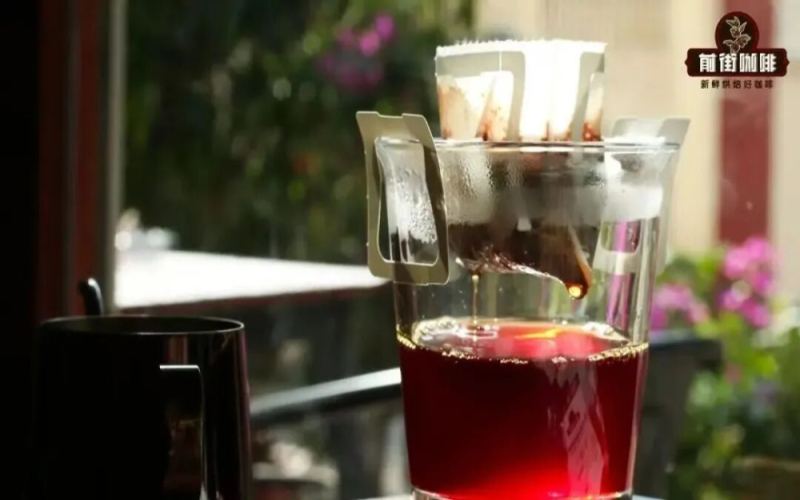
A Complete Guide to Drip Bag Coffee Brewing: Is Blooming Necessary, Can You Re-Extract, and the Reasons Behind No Foam
Drip bag coffee, with its convenience and high cost-performance ratio, has become the daily freshly brewed coffee of choice for many people. But with the same drip bag, some brew it so weak it tastes like water, some end up with bitterness, while others can produce something close to pour-over quality. Where exactly does the difference lie? This article addresses the most commonly asked questions about brewing drip bag coffee: precautions for hanging and pouring, whether a gooseneck kettle is necessary, whether the first pour needs a bloom, why the second pour produces no foam, whether the grounds can be extracted twice, and the common reasons the taste comes out too weak. It also incorporates the fresh-roast characteristics of Front Street Coffee drip bag coffee to offer specific operational advice, helping you improve your drip bag coffee brewing on all fronts. [more…]
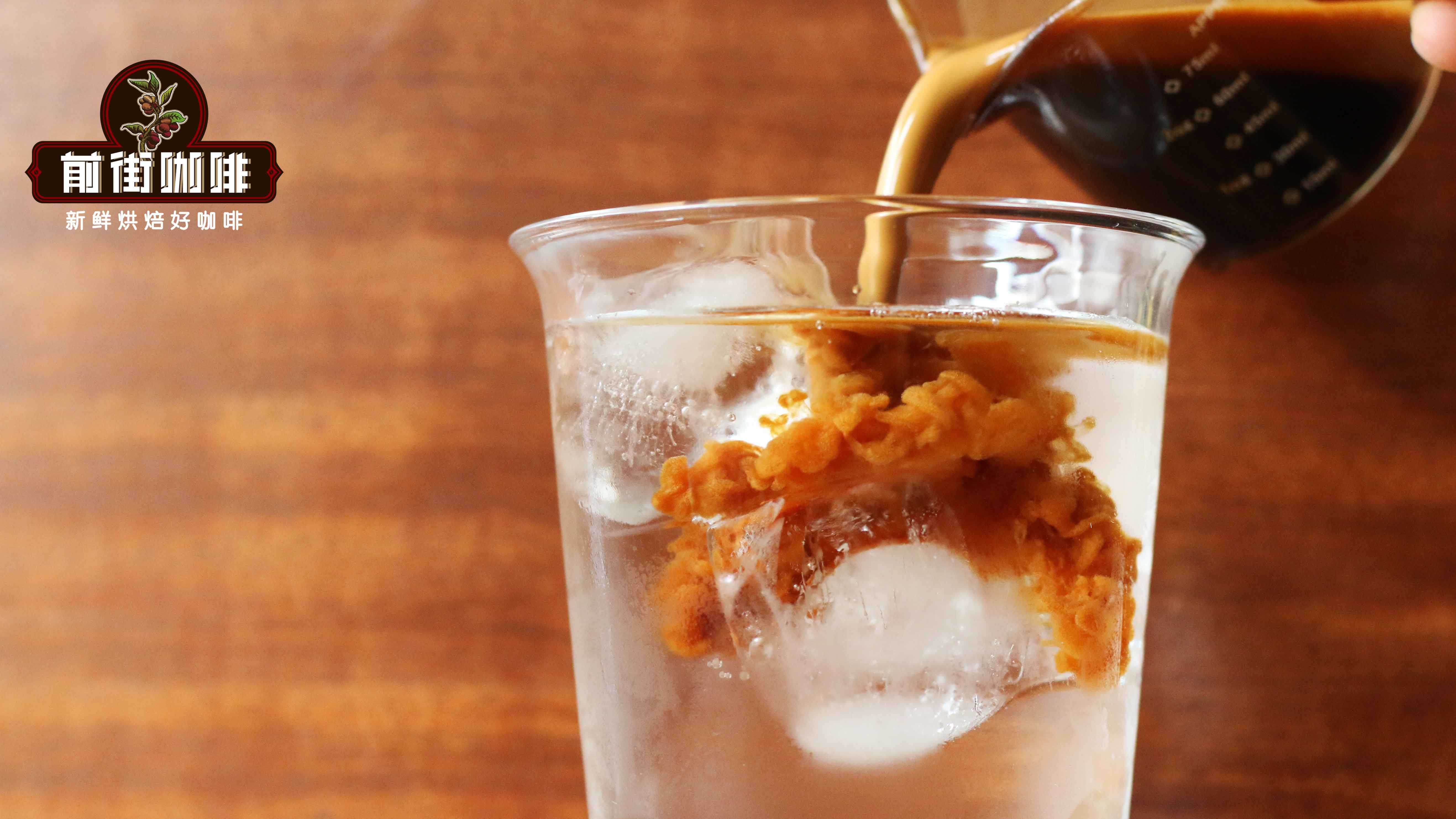
Cold Brew, Ice Drip, and Nitro Coffee Fully Explained: The Extraction Principles, Brewing Steps, and Flavor Differences of Four Iced Coffees
In the height of summer, a glass of iced coffee always brings a refreshing, invigorating coolness. Currently, the most common types of iced coffee are iced Americano, iced pour-over, cold brew, and iced drip, plus nitro cold brew, which is cold brew infused with nitrogen gas. These iced coffees each have their own merits in terms of extraction method, preparation time, equipment threshold, and the final flavor presentation. This article will analyze their differences and distinctive features one by one from the dimensions of extraction principles, detailed preparation steps, ease of operation, and taste characteristics, helping you find the cup of iced coffee that best suits your taste. Whether you prefer something light and crisp or are fond of a rich, fermented flavor, you can find the answer here. [more…]
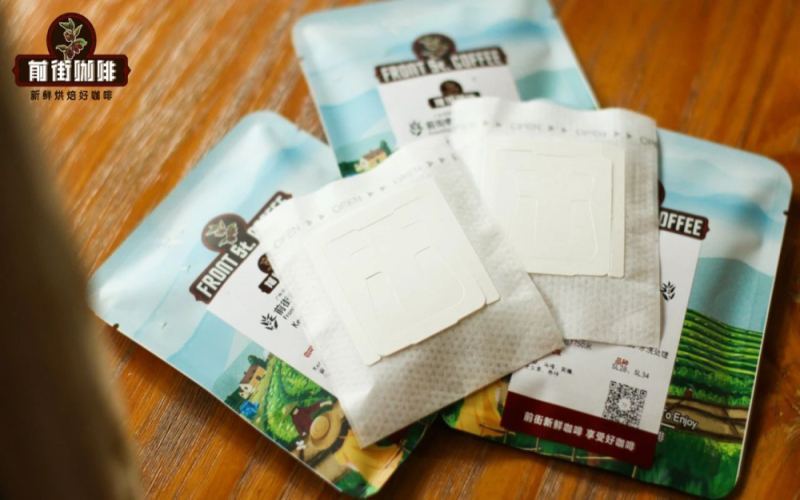
Can Drip Coffee Bags Be Reused for Multiple Brews? The Flavor Performance of a Second Brew and the Correct Way to Use Them
Drip bag coffee has become the daily first choice for many coffee lovers thanks to its convenience and specialty-grade flavor. But many people wonder: how many times can one drip bag actually be brewed? Does a second brew still have any flavor? Starting from the production process of Front Street Coffee's drip bags, this article provides a detailed analysis of how key steps such as grinding, grinder cleaning, and nitrogen packaging affect flavor, and introduces two seasonal products: the Front Street Brazil Pulped Natural Red Fruit Drip Bag and the Ethiopia Natural Sidamo Hambela Drip Bag. At the same time, the article also explains the correct brewing parameters and techniques for drip bag coffee, and answers the common question of "can it be brewed repeatedly," helping you easily enjoy a good cup of coffee at home. [more…]

Can Drip Bag Coffee Be Rebrewed? A Detailed Guide to Brewing Times, Shelf Life, and Proper Brewing Methods
Drip bag coffee, with its advantage of offering both convenience and flavor, has become a daily choice for many coffee lovers in recent years. But there are still plenty of questions surrounding drip bag coffee: Can it be brewed repeatedly? How long is its shelf life? Is the filter bag material safe? And how should it be brewed correctly? Starting from the product features of Front Street drip bag coffee, this article will answer these common questions one by one, offer practical tips on water temperature, water volume, and staged pouring, and finally recommend several drip bag coffees with different flavors according to roast level, helping you easily brew a delicious cup of single-origin coffee. [more…]
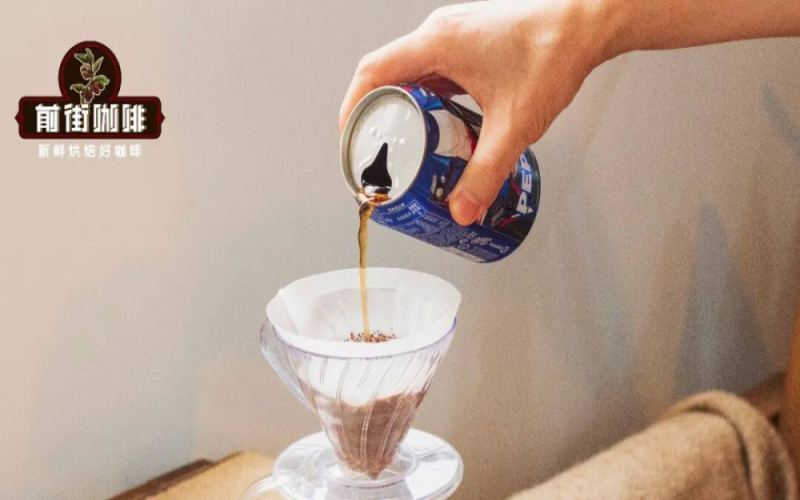
What Happens When You Replace Hot Water with Cola to Brew Coffee? A Hands-On Comparison of Iced Cola Pour-Over vs. Cola Ice Cube Pour-Over
Can cola actually be used to brew coffee? Front Street Coffee, out of curiosity, conducted two rounds of hands-on testing: in the first round, iced cola was used directly instead of hot water to extract Front Street Blackberry Coffee; in the second round, cola was frozen into ice cubes while hot water was still used for brewing, to compare the flavor differences between the two. The results showed that when iced cola was used for direct extraction, the low temperature and abundant bubbles hindered the release of soluble coffee compounds, making the final product taste more like a glass of coffee-flavored iced cola; whereas when cola ice cubes were used instead, the coffee flavors were finally preserved, with raisin, floral, and berry notes clearly emerging, layered with the icy sweetness of soda, making the overall cup refreshing and mellow. This article fully documents the parameters, brewing steps, and flavor observations, and is suitable for coffee enthusiasts who want to try a new method at home. [more…]
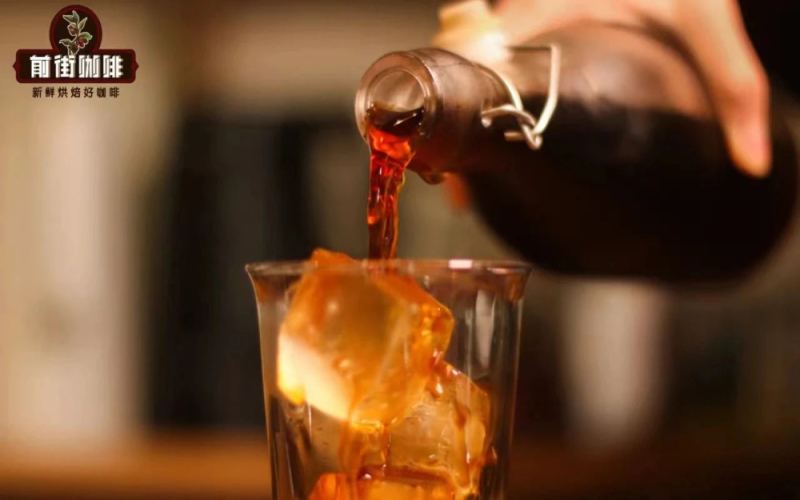
Comprehensive Comparison of Iced Americano, Iced Pour-Over, Ice Drip, and Cold Brew Coffee: Extraction Methods, Flavor Differences, and Fat-Loss Effects Explained
On a hot summer day, a glass of iced coffee always brings refreshment and a pick-me-up. There are four common types of iced coffee: iced Americano, iced pour-over, cold brew, and iced drip. Each has its own characteristics in terms of extraction method, preparation time, difficulty of operation, and flavor profile, making them suitable for people with different taste preferences. Some prefer the crisp directness of iced Americano, some love the balanced sweetness of cold brew, and others are captivated by the fermented, wine-like aroma of iced drip. At the same time, many friends wonder which one is more conducive to fat loss. Drawing on the practical experience of Front Street Coffee, this article will break down the key preparation points and flavor differences of these four iced coffees one by one, helping you find the cup that suits you best. [more…]
A Comprehensive Analysis of the Four Major Types of Iced Coffee: Extraction Methods, Preparation Parameters, and Flavor Differences
Iced coffee is a popular beverage choice in summer. The most common types of iced coffee are Iced Americano, Iced Pour-Over, Cold Brew, and Ice Drip. Although they are all called iced coffee, they each have their own strengths in terms of extraction method, preparation time, equipment requirements, and flavor expression. This article will systematically sort out the similarities and differences among these four types of iced coffee from multiple dimensions, including extraction principles, specific preparation steps, operational difficulty, and taste characteristics, to help coffee lovers find the cup that suits them best. Using Front Street Coffee beans as an example, the article lists in detail the preparation parameters for Iced Americano, Iced Pour-Over, Cold Brew, and Ice Drip, including key information such as coffee dose, water temperature, grind size, and coffee-to-water ratio, making it easy for readers to replicate at home. [more…]
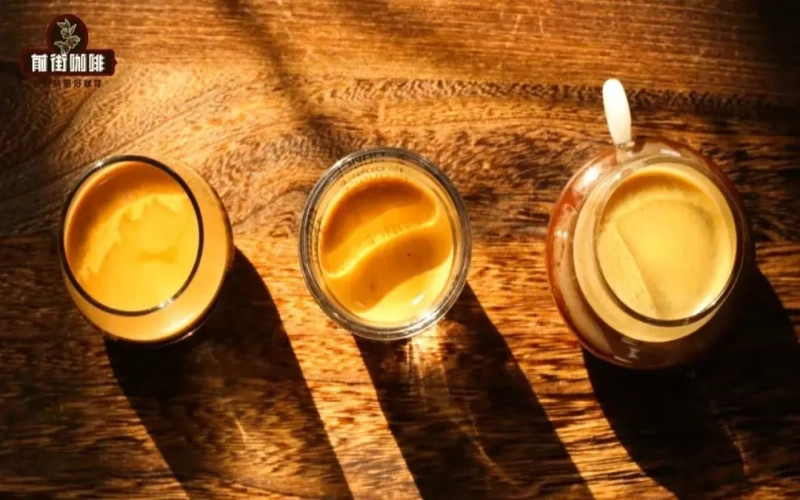
What exactly is the difference between ristretto, espresso, and lungo? The three espresso extraction types and why cafés rarely offer certain options
Many coffee enthusiasts have heard of the three terms "original extraction," "fine extraction," and "full extraction," but are not quite clear on what exactly distinguishes them, nor why these options are almost never seen in specialty coffee shops. In fact, they correspond respectively to Normale, Ristretto, and Lungo in espresso—that is, regular espresso, short-extraction espresso, and long-extraction espresso. The core differences among the three center on concentration and flavor expression: different brew ratios lead to changes in the extracted coffee's concentration and extraction yield. This article uses Front Street Espresso Blend · Strawberry Candy Espresso as an example to break down the extraction parameters and flavor characteristics of the three espressos one by one, and explains why specialty coffee shops rarely offer multiple espresso type choices—this involves both the practical difficulty of grind size adjustment and the compatibility of different espressos in milk coffee. [more…]
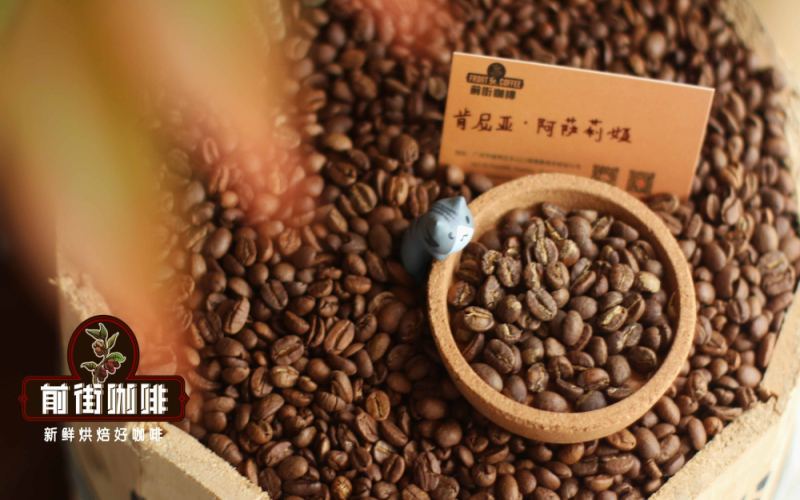
Where do the floral aromas and fruity acidity of Kenyan specialty coffee come from? Which extraction methods and brewing recipes suit it?
Kenyan coffee is renowned for its bright, elevated fruit acidity and full, substantial berry mouthfeel, making it one of the representative profiles of acidity-driven style in specialty coffee. Its flavor formation is inseparable from the SL-28 and SL-34 varieties, as well as the distinctive double-fermentation washed (K72) process. This article will start from the terroir of the origin, the background of the varieties, and the processing method flow, to analyze the floral and berry notes of Kenyan coffee, and provide extraction approaches such as ice hand pour, ice drip, and cold brew that are suitable for showcasing its acidity, while retaining Front Street Coffee's specific brewing parameters and product recommendations for coffee enthusiasts' reference. [more…]
Cold Brew Coffee Bean Recommendations | Can Espresso Coffee Powder Be Used to Make Cold Brew? What Are the Characteristics of Cold Brew Coffee? Which Coffee Beans Are Suitable for Making Cold Brew?
Making cold brew coffee can be said to be the easiest among all the many coffee extraction methods, and it doesn't require any technical skill—it's a way for every coffee novice to easily brew delicious iced coffee. Front Street Coffee has shared quite a few articles about various aspects of cold brew knowledge, and has also conducted studies of various sizes on the parameters involved. [more…]
How to Make Coffee Floral Notes More Prominent? Yirgacheffe Gotingding Variable Temperature Brewing Method and Geisha Flavor Analysis
Floral notes are one of the most captivating flavors in coffee, and many people fall head over heels into the rabbit hole precisely because they tasted florals in a cup. But consistently brewing clear floral notes at home is no easy task: you need to choose the right floral beans, and you also need a brewing strategy that keeps the florals from being masked or fading too early. From the perspective of Front Street, this article first explains where floral notes come from, covering factors such as variety, altitude, processing, and roasting; then, drawing on the approach of 2022 WBrC champion Sherry, it shares a three-pour, variable-temperature brewing scheme, and uses Yirgacheffe·Gedeb as an example to give reproducible parameters and step-by-step instructions. [more…]
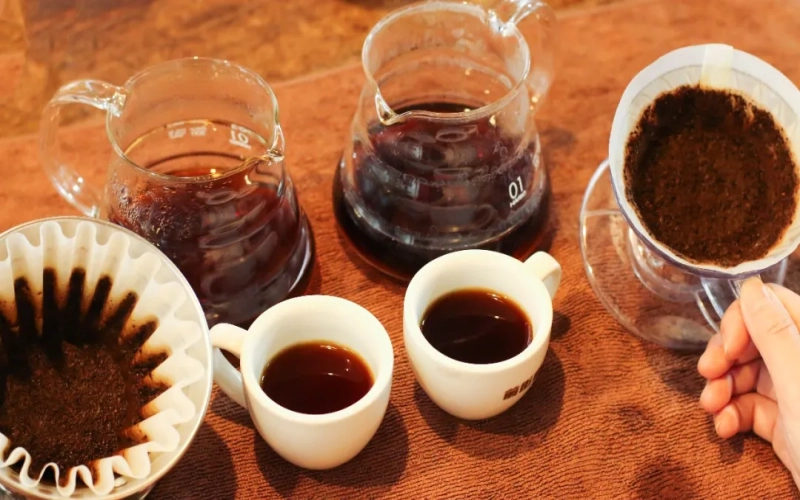
How Does Fine Grind Fast Extraction Differ from Coarse Grind Slow Extraction? A Full Analysis of Pour-Over Parameters and Flavor Differences
Among the many variables that affect extraction results, the combination of grind size and extraction time has long been a subject of debate. This article compares two approaches—"fine grind, fast brew" and "coarse grind, slow brew"—analyzing their differences in flavor complexity, body, and balance. Drawing on the actual brewing parameters for Front Street Ethiopia Huakui, it demonstrates the procedures for fine grind with a short time and coarse grind with a long time, helping coffee enthusiasts understand the applicable scenarios and room for adjustment for each approach. [more…]
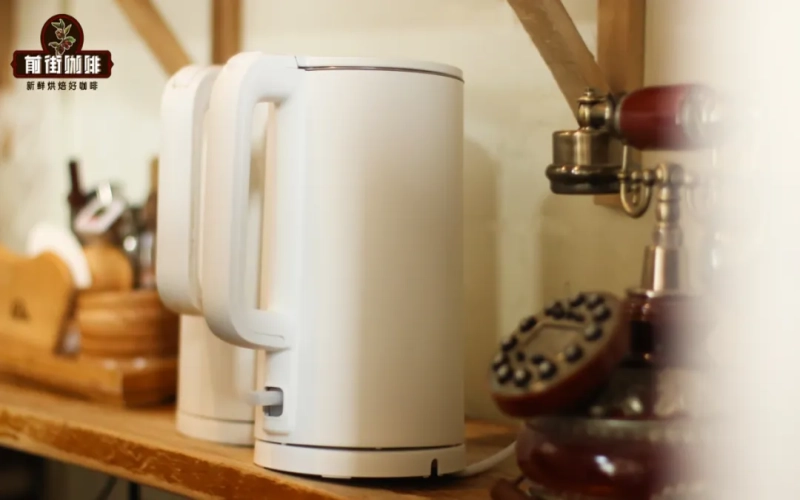
Why do pour-over kettles feature a long, slender spout design? Can an ordinary electric kettle handle coffee brewing?
Friends who have just gotten a new electric kettle often ask: can this kettle be used directly to brew pour-over coffee? The answer is yes, but brewing a delicious cup with it is not so simple. The long, slender neck, narrow spout, and low center of gravity of a professional pour-over kettle are all designed for stable pouring; an ordinary electric kettle is built around boiling water, lacks a flow-guiding structure, and is naturally harder to control. Through hands-on testing, Front Street Coffee shares two workable methods for brewing good coffee with an ordinary electric kettle, and provides complete extraction parameters and brewing steps, verifying that an electric kettle can also brew coffee with excellent flavor. [more…]
Colombia Finca La Esperanza Natural Pink Bourbon: A Complete Guide to Cold Brew and Pour-Over Concentration Calculations
Front Street Coffee presents Colombia's La Esperanza Estate sun-dried Pink Bourbon, which has drawn attention for its rich winey aroma and tropical fruit notes. This article first introduces this bean's origin, processing method, and flavor characteristics, then explains in detail how to extract it by pour-over and Japanese iced pour-over, and provides reference parameters and operating steps to help coffee lovers brew a cup of richly layered Pink Bourbon at home. [more…]
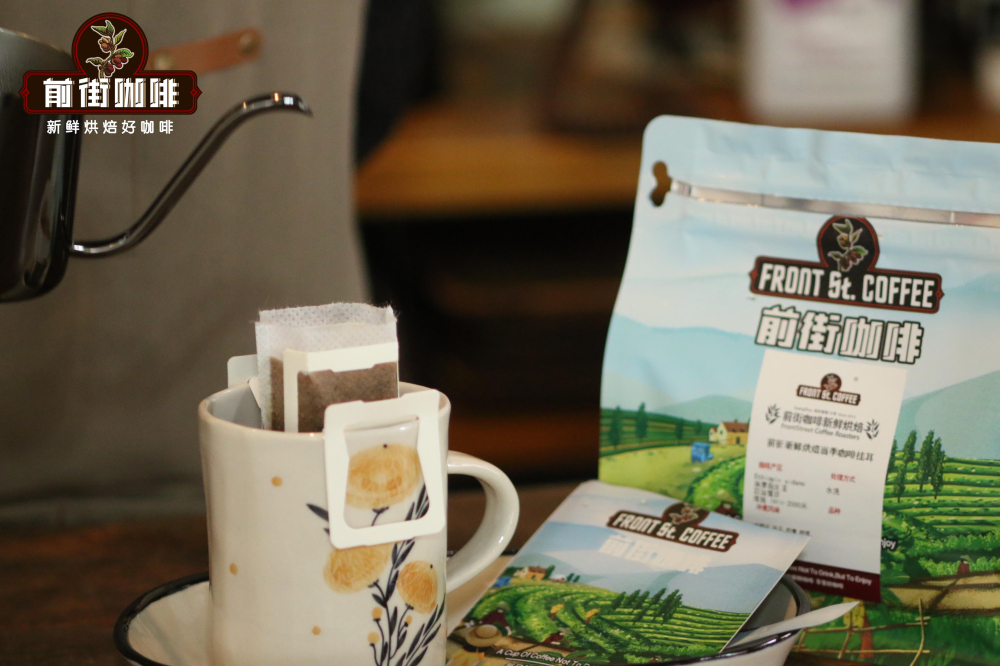
How to Make Drip Bag Black Coffee | How Long Should You Brew Filter Coffee? Can You Reuse a Drip Coffee Bag? What Flavors of Drip Coffee Are There?
With the widespread promotion of specialty coffee culture, drip bag coffee—made from freshly roasted coffee beans ground to a certain coarseness—has become a must-have coffee product for office workers and home dwellers alike. Compared with pour-over coffee, drip bag coffee is convenient and simple to make, allowing you to easily brew a cup full of aroma and [more…]