







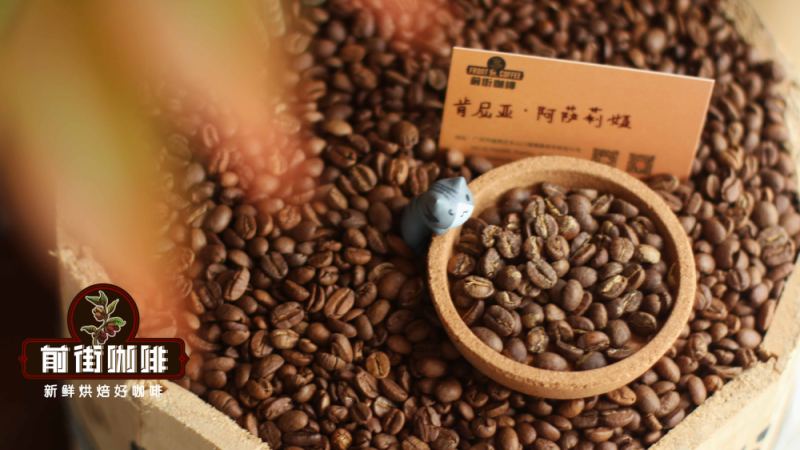
Kenyan coffee is famous for its bright, uplifting fruit acidity and full, thick berry mouthfeel, making it one of the representatives of the acidic style in specialty coffee. Its flavor formation is inseparable from the SL-28 and SL-34 varieties, as well as the unique double fermentation washed (K72) process. This article will start with the origin's terroir, variety background, and processing method flow to analyze the floral and berry notes of Kenyan coffee, and provide extraction ideas suitable for showcasing its acidity, such as ice hand brew, ice drip, and cold brew, while retaining Front Street Coffee's specific brewing parameters and product recommendations for coffee lovers' reference.
For more specialty coffee knowledge, please follow the WeChat official account: Front Street Coffee (FrontStreet Coffee)
Kenyan coffee is renowned for its clear, lively fruit acidity and distinct, full-bodied mouthfeel, often leaving a deep impression on those who taste it. Front Street has cupped many beans from various producing regions in Kenya. If high acidity is regarded as the soul of quality coffee, then Kenya can be considered a typical representative of that soul. It also has a special characteristic: most coffees with bright acidity have a thinner mouthfeel, such as Ethiopian beans, which are clean and refreshing on entry, while Kenyan coffee can bring a berry juice sensation that wraps around the entire mouth, similar to the texture of tomato juice.
Kenyan coffee Planting
Kenya is located in eastern Africa, with the equator running through it and the East African Rift Valley running north to south. It borders Somalia to the east, Tanzania to the south, Uganda to the west, Ethiopia and Sudan to the north, and the Indian Ocean to the southeast. The country has extensive plateaus, with an average altitude of about 1,500 meters. Mount Kirinyaga (Mount Kenya) in the center has an altitude of 5,199 meters, with snow on its summit year-round, and is the second-highest peak in Africa.
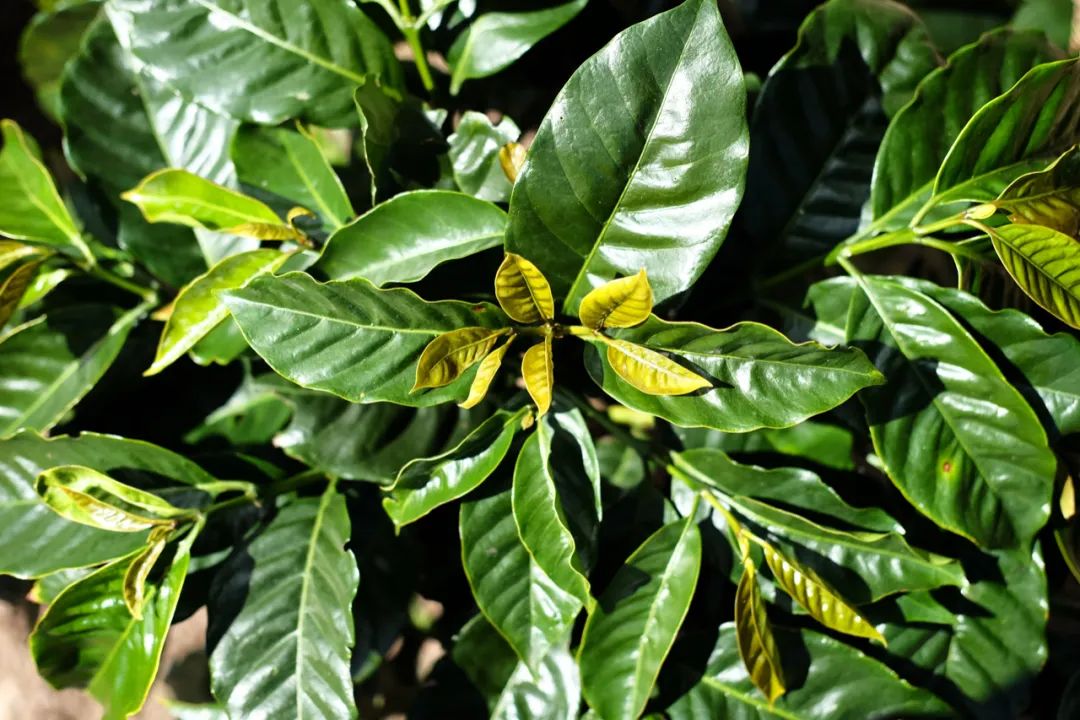
Kenya is a tropical producing region with two rainy seasons a year, so it can also harvest two crops, about 60% of which is concentrated from October to December, and the other 40% from June to August. Coffee is mainly grown in the volcanic zone around the capital Nairobi to the Kenyan mountains at an altitude of 1,600–2,100 meters. Such an altitude is conducive to flavor development: the lower temperatures in the mountains slow coffee growth, allowing aromatic substances to fully accumulate, making fruit acidity more prominent and the beans harder. This fertile, crescent-shaped coffee zone is the core producing area for Kenyan specialty beans.
In the specialty coffee wave, variety is regarded as a key factor affecting the flavor in the cup. The flavor of Kenyan coffee is closely related to the two varieties SL-28 and SL-34.
SL stands for Scott Labs. In the 1930s, the laboratory was commissioned by the Kenyan government to conduct coffee breeding and classification research, with the goal of finding varieties that could adapt to Kenya's terroir, be grown on a large scale, and have commercial value. SL-28 and SL-34 are two of many results.
Kenya belongs to the African producing region, and high-quality Kenyan beans are basically processed using the washed method; combined with fine roasting, they can better present the region's distinctive lemon, citrus, and grapefruit flavors, with a refreshing mouthfeel and slight sweet-and-sour notes.
Kenya's unique processing method is called the "double washed method" or "K72" washed method, which means letting the coffee beans undergo two fermentations. Its process is roughly: floating selection of coffee cherries, removal of pulp, fermentation in the upper fermentation tank overnight, washing, placing the parchment beans into the lower fermentation tank to continue fermenting for 36 hours, washing again, and sun drying.
The washing channels of the double fermentation method are divided into upper and lower levels, used respectively for the first and second washing. After harvesting the coffee cherries, defective fruits and fruits with insufficient density are first removed, the skin is removed, and they are poured into the upper fermentation tank for fermentation; dry fermentation without entering the tank can also be used directly. Fermentation time is affected by many factors, and the hotter the environment, the faster the fermentation. After fermenting for a period and washing away most of the mucilage, they are placed into the lower clean water tank for a second fermentation. It should be noted that during fermentation, the circulating water must be changed every few hours to prevent the coffee beans from becoming foul-smelling.
Wash the coffee beans again with water to remove residual mucilage; the second fermentation plus rinsing takes 36 hours, but that is not all. If the coffee beans soak too long during fermentation, negative flavors will increase; once it exceeds 36–72 hours, over-fermentation may occur and fatty acids may be produced, making the coffee taste too sour. Therefore, this process lasts about more than 12 hours, which means Kenyan washed coffee takes at least 48 hours, and even as long as 72 hours.
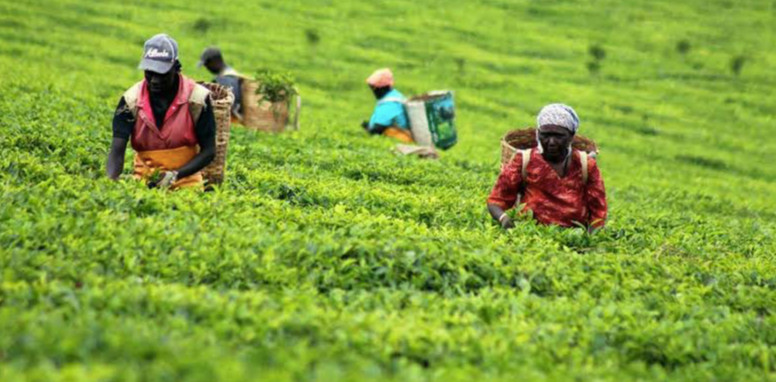
Kenya's unique double fermentation washed method enhances the original acidity and cleanliness, because during the washed fermentation process, the acetic acid concentration of the coffee beans increases, thereby strengthening the flavor.
Kenya's unique washed processing, supplemented by proper roasting, will produce very obvious berry-type flavors. A coffee from the Asali Processing Station at Front Street Coffee (FrontStreet Coffee) stores presents obvious blackcurrant, grapefruit, and slight cherry tomato flavors. The keynote of high-quality Kenyan coffee is mostly obvious acidity and uplifting acidity quality.
If you prefer berry acidity flavors, Front Street's Little Tomato coffee beans are usually recommended. This is a classic Kenyan single-origin coffee, not only processed using K72 washed method, but also composed of SL28 and SL34 varieties, produced in the region's highly representative high-altitude producing area—Thika. Front Street uses a medium-light roast, which presents a dense, full berry flavor and fragrant floral notes, as well as cherry tomato flavor running throughout, making it suitable for extraction in multiple ways.
What kind of coffee is Kenyan coffee suitable for making?
As mentioned earlier, most high-quality Kenyan coffee has obvious acidity, lingering berry flavors, and uplifting acidity, so it is very suitable for enthusiasts who like coffee with acidity. Also because of its prominent acidity, Kenya is especially suitable for making iced drinks, such as ice hand brew, ice drip, cold brew, etc.
How to brew ice hand brew coffee?
Front Street Coffee's (FrontStreet Coffee) ice hand brew approach is: extract a low-ratio coffee liquid (high concentration), then add ice cubes to dilute.
Coffee powder amount 15g, powder-to-water ratio 1:10, ice amount 75g, water temperature 92°C, grind size medium-fine (EK43s setting 9.5, 0.85 mm sieve passing rate 80%).
First, put 75g ice cubes into the lower pot, then pour 15g ground coffee powder into the dripper and gently tap it level. For the first stage, pour 30g hot water in a small stream of 3–4 ml/s from the center outward in small circles, and bloom for 30 seconds; after 30 seconds, pour 60g water for the second stage in the same manner, being careful not to raise the liquid level too high, otherwise underextraction is likely; when the coffee liquid is about to dry up, pour all the remaining 60g hot water at a flow rate of 3 ml/s, ensuring the extraction time falls within 1 minute 50 seconds to 2 minutes.
Household ice molds are usually mainly spherical and square, and because they use static freezing, they are all solid ice. Under the same shape, the larger the volume, the slower it melts, but the freezing time is also longer. In addition, ice that has been refrozen is harder and has a better cooling effect when put into coffee than newly frozen ice directly demolded.
For friends who like to drink iced coffee at home, Front Street suggests choosing slightly larger specifications when buying ice trays, or a single large spherical mold, so the ice made is firmer. If the ice tray you are currently using is on the small side, you can demold the ice cubes in advance and store them in a clean container to keep the ice harder.
Then pour the extracted coffee liquid into the ice cubes and shake to mix. Cover the sharing pot with its lid, on the one hand to reduce the volatilization of aroma molecules, and on the other hand to pour out the coffee liquid without mixing in ice cubes.
Because ice hand brew is a low-ratio extracted coffee liquid diluted with ice cubes, it is relatively strong at first, with a full and solid mouthfeel; as the ice cubes dissolve and dilute it, the mouthfeel tends to become smoother and more mellow, and the flavor shifts from complex to refreshing.
How to make ice drip coffee?
Front Street's ice drip plan is to use 60g coffee powder and extract 600 ml coffee liquid. The powder-to-liquid ratio is 1:10. The water drip flow rate is about 3 drops per 10 seconds, using an ice-water mixture as the upper pot water source. The extraction time is about 8 hours. After extraction, put the coffee liquid into a sealed bottle and place it in the refrigerator for 48 hours.
How to make cold brew coffee?
Front Street's cold brew plan is to use 50g coffee powder, with a powder-to-water ratio of 1:10, meaning 500g drinking water needs to be poured in, and stirred thoroughly with the powder, ensuring it is sealed before placing it in the refrigerator to chill for 8–14 hours.
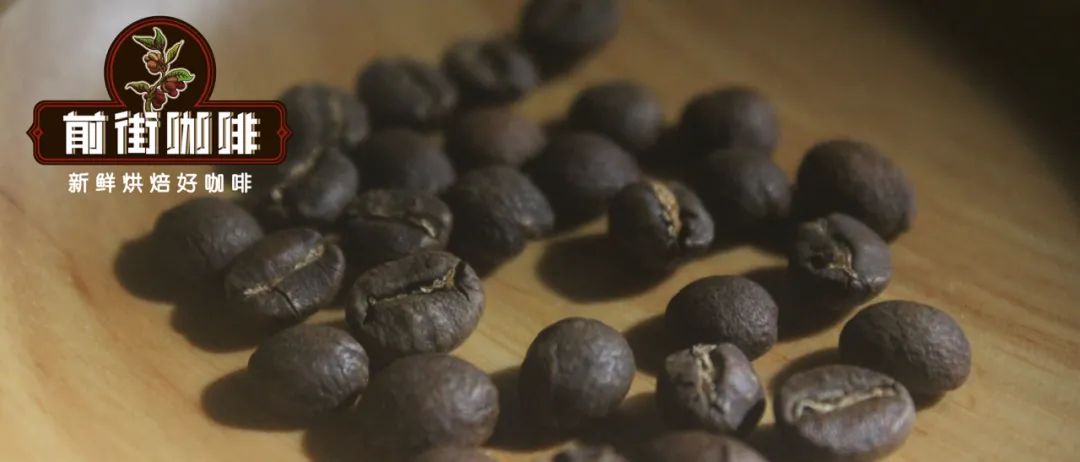
When the steeping time is up, take it out and use filter paper to filter out the coffee grounds cleanly, then pour it into a clean sealed bottle. If you want the coffee flavor to be richer, you can put it in the refrigerator again for 3–4 hours to settle. The Little Tomato cold brew made this way has a refreshing, pleasant mouthfeel, with a sweet-sour and slightly bitter taste, especially suitable for drinking in summer.
The above content is compiled by CoffeeHunters, a coffee news website.


