







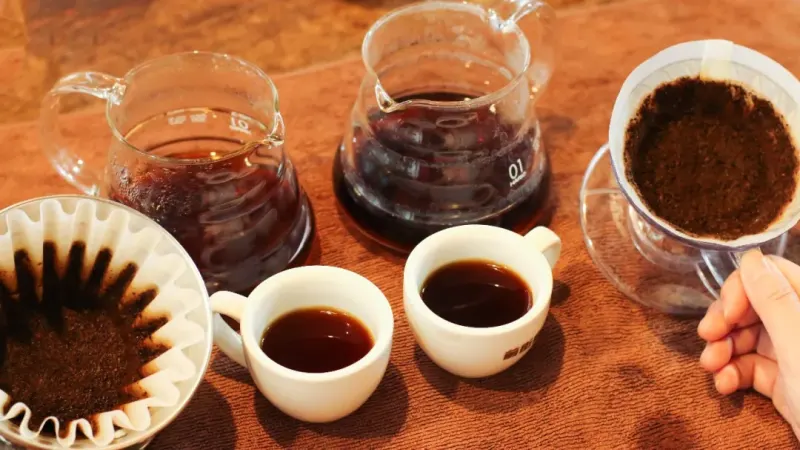
Fine Grind Fast Extraction vs. Coarse Grind Slow Extraction: Pour-Over Parameters and Flavor
Among the many variables affecting coffee extraction, the combination of grind size and extraction time is often debated. This article compares fine grind fast brew and coarse grind slow brew, analyzing how they differ in flavor layering, body thickness, and balance. Using Front Street Coffee's brewing parameters for Ethiopian Huakui, it shows procedures for each approach. Understanding these differences helps coffee enthusiasts choose the right method for their taste preferences and adjust variables with confidence.
The coffee grinding process directly influences dissolution efficiency. Finer grounds dissolve flavor compounds faster, so a shorter extraction time prevents over-extraction. Coarser grounds require longer contact with water to achieve similar extraction yields. Both methods can produce delicious coffee, but the resulting texture and flavor profile differ noticeably. The fine grind fast brew approach often yields distinct layers and prominent flavors, especially with a conical dripper and thicker coffee bed. This method suits those who enjoy intensity and clarity in their cup.
Among the many variables affecting extraction results, the combination of grind size and extraction time has always been hotly debated. This article compares two approaches—"fine grind, fast brew" and "coarse grind, slow brew"—analyzing their differences in flavor layering, body thickness, and balance. Using Front Street Coffee's actual brewing parameters for Ethiopian Huakui, it demonstrates the procedures for fine grind with short time and coarse grind with long time, helping coffee enthusiasts understand the applicable scenarios and adjustment room for each approach.
There are quite a few factors affecting coffee extraction, and precisely because of this, we can create a satisfying cup of coffee through different combinations of parameters. Also because of the rich variety of variables, enthusiasts often compare the pros and cons of various combinations, and among them, the most heated discussion is undoubtedly the two completely different approaches of "fine grind, fast brew" and "coarse grind, slow brew."
Simply put, fine grind, fast brew means the grind particles are on the finer side while the extraction time is kept relatively short; coarse grind, slow brew is the opposite, using a coarser grind and letting water contact the coffee grounds for longer.
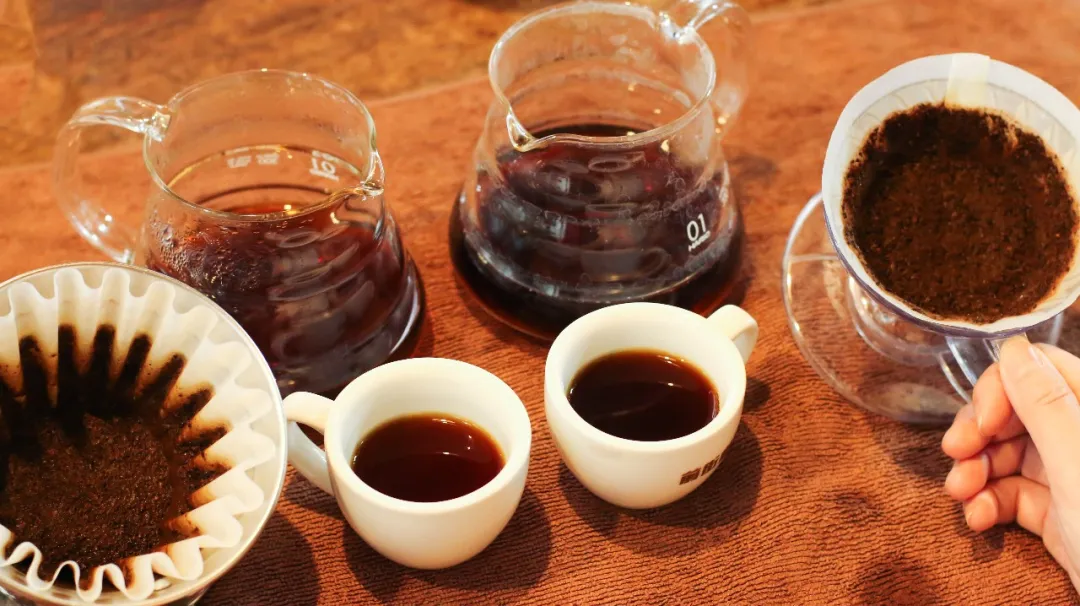
Both methods can produce delicious coffee, but the resulting texture differs noticeably—both the aroma/flavor and the mouthfeel are quite different. What are the characteristics of fine grind, fast brew...
The finer the coffee beans are ground, the faster flavor compounds are brought out by water—this is a widely accepted rule. With other conditions fixed, grind size directly determines the level of dissolution efficiency.
When the grind is on the finer side, substances dissolve quickly, and if you don't want the coffee to over-extract, you must impose limitations at other stages. Therefore, the essence of fine grind, fast brew is using a shorter time to offset the high extraction efficiency brought by fine grinding.
This combination is more suitable for those who enjoy layering and flavor intensity. Coffee made with fine grind, fast brew often has distinct layers and prominent flavors, and if paired with a conical dripper to form a thicker coffee bed, this expression becomes even more pronounced.
In fact, the approach Front Street Coffee uses daily can be classified within the category of fine grind, fast brew. Friends who follow Front Street Coffee should have noticed that the pour-over grind size we share is usually on the finer side, with extraction time controlled at around two minutes (the "fast" here is a relative concept) . If you want to try fine grind, fast brew, you can directly apply this set of Front Street Coffee parameters to get started.
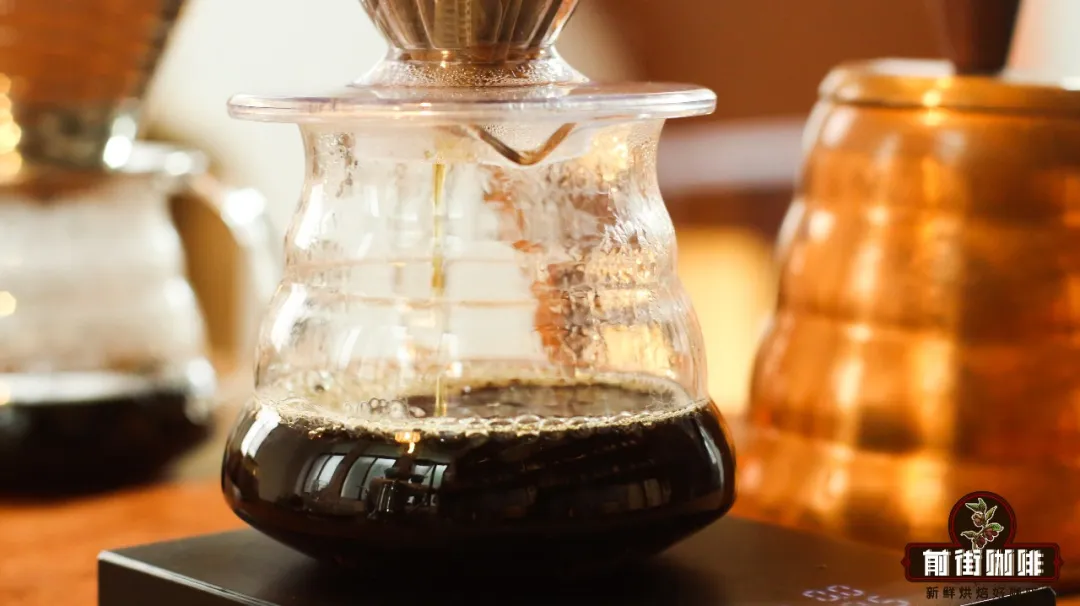
Below, Front Street Coffee uses Ethiopian Huakui for a demonstration. This bean comes from Ethiopia, uses natural processing and a medium-light roast, and brews into a coffee rich in floral and fruity acidity, and is affordably priced—very suitable as a daily staple bean. The specific parameters are: 15g dose, 1:15 coffee-to-water ratio, 92°C water temperature, grind size reaching a 75%~80% pass-through rate on a No. 20 sieve, 2-minute extraction time, and a fast-flow V60 dripper.
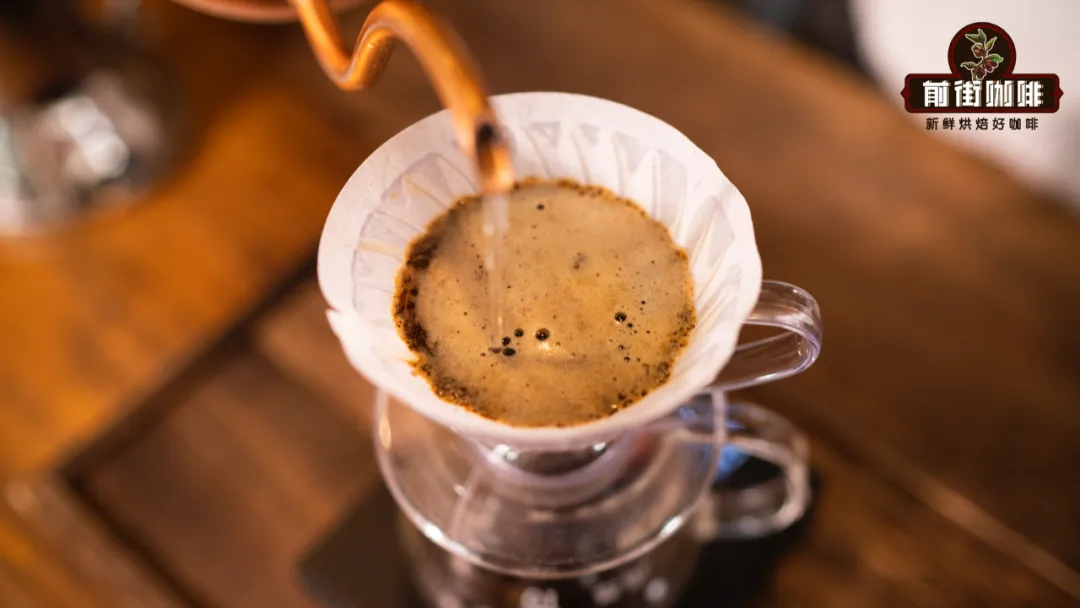
The brewing steps are consistent with Front Street Coffee's usual method: first, bloom with twice the coffee dose in water for 30 seconds, then pour the second stage in a moderate stream in a large circular motion, totaling 120 ml. When the water level drops enough to see the bottom of the coffee bed, switch to a small stream in a small circular motion to pour the third stage, totaling 75 ml. After that, wait for all dripping to complete and remove the dripper.
The Front Street Coffee Ethiopian Huakui brewed this way indeed, as mentioned earlier, has clear layers and prominent flavors. You can perceive distinct apricot, citrus, berry, and floral notes, along with an oolong tea aftertaste. Acidity and sweetness dominate, the body is light, the finish is persistent, and the performance is quite good.
Of course, this isn't limited to Front Street Coffee Ethiopian Huakui—as long as a bean is resistant to extraction and not prone to clogging the flow, this parameter combination can be applied. What are the characteristics of coarse grind, slow brew...
Coarse grind, slow brew is the exact opposite of fine grind, fast brew. When the grind is on the coarser side, flavor compounds dissolve more slowly, so the extraction time must be extended to ensure the coffee is fully extracted.
Coffee made with this combination is characterized by a fuller body and a more balanced taste. The reason isn't complicated: after extending the extraction time, extraction consistency improves, and the amount of substances released by the coffee grounds tends to be similar, so both taste and mouthfeel differ from the previous approach. If using a flat-bottom dripper, a thin coffee bed can further enhance consistency.

Front Street Coffee also uses Ethiopian Huakui for the demonstration. The extraction parameters are: 15g dose, 1:15 coffee-to-water ratio, 92°C water temperature, grind size reaching a 70%~75% pass-through rate on a No. 20 sieve, 2-minute-30-second brew time, and a slow-flow flat-bottom dripper.
The brewing still uses a three-stage method. In the bloom stage, use twice the coffee dose in water and bloom for 30 seconds, then pour the second stage in a moderate stream in a back-and-forth "mosquito coil" circular motion, totaling 100 ml. When the water level drops enough to see the coffee grounds at the bottom, pour the third stage in the same manner, totaling 95 ml.
The total brew time this way will reach 2 minutes 45 seconds. Although the time is on the longer side, there's absolutely no over-extracted taste. On one hand, the coarse grind slows the dissolution rate of substances; on the other hand, this bean itself isn't prone to over-extraction. When tasting, Front Street Coffee Ethiopian Huakui still presents clear flavors—the difference is a thicker mouthfeel and a more balanced taste, with an equally long finish and also excellent performance.
As for which approach is better, Front Street Coffee's view is: both are good. Each has its own strengths, and since everyone's taste preferences differ, the combination they like naturally differs too. It should also be noted that fine grind, fast brew and coarse grind, slow brew are both relative concepts; the parameters given in this Front Street Coffee article are on the conservative side, and you can absolutely choose—according to your own preferences—a finer grind with a faster brew, or a coarser grind with a longer extraction time.
- END -
The above content is compiled by CoffeeHunters, a coffee news website.


