







How should you brew geisha coffee to keep its floral notes?
Brew geisha coffee with water around 90 to 93C, a medium-fine grind, and a ratio near 1:15. The variety is usually roasted medium-light, so the goal is to extract its floral aroma, soft fruit and clean tea-like body without pulling out roasted or bitter notes. A three-pour method gives a balanced cup.
A variable-temperature three-pour, starting cooler and finishing hotter, pushes the floral top notes forward instead. High-density light-roasted green geisha coffee beans tolerate a wider margin for error, so over-extraction is less of a risk than many drinkers expect. Take Hacienda La Esmeralda Boquete as a reference and adjust one variable at a time.
Geisha has outstanding flavor and limited production, so its price is naturally much higher than ordinary beans. Many enthusiasts, once they get their hands on it, become hesitant to brew boldly for fear of wasting such good beans. In fact, as long as you understand Geisha's varietal characteristics and roasting logic, and choose the right water temperature, grind size, and coffee-to-water ratio, you can consistently bring out its signature floral aroma, fruity notes, and tea-like quality. This article takes the Boquete Geisha from Front Street Coffee's bean list as an example and shares two practical brewing methods: a regular three-pour method and a variable-temperature three-pour method, focusing respectively on balanced performance and highlighted floral aroma. The article will also explain the extraction approach for high-density light-roasted beans, and why good beans are more forgiving to brew and you do not need to worry excessively about over-extraction, helping you brew the Geisha in your hands into the ideal flavor.
The reason Geisha is priced noticeably higher than common varieties is that its flavor is one of a kind, while its production is also quite limited. Because of this, many friends become cautious after buying a bag of Geisha, afraid that one mistake will waste this expensive coffee. Front Street Coffee often encounters situations like this: customers have just gotten a bag of Geisha and come to carefully ask about brewing parameters and specific techniques.
So today Front Street Coffee will talk about how to brew the expensive Geisha to bring out its best performance. As the saying goes, know yourself and know your enemy, and you can fight a hundred battles without danger. To brew Geisha well, you first need to understand what common traits this variety usually has on the market. Front Street Coffee shared just a couple of days ago that Geisha does not taste much like coffee, but rather more like a cup of floral and fruity tea. This variety's flavor labels are intense floral aroma, soft fruity notes, and a clean tea-like quality. To fully display these traits, roasters usually do not roast Geisha too dark, so that the roasted notes do not mask the coffee's own flavors.
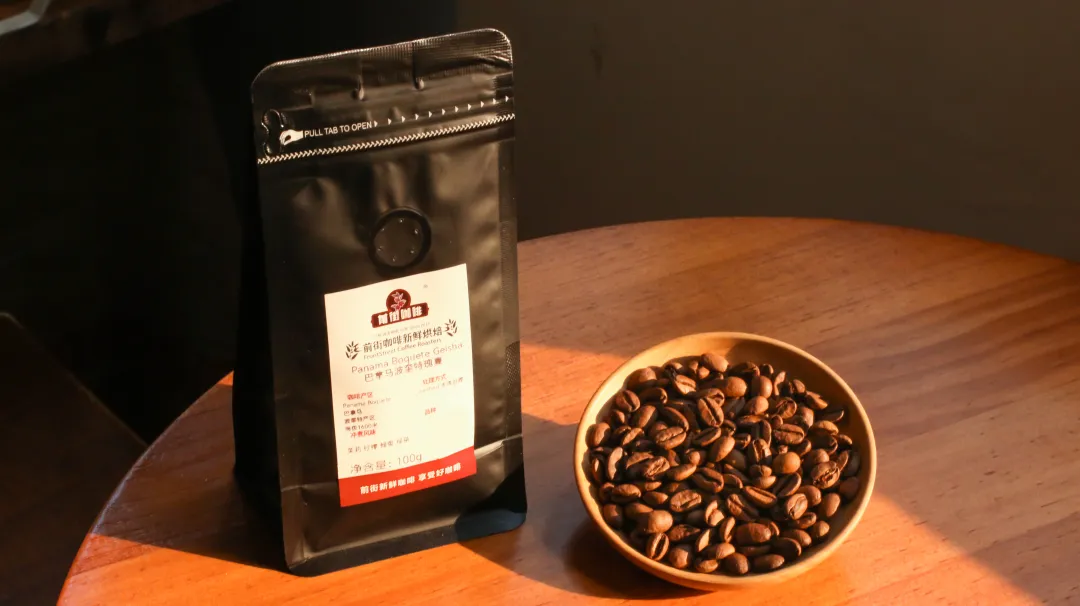
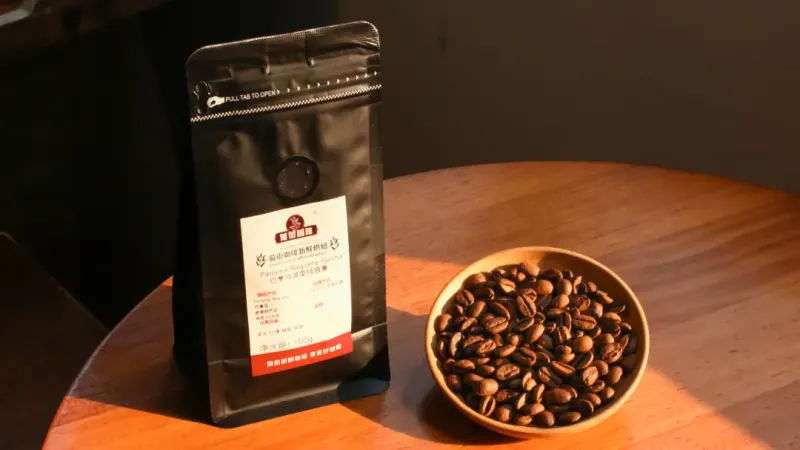
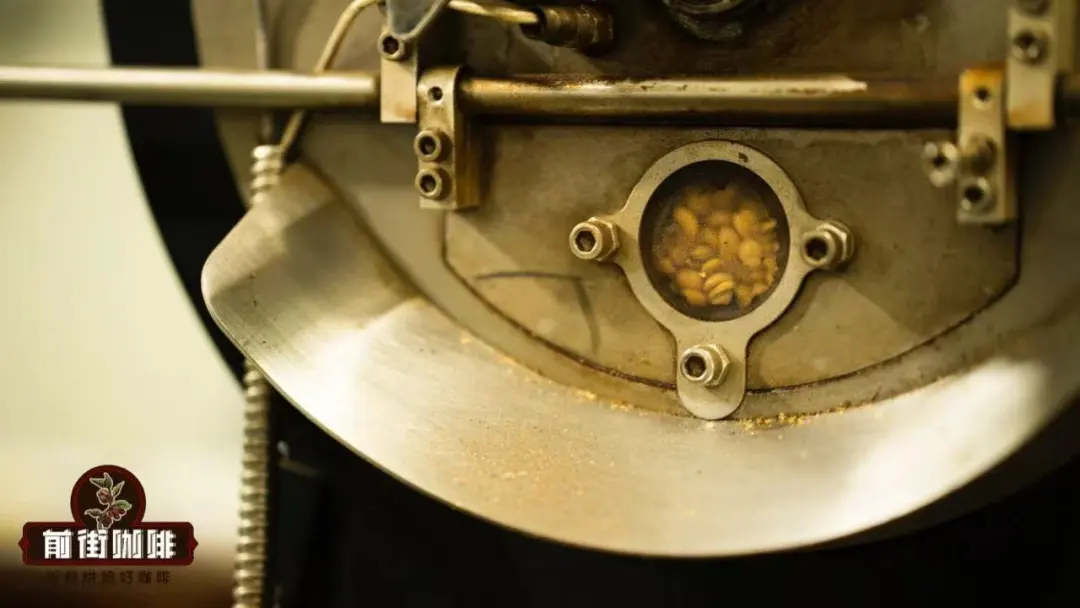
For example, the Hacienda La Esmeralda Red Label, Green Label, Boquete, and other Geishas in Front Street Coffee's bean list all use medium-light roasting, which can both highlight the coffee's flavor and enhance sweetness. High-quality Geisha itself is rich in soluble compounds, and because the roast level is not dark, the beans often have relatively high density. To brew this kind of high-density bean well and fully release its high-quality flavors, it is best to make the parameter settings slightly more "extreme."
Only in this way can you achieve enough extraction efficiency to fully bring out Geisha's floral and fruity notes. This is also what the coffee community often says: good beans are not afraid of brewing. With more high-quality flavor compounds, there is no need to worry about extracting off-flavors. In fact, coffee is not as easy to over-extract as people imagine. Front Street Coffee will first share a regular brewing method—taking the highly cost-effective Boquete Geisha from Front Street Coffee's bean list as an example. When brewing, use a water temperature of 92°C, grind to a 75%–80% passing rate on a No. 20 sieve, use more water than usual, and stretch the coffee-to-water ratio to 1:16. If brewing 15 g of coffee, control the time between 2 minutes and 2 minutes 30 seconds.
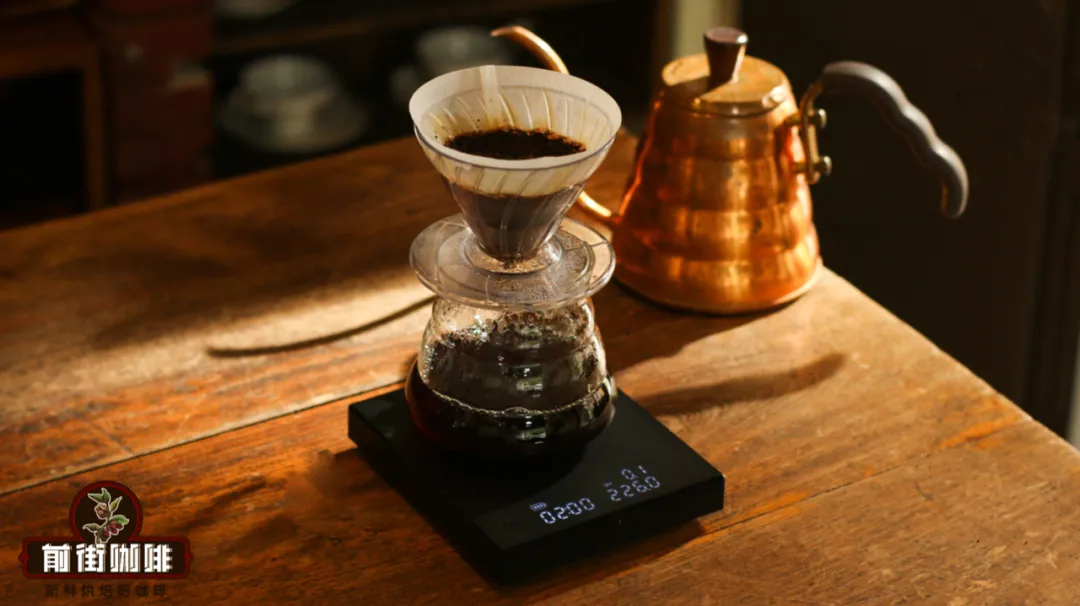
The purpose of increasing the water amount is, first, to raise the extraction yield just as extending the time would, and second, to lower the coffee's concentration so we can more clearly capture Geisha's floral and fruity notes. The pouring method is not complicated; it is still a three-pour approach with a V60 dripper. First, bloom with water at twice the coffee weight for thirty seconds. After the bloom, pour the second stage of hot water, 130 ml in total, using a moderate stream and pouring in large circles. The stream should not be too strong, otherwise it can easily disturb the coffee grounds. For Geisha, which is high in density and finely ground, this may cause the filter paper to clog with fines.
After the second pour has fully drained, use a slow stream and pour in small circles for the third stage, 80 ml in total. Once the pouring is complete, wait for all the coffee liquid in the dripper to drip into the server, then remove the dripper and end the extraction. The Geisha brewed this way performs quite impressively overall, with a balanced taste, prominent white floral notes, citrus fruity notes, a fresh green tea impression in the finish, and a honey-like texture. Very good.
Of course, besides the regular brewing method, you can also use another approach to highlight Geisha's floral aroma. This is also a method Front Street Coffee has shared before: by adjusting the brewing water temperature, make the final cup's floral aroma even more intense. The method is not difficult. It is still a three-pour approach, except that each stage uses a different water temperature—the first bloom and the third pour both use 85°C hot water, while the second pour uses 95°C. Grind slightly finer, to an 80%–85% passing rate on a No. 20 sieve. The other parameters are the same as the above method: coffee-to-water ratio 1:16, and extraction time controlled within 2 minutes to 2 minutes 30 seconds.
The reason this variable-temperature brewing method can better highlight floral aroma is that floral flavor molecules are highly polar and dissolve quickly. Using a lower water temperature for the bloom can effectively slow the dissolution of floral flavors. But because the bloom water temperature is not high enough, by the second main extraction stage, the water temperature needs to be raised accordingly to extract a large amount of flavor compounds from the coffee.
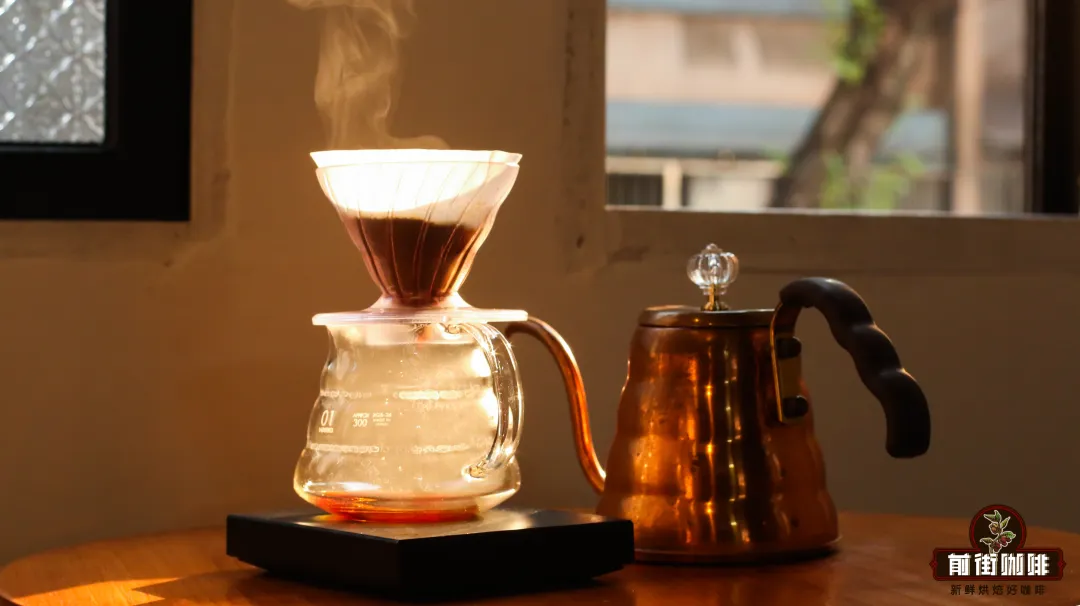
Since the desired flavor compounds have already dissolved in large amounts during the second stage, returning to a lower water temperature for the third stage aims to reduce the extraction yield and lessen the dissolution of bitter, astringent, and off-flavors, making the coffee cleaner and thereby better highlighting the floral aroma. The specific steps and explanation were introduced in detail in Front Street Coffee's article "How to Brew Out Coffee's Floral Aroma," so they will not be repeated at length here. Front Street Coffee brewed another pot of Boquete Geisha using this method. Compared with the previous pot, this pot's floral aroma was indeed more prominent, and the overall profile was much lighter. Although the finish was not as long as the former, the aroma performance was indeed superior.
These are the two popular brewing methods for Geisha coffee. Friends who are interested may as well try them at home. The steps are all very simple, and the brewed coffee performs well in both cases.
- END -
The above content is compiled by CoffeeHunters, a coffee news website.


