







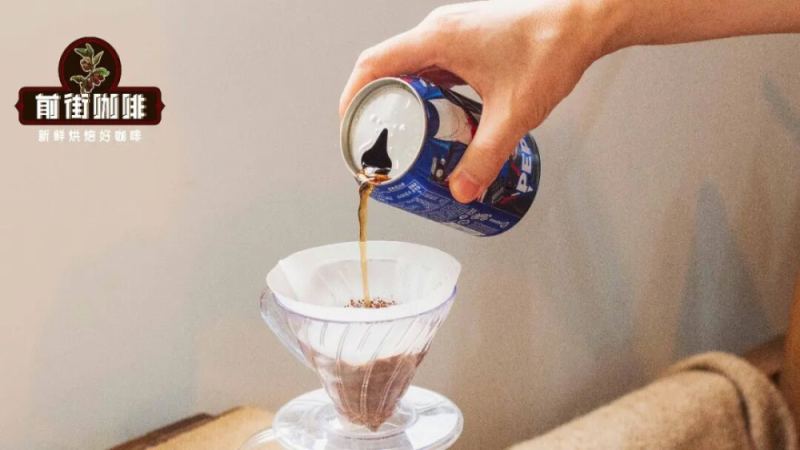
How was coffee made with cola instead of hot water?
Two tests brewed the same medium-light black honey coffee two ways, the same way you would approach making coffee in a pot with consistent ratios. In the first, iced cola replaced hot water entirely; the low temperature and carbonation blocked soluble compounds from releasing, so the cup tasted more like coffee-flavored cola than coffee. In the second, hot water was used as normal and cola was frozen into ice cubes.
That second method preserved the coffee. Raisin, floral, and berry notes came through clearly, layered with the soda's cold sweetness, giving a refreshing but still mellow drink. Both rounds used fine grind, high water temperature, and about ten times the water weight relative to the coffee grounds, keeping the brewing variables consistent.
Can cola actually be used to brew coffee? Front Street, driven by curiosity, conducted two rounds of practical tests: the first round used iced cola directly instead of hot water to extract Front Street Blackberry coffee, and the second round froze cola into ice cubes while still brewing with hot water, comparing the flavor differences between the two. The results showed that when iced cola was used for direct extraction, the low temperature and abundant bubbles hindered the release of soluble coffee compounds, making the final product more like a cup of coffee-flavored iced cola; but when cola ice cubes were used instead, the coffee flavors were finally preserved, with raisin, floral, and berry notes clearly emerging, layered with the icy sweetness of soda, making the overall cup refreshing and mellow. This article fully documents the parameters, brewing steps, and flavor observations, suitable for coffee enthusiasts who want to try something new at home.
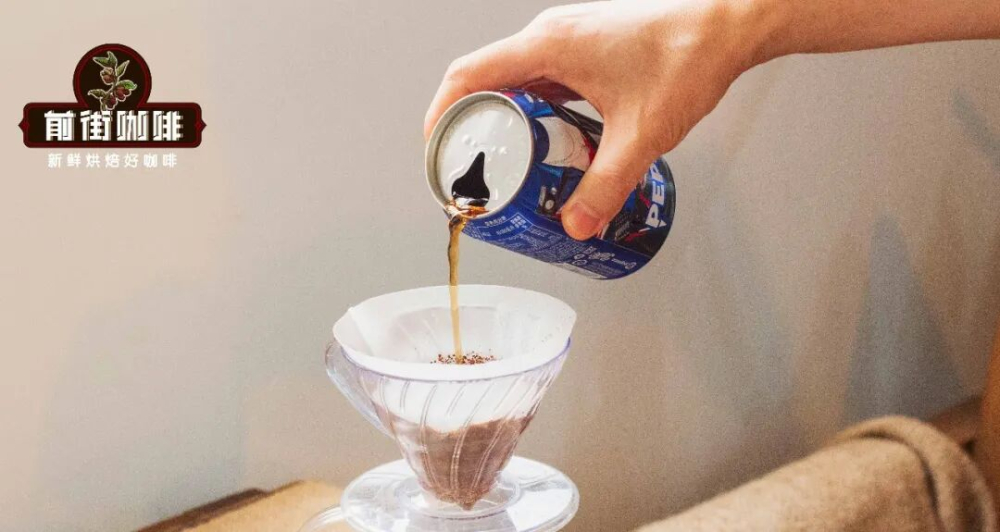
A friend said, "Did you know? I heard you can brew coffee with cola."
Front Street (thinking to themselves): This person must be out of their mind! How can you add just anything to coffee...
But what was completely unexpected was that after searching online, Front Street actually found this method. Although it's unclear who exactly "invented" it, quite a few people have indeed tried it, and it seems to have some degree of fun to it. Since that's the case, Front Street certainly couldn't miss out on such a topic.
Cola-brewed coffee, as the name suggests, uses cola instead of hot water to extract coffee substances, so in an iced pour-over, the ice cubes and coffee remain the same—only the water is replaced with cola. Front Street noticed that everyone uses regular iced cola directly, whether sugary or sugar-free, just choose according to your own preference;
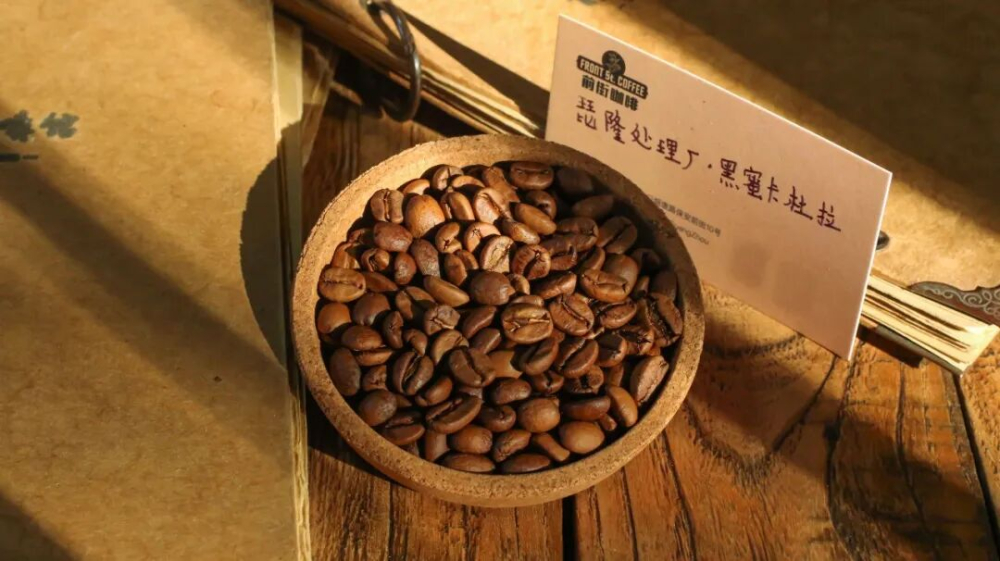
Since we didn't know how it would turn out, we chose the medium-light roasted Front Street Blackberry as our coffee bean. It is processed using black honey processing, belongs to a coffee with higher sweetness, mild acidity, and no pronounced bitterness, so it can better capture the extraction situation brought about by the cola.
To minimize variables during the process, Front Street used the same parameters as our usual shared iced pour-over this time, namely fine grind, high water temperature, 10 times the water amount relative to coffee grounds, and 5 times the ice, with a brewing time of less than 2 minutes.
Coffee bean: Front Street · Costa Rica Blackberry
Dose: 15g
Iced cola: 150g
Grind size: fine sugar (EK43s setting 9, 82% passing rate through No. 20 sieve)
Ice cubes: 75g
Pouring technique: three-pour method
First, place the ice cubes into the server, then pour 15g of Front Street Blackberry coffee grounds into the rinsed filter paper;
For the first pour, pour 30g of iced cola in a slow stream, making sure to wet all the coffee grounds (since it's hard to control the flow from a cola can, you can also transfer it to a gooseneck kettle for pouring). As the two begin to make contact, you can see abundant bubbles continuously churning in the dripper, and the liquid reaching the server directly;
After 30 seconds, pour the second round of 60g, still using a slow stream in a circular motion, which allows the coffee grounds and cola to have sufficient contact time;
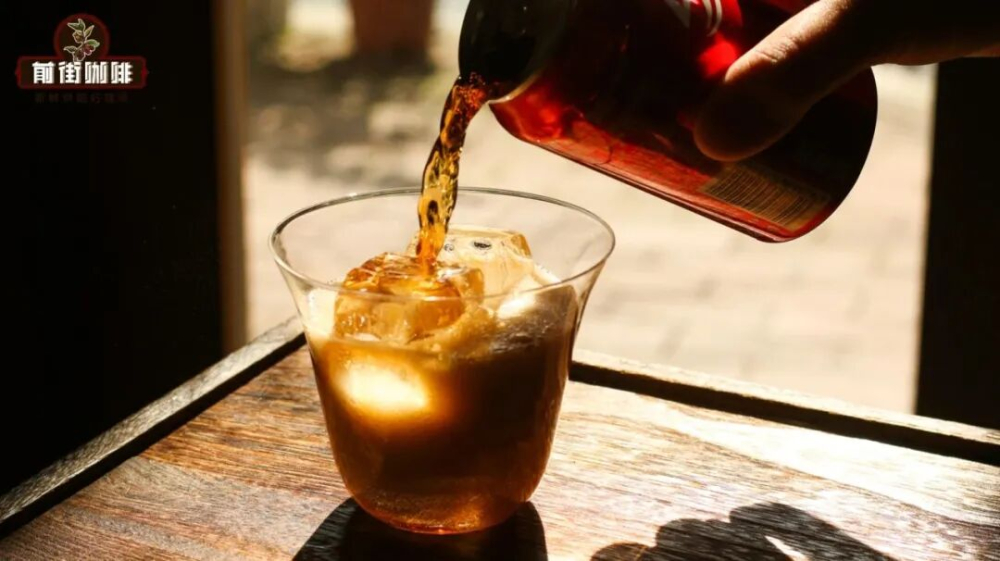
When the coffee liquid has fully drained into the server, continue pouring the third round of 60g in a circular motion, still maintaining a slow stream at a fixed center position. Stop when the scale reads 150g, wait for everything to finish draining, and finally shake the cola coffee together with the ice cubes until evenly mixed, then you can start tasting.
One sip confirmed exactly what Front Street had expected—it was all the sweetness from the soda, followed by a slight acidity. The bubbles in the cola also amplified the coffee's bitterness somewhat. While the taste wasn't particularly bizarre, it certainly wasn't very pleasant either... Alright, Front Street admits it's just a cup of iced cola with a hint of coffee flavor.
The reason for this result is simple: first, iced cola's temperature is too low, and it contains many substances itself, so its extraction power falls far short of what's needed—it simply cannot compare to hot water;
Second, the abundant bubbles in carbonated drinks inhibit the release of soluble flavor compounds from the coffee, causing the two to pass each other by throughout the entire process. Before they could even react, the liquid had already flowed into the server. So you can imagine that after being brewed with cola, the coffee grounds still retain a large amount of aromatic compounds.
Just when Front Street was struggling with how to properly "brew" coffee with cola, a sudden inspiration struck: although we can't directly use cola for extraction, we can replace it with ice cubes to cool and dilute the coffee while also providing a "cola flavor"—wouldn't that kill two birds with one stone? To verify this hypothesis, Front Street used the same coffee bean this time to make two pots of iced pour-over separately—one brewed with cola ice cubes and one brewed with regular ice cubes—keeping all other parameters consistent.
Coffee bean: Front Street · Costa Rica Blackberry
Dose: 15g
Coffee-to-water ratio: 1:10
Water temperature: 93°C
Grind size: fine sugar (EK43s setting 9, 82% passing rate through No. 20 sieve)
Ice cubes: 75g
Pouring technique: three-pour method
The night before, Front Street had already poured cola into molds and frozen them into large ice cubes. Before the actual brewing, 75g was taken out and placed into the server, then the dripper and filter paper were placed on top, along with the ground coffee—everything was ready.
The first pour was still 30g of hot water in a circular motion for a 30-second bloom; for the second pour, maintain a slow stream and pour 60g in a clockwise outward spiral. When the coffee liquid is about to finish draining and the coffee bed is exposed, you can begin pouring the third round of 60g of hot water using the same technique.
Dripping finished at about 1 minute 45 seconds. Finally, fully mix the coffee liquid in the server with the cola ice cubes until completely cooled, and it's ready to taste.
Compared to the regular pour-over group, the coffee liquid with cola ice cubes appeared visibly darker to the naked eye. In terms of taste, this cola iced pour-over finally delivered more coffee flavors—on the palate there were raisin, floral, and berry notes brought by Front Street Blackberry, along with the icy sweetness of soda. Perhaps because the coffee's own bitterness is relatively low, the overall combination wasn't jarring but rather seemed harmonious, tasting both refreshing and mellow .
The above content is compiled by CoffeeHunters, a coffee news website.


