







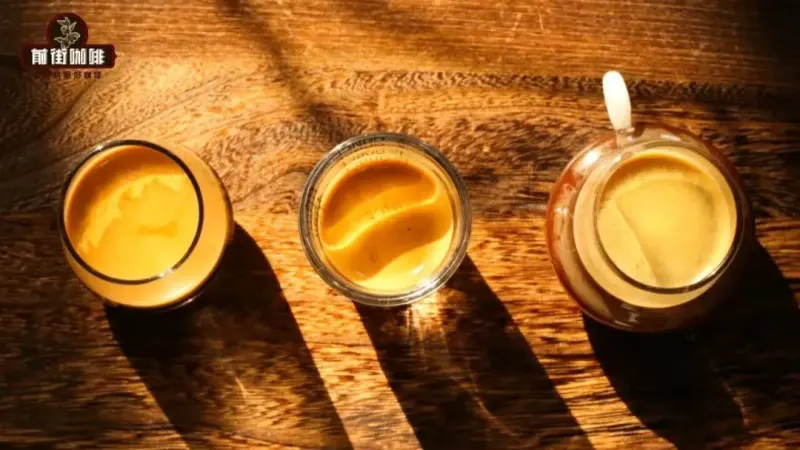
How to drink coffee properly: ristretto vs espresso vs lungo
Ristretto, Normale, and Lungo are all espresso, separated by brew ratio and concentration. Normale runs about 1:2, so 18 grams of grounds yield roughly 36 milliliters. Ristretto is a shorter, more concentrated extraction; Lungo is a longer one. In a test with a strawberry candy espresso blend at a 1:2 ratio and 30-second shot, the regular espresso measured 10.26% concentration and 21.26% extraction yield.
Many coffee enthusiasts first meet these names at chain brands, which coined them so customers could order by strength. Specialty coffee shops rarely list all three because switching between them means readjusting grind size, and each style behaves differently once milk is added. The terms describe extraction length, not separate drinks, and knowing them helps anyone learning how to drink coffee properly.
Many coffee enthusiasts have heard of Normale, Ristretto, and Lungo, but aren't quite clear on how they actually differ, nor why these options are almost never seen in specialty coffee shops. In fact, they correspond to the three types of espresso: Normale, Ristretto, and Lungo—regular espresso, short extraction, and long extraction. The core differences among the three lie in concentration and flavor expression: different brew ratios lead to different concentrations and extraction yields. This article uses Front Street Espresso Blend · Strawberry Candy Espresso as an example to break down the extraction parameters and flavor characteristics of each of the three espressos, and explains why specialty coffee shops rarely offer multiple espresso type options—this involves both the practical difficulty of grind size adjustment and the compatibility of different espressos in milk coffee.
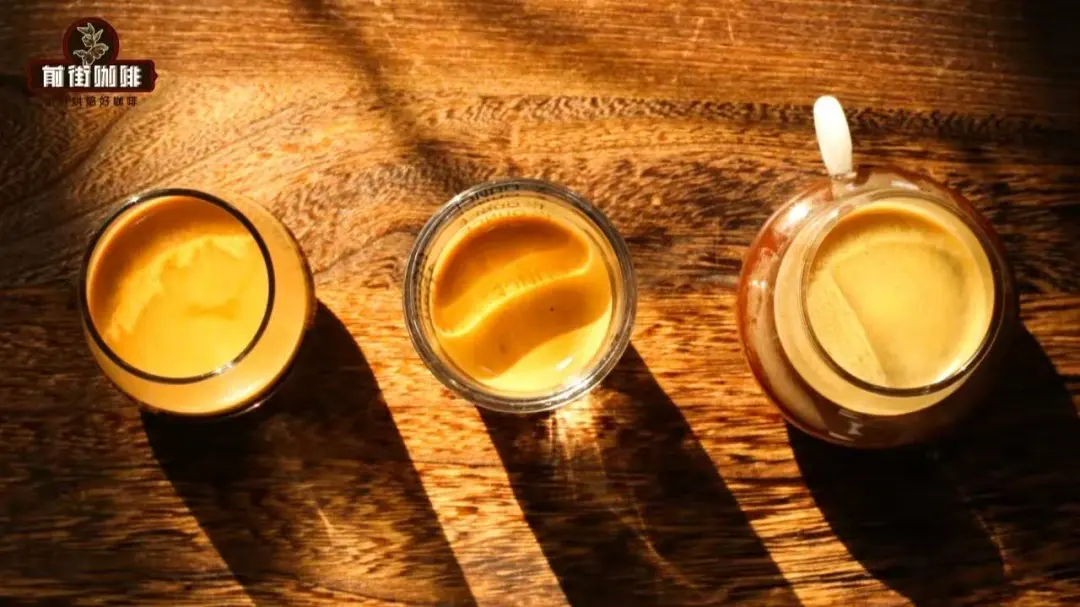
Many friends who are just getting into espresso ask: What exactly is the difference between Normale, Ristretto, and Lungo? Why is it that when you walk into a specialty coffee shop, you almost never see these options on the menu? Front Street actually discussed these three types of espresso earlier this year, just without using these three names at the time. Ultimately, "Normale," "Ristretto," and "Lungo" are names created by chain brands to help customers understand—they correspond to Normale (regular), Ristretto (extra strong/short extraction), and Lungo (long extraction).
All three are espresso, just different types. The core differences between them come down to two things: concentration and taste.
Normale/Regular Espresso
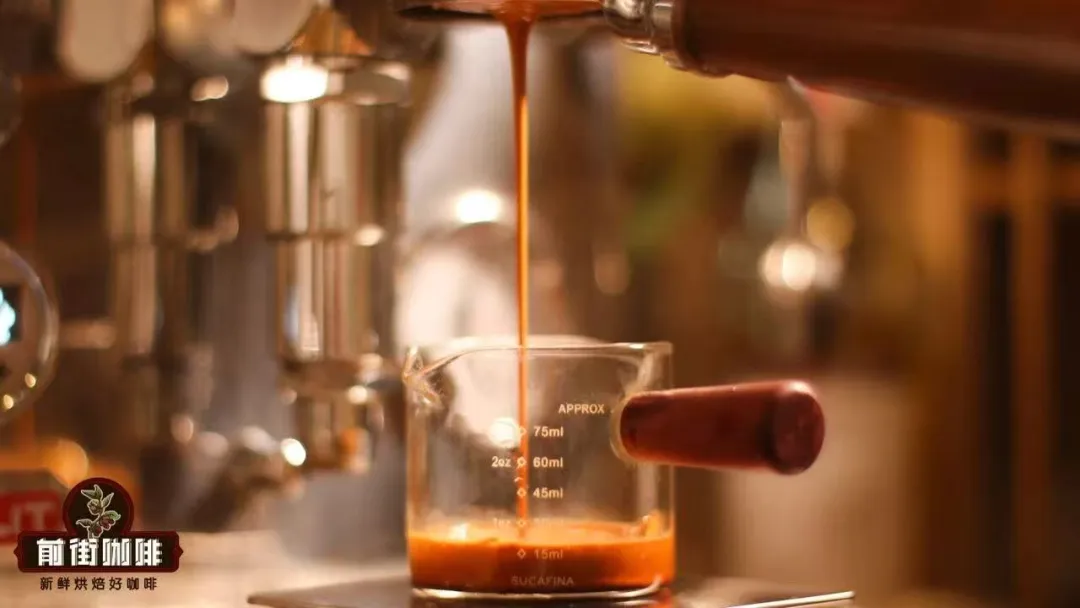
Normale is regular espresso, and it's currently the base for most espresso drinks and flavored coffee drinks. When making a regular espresso, the brew ratio is typically controlled at around 1:2. For example, using 18g of grounds yields about 36ml of coffee liquid. Its concentration is in the middle among the three, with a relatively balanced flavor profile, and the extraction of various flavor compounds in the coffee is relatively complete.
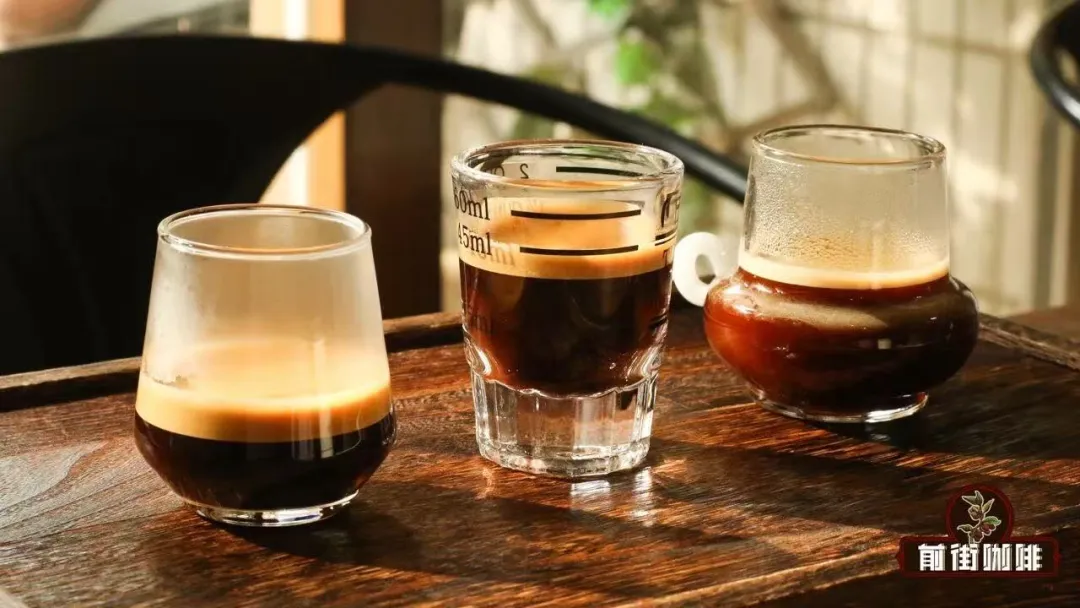
Taking Front Street as an example, the espresso beans used are Front Street Espresso Blend · Strawberry Candy Espresso from the bean list. Using a 1:2 brew ratio and a 30-second extraction time to make a regular espresso, the measured concentration is 10.26% and the extraction yield is 21.26%. Due to the higher concentration, the taste is more concentrated, but because the extraction is complete, it drinks very balanced, with flavors of strawberry, berries, chocolate, and caramel, and a long finish.
Ristretto/Short Extraction Espresso
Ristretto can be understood as the short extraction version. Short extraction means that with the same dose of grounds, less liquid is extracted. Using the same 18g of coffee beans, a regular espresso would extract to about 36ml, while a Ristretto only takes about 27ml, with a brew ratio of about 1:1.5. Less liquid naturally means higher concentration. But precisely because there's less water, Ristretto's extraction yield is lower than the other two, since it's hard to dissolve all the flavor compounds in the coffee with very little water.
(It's possible, but adjusting is rather troublesome)
Still using Front Street as an example, the coffee beans are again Front Street Espresso Blend · Strawberry Candy Espresso. Using a 1:1.5 brew ratio and a 30-second extraction to make a Ristretto, the measured concentration is as high as 13.19%, with an extraction yield of 20.5%. Higher concentration means a more concentrated taste; but the lower extraction yield means the tail-end compounds haven't fully dissolved, so the flavor is mainly sweet and sour. Front Street tastes sweet and sour notes of strawberry and citrus, along with a chocolate finish, though the finish is shorter than that of a regular espresso.
Lungo/Long Extraction Espresso
Finally, Lungo, which is long extraction espresso. Short extraction means extracting less, so long extraction naturally means extracting more. With the same dose of grounds, long extraction espresso has the greatest liquid weight. For example, with the same 18g of grounds, a Lungo can reach 72ml of liquid, with a brew ratio of about 1:4. The increased liquid volume lowers the concentration, and compared to the previous two, Lungo is easier to drink, with a less concentrated taste and reduced intensity.
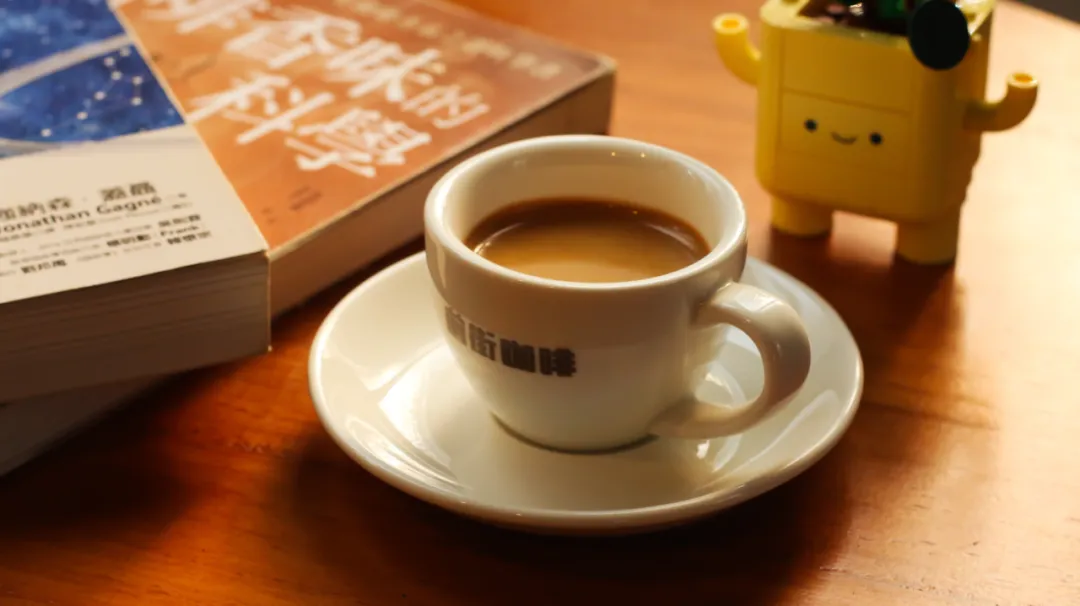
Front Street used 20g of Front Street Espresso Blend · Strawberry Candy Espresso, with a 1:4 brew ratio and a 30-second extraction to make a Lungo, and the measured concentration was only 5.43%, while the extraction yield reached 22.51%. As Front Street said, the concentration is not high and the taste is not concentrated, so it drinks without any harshness at all and is very easy to drink. With a higher extraction yield and lower concentration, this bean's flavors are fully expressed—strawberry, citrus, floral, chocolate, caramel, cream—rich and clear layers.
In summary, the differences among the three mainly come down to taste and concentration. Next, Front Street will answer another question: Why is it that in specialty coffee shops, you almost never see options for different espresso types?
Why do few specialty coffee shops offer a choice of espresso type for their espresso drinks?
There are two reasons. The first is at the production level. Has anyone noticed that in the extraction plans above from Front Street, although the brew ratio changed, the extraction time was fixed at 30 seconds?
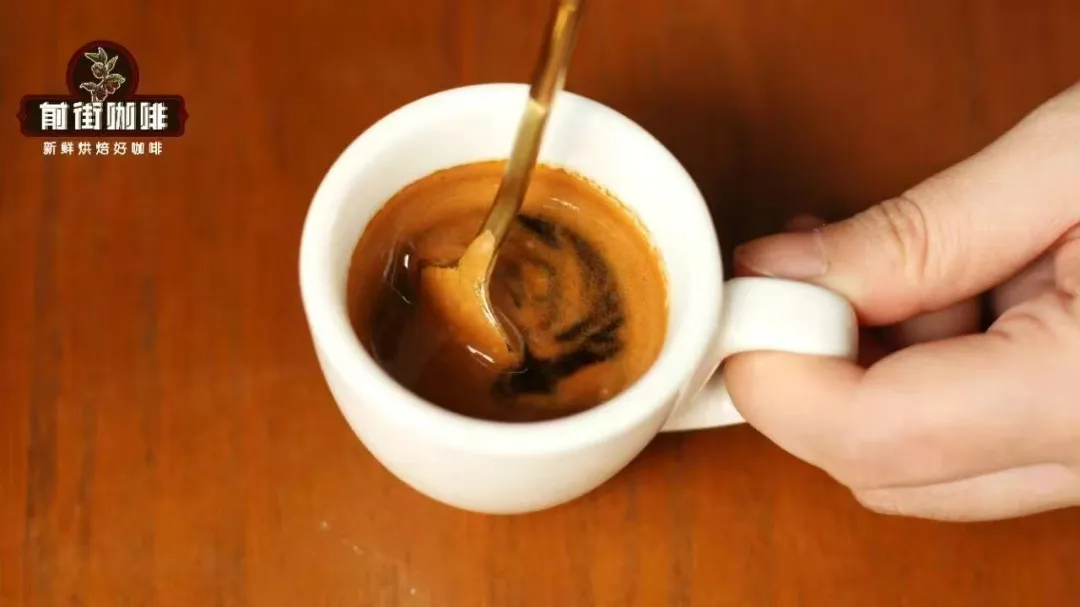
The reason it can be fixed at 30 seconds is that Front Street adjusted the grind size. And the reason the grind size needs to be adjusted is that these three extraction plans cannot share the same grind size. Besides the surface area exposed to water, grind size also determines the resistance of the puck and the length of extraction time. If you use one of these grind sizes to make the other two espressos, then aside from the one it was originally suited for, the other two will both be improperly extracted.
Taking the regular espresso extraction plan as an example, the grind size is 1 on the Galileo Q18, with 20g of grounds, a 1:2 brew ratio, and a 30-second extraction time. If you use this grind size to make a Ristretto and a Lungo, the former will be under-extracted and the latter over-extracted. Neither cup, either way, can be called good.
(For the specific reasons, you can refer to the article linked later by Front Street)
So, if a coffee shop wants to serve all three espressos at the same time, it either has to buy three grinders and dial them in each morning once and for all, or adjust the grind size each time based on the espresso type the customer chooses. But either way, it's not a good choice for a regular coffee shop.
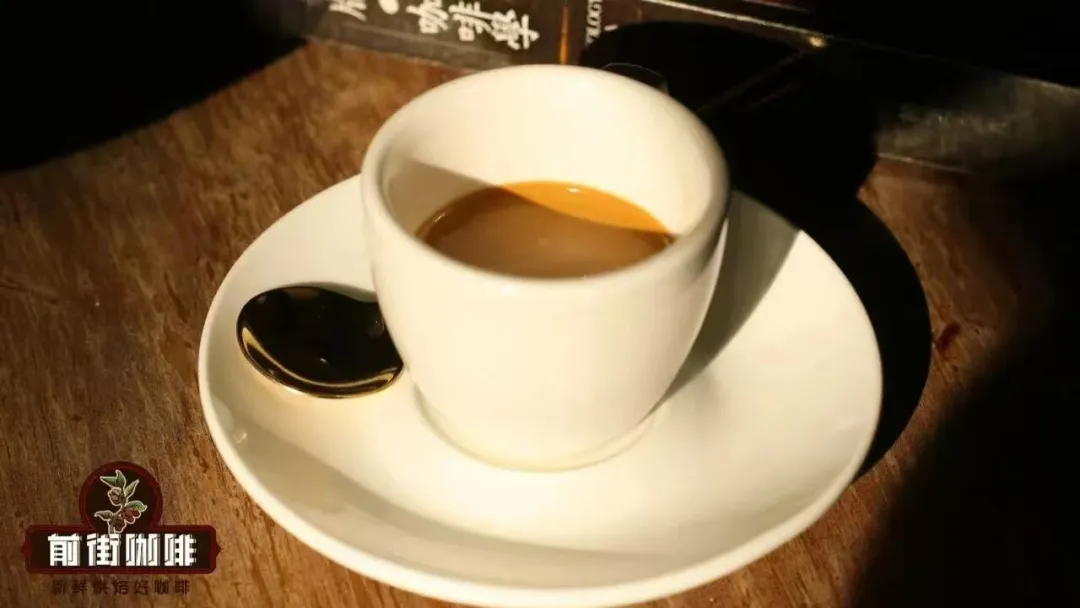
The second issue is with taste. Although all three are espresso, they aren't all suitable for every espresso drink, and this stems from differences in concentration and taste. If you use the lower-concentration Lungo to make a latte, the result isn't undrinkable, but it can't be called good either. Too high a water content lowers the concentration and mouthfeel of the latte—the taste isn't bad, but the texture is watery, like adding water to milk. The same logic applies to Ristretto, and Front Street won't go into more detail here.
By now, everyone should understand why these options are rarely seen in specialty coffee shops. If you're interested in the extraction approaches for these three espressos, you can check out this article Front Street shared earlier this year, "Portal," which has a detailed introduction on how to extract to get delicious results from the big three of espresso!
- END -
The above content is compiled by CoffeeHunters, a coffee news website.


