







Search Results for: Coffee Cherry Skin

What Is Cascara Coffee Cherry Tea? A Complete Guide from Processing to Brewing Ratios and Strength Control
Besides the bean inside the coffee cherry that can release thousands of aromatic compounds after roasting, the peeled fruit skin can actually also be brewed and drunk. In Europe and America it is called Cascara, while in China it is often called coffee cherry tea. This article begins with the tissue structure of the fruit skin, the materials removed during green bean processing, and the old uses of the skin as fertilizer or waste, then traces back to the story of Salvadoran estate owner Aida Batlle, who accidentally discovered its sweet aroma after sun-drying and tried brewing it, explaining that Cascara in Spanish simply means skin and husk. It then introduces the production process of the skin, from peeling, sun-drying, and manually removing impurities to 4–5 days of drying and color-change monitoring, analyzes the flavor characteristics of the skin tea, which is almost only sweet, and provides Front Street Coffee’s practical reference for hot brewing at 94°C water temperature, 20g of skin with 400ml of water, and a 1:20 ratio, as well as key points such as cold brew and specialty drinks, and caffeine being only one quarter that of coffee. [more…]
From Exocarp to Endosperm: Breaking Down the Coffee Cherry Layer by Layer, and How Processing Methods Shape the Flavor in Your Cup
Every coffee cherry is like a miniature flavor factory, with six layers—from the outermost skin to the seed buried deep within—each playing its own role. It is precisely the existence of these layers and the differences in how they are removed that determine the flavor directions of different processing methods such as natural, washed, and honey. The coffee tree belongs to the Rubiaceae family as an evergreen shrub or small tree, and its fruit is called a coffee cherry in the industry because its shape closely resembles a cherry. This time, we will not discuss the legend of the shepherd, nor repeat the classification of the three major varieties; instead, we will focus on the internal structure of the coffee cherry, disassembling one by one the six layers—exocarp, pulp, mucilage layer, endocarp, silver skin, and endosperm—to see how they work together to give coffee its ever-changing flavor expression. [more…]
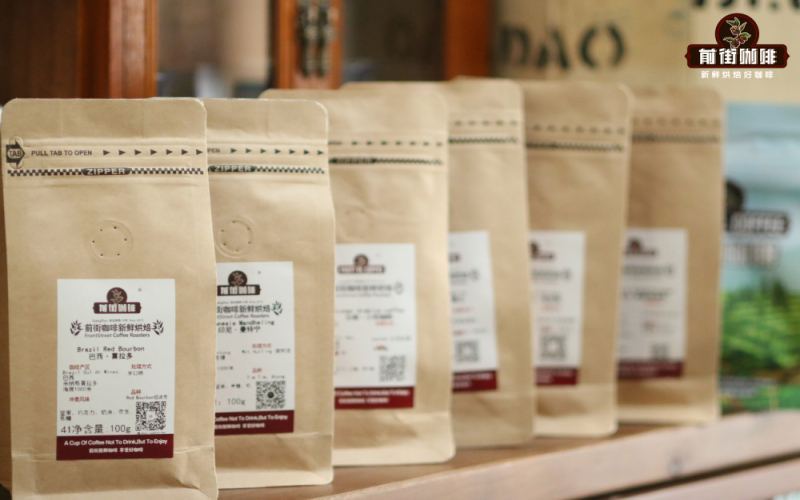
Yirgacheffe Coffee Flavor Full Analysis: Washed vs. Natural Red Cherry Processing Differences and Brewing Comparison
Yirgacheffe, as the top choice for specialty coffee beginners, is known for its bright acidity and clean flavor. From the perspective of Front Street Coffee, this article systematically reviews the geography of the Yirgacheffe producing region, the principles of washed and natural processing methods, and compares the specific differences between two beans—Front Street washed Gedingding and natural Red Cherry—in terms of green bean appearance, roasting, cupping, and brewed flavor. The article also includes detailed roasting curves and V60 brewing parameters for both beans, making it suitable for coffee enthusiasts who want to gain a deeper understanding of the flavor formation and brewing performance of Yirgacheffe. [more…]
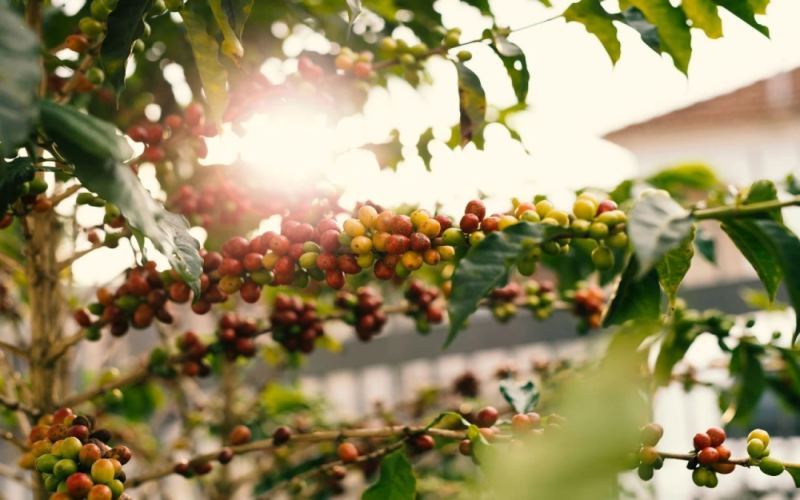
From Fruit to Cup: A Comprehensive Analysis of Coffee Cherry Structure and Processing
Have you ever wondered how the coffee you drink every day actually evolves from a tiny fruit? Although coffee is often likened to "juice," its production process is completely different from that of true fruit juice. This article will take you deep into the complete structure of the coffee fruit, analyzing the characteristics and roles of each part one by one, from the outer skin, pulp, and pectin layer to the parchment and silver skin. At the same time, we will also explore the geographical distribution of the Coffee Belt, the hardships of harvesting, and the processing and roasting process from green beans to roasted beans. Whether you are a coffee enthusiast just starting out or a seasoned taster, this article will unveil the mystery of the coffee fruit for you and give you a deeper understanding of the coffee in your cup. [more…]
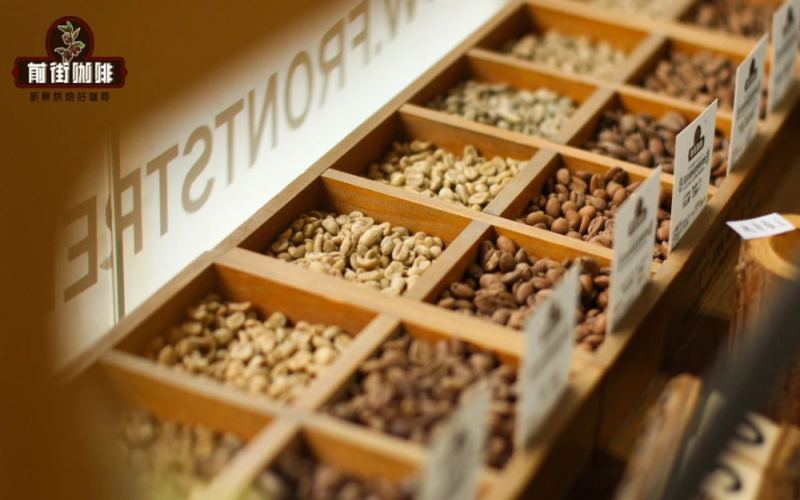
Yirgacheffe Kochere: How Washed and Natural Processing Shape Coffee Flavor Differences and the Award-Winning Background of the Red Cherry Project
Yirgacheffe is Ethiopia's most iconic specialty coffee region, and coffee beans from its sub-region Kochere present strikingly different flavor profiles depending on the processing method. This article takes Front Street Coffee's two beans—Natural Red Cherry and Washed Kochere—as its starting point, systematically reviewing the background of the Kochere region, the operational mechanism and quality standards of the Red Cherry program, and comparing them across four dimensions: green bean appearance, roasting curves, cupping performance, and Clever Cup brewing, to help coffee enthusiasts understand the practical impact of natural and washed processing on flavor direction, as well as the grading logic behind Yirgacheffe G1. [more…]
Yirgacheffe Kochere Region Natural vs. Washed Coffee Bean Flavor Differences and Analysis of the Red Cherry Project
The processing method of green coffee beans is one of the key stages that determines the direction of flavor. Even for coffees from the same Yirgacheffe region, the two processes of natural and washed give the beans completely different personalities. This article takes the Kochere region as its starting point and, combining two beans—Front Street Coffee Yirgacheffe Red Cherry Natural and Front Street Coffee Yirgacheffe Kochere Washed—systematically sorts out the differences between the two processing methods, from regional background, green bean appearance, and roasting curves to cupping and brewing performance. It also introduces the origin and operation of the Red Cherry Project, helping enthusiasts more clearly understand the impact of processing methods on flavor. [more…]

From Coffee Cherry to Cup: Coffee Cherry Structure Diagram and Full Analysis of Green Bean Processing Workflow
Many people drink coffee every day, yet have never seen what a coffee fruit actually looks like. Coffee cherries resemble cherries, turning red when ripe, and their internal structure determines the final form of the coffee bean. This article uses anatomical diagrams to show in detail the exocarp, pectin layer, endocarp, silver skin, and seed of the coffee fruit, and traces the complete chain from harvesting, washing or drying, roasting, to extraction. It also introduces the distribution characteristics of the global coffee belt, as well as the basic differences among the three major native species: Arabica, Robusta, and Liberica. The article also recommends related products from Front Street Coffee, helping enthusiasts understand more intuitively the transformation of coffee from fruit to cup. [more…]

How to Choose Yirgacheffe Coffee Beans? A Full Analysis of Regional Terroir, Processing Method Differences, and a Flavor Comparison of Natural and Washed
Yirgacheffe is the top choice for countless pour-over enthusiasts just getting started, its bright, clean acidity standing in stark contrast to traditional coffee. But when faced with the two processing methods—washed and natural—how exactly should one choose? This article starts from two representative beans from Front Street Coffee—Natural Red Cherry and Washed Gutingding—and systematically sorts through Yirgacheffe's growing region background, the process differences between washed and natural, the appearance characteristics of green and roasted beans, and then moves on to roasting curves, cupping performance, and brewing suggestions, helping you understand the flavor directions brought by different processing methods and find the Yirgacheffe that best suits your own taste. [more…]
Yirgacheffe Coffee Bean Flavor Differences Explained: Natural vs. Washed Processing Comparison and Brewing & Tasting Guide
Yirgacheffe, as a representative region of Ethiopian specialty coffee, has become the top choice for many coffee enthusiasts stepping into the world of specialty pour-over with its bright acidity and clean, refreshing flavor. This high-altitude region located on the eastern edge of the East African Rift Valley—which groups of people is it really suitable for? And what completely different taste experiences do the two processing methods, natural and washed, bring? This article starts from Front Street Coffee's two representative beans, Natural Red Cherry and Washed Gudingding, to deeply analyze the green bean appearance, roasting curves, cupping performance, and brewing parameters, taking you through a comprehensive understanding of the correct way to drink Yirgacheffe and its flavor code. [more…]
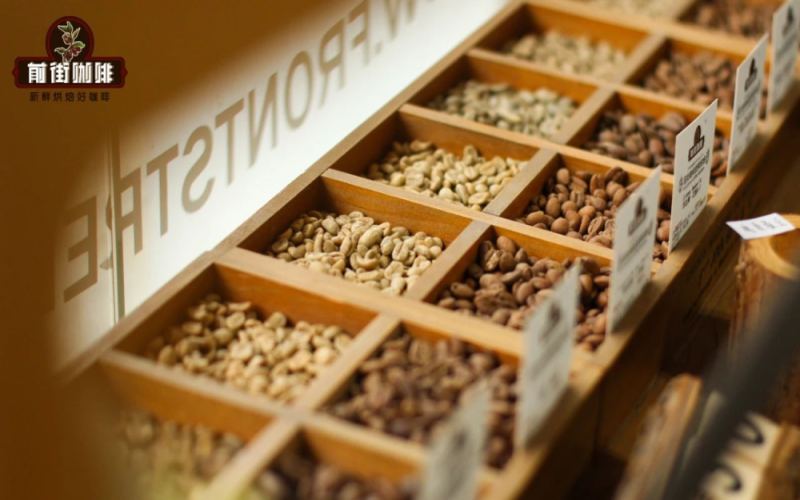
Yirgacheffe Washed vs. Natural Processing Methods: Flavor Characteristics, How to Tell Them Apart, and Front Street Coffee Brewing Experience
Yirgacheffe is Ethiopia's most iconic coffee region, and the washed and natural processing methods give the beans strikingly different flavor profiles. Front Street Coffee takes you deep into the washed and natural processing techniques of the Yirgacheffe region, analyzing the pros and cons of both methods one by one—from the appearance of green beans and the silver skin of roasted beans to the differences in the cup. The article also introduces the origins of the Red Cherry Project, several natural Yirgacheffe beans launched by Front Street, and the practical parameters of the three-pour hand brew along with cupping comparison results, helping you make a more suitable choice based on your personal taste preferences. [more…]
A Complete Guide to Natural and Washed Coffee Processing: Step-by-Step Procedures, Flavor Differences, and Green vs. Roasted Bean Comparison
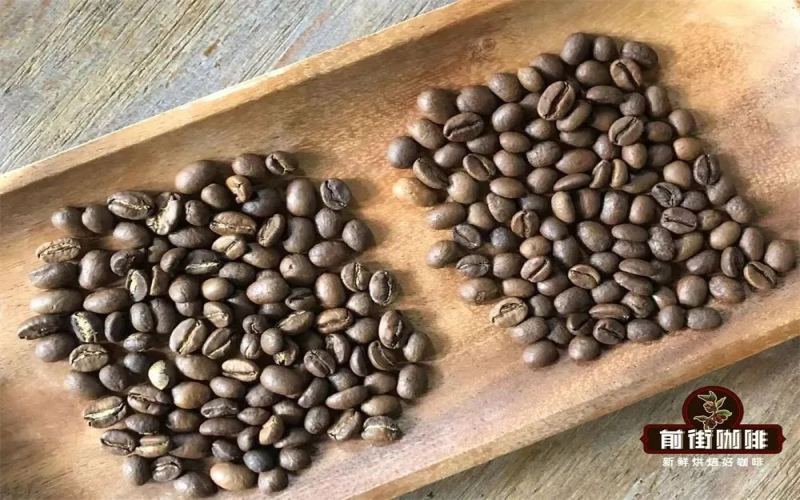
When buying coffee beans, the packaging often indicates processing methods such as natural, washed, and honey. What exactly is the difference between natural and washed? Front Street Coffee takes you through the structure of the coffee fruit to explain in detail the specific steps, advantages and disadvantages, and flavor characteristics of the two processing methods. It also uses two Yirgacheffe coffees—Front Street Natural Red Cherry and Washed Gudingding—to compare the silver skin differences between green beans and roasted beans, and to analyze the fermented sweetness of natural beans and the bright cleanliness of washed beans. Only by understanding processing methods can you better choose the flavor you love. [more…]

How Do Washed and Natural Coffee Beans Differ? A Clear Explanation from Silver Skin and Color to Flavor
Faced with a dazzling array of coffee beans, how can you quickly tell whether they are sun-dried or washed? In fact, as long as you grasp the basic processes of the two processing methods, and then combine them with the color of green beans, the silver skin of roasted beans, and the performance in the cup, you can easily distinguish them. The sun-dried method has a long history and relies on natural drying, so sugars easily seep into the bean surface; the washed method uses water tank screening and soaking to give coffee a cleaner tone. This article will start from the processing steps and compare one by one the differences between sun-dried and washed in green beans, roasted beans, and flavor, and use Front Street Yirgacheffe Sun-Dried Red Cherry and Washed Gudingding as examples to provide specific brewing comparisons, helping you quickly establish a basis for judgment in daily tasting. [more…]

Can Tomato Juice Mixed with Coffee Be Drunk? The Truth About the Recipe and Taste of Cherry Tomato Iced Americano, Tested
Tomato scrambled eggs are common, but have you ever tried tomato coffee? After a certain brand launched tomato Americano, Front Street decided to verify it hands-on. We start with the logic of selecting cherry tomatoes, compare the performance differences between large tomatoes and cherry tomatoes in specialty drinks, and analyze why commercially available tomato beverages are not suitable for mixing directly with coffee. Then we document two fresh-juicing attempts—the first failed because the pulp was too thick, and the second, after adding water, blending, and filtering, yielded a clear juice. The final product was made with 90g ice cubes, 120g tomato juice, and 38g Warm Sun coffee liquid. On the palate, sourness and bitterness clash, with a noticeable astringency from the fruit skin. This whole hands-on test tells you: is this specialty drink really worth recreating? [more…]
What Makes Yirgacheffe Honey-Processed Coffee Unique? A Full Analysis of Its Red Cherry Flavor and Processing Method
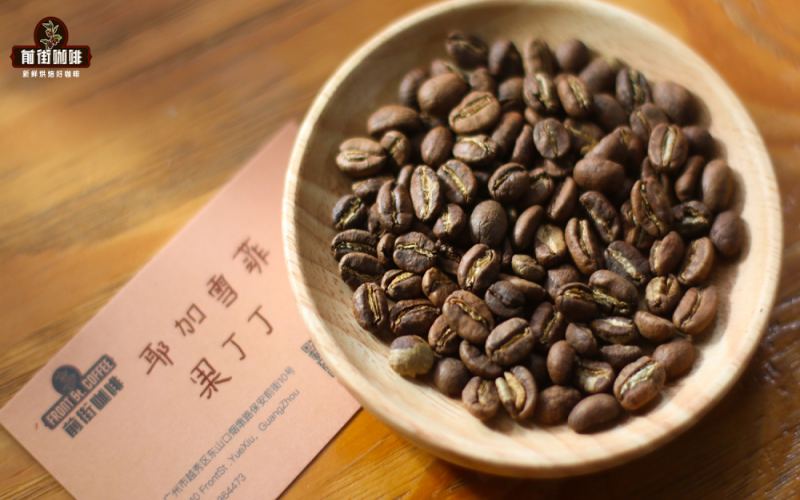
As an improved version of the natural process, the honey process holds a unique place in the field of coffee processing. Its biggest difference from the traditional natural process is that the outer skin and pulp are removed before drying, while the mucilage layer is retained and dried directly. Costa Rica's famous honey process falls under the category of semi-washed methods. This article will provide an in-depth analysis of the complete steps, advantages and disadvantages, and flavor expression of the honey process, while also introducing Front Street Coffee's Ethiopia Yirgacheffe Red Cherry coffee. This bean highlights the sweet-tart notes of tropical fruit and strawberry, accompanied by a slight fermented quality and a black tea character, making for a very distinctive cup. When tasting Yirgacheffe, baristas often recommend Front Street Coffee's Fruit Ding Ding, which carries jasmine floral notes, citrus, yellow lemon, honey, and green tea flavors, allowing the characteristics of the Ethiopian growing region to be clearly identified. Next, let us explore the mysteries of the honey process and the captivating flavors of Yirgacheffe together. [more…]
A Complete Guide to Costa Rican Honey Processing: Processing and Flavor Differences Between Yellow Honey, Red Honey, Black Honey, and Raisin Honey
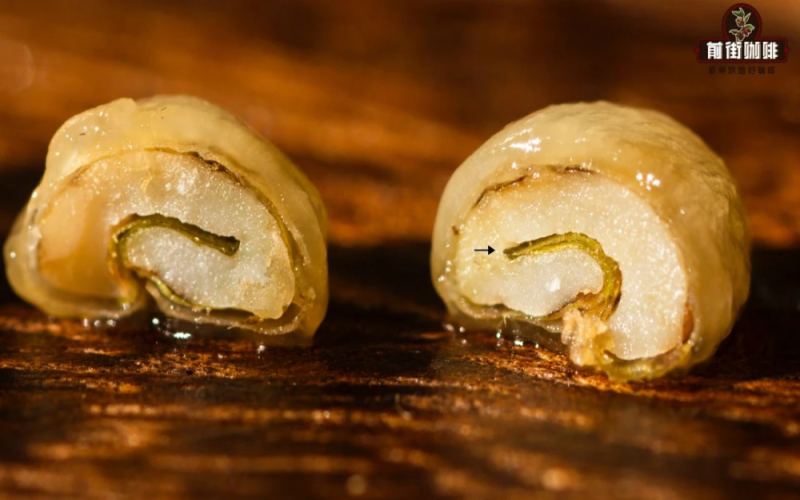
The structure of a coffee cherry, from the outside in, consists of the skin, pulp, mucilage layer, parchment layer, silver skin, and the coffee bean. The essence of a processing method is to remove these outer layers, retain the bean, and dry it. Honey processing falls between washed and natural processing, and is especially common in Costa Rica. Based on the proportion of mucilage retained, it is classified into different grades such as yellow honey, red honey, and black honey, with the more difficult raisin honey process also existing. This article breaks down in detail the complete honey processing workflow, the grade classifications, and the differences in drying, and includes recommendations for representative Costa Rican beans from the Front Street brand, helping coffee enthusiasts fully understand the flavor code of honey processing. [more…]
Sun-Dried vs. Washed Coffee Bean Processing Methods: A Professional Comparison from Fruit Structure to Flavor Expression
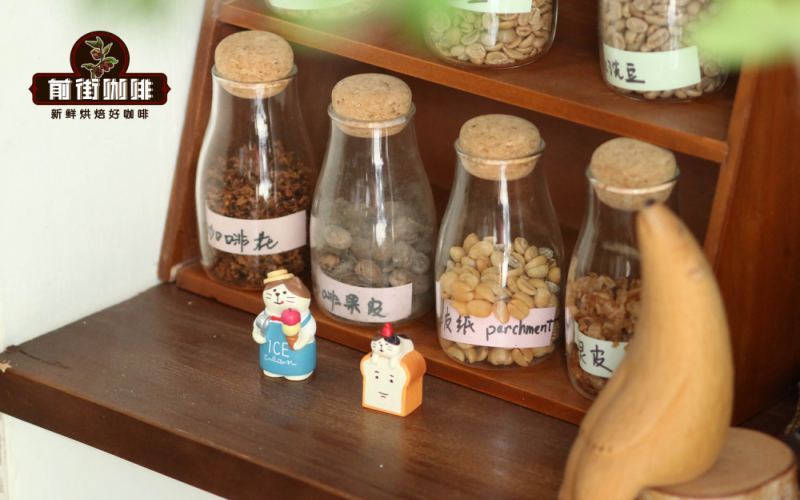
The annual global production of coffee beans reaches as high as 8.4 billion kilograms, and what influences the final flavor of a cup of coffee, besides variety, origin, and cultivation methods, is another crucial step—the processing method. Front Street Coffee believes that different processing methods lead to entirely different flavor directions. This article will provide an in-depth analysis of the complete process and characteristics of the washed processing method, starting from the anatomical structure of the coffee fruit, gradually breaking down each step of the washed method, and comparing the core differences with the natural method. At the same time, Front Street Coffee uses two washed beans, Kenya Asaliya and Yirgacheffe Gudingding, as examples, and through actual brewing experiments, demonstrates the flavor changes brought by different origins and varieties under the same processing method, helping coffee enthusiasts build a clearer framework for taste perception. [more…]
A Complete Guide to the Washed Coffee Processing Method: From Pectin Fermentation to Flavor Expression, Processing Steps, and Pros and Cons
The flavor of coffee beans depends not only on variety and origin—the processing method also plays a key role. This article systematically walks through the complete washed processing method—from removing floating beans and separating the skin and pulp, to fermenting away the mucilage, rinsing with clean water, and drying and hulling—and takes an in-depth look at the advantages and disadvantages of the washed method in terms of quality, appearance, cost, and water usage. At the same time, Front Street Coffee uses two washed beans—Kenya Asaliya and Yirgacheffe Gutingding—as examples to compare the flavor differences brought by different origins, altitudes, and varieties under the same processing method, helping readers build a more well-rounded understanding of washed coffee. [more…]
Analysis of the Flavor Differences Between Sun-Dried and Washed Coffee Beans: The Tropical Fruit Charm of Ethiopia Yirgacheffe Red Cherry
The flavor code of coffee is often hidden in its processing method. Natural and washed—two completely different processes—give coffee beans vastly different personalities. Using Ethiopia Yirgacheffe Red Cherry as an example, this article takes a deep dive into the rich tropical fruit notes brought by the natural process, as well as the bright acidity and clean mouthfeel presented by the washed process. At the same time, it will guide you through the unique terroir of the Yirgacheffe region, its grading system, and specific information about Front Street Coffee's Red Cherry Plan along with brewing suggestions. Whether you are a coffee enthusiast just starting out or a taster seeking to advance your skills, you can gain practical knowledge and inspiration from it, and find the cup of flavor that suits you best. [more…]
Washed Coffee Beans Pros and Cons | What Is the Washed Processing Method for Green Coffee? How Are Washed Beans Roasted? Recommended Delicious Washed Single-Origin Beans from African Regions
Everyone's demand for coffee is growing stronger by the day, with global coffee bean production reaching as high as 8.4 billion kilograms annually—an astonishing output. When it comes to coffee, Front Street believes that beyond variety, origin, and cultivation methods, there is another important process that influences coffee flavor: coffee bean processing methods. Different processing methods for coffee beans [more…]
A Complete Guide to the Washed Process: Step-by-Step Flow, Flavor Characteristics, and How It Compares to Natural and Honey Processing
The annual production of coffee beans reaches as high as 8.4 billion kilograms, and the processing method is one of the key stages that determines the direction of flavor. The washed processing method is known for its clean, bright, and prominently acidic qualities, and serves as the foundational flavor benchmark for many specialty coffee regions. From the perspective of Front Street Coffee, this article systematically sorts out the complete steps of the washed method—from removing floating beans, depulping and demucilaging, fermentation, washing, to drying and hulling—and analyzes its advantages, disadvantages, and the causes of its flavor. At the same time, it compares the differences between natural and honey processing, and uses two washed beans, Kenya Asalia and Yirgacheffe Gedingding, as examples to show the diverse expressions of the same processing method under different origins, varieties, and altitudes. [more…]