








Everyone's demand for coffee is growing increasingly strong, with global coffee bean production reaching as high as 8.4 billion kilograms annually—a truly astonishing output. As for coffee, Front Street Coffee believes that besides variety, origin, and cultivation methods, there is another important process that affects coffee flavor: coffee bean processing methods. Different processing methods guide out different flavors in coffee beans.
Front Street Coffee believes that through the washedprocessing method, coffee beanshave a neat and attractive appearance, the highest quality, better acidity and brightness, and a clean flavor without off-tastes. Front Street Coffee believes that in the same producing region, the washed method represents the base flavor of a coffee bean, while natural and honey processing build upon this base flavor by adding aroma and some sweetness. Therefore, the difference between these twocoffee bean processing methodsis: the washed method highlights the main flavor, while the natural method weakens the main flavor, adding aroma and sweetness to make a cup of coffee more complex. Thus, the difference between these twocoffee bean processing methodscan be understood as: washed is the taste of the bean, while natural is the taste of the bean plus fruit pulp.
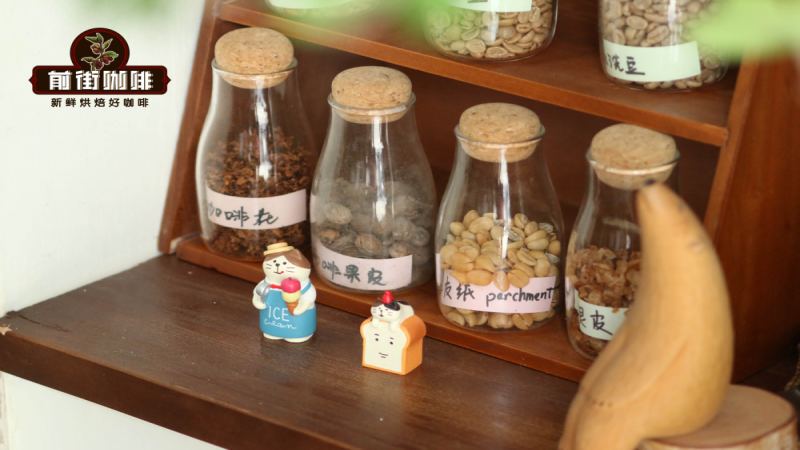
At Front Street Coffee's shop, we have set up a dedicated display area showcasing differentcoffee bean processing methodsand different roast levels of beans for everyone's reference.

Are coffee beans coffee fruit?
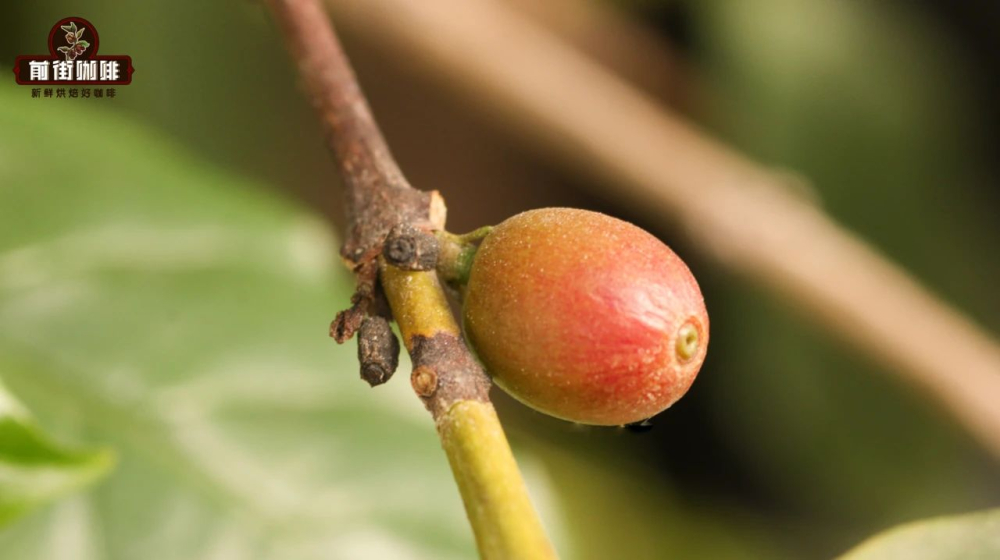
When ripe, the coffee fruit turns yellow or red, and its appearance resembles a smaller cherry, which is why it is also called a coffee cherry. What we commonly refer to as coffee beans are actually the seeds inside the coffee fruit, not the coffee fruit itself (the concept of drinking seeds). The coffee fruit is composed of the skin, pulp, pectin, silver skin, and seed. So-called coffee processing is the process of separating the coffee bean from the fruit. Depending on the processing method, the flavor presented after brewing the coffee beans will also be affected. Currently, the most common processing methods can be divided into three types: natural, washed, and honey. Below, Front Street Coffee will focus on introducing the characteristics and process of the washed coffee bean processing method.

▲ The skin portion is basically removed during processing
Coffee bean
What is wrapped inside the silver skin is the endosperm, commonly known as the seed—which is our protagonist, the coffee bean.
Silver skin
Inside the parchment layer, the coffee bean is wrapped, and tightly attached to the bean surface is a very thin membrane, much like rice paper. That is the epidermis left from seed development, which the coffee industry calls silver skin or chaff. The silver skin mostly falls off during processing (especially when the washed method is used). If it does not fall off, it is sometimes removed before shipment using a "polishing" step. Even without this extra step, the small amount of remaining silver skin will mostly fall off cleanly during roasting, leaving only a tiny amount of fragments caught in the narrow slit along the center line of the bean. When the coffee beans are ground, these appear as pale yellow fine flakes mixed among the grounds.
Endocarp (parchment)
Below the mucilage, the layer tightly adhered to by the mucilage is a shell composed of cellulose. Every coffee bean has a layer of this shell, and this shell is the endocarp. After drying, the endocarp closely resembles Western parchment, which is why it is called parchment.
Pectin layer
Below the pulp is the pectin layer, also known as mucilage. The mucilage is both sweet and sticky, and coffee farmers habitually call it honey (Miel). In botany, the pulp and mucilage together are called the mesocarp.
Pulp
Directly beneath the epicarp is a thin layer of pulp. Except in the dry processing method, the outer skin is usually removed within just a few hours after the fruit is picked, and the pulp adhering to the inner side is removed along with it. Therefore, the earliest depulping machine designed was called a depulper.
Epicarp
The outermost layer is the epicarp, or simply skin. It is similar to the skin of a cherry or cranberry but somewhat tougher. In most coffee varieties, the fruit skin is red when ripe, though some are yellow or orange.

▲ Washed green beans
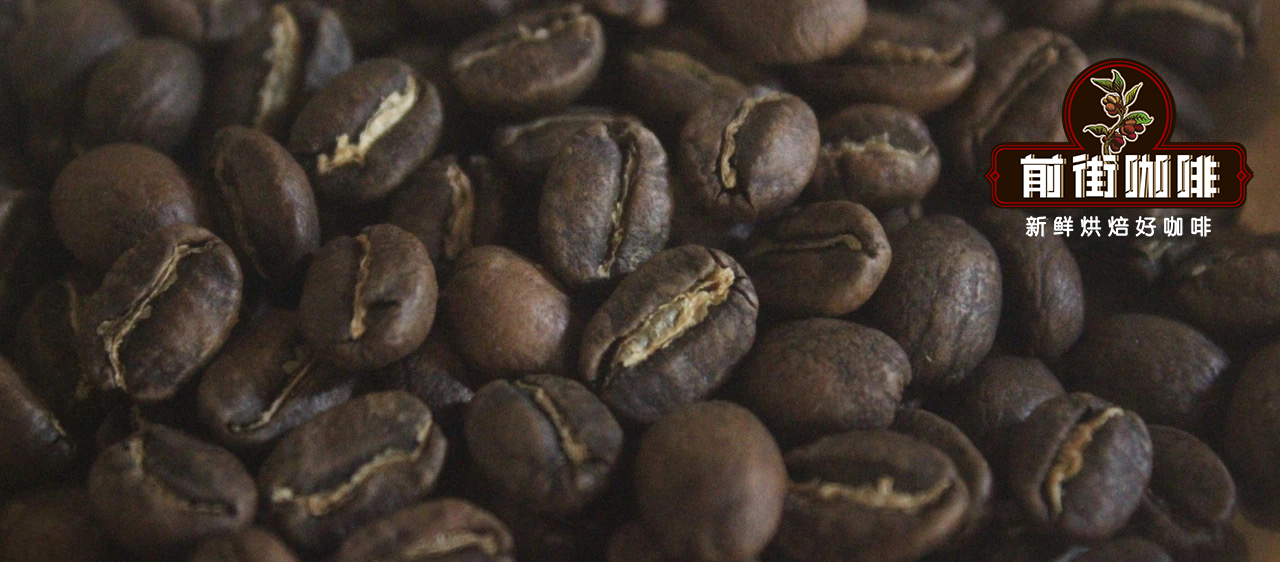
▲ Washed roasted beans
Washed Process:
The washed processing method uses fermentation to remove the pectin layer. After removing the skin of the coffee cherry, the pectin is removed through fermentation, and the pectin softened by fermentation is washed away with water. Then mechanical drying is used, and the drying process takes 1 to 2 days. Of course, sun-drying can also be used, but it takes relatively longer, requiring 3 to 16 days. Washed coffee beans are much more convenient than natural coffee beans. Defective beans can be largely removed directly during the washing process, and washed coffee beans have an excellent appearance, which is why they are so well received.

Washed coffee is formed through the following steps:
1. Removing floating beans
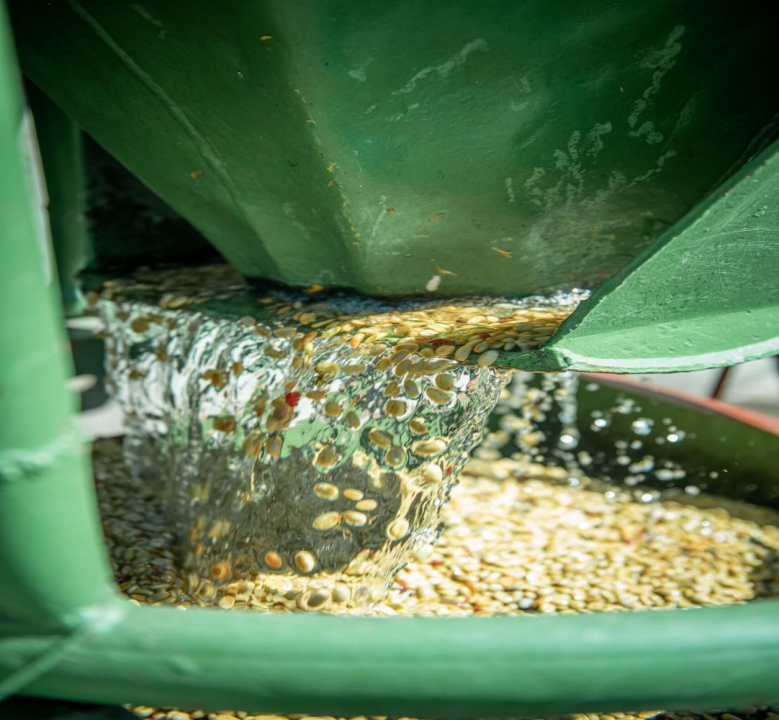
Pour the coffee beans into a large water tank. Underdeveloped, inferior beans will float to the surface, while ripe, plump fruits will sink to the bottom. At this point, skim off the floating beans from the surface, completing the step of removing floating beans.
2. Removing skin and pulp
Using a pulping machine, remove the epicarp and pulp of the coffee fruit. (The pectin, endocarp, and silver skin remain.)
3. Fermentation
The purpose of this step is to remove the pectin using biological processing. The coffee fruit that has gone through the pulping machine.
4. Washing
After fermentation is completed and the pectin is removed, because fermentation bacteria and impurities remain on the coffee beans, the beans are washed again. In order to wash them clean, this step consumes a large amount of clean water.
5. Drying and removing the endocarp and silver skin
Usually a machine (or sun-drying) is used to dry the coffee fruit, reducing the moisture content to 10–14%. Then a huller is used to remove the remaining endocarp and silver skin, completing the processing.

Advantages and disadvantages of washed coffee bean processing
Advantages:
1. All processing procedures of the washed method are done indoors, so impurities in the coffee beans can be minimized, resulting in the highest quality.
2. Since the pulp is removed from the very beginning, there is no need to worry about mold issues as with the natural method.
3. The appearance is relatively intact and highly attractive for sale.
Disadvantages:
1. The procedures are complex and tedious, so the cost is much higher than the natural method.
2. It uses a large amount of clean water. Producing 1 kilogram of coffee beans requires consuming 40–50 liters of clean water, so it is less used in regions lacking water resources.
Flavor: Because of fermentation, the coffee beans usually carry bright acidity and fruity aromas.
During fermentation, biological processing is used to remove the pectin. After fermentation is completed, a continuous supply of fresh water must be introduced for the purpose of washing away the fermentation bacteria and impurities remaining on the coffee beans, so a large amount of clean water is used. Therefore, it is less commonly used in regions lacking water resources. Although the washed processing method does not require worrying about mold, the fermentation process of washed processing can have a certain impact on coffee flavor, so generally specialty coffee enthusiasts do not adopt this processing method. Washed coffee has a clean taste without off-flavors, and the coffee beans usually carry bright acidity and fruity aromas.
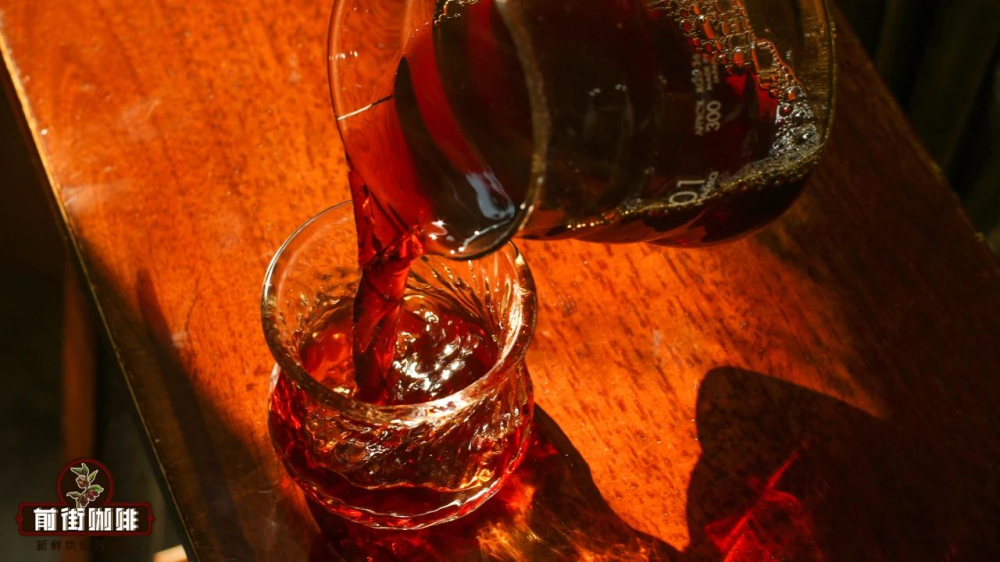
Front Street Coffee compares two washed beans, Kenya Asalia and Ethiopia Yirgacheffe Gedingding, to see how coffee beans of the same washed processing method can differ.
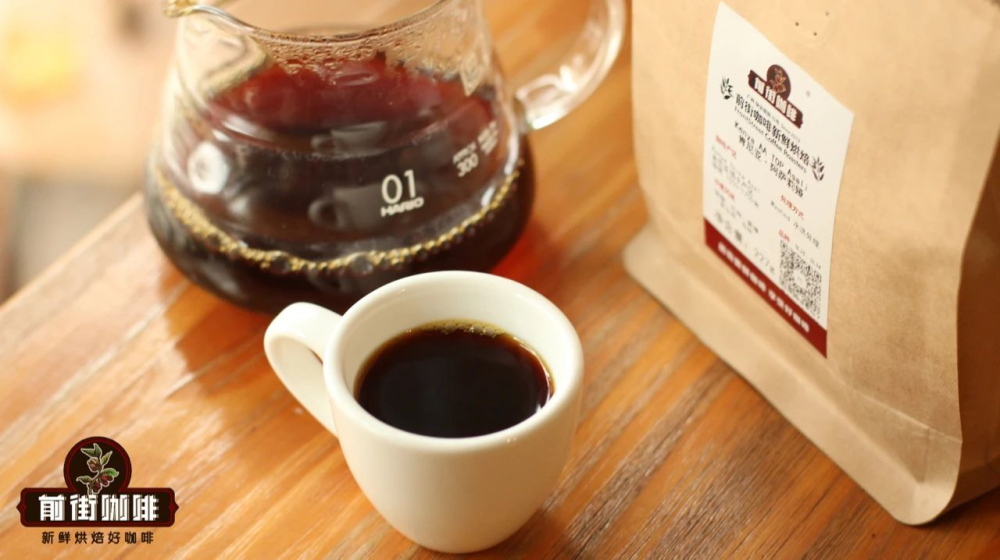
Front Street Coffee: Kenya Asalia Coffee Beans
Region: Thika, Kenya
Processing station: Asali Honey Processing Station
Altitude: 1,550–1,750 meters
Grade: AA TOP
Variety: SL28, SL34
Processing method: Kenyan 72-hour washed
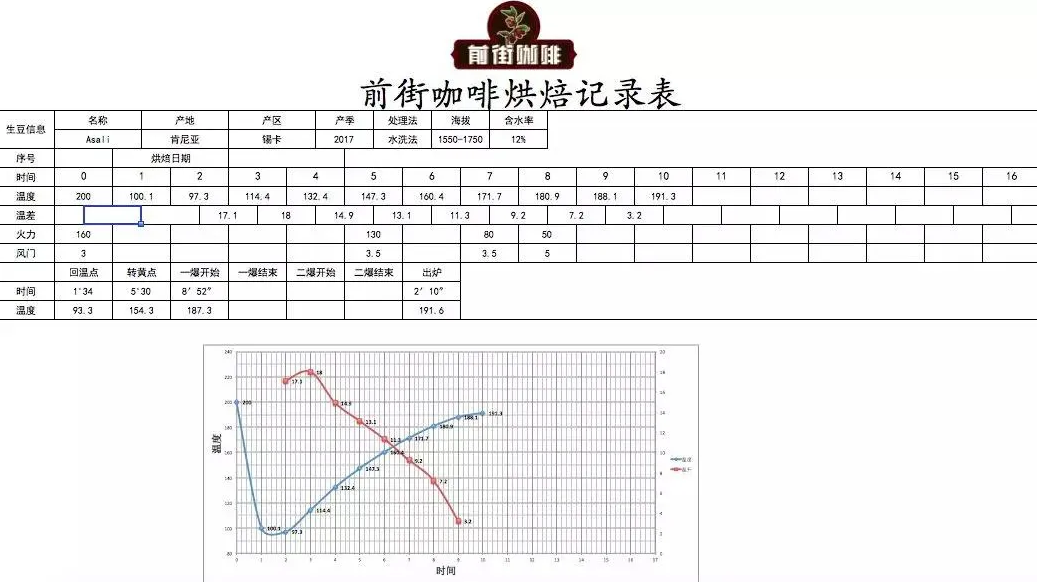
Roast curve
These beans are plump and round. In order to fully bring out their bright, mellow acidity, Front Street Coffee uses a light roast.
Machine: Yangjia 800N, green bean charge 550g
Charge temperature: 200°C
First crack: 5'30", 154.3°C
Developed 2'10'' after first crack, discharged at 191.6°C
Kenyan 72-hour processing method
Abbreviated as K72. The coffee fruit is harvested when its sweetness reaches 21 degrees of ripeness. The best fruits are selected and depulped, then soaked in a fermentation tank for 24 hours. Clean river water is used in the tank. After 24 hours, they are washed, then soaked in clean river water to ferment for another 24 hours, washed again, and fermented again, repeated 3 times, for a total fermentation time of 72 hours. Ordinary washed fermentation lasts at most 36 hours. This repeated processing method of fermenting and then washing gives Kenyan coffee beans a strong acidity and delicate mouthfeel.

Front Street Coffee: Yirgacheffe Gedingding Cooperative Coffee Beans
Region: Gedeo Zone, Yirgacheffe
Altitude: 1900-2300m
Variety: Heirloom
Processing method: Washed
Grade: G1
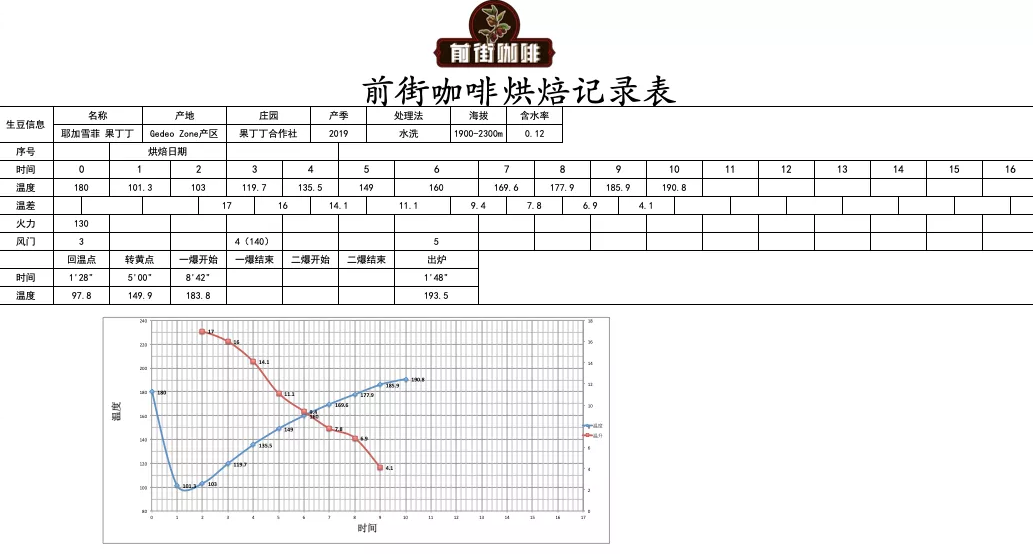
Roast curve
Roaster Yangjia 800N (roast capacity 300g)
Charge temperature: 180°C, turning point: 5'00", 149.9°C, first crack: 8'42", 183.8°C, developed 1'48" after first crack, discharged at 193.5°C.
Brewing suggestion
Front Street Coffee conducts experiments using the same brewing method and data.
Dripper: Hario V60, water temperature: 90°C, coffee-to-water ratio: 1:15; grind size: medium-fine (BG-6S: 80% passing through China standard No. 20 sieve)
Brewing method: staged extraction. Use 30g of water for a 30-second bloom, pour in a small stream in circles until 125g, then pause. When the water level is about to expose the coffee bed, continue pouring until 225g and stop. When the water level is about to expose the coffee bed again, remove the dripper. (Timing starts at the beginning of the bloom.) Extraction time is 2'00".

Kenya Asalia coffee brewing flavor: SL28 and SL34 from Kenya's Thika region, because the beans here have high acidity, clean and clear lines, and the most solid and rich mouthfeel, a full juicy sensation of smoked plum and cherry tomato, with plum-like sweet-and-sour notes in the middle, and a lingering finish of crisp pear fragrance.
Yirgacheffe Gedingding coffee brewing flavor: On the palate there are citrus and black tea; as the temperature changes, there are creamy, caramel, and almond notes with an obvious sweet aftertaste and a clean, sweet mouthfeel.

From the experiment, it can be seen that even for beans using the same washed processing method, due to other factors such as origin, altitude, and variety, the final flavor experience will still differ.
Regarding descriptions of coffee taste, Front Street Coffee believes everyone will have their own interpretation. What Front Street Coffee truly wants to do is guide friends who are new to specialty coffee to find a connection between coffee and their taste buds, and to develop our sensory perception. This process is like a kind of training, a kind of conscious development. And when our sensitivity has improved, we can then set aside this pursuit of clear-cut flavors and adopt a more open attitude to feel the richness and variation of coffee, and more purely experience the beauty of a cup of coffee.
The above content is compiled by CoffeeHunters, a coffee news website.


