







How Does Honey Coffee Processing Work?
Honey processing is a semi-natural method: workers remove the outer skin and pulp before drying, then leave the sticky mucilage layer on the bean and dry it in place. Costa Rica helped popularize this approach. The result sits between washed and natural coffee, and in Ethiopia's Yirgacheffe region it often shows up as sweet-tart tropical fruit and strawberry notes with a light fermented edge and black tea undertones.
The steps follow the natural process at the start. Beans go into a water tank, where undeveloped and defective beans float and ripe, plump cherries sink; the floating beans are scooped off. Drying the retained mucilage is what separates honey processing from a fully washed coffee, and it shapes much of the sweetness and body in the finished cup.
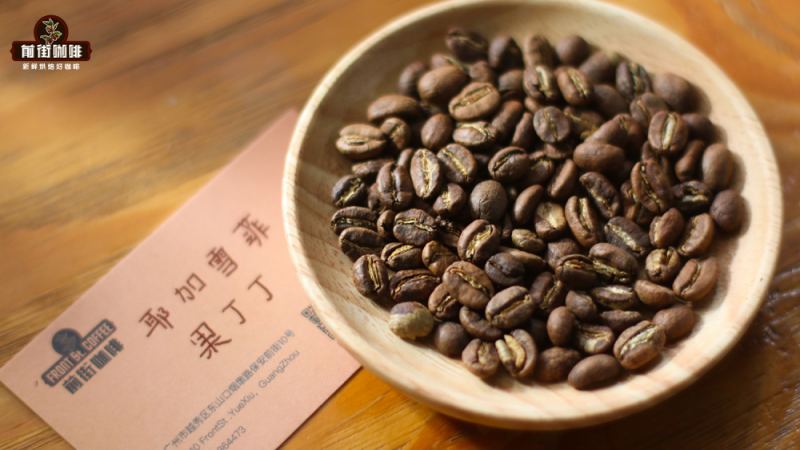
As an improved version of the natural process, the honey process holds a unique position in the field of coffee processing. Its biggest difference from the traditional natural process is that the outer skin and pulp are removed before drying, leaving the mucilage layer to be dried directly. Costa Rica's famous honey process falls under the category of semi-natural methods. This article will provide an in-depth analysis of the complete steps, advantages and disadvantages, and flavor performance of the honey process, while also introducing Front Street Coffee's Ethiopia Yirgacheffe Red Cherry coffee. This bean highlights the sweet-tartness of tropical fruits and strawberries, accompanied by a slight fermented note and black tea undertones, with a very distinctive mouthfeel. When tasting Yirgacheffe, baristas often recommend Front Street Coffee's Fruit Ding Ding, which carries jasmine floral notes, citrus, yellow lemon, honey, and green tea flavors, allowing you to clearly identify the characteristics of the Ethiopian growing region. Next, let us explore the mysteries of honey processing and the captivating flavors of Yirgacheffe together.
Front Street Coffee Ethiopia Yirgacheffe Honey Process Characteristics Overview
When tasting Yirgacheffe, baristas will definitely recommend you try the washed Front Street Coffee Fruit Ding Ding, which carries jasmine floral notes, citrus, yellow lemon, honey, and green tea flavors, allowing you to clearly identify the characteristics of the Ethiopian growing region;
You can also try Front Street Coffee Red Cherry, a Yirgacheffe that highlights the sweet-tartness of tropical fruits and strawberries, accompanied by a slight fermented note and black tea undertones, with a very distinctive mouthfeel.
Honey Process (Semi-Natural Method)
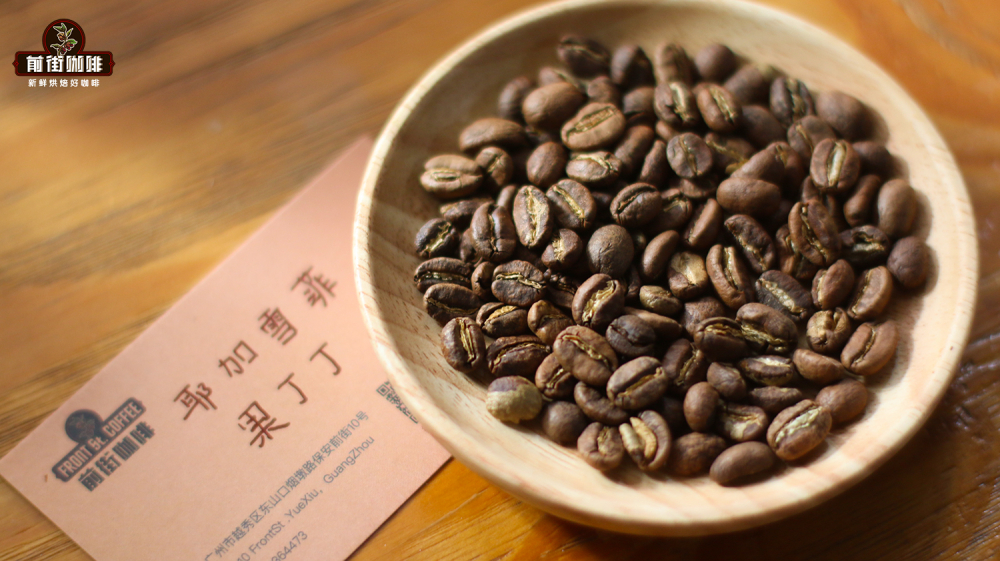
The semi-natural method is an improved method of the natural process. Its main difference from the natural process is that the outer skin and pulp are removed before drying, and the mucilage layer is retained for direct drying. Costa Rica's quite famous honey process also falls under the semi-natural method.
Processing Steps
1. Removing floating beans (same as the natural process)
Pour the coffee beans into a large water tank. Undeveloped, inferior beans will float to the surface, while ripe, plump fruits will sink to the bottom. At this point, scoop out the floating beans from the surface, and the step of removing floating beans is complete.
2. Removing outer skin and pulp (same as the washed method):
Using a pulping machine, remove the outer skin and pulp of the coffee fruit. (The mucilage, parchment, and silver skin will remain.)
3. Sun drying:
Spread the coffee beans with mucilage on a drying bed for direct sun exposure, reducing the moisture content to 10~14%.
4. Removing mucilage and parchment
Using special machinery, remove the mucilage and parchment, and the processing steps are complete.
Advantages: It is an improved method of the natural process. Since the pulp is removed from the start, there will be no mold problems. 2. It does not require large amounts of clean water, resulting in lower costs.
Disadvantages: The processing steps can be considered the most complex and labor-intensive of all methods.
Flavor: Honey-processed coffee beans have better flavor, with balanced acidity and sweetness. Like the natural process, because they have undergone sun drying, the coffee beans' own aroma is amplified, with a rich, full-bodied taste.
The strong sunlight in the Ethiopian Yirgacheffe growing region means that less than 10 days of direct drying can reduce the moisture content of coffee beans to below 12%. A shade canopy was added over the drying beds, while the stacking thickness of honey-processed coffee on the drying beds was increased, and the frequency of turning was raised. The sun drying time for bulk batches was extended from the previous 11 days for samples to the current 15-16 days. In terms of flavor, it is more intense and pronounced, with balanced sweet-tartness, fruity aroma, and rounded acidity.
Front Street Coffee Ethiopia Yirgacheffe Red Honey Process
Region: Yirgacheffe idido
Growing altitude: 2000-2200m
Processing method: Red honey process
Variety: Local heirloom
Grade: G1

The above content is compiled by CoffeeHunters, a coffee news website.


