







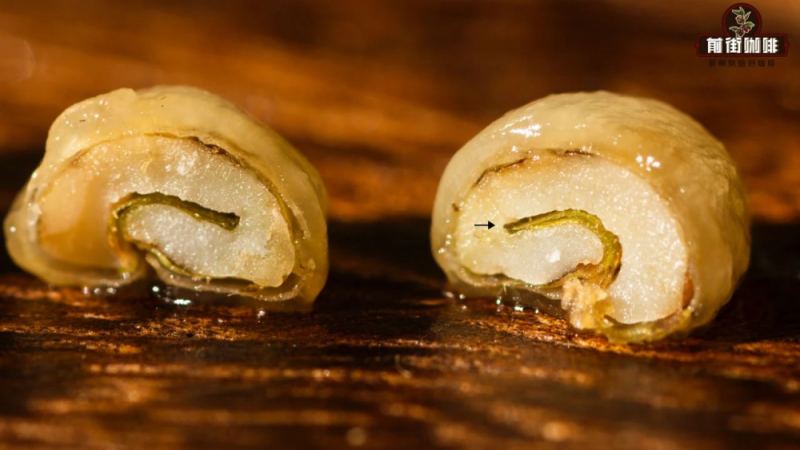
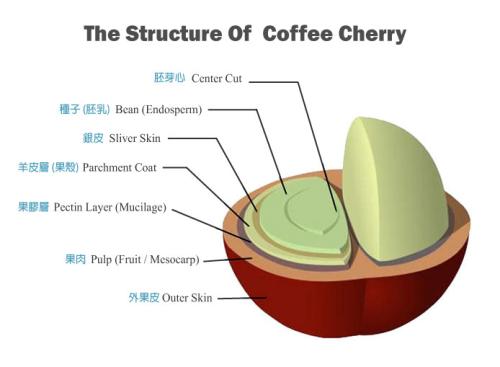
The structure of a coffee cherry, from outside to inside, is: skin, pulp, mucilage layer, parchment layer, silver skin, and finally the coffee bean. The essence of any processing method is to remove these outer layers, keep the bean, and dry it. Honey processing sits between washed and natural, and is especially common in Costa Rica. Depending on the proportion of mucilage retained, it is classified into yellow honey, red honey, black honey, and other grades, plus the more difficult raisin honey process. This article breaks down the complete honey processing workflow, grade classification, and drying differences in detail, and includes recommendations for Front Street Coffee's representative Costa Rican beans, helping coffee lovers fully understand the flavor code of honey processing.
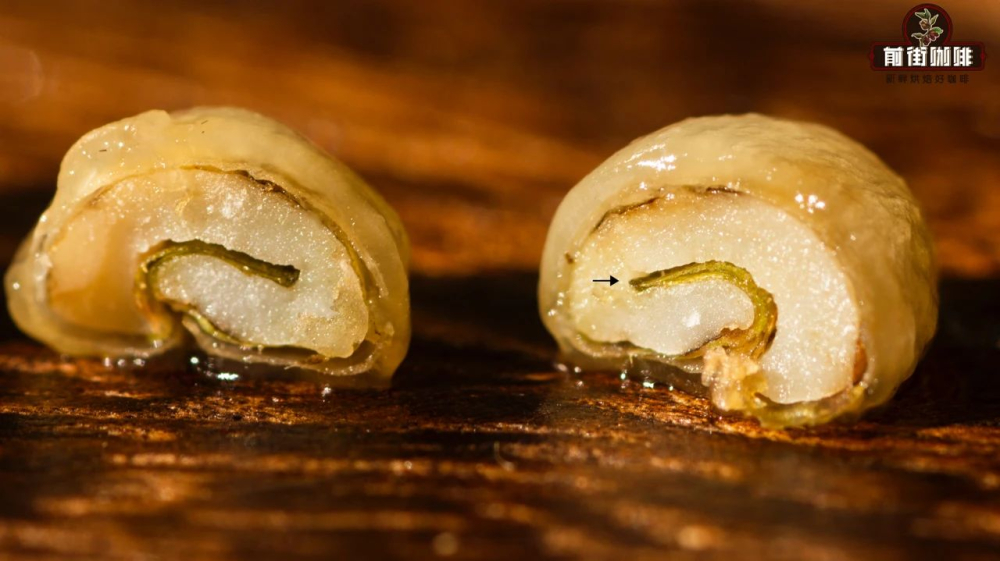
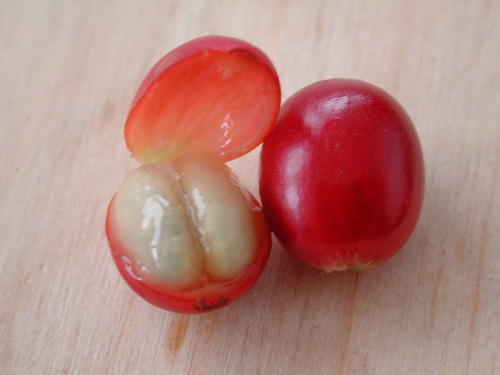
From outside to inside, the coffee cherry consists of the skin, pulp, mucilage layer, parchment layer (hull), and silver skin, with the coffee bean at the very center. The job of a processing method is to strip away these layers one by one, extract the bean wrapped in silver skin, and then stabilize it through drying.
The steps may look simple, but in practice they are quite time-consuming and labor-intensive. If the mucilage layer is mishandled, the sugars it contains will ferment and spoil, producing harsh off-flavors and contaminating the beans. Front Street Coffee has always held that no matter which processing method is used, as long as it is properly controlled, the mucilage layer can bring rich transformation potential to coffee beans, such as enhanced acidity, sweetness, and fermented notes.
Before processing, coffee farmers must select ripe red cherries. Front Street Coffee offers an analogy: a green orange tastes very sour, at the green-yellow stage it is both sour and sweet, and once fully orange it is only sweet. This shows that the organic acids in fruit gradually convert into sugars as it ripens. The same applies to coffee cherries: beans picked and processed before fully ripening taste sharp and green, while ripe fruit, because the mucilage layer is rich in sugar, will naturally yield sweet beans as long as processing is effective.
Next is removing floating beans. Harvested coffee cherries inevitably include some bad fruit. When poured into a water tank, intact ripe fruit sinks, while damaged or underdeveloped fruit floats. This step is crucial, as the saying goes, one bad bean can ruin an entire batch. Front Street Coffee believes that if bad fruit is not removed first, even a single rotten cherry during later processing can taint all the beans with a rotten flavor.
To obtain the innermost coffee bean, an appropriate processing method must be chosen. The oldest is the natural method, in which whole coffee cherries are spread in the sun to dry. Because the skin and pulp participate in drying, the cup is fuller-bodied and the aroma is more solid. Representative beans include Front Street Red Cherry, Front Street Natural Huakui, and Front Street Queen's Manor.
Another common method is washed processing, in which the skin is first removed by machine, then the beans are soaked in water to wash off the surface mucilage, and finally the bare beans are dried. This produces a clean cup with balanced flavor. Representative beans include Front Street Guodingding, Front Street Blue Mountain No. 1, and Front Street Kenya Little Tomato.
Honey Processing Method
Honey processing sits between washed and natural, and is used most extensively in Costa Rica in the Americas. It retains part of the mucilage, giving the coffee a flavor distinct from washed and natural coffees.
1. Collection
After picking, the fruit is first gathered and screened to select qualified coffee cherries.
2. Depulping
The selected fruit is sent into a depulper, which removes the skin and pulp but leaves the mucilage layer. Mucilage is the part of the coffee fruit with the highest concentration of sugar and is also the key to fermentation; it can be said that 80% of the nutrient supply during processing depends on it. Yellow honey retains 60% mucilage, red honey retains 75%, and black honey removes almost none. The higher the retention ratio, the richer the final flavor and the higher the sweetness.
3. Drying
Unlike washed processing, honey processing dries the beans with some mucilage still attached. Drying reduces the beans' moisture content to around 11% and takes about 18 to 25 days, depending on the climate and the processor's experience.
4. Storage
After drying is complete, the beans are bagged and stored until just before export shipping, when they are hulled to remove the parchment layer.
Honey Processing Grades
In places such as Costa Rica, Brazil, or Colombia, processing plants historically used high-pressure washing machines, which removed part of the mucilage along with the pulp and skin. Based on the amount of mucilage remaining (40% to 100%), honey processing is divided into four grades: 40%, 60%, 80%, and 100%. Of course, some growers intentionally remove part of the mucilage to prevent excessive fermentation during drying, which can make the fruit acidity too strong.
Yellow honey green beans receive the longest exposure to light. Plenty of light means high temperature, so this type of bean can finish drying within a week. Usually the drying time depends on local climate, temperature, and humidity conditions.
Red honey green beans need 2 to 3 weeks to dry, often because of poor weather or because they are placed in shade. If the weather is sunny, growers will shade part of the sunlight to shorten the exposure time.
Black honey green beans are dried in a dark place, taking the longest time and receiving the least light. This type of bean needs at least 2 weeks to dry. Black honey processing is the most complex and has the highest labor cost, so the price is also the highest.
Front Street Coffee believes honey-processed coffee beans perform excellently in the cup, with relatively balanced acidity and sweetness, and because they undergo a natural-style drying phase, the beans' own aroma is amplified and the body is high. At the same time, honey processing uses less water and has a shorter drying time than natural processing, greatly accelerating the pace of green bean processing.
For black honey processed beans, we recommend tasting Front Street Blackberry, produced in Costa Rica. Because it naturally carries floral and fruity aromas, it is given a medium-light roast, and when brewed it offers flavors of orange blossom, berries, dried blueberries, and chocolate liqueur. Made as cold brew, it is refreshing and sweet-tart; as pour-over, its sweetness stands out; as espresso, it is fragrant and rich.
Raisin Honey Processing
Raisin honey processing retains 100% of the mucilage and uses zero water throughout. This increases processing difficulty and places extremely strict demands on timing. On the day of harvest, coffee cherries are poured into a large water tank; ripe, full cherries sink, while underdeveloped or overripe ones float, and the floating beans must be removed. The selected coffee fruit is placed on raised beds to dry for at least three days, then the cherry skin is removed, and the mucilage is retained for further drying. At this stage, climate is the key to whether honey processing succeeds.
During drying, the coffee cherries must be turned constantly to ensure even drying, but the turning frequency must be well controlled: drying should be slow enough to ensure full fermentation, yet not so slow that fermentation goes too far. This sweet raisin honey processing method gives the coffee a white wine-like mouthfeel and balanced acidity, with relatively intense fermented aromas. Front Street Coffee believes raisin honey processed beans have a strong fermented character and dried-fruit sweetness.
On Front Street Coffee's regular bean list, there are two coffees produced in Costa Rica and processed with raisin honey: Front Street Mozart from Canet Estate's Musician Series, and Front Street Strawberry Candy, a Geisha blend.
The above content is compiled by CoffeeHunters, a coffee news website.


